Choosing the Right Eggplant Variety
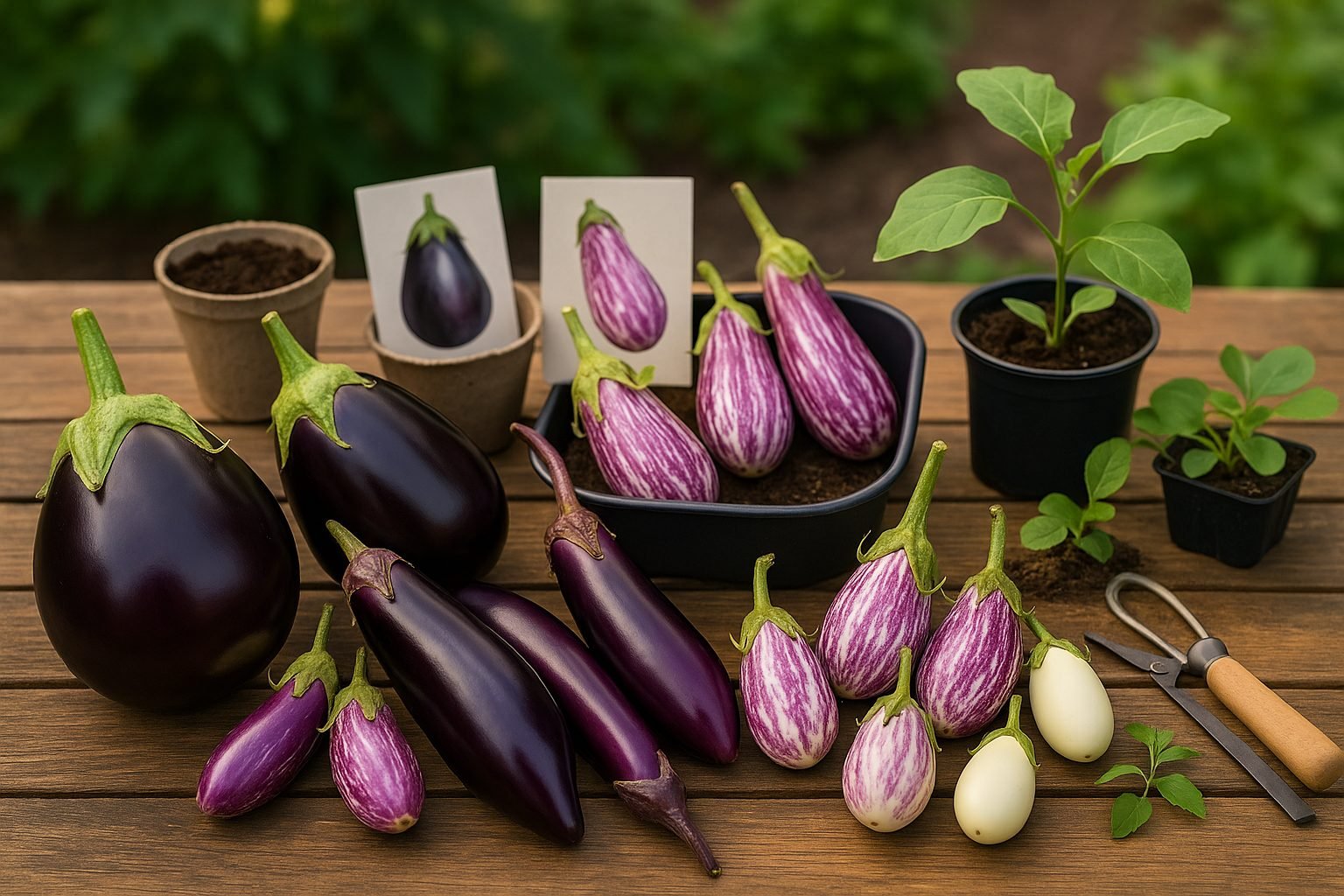
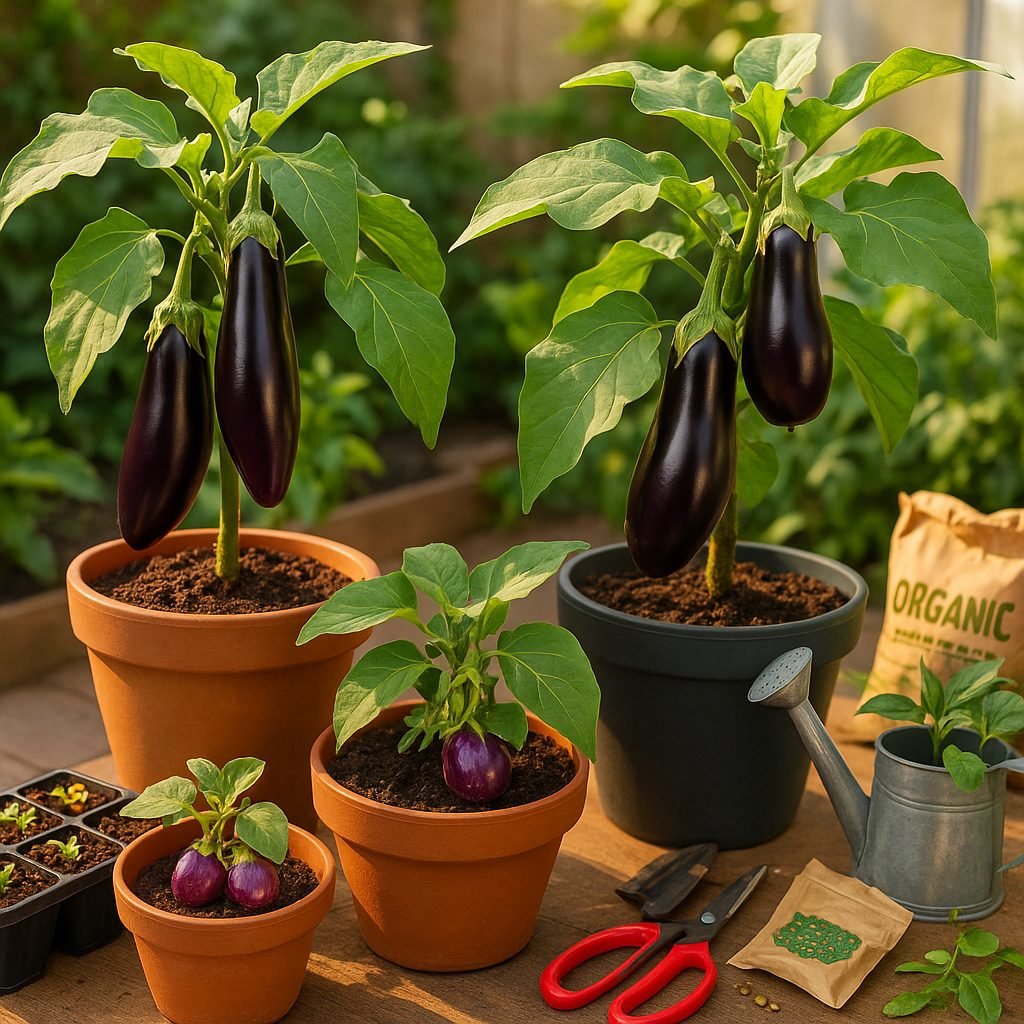
If you’re interested in cultivating eggplant in containers, selecting the right variety is the first step to a thriving harvest. Classic globe eggplants—the large, deep-purple fruits often seen in supermarkets—are impressive, but their size and sprawling nature make them challenging for container growing.
Instead, consider compact varieties like Japanese eggplant, known for their slender, elongated form and glossy skins in shades of purple or even white. Italian eggplants, slightly smaller and rounder than globe types, also adapt well to pots, producing tender flesh perfect for grilling.
For small spaces or patios, miniature varieties such as ‘Fairy Tale’ or ‘Bambino’ produce adorable, petite eggplants on bushy, container-friendly plants, delivering a surprisingly good yield.
When choosing, factor in your local climate:
- Lighter-colored varieties, like white or lavender eggplants, tolerate heat better.
- Darker varieties tend to thrive in moderate conditions.
If you love cooking stir-fries, opt for firm-fleshed Japanese types; for creamy dips like baba ganoush, go with globe or Italian varieties. Opt for disease-resistant and early-maturing hybrids if your summers are short.
By matching your eggplant choice to your space, weather, and favorite recipes, you’ll set yourself up for a flavorful and rewarding container garden.
Preparing to Plant Eggplant
Eggplants thrive in warm weather, so aim for daytime temperatures between 70–85°F (21–29°C) and nighttime temperatures above 55°F (13°C). They love full sun and need at least 6–8 hours of direct sunlight each day. Well-draining, fertile soil with a neutral to slightly acidic pH (around 6.2–6.8) is ideal. Start with a sunny spot in your garden or a large container.
Begin seeds indoors about 8–10 weeks before your last expected frost. Fill seed trays with damp seed-starting mix, plant seeds 1/4 inch deep, and place them in a warm spot—using a heat mat can help jump-start germination. Water regularly and keep the soil moist but not soggy. Seedlings will emerge in 10–14 days.
Once seedlings have at least two sets of true leaves and nighttime temperatures stay above 55°F, start hardening them off by moving them outside for a few hours each day over a week before transplanting.
Preparing the Bed
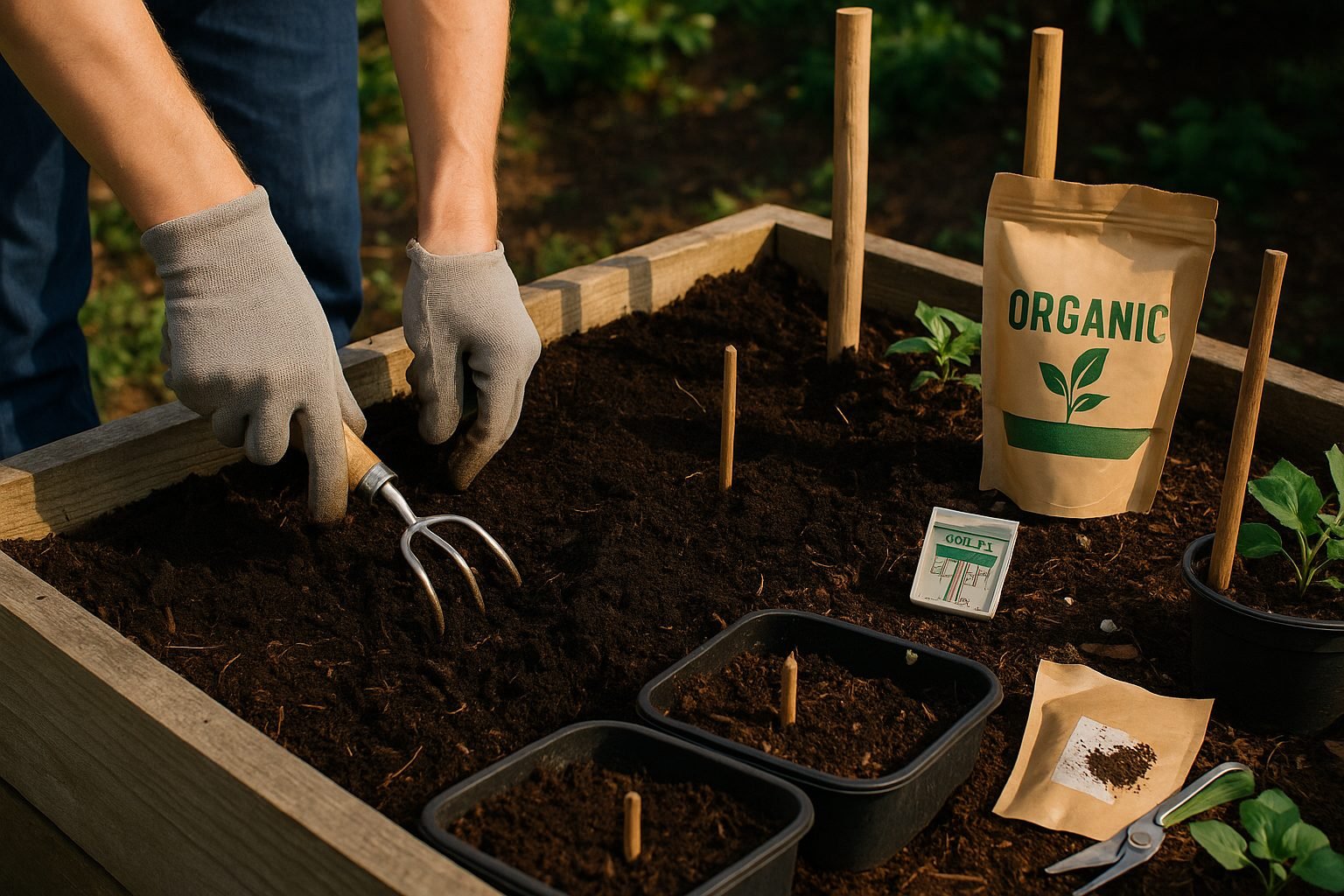
Remove weeds, loosen the soil to at least 12 inches deep, and mix in 2–3 inches of compost along with balanced fertilizer or aged manure.
Checklist for Bed Preparation
- Clear debris
- Test soil pH
- Amend soil with compost
- Add a slow-release organic fertilizer
- Create raised beds or use containers of at least 5 gallons with proper drainage
After transplanting, mulch to retain moisture and keep roots cool. Proper preparation gives young eggplants the strong start they need for a productive season.
How to Plant & Grow Eggplant
Eggplants thrive when planted outdoors after the last frost, as they need consistently warm soil—ideally above 60°F (16°C)—to establish strong roots. Whether growing in garden beds or containers, space each plant 18 to 24 inches apart to allow for good air circulation and bushy growth.
For containers, choose a pot at least 14 inches wide and deep, filled with rich, well-draining soil. Transplant seedlings once they have at least two to three true leaves, digging a hole deep enough to cover the root ball and a bit of the stem to foster stability.
Water immediately after transplanting to reduce transplant shock, and keep the soil evenly moist—but not soggy—watering at the base in the morning to avoid wetting foliage.
Eggplants are heavy feeders, so mix balanced fertilizer or compost into the soil at planting, and follow up with additional feeding every 3–4 weeks during the growing season.
Because eggplant varieties can become top-heavy once fruit develops, use a stake or wire cage right at planting to support the plant and avoid damaging roots later. For best results, mulch around plants to retain moisture and keep soil temperature consistent, which is crucial for healthy, continuous growth.
Patience pays off: with steady warmth, fertility, and support, your eggplants will reward you with glossy harvests later in the season.
Eggplant Care and Maintenance
Caring for eggplants is all about consistency and prevention. Water your plants regularly, aiming to keep the soil evenly moist but never waterlogged. Deep soaks once or twice a week work better than daily sprinklings. Laying down a layer of organic mulch, like straw or shredded leaves, helps retain soil moisture, regulate temperature, and reduce pesky weeds.
Fertilize every four to six weeks with a balanced fertilizer, especially once the plants start to flower and set fruit. Look for one with slightly higher potassium to support good yields. Regular pruning makes a big difference: gently remove any lower leaves touching the soil and pinch out unnecessary side shoots to open up the center. This boosts airflow and reduces disease. Prune the growing tips after your plants reach about 18 inches tall to encourage bushier growth and earlier fruiting.
Watch out for signs of trouble:
- Leaf wilting might mean under-watering or root disease.
- Flower drop can be caused by heat stress or inconsistent moisture.
- Yellowing leaves could signal a nutrient issue.
Adjust your routines as needed and always check plants after rain or humidity spikes. With just a little attention to these details, your eggplants can thrive and deliver a bumper harvest all season long.
Container Growing Tips for Eggplant
Growing eggplant in containers is both rewarding and space-efficient, especially if you choose the right setup from the start. Opt for containers that hold at least 5 gallons and are 12–16 inches deep—larger pots encourage healthy root growth and prevent the soil from drying out too quickly.
Non-glazed clay or food-safe plastic pots with drainage holes are ideal, as they help your eggplants avoid waterlogged roots. Use a high-quality potting mix fortified with compost; steer clear of garden soil, which can compact and limit airflow.
Position containers to soak up at least six hours of sunlight each day, and rotate them occasionally for even light exposure. Eggplants are heavy feeders and thrive with balanced, slow-release fertilizers mixed into the soil before planting; supplement with a liquid feed every two to three weeks, especially after blossoms appear.
Stick your finger into the soil regularly—if the top inch is dry, it’s time to water, but don’t let the pot sit in excess water, as soggy roots invite disease.
To maximize your small-space harvest, try growing compact or dwarf eggplant varieties and use stakes or cages to support stems. Prune lower branches and faded leaves to improve airflow, reduce pest risks, and channel energy into fruit production.
Pest & Disease Management
Managing pests and diseases in your eggplant patch starts with knowing what to watch out for—flea beetles and aphids are especially common, causing tiny holes and curling leaves, while diseases like blight and powdery mildew can quickly weaken your plants.
Organic controls include regular checks and handpicking pests, using insecticidal soap sprays for aphids, or sprinkling diatomaceous earth around plants to deter flea beetles. Neem oil is a great all-around organic treatment that fights both pests and fungal diseases.
For those open to chemical methods, targeted applications of approved garden insecticides can be effective. Always follow label instructions to protect beneficial insects and avoid overuse.
Prevention goes a long way—water at the base of plants in the morning to keep leaves dry, rotate crops each season to disrupt disease cycles, and remove any diseased leaves as soon as you spot them.
Companion planting also works wonders:
- Grow basil or marigolds nearby to repel unwanted bugs.
- Consider nasturtiums as a sacrificial plant to lure aphids away from your eggplants.
By combining these strategies, you’ll create a healthier, more resilient garden that keeps pests and diseases in check without relying solely on harsh chemicals.
Harvesting and Using Homegrown Eggplant
Knowing exactly when to pick your homegrown eggplants is key to enjoying their best flavor and texture. Ideally, harvest eggplants when their skin is glossy and firm but before it turns dull or wrinkled. A gentle press with your thumb should leave a slight impression—if the flesh feels too hard, it’s underripe, and if very soft or brownish inside, it’s overripe.
Bitter eggplants often result from letting fruit mature too long on the vine. To rescue slightly bitter ones, sprinkle slices with salt, let them sit for half an hour, then rinse and pat dry before cooking. For underripe fruit, slow braising or roasting can mellow the flavor. Overripe or seedy eggplants work best in spreads like baba ganoush or can be blended into soups where texture isn’t as important.
For cooking, try grilling, baking, or stir-frying slices in olive oil for rich, caramelized results. Store freshly picked eggplants in a cool, airy spot—avoid the fridge if possible, since cold temperatures can cause the flesh to brown and spoil faster.
If you have a big harvest, freeze sliced, blanched eggplant or try pickling it in vinegar and spices. Homemade eggplant chips or cubes roasted and then frozen will stay ready for quick weeknight meals. With careful harvesting and these simple storage tips, you’ll enjoy tender, flavorful eggplant all season long.