Introduction
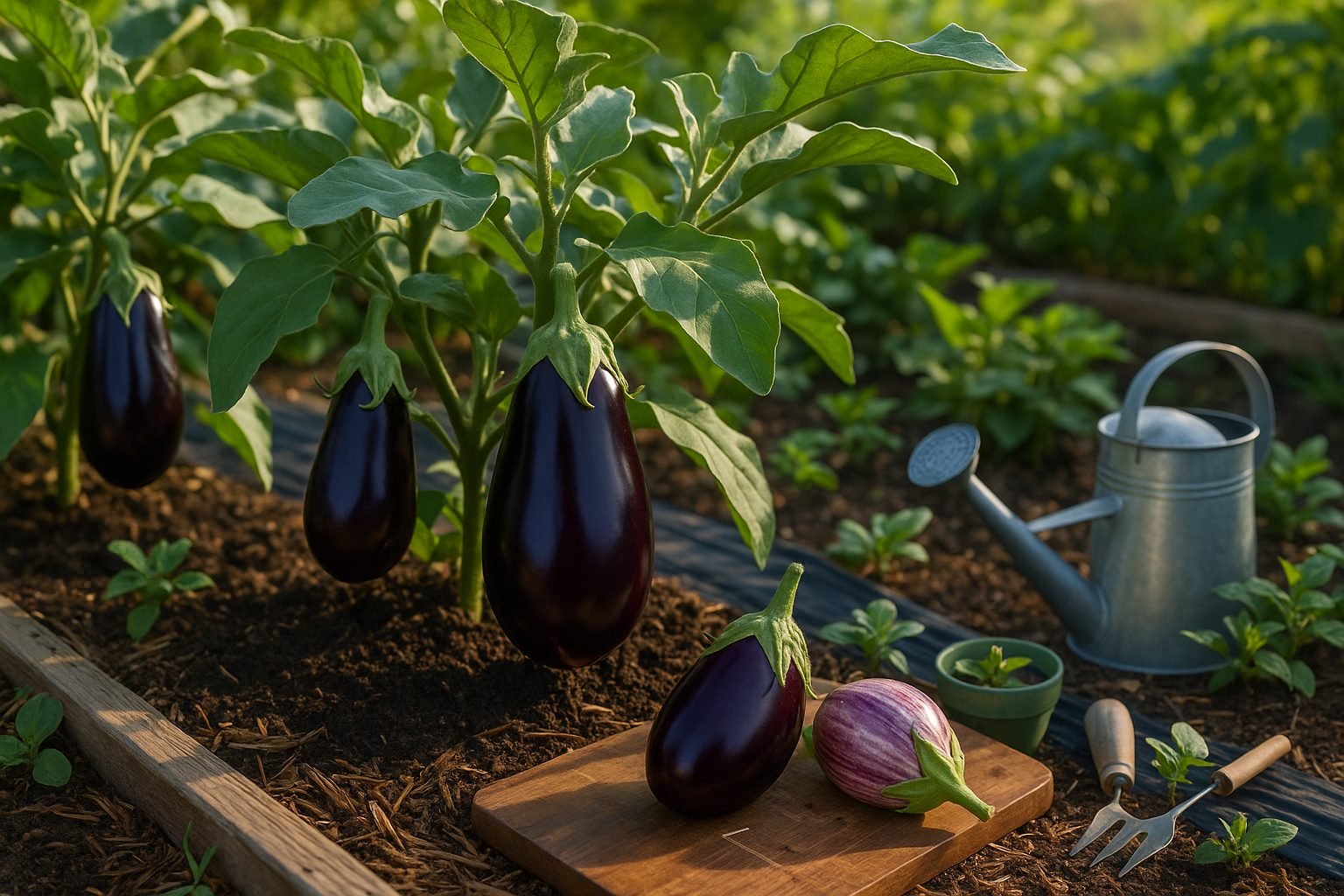
eggplant stunted growth is a common frustration for gardeners hoping to nurture healthy, productive plants. While eggplant is a favorite in many home gardens for its glossy fruit and rich flavor, it can be surprisingly challenging to grow, especially when unexpected setbacks occur. If you’ve noticed your eggplant not growing or staying much smaller than expected, you’re not alone—many gardeners face this issue each season.
The good news is that spotting and addressing growth problems early can make a huge difference, giving your plants a better chance at a strong recovery and a bountiful harvest. Whether the issues stem from watering, soil quality, pests, or temperature, understanding what’s holding your eggplants back is key.
In this guide, we’ll break down the most common causes of stunted growth and share practical fixes to help your eggplants thrive—so you can enjoy bigger, healthier harvests.
Eggplant Seed and Seedling Problems
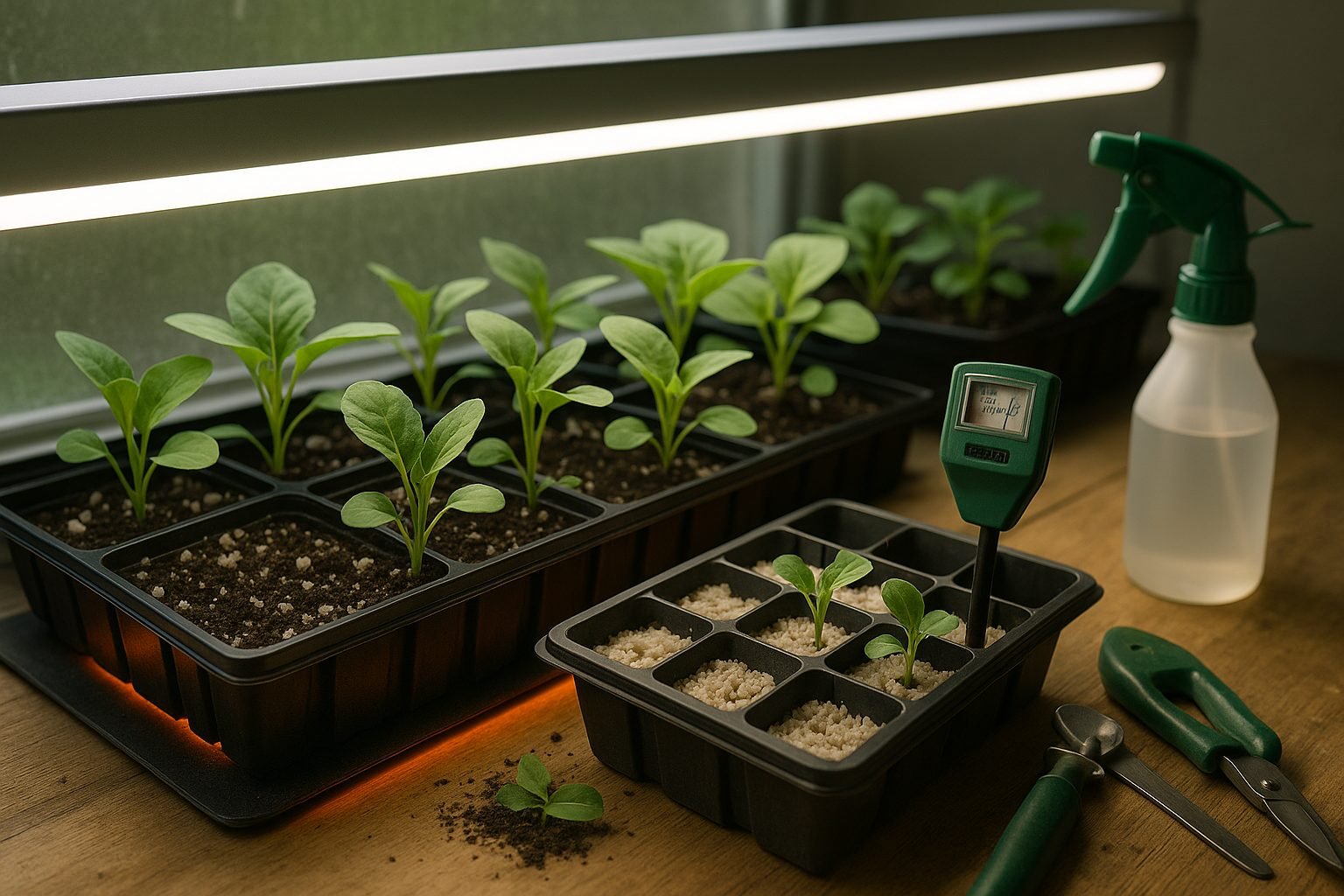
Starting eggplants from seed can be tricky, with gardeners often facing issues like poor germination, damping-off disease, and stunted or spindly seedlings. Poor germination usually happens when seeds are planted in soil that’s too cold or dry; eggplant seeds prefer a soil temperature between 75–85°F (24–29°C) for optimal sprouting. Using a seedling heat mat can make a big difference, especially in cooler climates or early spring plantings.
Over-watering can lead to damping-off, a common fungal problem where seedlings suddenly collapse at the soil line. To prevent this, use a sterile seed-starting mix and water only when the soil surface begins to dry out. Eggplant seedlings also need plenty of bright light—at least 14–16 hours per day—to avoid leggy, weak stems. Placing them under a grow light set just a few inches above the seedlings helps maintain strong, stocky growth.
When it’s time to transplant, avoid rushing into cold garden soil—eggplants are especially sensitive to chilly roots. Planting into soil below 60°F (16°C) may cause transplant shock, slow growth, or even death. To prevent this, wait until both daytime and nighttime temperatures are reliably warm, and harden off seedlings by gradually exposing them to outdoor conditions over a week. If the weather is still iffy, black plastic mulch can help warm the soil faster.
Taking these careful steps ensures healthy, vigorous young plants ready to thrive once they hit your garden beds.
Leaf and Whole Plant Problems
Leaf and whole plant problems can pop up in almost any garden, but spotting the signs early makes all the difference. For instance, yellowing leaves often point to nutrient deficiencies—nitrogen is a common culprit—or can signal over-watering that’s suffocating roots.
Curling leaves might mean your plant is under attack by pests like aphids or suffering from inconsistent moisture levels. Flea beetles, recognized by tiny holes scattered on foliage, and aphids, typically clustered on tender new growth, can both stunt plant development if left unchecked.
If you notice leaves drooping or an overall wilted appearance, don’t panic—first, feel the soil. Wilting can happen from both too little or too much water, so only water if the top inch of soil is dry to the touch.
Stunted growth and a general look of poor health can also arise from nutrient imbalances; use a balanced, slow-release fertilizer, and don’t hesitate to supplement with specific nutrients if plants show persistent symptoms—look for signs like purpling (possible phosphorus deficiency) or pale foliage (potential iron or magnesium issues).
For organic pest control, try a strong jet of water or insecticidal soap for aphids, and floating row covers to block flea beetles. Always remove and destroy affected leaves to slow the spread of both pests and potential diseases.
With these steps—consistent watering, vigilant pest checks, and mindful fertilizing—you’ll help your plants rebound and thrive. If issues persist, consider rotating crops annually and improving soil health with compost to build natural resilience against both pests and deficiencies.
Flowering and Fruit Set Challenges
Flowering and fruit set can be frustrating stages for gardeners, with common problems like flower drop, poor pollination, and low fruit production. Often, flowers may fall off before setting fruit due to temperature stress—too much heat or cold can shock plants and disrupt normal processes.
Another culprit is insufficient water; when roots dry out or become waterlogged, plants shed flowers to conserve energy. A scarcity of pollinators like bees can also stunt fruit production, especially for crops such as tomatoes, peppers, and squash, which rely heavily on insect visits.
To address these issues, try watering early in the morning and stick to a consistent schedule, ensuring the soil is moist but never soggy. If you notice few pollinators, hand pollination is easy: use a small paintbrush or cotton swab to gently transfer pollen from one flower to another.
Pruning is another key solution—remove crowded or shaded branches to improve airflow and sun exposure, but always prune after the last frost and before flowers set, typically in early spring. This focuses plant energy on producing strong blooms rather than supporting excessive foliage.
By understanding these challenges and taking simple, proactive steps, you can dramatically improve your chances of enjoying a healthy, abundant harvest.
Pest and Disease Management
Eggplants can be vulnerable to several pests and diseases that threaten healthy growth and harvest. Two common insect pests are flea beetles and spider mites.
Flea beetles leave small, round holes in leaves, especially on young plants, causing stunted growth. Warm, dry weather tends to encourage these beetles to thrive. Spider mites, on the other hand, are tiny but leave visible webbing on the leaves, leading to yellow speckles and leaf drop; they flourish in hot, dry, dusty conditions.
Diseases like blights (such as early blight or Phytophthora blight) and root rot (often caused by overwatering or poorly drained soil) can also attack eggplants. Blights may be recognized by dark, sunken spots on leaves or fruit, while root rot results in wilted plants with brown, mushy roots.
To minimize problems, inspect eggplants regularly for signs of damage or discoloration and remove any affected leaves or fruit promptly. Practicing good garden sanitation—such as clearing plant debris and rotating crops each year—helps deter pest and disease cycles.
For prevention and treatment, try organic solutions like neem oil sprays for insects and copper-based fungicides for fungal issues, or release beneficial insects like ladybugs to control mites naturally.
Maintaining proper plant spacing and ensuring good airflow between plants are essential tips too, as crowded, damp conditions create a welcoming environment for disease to take hold. By giving eggplants enough room and keeping foliage dry, you’ll help boost their resilience and set the stage for a productive, healthy harvest.
Watering and Soil Issues
Getting the right balance of water is crucial for healthy plants, but many gardeners struggle with overwatering, underwatering, or letting soil moisture fluctuate unpredictably. Overwatered plants often show yellowing leaves, wilting, and mushy stems because their roots become starved of oxygen and prone to rot. On the other hand, underwatered plants may have crispy edges, drooping foliage, and stunted growth since they can’t draw up enough moisture and nutrients.
If water pools on the soil’s surface or runs off without soaking in, poor drainage or soil compaction could be the culprit. These conditions suffocate roots and increase the likelihood of diseases like root rot and fungal infections.
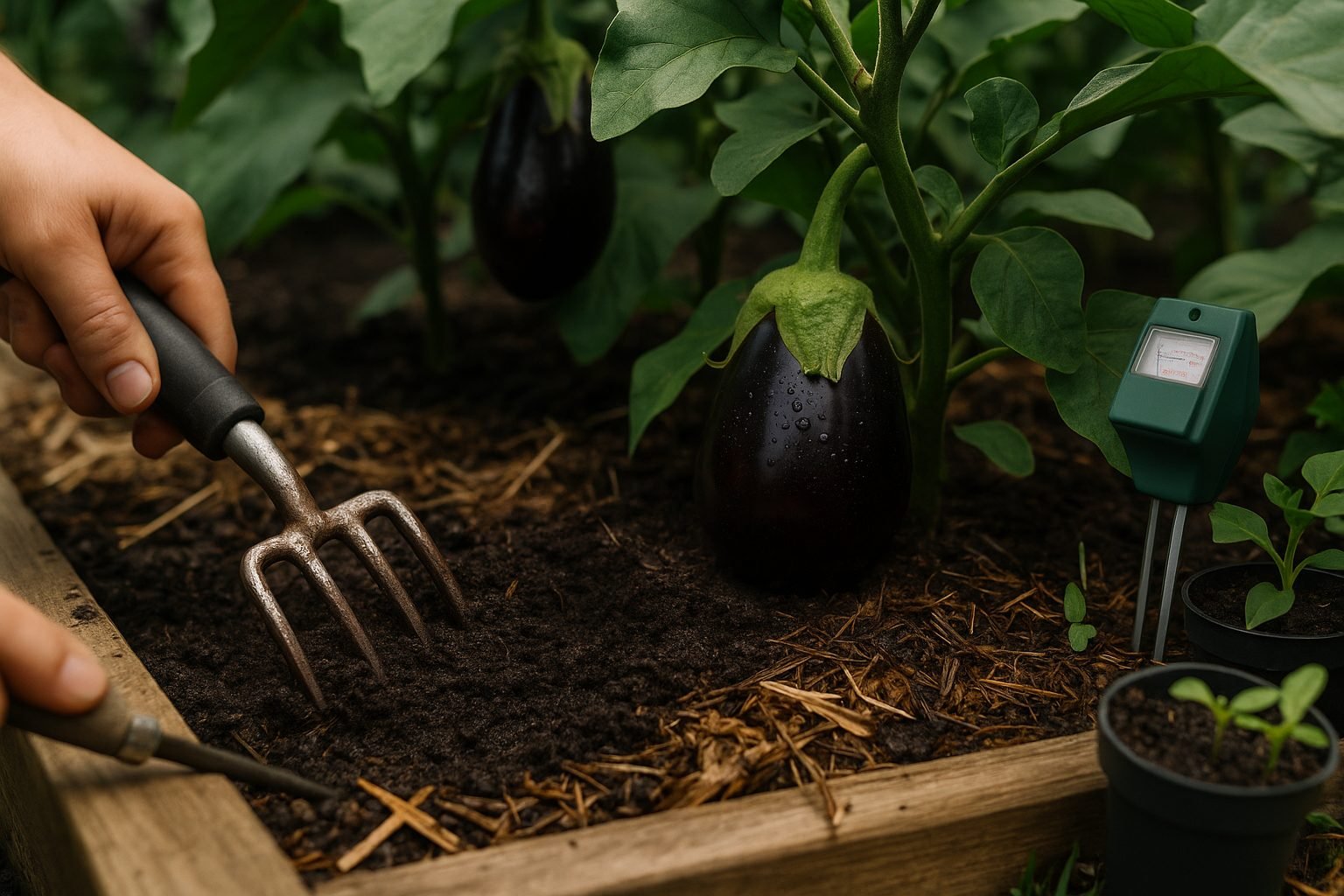
To solve these problems, try improving your soil by mixing in compost or well-rotted manure. This adds organic matter and helps moisture move evenly through the ground. For compacted areas, gently loosen the soil around your plants with a garden fork to allow air and water to penetrate.
Mulching with shredded leaves, straw, or bark chips is another great way to stabilize moisture, keep the soil cool, and limit evaporation. To maintain consistent moisture, use a moisture meter or poke your finger into the soil up to the second knuckle; water only when it feels dry at that depth.
Establish a regular watering routine, aiming to water at the base of your plants early in the day, and adjust as needed for weather and plant type. These simple steps build healthier, more resilient root systems and prevent the most common watering-related plant problems.
Harvest Timing and Techniques
Knowing when and how to harvest eggplants can make all the difference between a delicious, tender dish and a stringy, bitter disappointment. Picking eggplants too early often results in fruits that are small, bland, and overly firm, while letting them mature too long can lead to a dull, seedy, and tough texture.
The best time to harvest is when the skin is a vibrant, glossy purple and the fruit feels slightly firm but not rock-hard. Press your thumb gently on the skin; if it springs back without leaving an indent, it’s ready. Dullness or brownish streaks are signs the eggplant is past its prime.
Use a sharp pair of scissors or pruners to cut the stem, leaving about an inch of stem attached to protect the flesh and avoid tearing the plant. Don’t twist or yank the fruit, as this can damage the branches and reduce future yields. Always check several fruits at different stages to get a feel for the perfect harvest point.
A common mistake is harvesting in the heat of the day, which can stress the plant—early morning or late afternoon is ideal. Also, never let mature eggplants sit too long on the plant; they signal the vine to stop producing new fruit. Frequent, gentle checks and precise cuts help ensure healthier plants and a consistent harvest of flavorful, high-quality eggplants for your kitchen.
Conclusion and Growing Success Tips
Caring for healthy, productive eggplant plants starts with prevention: choose disease-resistant varieties, rotate crops each year, and always plant in well-draining soil enriched with compost. Regular watering at the soil level—rather than from above—reduces fungal diseases, while mulching helps retain moisture and suppress weeds.
Inspect your plants often for pests like flea beetles or spider mites, and act quickly if you spot damage. If problems arise, remember these golden rules:
- Address issues early
- Avoid overcrowding
- Prune yellowed or damaged leaves
- Keep your garden tools clean to prevent the spread of disease
Practice consistent weeding, fertilize according to your soil’s needs, and keep an eye on weather shifts that might affect plant health. Every garden—and gardener—faces setbacks, so learn from any hiccups you encounter and adapt your care routine for your specific climate and soil.
The more you observe and experiment, the better your harvest will be. Remember, there’s no one-size-fits-all approach, so trust your intuition and stay curious. Dive in, get your hands dirty, and celebrate every small victory—there’s nothing like harvesting homegrown eggplants and knowing you nurtured them every step of the way!