Introduction to Eggplant Gardening
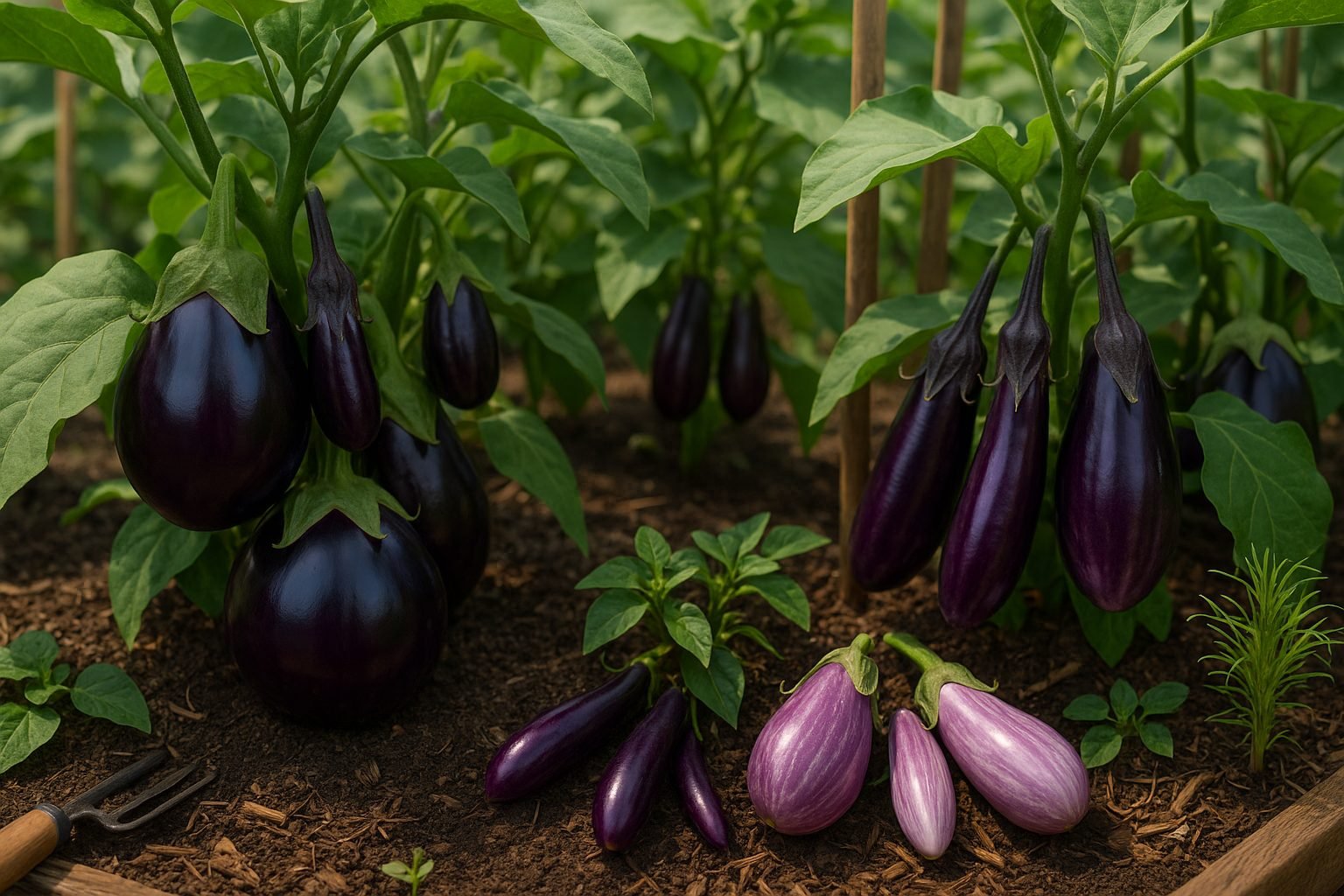
Do eggplants regrow after harvest? If you’re venturing into eggplant gardening, this question is probably at the top of your mind. Eggplants, with their glossy purple skins and rich, savory flavor, are a staple in cuisines ranging from Mediterranean to Asian kitchens. Their ability to shine in everything from a rustic ratatouille to smoky baba ghanoush explains why they’re such a popular choice for home gardeners.
Growing eggplants isn’t just about enjoying fresh, delicious vegetables—it’s also deeply satisfying to see your garden flourish with such a striking, productive plant. Eggplants provide abundant rewards for those who care for them well. For best results, these nightshades crave plenty of full sun—at least six hours daily—plus consistently warm temperatures and room to spread out. Good airflow and rich, well-draining soil help keep the plants vigorous and fruiting all season long.
Whether you’re a beginner or have a season or two under your belt, eggplant is a fantastic crop to help build your gardening skills. You’ll learn about pruning, staking, and the importance of feeding your soil—not just your plants. Most importantly, you’ll get to savor the tangible results of your efforts, whether you tuck those creamy, homegrown slices into a summer lasagna or toss them on the grill simply dressed with olive oil and salt.
In this post, we’ll explore whether eggplants regrow after harvest and share practical, experience-based guidance to help you succeed—right from your first planting.
Essential Eggplant Varieties and Their Characteristics
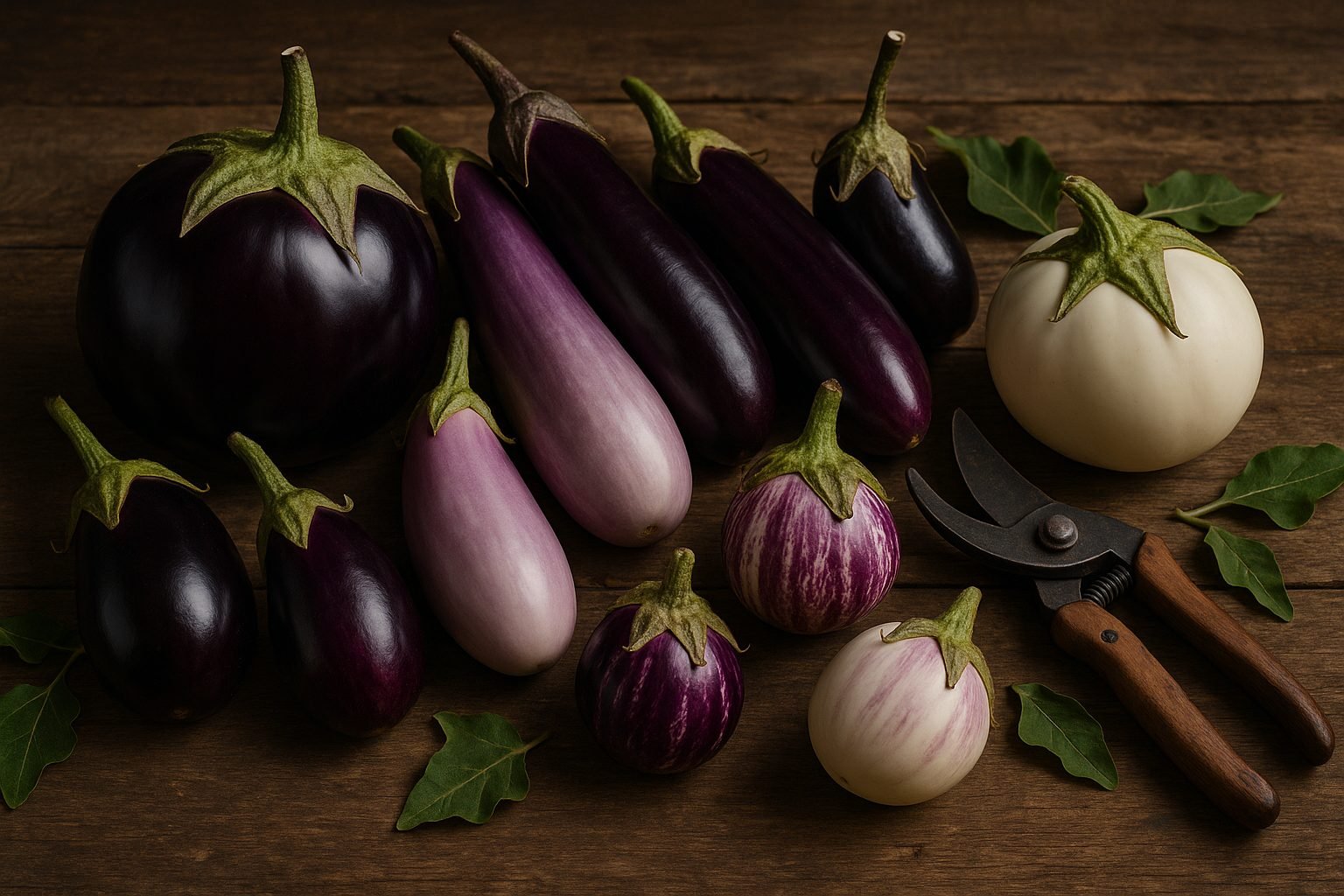
When choosing eggplants for your garden or kitchen, understanding the main varieties helps you get the best results. Globe eggplants, the classic supermarket choice, are large and bulbous with deep purple, glossy skin and a mildly bitter flavor that turns creamy when cooked—perfect for grilling or baking.
Japanese eggplants are longer and thinner, often with dark purple or sometimes even white skins. They mature faster than globe types and have tender, sweet flesh, making them excellent for stir-frying or sautéing. Similarly, Chinese eggplants are slender but usually lighter in color—ranging from vivid lavender to pale violet—and have even fewer seeds for a melt-in-your-mouth texture.
Italian eggplants resemble globes but are generally smaller, rounder, and carry a sweeter, more delicate flavor profile—a versatile choice for classic dishes like eggplant parmesan. Heirloom varieties come in a wide array of colors, from white and green to striped or marbled, and offer unique tastes and shapes; ‘Rosa Bianca’ and ‘Fairy Tale’ are notable examples beloved by chefs for their tender texture and nuanced flavors.
When selecting which eggplant to grow, consider your available space and local climate. Compact varieties like ‘Fairy Tale’ or Japanese types are great for containers or small gardens, while larger globe or Italian eggplants need more room to thrive. In cooler or short-season regions, opt for early-maturing varieties like Chinese or Japanese, as these set fruit faster. For hot, extended summers, try globes or heirlooms that need more time in the sun.
Finally, match your eggplant choice to your favorite recipes: globe and Italian are ideal for hearty dishes and baking, whereas Asian varieties excel in quick sautés and grilled preparations. To maximize your harvest, mix and match several types—adding both visual interest to your garden and more options to your culinary repertoire.
Preparing for Planting
Before you start planting, setting the stage with the right soil and containers—and understanding your climate—makes all the difference. Aim for well-draining, fertile soil rich in organic matter; this supports strong root growth and helps retain moisture without becoming soggy. Mixing in compost or well-rotted manure improves both texture and nutrient content, especially if your garden soil is heavy clay or too sandy.
If you’re planting in garden beds, loosen the top 8–12 inches and amend as needed to achieve a crumbly, loamy texture that lets water drain easily but still holds onto nutrients. Alternatively, container growing is a great option for limited space, poor native soil, or mobility needs. For most vegetables or flowering plants, choose pots at least 12–18 inches wide and deep; this gives roots plenty of room and prevents plants from drying out too quickly. Use a high-quality potting mix designed for containers, which usually includes peat, perlite, and compost for optimal drainage and aeration.
Beyond soil and pots, climate is a key factor in your planting success. Take note of your region’s average last frost date—planting too early, especially with frost-sensitive crops like tomatoes, can set you back or even kill young plants. If you’re not sure, local agricultural extension offices or online planting calendars can help you time things just right.
Many vegetables and annuals thrive in full sun, meaning six or more hours of direct sunlight daily, so assess your space at different times of day before planting. In hotter climates, some afternoon shade can protect tender plants from scorching, while those in cooler regions may want to maximize sun exposure to encourage robust growth.
By tailoring your soil preparation, container choices, and planting schedule to your local conditions, you set yourself up for a thriving, productive garden—whether you’re working with sprawling garden beds or compact pots on a balcony.
Growing Eggplant from Seeds and Transplants
Starting eggplant from seeds indoors is a rewarding way to ensure healthy, vigorous plants for your garden. Begin by sowing seeds 8–10 weeks before your last expected frost date—eggplants need warmth to thrive, so timing is key. Fill seed trays or small pots with a quality seed-starting mix, and plant seeds about ¼ inch deep.
Use a heat mat to keep soil temperatures consistently between 75–85°F; this encourages quicker, more reliable germination. Keep the mix moist but not soggy, and place the trays in a spot with bright, indirect light or under grow lights for 14–16 hours daily.
Once seedlings have two sets of true leaves, thin them to the strongest plant per pot and gently brush your hand across the tops each day to help them grow stocky instead of leggy. About two weeks before the planting date—when night temperatures regularly stay above 55°F—begin hardening off your seedlings by giving them increasing exposure to outdoor conditions.
When transplanting, space plants 18–24 inches apart in a sunny, well-drained spot for optimal growth.
Using Nursery Transplants
Alternatively, you can buy eggplant starts from a nursery, which can save time and effort, especially if you have trouble with germination. Choose stocky, disease-free plants, and transplant them carefully, watering well to ease the transition.
Troubleshooting Seedling Issues
If your seeds aren’t sprouting, double-check that soil temperature is warm enough, avoid overwatering, and use fresh seed—old seeds may have low vigor. Weak seedlings often need more light: a bright window isn’t always enough, so consider using grow lights placed just above the plants.
Ensuring good air circulation and not crowding seedlings together can also prevent mildew and encourage strong stems.
Whether you start from seed or purchase transplants, giving eggplants a little extra care early on pays off with a bountiful harvest come summer.
Eggplant Care Through the Growing Season
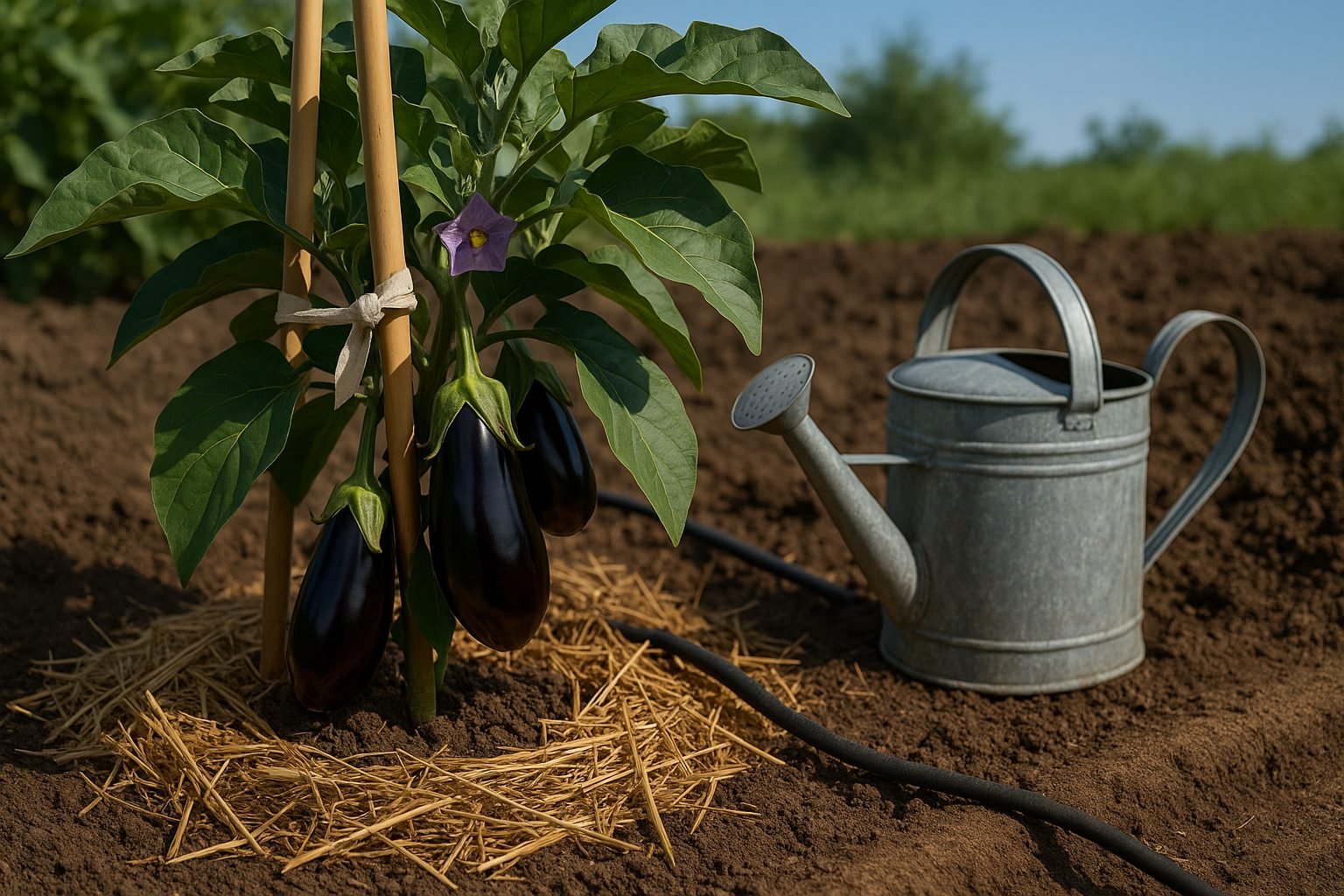
Caring for eggplants throughout the growing season means paying close attention to a few key areas: watering, fertilizing, pruning, supporting, and keeping the bed tidy.
First, eggplants need consistently moist soil, especially while they’re flowering and fruiting. Water deeply once or twice a week, delivering about one to two inches total, depending on rainfall. Avoid frequent, shallow watering as it can stress roots and stunt growth. Drip irrigation or soaker hoses work best because they deliver water right to the roots and keep leaves dry, reducing disease risk. One common pitfall is overwatering or letting the soil dry out completely between watering; either can cause blossom end rot or dropped flowers.
Next, eggplants are heavy feeders, so fertilize with a balanced fertilizer when planting, and again every three to four weeks during the season. A handful of compost or a diluted liquid fertilizer every month will give your plants an extra boost. However, beware of excessive nitrogen — it promotes lush leaves at the expense of fruit. Aim for a balanced mix or one with a little more phosphorus and potassium after flowering starts.
Pruning is essential for airflow and encouraging bigger, better fruit. When your plant is about 12 inches tall, pinch the main growing stem just above a node to encourage a bushy structure. Remove small, lower branches or any that look weak, and continue trimming crowded stems and yellowing leaves as the plant matures.
As eggplants set fruit, staking becomes a must; their branches are brittle and can break under the weight of heavy fruit. Use bamboo stakes or cages, tying stems loosely with soft cloth or garden twine so the plant stands upright without damage.
Keeping the area weed-free not only helps your eggplant get more nutrients but also improves airflow, which is critical for preventing fungal diseases like powdery mildew or blight. Mulch around the plants with straw, wood chips, or compost to suppress weeds and keep soil moisture steady.
Always aim for good spacing — about 24 inches between plants — to allow air to move freely and keep leaves dry. A regular check for weeds, prompt removal of any fallen leaves or debris, and good garden hygiene will go a long way toward keeping your eggplant patch healthy and productive all season long.
Preventing and Managing Eggplant Pests & Diseases
Eggplants are hardy additions to the garden, but they’re often targeted by pests like flea beetles, aphids, and spider mites. Flea beetles create tiny holes in leaves, making them look like they’ve been peppered with buckshot, while aphids cluster in groups on stems and undersides of leaves, causing yellowing or curled foliage. Spider mites leave behind yellow specks and fine webs, especially in dry weather.
To manage these pests, regularly inspect plants and use floating row covers early in the season as a barrier. Introduce beneficial insects such as ladybugs for aphids or use insecticidal soap and neem oil, which are effective organic options for all three pests. In severe cases, carefully apply a recommended chemical insecticide, following label instructions and targeting only infested areas.
Common Eggplant Diseases
Diseases also threaten eggplant health, with blight, wilt, and powdery mildew being the most common culprits. Blight appears as dark spots on leaves and fruit, while wilt causes plants to droop despite adequate watering. Powdery mildew leaves a white, flour-like coating on the leaves.
Prevent these diseases by spacing plants to ensure good airflow and watering at the base to keep leaves dry. Remove and destroy any infected leaves or fruits promptly to avoid spreading disease. Copper-based fungicides can help manage blight and mildew when used early, and for chemical solutions, look for fungicides labeled specifically for eggplants. Rotate fungicide use to prevent resistance.
Maintaining Overall Eggplant Health
Beyond specific treatments, maintaining overall eggplant health is key. Practice crop rotation—avoid planting eggplants or other nightshades (like tomatoes or peppers) in the same spot more than once every three years to disrupt pest and disease cycles. Always clear away plant debris at season’s end and remove weeds that can harbor insects. Mulch around eggplants to retain moisture and prevent soil-borne pathogens from splashing onto leaves.
By combining vigilant monitoring, organic and chemical tools, and solid garden practices like rotation and sanitation, you can greatly reduce pest and disease problems, leading to healthier and more productive eggplant crops.
Harvesting and Troubleshooting
Knowing exactly when your homegrown fruits are ripe is the key to a rewarding harvest, and a few visual and tactile clues will point the way. Ready-to-pick fruits typically show vibrant, full color free from green patches—think deep red tomatoes, glossy purple eggplants, or bright yellow summer squash.
Most ripe fruits will feel slightly firm but yield to gentle pressure, while their size should be appropriate for the variety you’re growing (often indicated on the seed packet or plant tag). To avoid damaging your plant during harvest, use sharp, clean scissors or pruning shears to snip fruits from their stems, leaving a small piece of stem attached; yanking or twisting can damage both the fruit and the plant.
If your plant is loaded with flowers but not setting fruit, it could be due to poor pollination—try gently shaking branches to help pollen transfer, or plant pollinator-friendly flowers nearby. Lack of flowering or deformed fruits can also stem from nutrient imbalances, so feed with a balanced fertilizer and make sure your plants get enough sunlight.
A common issue like blossom end rot, especially in tomatoes or peppers, usually points to inconsistent watering and calcium deficiencies—apply mulch to retain moisture and use a fertilizer with added calcium if needed.
After harvest, store most fruits like tomatoes and peppers at room temperature for up to a week, while berries and eggplants do better in the fridge’s crisper drawer.
If you have a bumper crop, get creative with quick-use recipes:
- Toss chopped vegetables into stir-fries
- Make fresh salsas
- Freeze diced fruit for smoothies
Proper care from flower to fruit will ensure tasty results worth all the effort.
Overwintering and Propagating Eggplant (Optional)
If you garden in a mild climate where winter temperatures rarely drop below freezing, overwintering eggplant plants outdoors is a great way to get a head start on the next season. Simply cut back the stems, mulch heavily around the roots, and protect the base with straw or frost cloth to shield them from the coldest nights.
For gardeners in harsher regions, bring eggplants indoors before frost hits. Dig up the plant, trim it back, and pot it in fresh soil. Place it in a sunny window or under grow lights, and water sparingly to keep it alive until spring.
While most people start new eggplants from seed each year, propagation by cuttings is also an option. Take healthy, non-flowering shoots about 4–6 inches long, remove the lower leaves, and place the cuttings in water or moist potting mix until roots develop. Then plant them out when conditions improve.
Whether you treat eggplant as an annual or perennial depends on your climate. In most cold areas, it’s best grown as an annual, but in frost-free zones, you can keep the same plant alive for several seasons. Either way, these strategies can extend your harvests and save time come spring.
Eggplant Growing FAQ
Eggplant growers often wonder how to get the best harvest. One common question is about companion planting—eggplants thrive when planted near beans, peas, or marigolds, which help deter pests and attract beneficial insects. Avoid pairing them with fennel, as it can hinder their growth.
Another concern is late blooming; if your eggplants are slow to flower, try increasing sunlight exposure and checking for overcrowding—these plants need warmth and space. Feeding them with a balanced fertilizer can also encourage blooming.
If your eggplants produce small fruit, ensure consistent watering and check for drought stress or nutrient deficiencies. Adding compost or organic matter improves both soil fertility and moisture retention.
A common myth is that eggplants don’t need staking, but providing support helps prevent disease by keeping leaves off damp soil and protects heavy fruits from snapping branches.
Finally, don’t worry if your eggplants look odd—lumpy or curved shapes are usually harmless and still taste delicious. With a few simple adjustments, most eggplant problems can be solved quickly, leading to healthier plants and better yields.