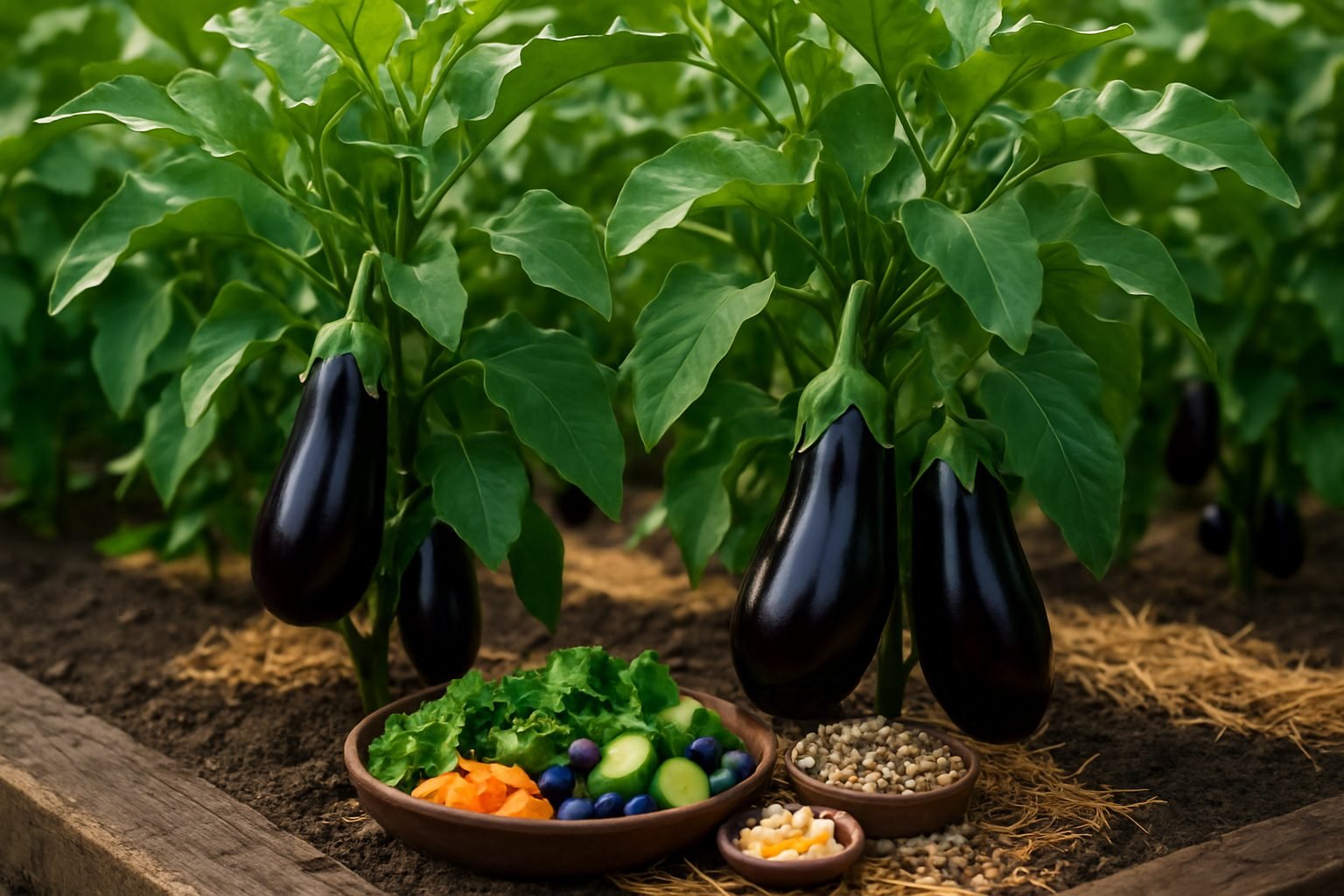
Quick Guide to Growing Eggplant
If you’ve ever wondered how to grow eggplant, you’re in for a treat—these glossy purple beauties are some of the most rewarding crops for home gardeners. Not only do eggplants bring a rich, meaty flavor to dishes like ratatouille, stir-fries, and grilled veggie platters, but they’re also packed with fiber, antioxidants, and vitamins. Plus, their striking color makes them a standout feature in any vegetable patch.
Growing eggplants is relatively simple if you understand their unique habits: they’re warm-weather plants that flourish when temperatures are just right and conditions mimic their Mediterranean origins. Eggplants love consistent heat, thriving in daytime temperatures between 70°F and 85°F, and struggling if things get too chilly—think frost-free!
Pick a spot in your garden that gets at least 6 to 8 hours of direct sunlight daily; more sun means more fruit. For optimal growth, plant them in rich, well-draining soil amended with plenty of compost or aged manure. Keeping your garden soil slightly acidic to neutral (pH 6.0 to 6.5) helps too.
Eggplants have deep, spreading roots and upright stems, so space them about two feet apart to allow good air circulation and prevent disease. Mulch can help lock in moisture and keep weeds at bay—a real time-saver.
Whether you’re a seasoned gardener or just starting out, learning how to grow eggplant opens up a world of culinary opportunity and garden satisfaction, right from your backyard.
Choosing the Right Variety and Starting Seeds
When it comes to growing eggplants, picking the right variety can make a big difference in your harvest. Classic types like ‘Black Beauty’ and ‘Classic’ are known for their large, glossy fruit and do well in most temperate gardens. If you’re gardening in a cooler region or have less space, try ‘Hansel’ or ‘Fairy Tale’—these compact, early producers thrive in containers and mature quickly.
For those seeking unique flavors and vibrant colors, Asian eggplants like ‘Ping Tung Long’ and ‘Ichiban’ are prized for their slender shape, tender skin, and mild taste. Consider your local climate: longer-fruiting varieties are best for warm areas with extended summers, while early or dwarf varieties often succeed where summers are short or unpredictable.
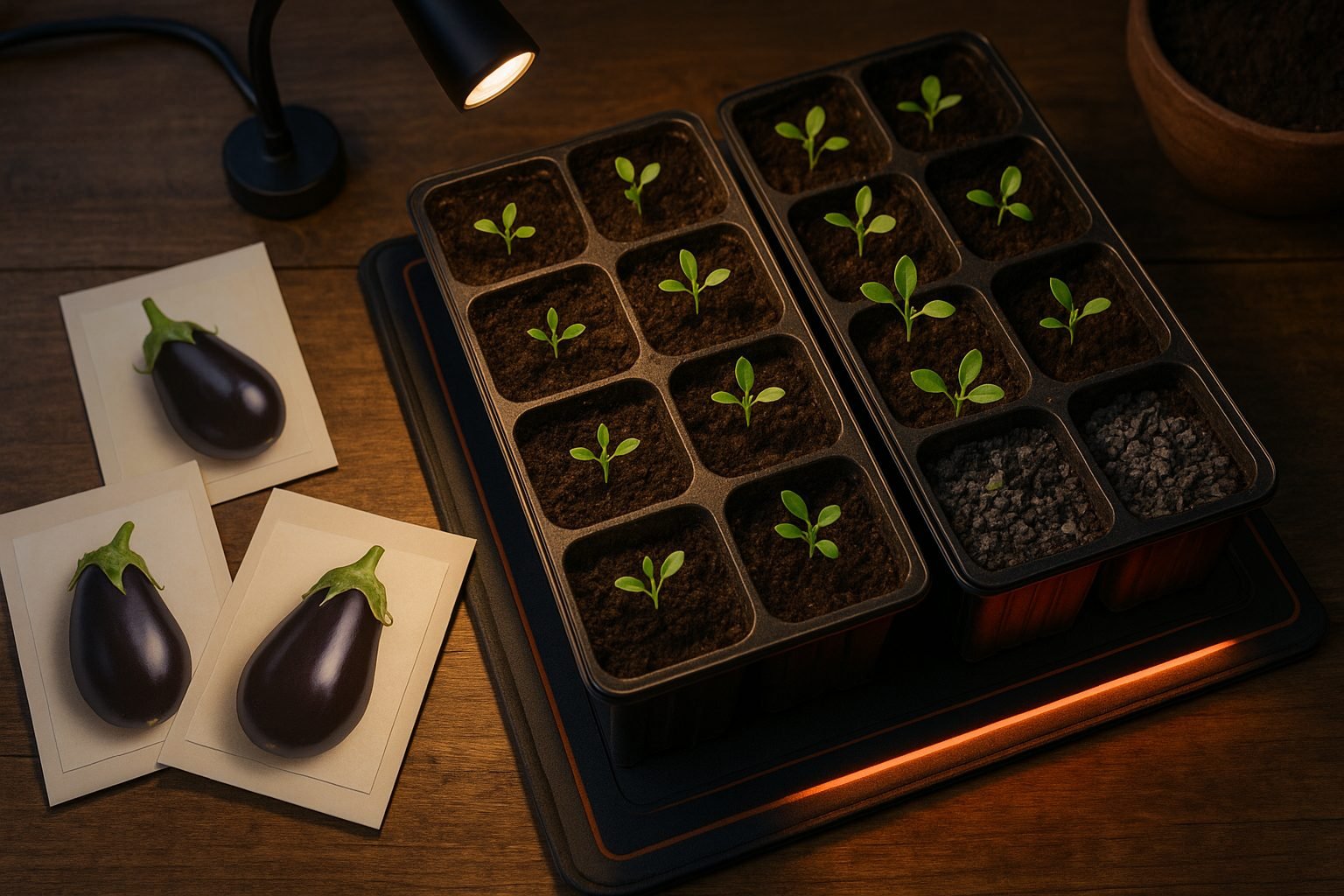
Starting eggplant from seed indoors gives you a head start and more choice, but it can be tricky due to their need for warmth. If you’re pressed for time or new to starting seeds, nursery transplants are an easy shortcut, though selection may be limited.
For best results when seed starting, sow seeds inside about 8-10 weeks before your last frost date. Use a heat mat to keep soil around 80°F (27°C)—eggplants love warmth! Provide strong grow lights or a sunny window for at least 14-16 hours per day to prevent spindly seedlings. Transplant outside only once nights stay above 55°F (13°C) to ensure healthy, thriving plants.
With the right variety and start, your eggplant crop will be off to a strong and satisfying beginning.
Preparing Soil, Planting, and Early Care
Getting your soil right is the key to strong, healthy eggplants. They thrive in rich, well-drained soil with a pH between 6.2 and 6.8, so start by testing and amending your soil if needed. Mix in plenty of compost or well-rotted manure before planting to boost fertility, and make sure heavy clay or compacted soils are loosened—eggplants dislike soggy roots and poor drainage.
For in-ground planting, wait until all danger of frost has passed and the soil temperature is consistently above 60°F (16°C). If you’re using containers, choose a pot at least 12–14 inches wide and deep, filled with high-quality potting mix. Space your transplants 18–24 inches apart, setting them at the same depth they grew in their seed trays to avoid stem rot.
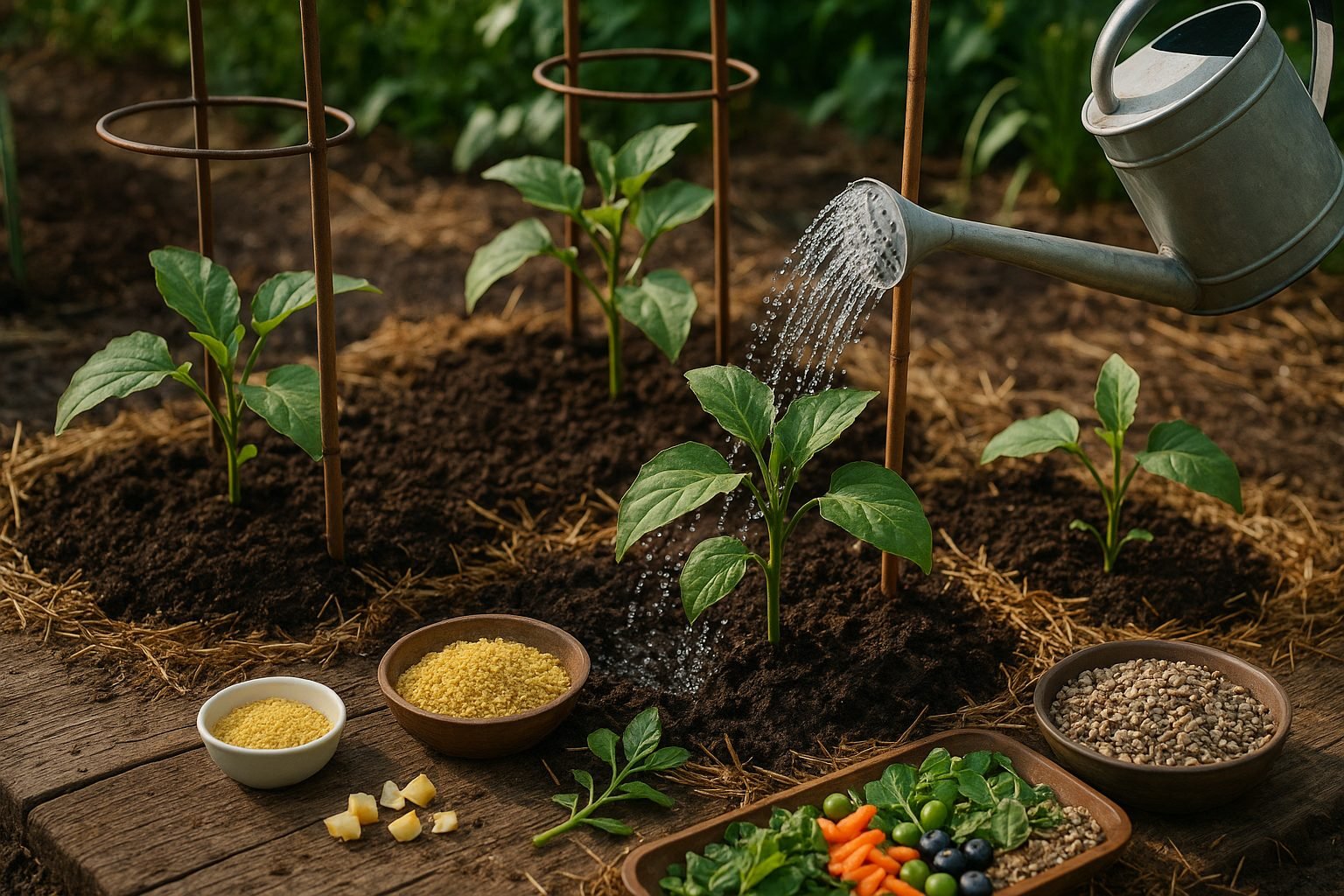
Water thoroughly after planting to settle the soil, then mulch with straw or shredded leaves to keep the soil warm, moist, and to suppress weeds. During the first few weeks, water deeply once or twice a week, aiming for consistently damp but not waterlogged soil—a soaker hose or drip irrigation makes this easy.
Eggplants can grow large and heavy, so consider staking young plants or using tomato cages soon after planting to prevent them from flopping over as they mature. Regularly check for pests and remove any weeds by hand to reduce competition. Watch your healthy, well-cared-for eggplants thrive throughout the season.
Growing Healthy Eggplants: Ongoing Care
Regular, consistent watering is essential for healthy eggplants, as irregular moisture can lead to poor fruit development or blossom end rot. Aim to provide about 1 to 1.5 inches of water per week, either through rainfall or supplemental watering, and try to water in the early morning to reduce evaporation.
A soaker hose or drip irrigation system works best, delivering moisture directly to the soil and reducing the risk of diseases that thrive on wet foliage. To keep the soil evenly moist and cool, mulch with straw, shredded leaves, or compost—this also helps suppress weeds.
Fertilizing is another key step; eggplants are heavy feeders. Use a balanced fertilizer or enrich the soil every three to four weeks with compost tea, aged manure, or fish emulsion for an organic boost. Side-dress plants with compost mid-season to keep them thriving.
Staking your eggplants with bamboo stakes, tomato cages, or garden twine supports the tall stems and heavy fruit, preventing breakage and encouraging air flow. Regularly prune any damaged, diseased, or crowded branches to help focus the plant’s energy on producing healthy fruit—just be careful not to over-prune, as the foliage provides important shade and protection.
Finally, keep an eye on the weather: eggplants prefer warm conditions and can suffer if exposed to sudden cold. Shield young plants from chilly nights with row covers or cloches, and move container-grown eggplants indoors if frost threatens.
With attentive water management, nourishing soil, thoughtful support, and protection from temperature swings, you’ll set the stage for a productive, healthy eggplant crop all season long.
Dealing with Common Problems: Pests and Diseases
Eggplants are delicious and rewarding to grow, but they do come with their share of challenges—pests like flea beetles are a top culprit. These tiny black insects chew round holes in leaves, stunting young plants. To deter flea beetles, try using floating row covers early in the season or planting trap crops like radishes nearby to lure them away. Regularly inspect the undersides of leaves for eggs and larvae as well.
Another common pest is the spider mite, which creates webbing and causes stippled yellow leaves. Spraying plants with a strong jet of water and encouraging natural predators like ladybugs can help keep mites in check.
When it comes to diseases, watch out for verticillium wilt, which causes yellowing and wilting leaves, and powdery mildew—white, powdery spots on leaves and stems. Good airflow, crop rotation, and avoiding overhead watering go a long way in preventing these issues. Prune lower leaves to keep plants dry and remove any diseased material promptly.
Integrated Pest Management (IPM) combines all these tactics: use healthy transplants, keep your beds weed-free, handpick pests when possible, and rotate crops each year. For organic control, neem oil sprays are effective against many pests and safe when used as directed.
Healthy, well-spaced plants tend to resist issues better, so stay proactive with observation and early intervention to keep your eggplants thriving all season.
Harvesting, Storage, and Use
Eggplants are best harvested when their skin is smooth, glossy, and fully colored, usually at about two-thirds of their mature size. To check for ripeness, gently press the skin with your thumb; if it springs back, the eggplant is ready to pick. Dull, wrinkled, or hard fruits may be overripe or underripe, so try to harvest in the cool morning hours for peak freshness.
Use sharp garden shears or a knife to cut the stem, leaving a small portion attached to prevent tearing the plant. Once inside, store unwashed eggplants in a paper bag or a perforated plastic bag in the refrigerator crisper drawer, where they’ll last up to a week. Avoid keeping them near ethylene-producing fruits like apples or tomatoes to prevent rapid spoilage.
For longer storage, slice and blanch eggplant pieces, then freeze them for use in soups or casseroles. When it’s time to enjoy your harvest, eggplants can shine in a quick stovetop sauté, roasted for a smoky baba ganoush, or even grilled for a healthy sandwich filling.
If you have a surplus, try pickling slices with garlic and herbs or making a big batch of ratatouille to freeze for winter meals. By picking at the right time and storing carefully, your homegrown eggplants can deliver rich, fresh flavor in everything from weeknight meals to homemade preserves.