Introduction
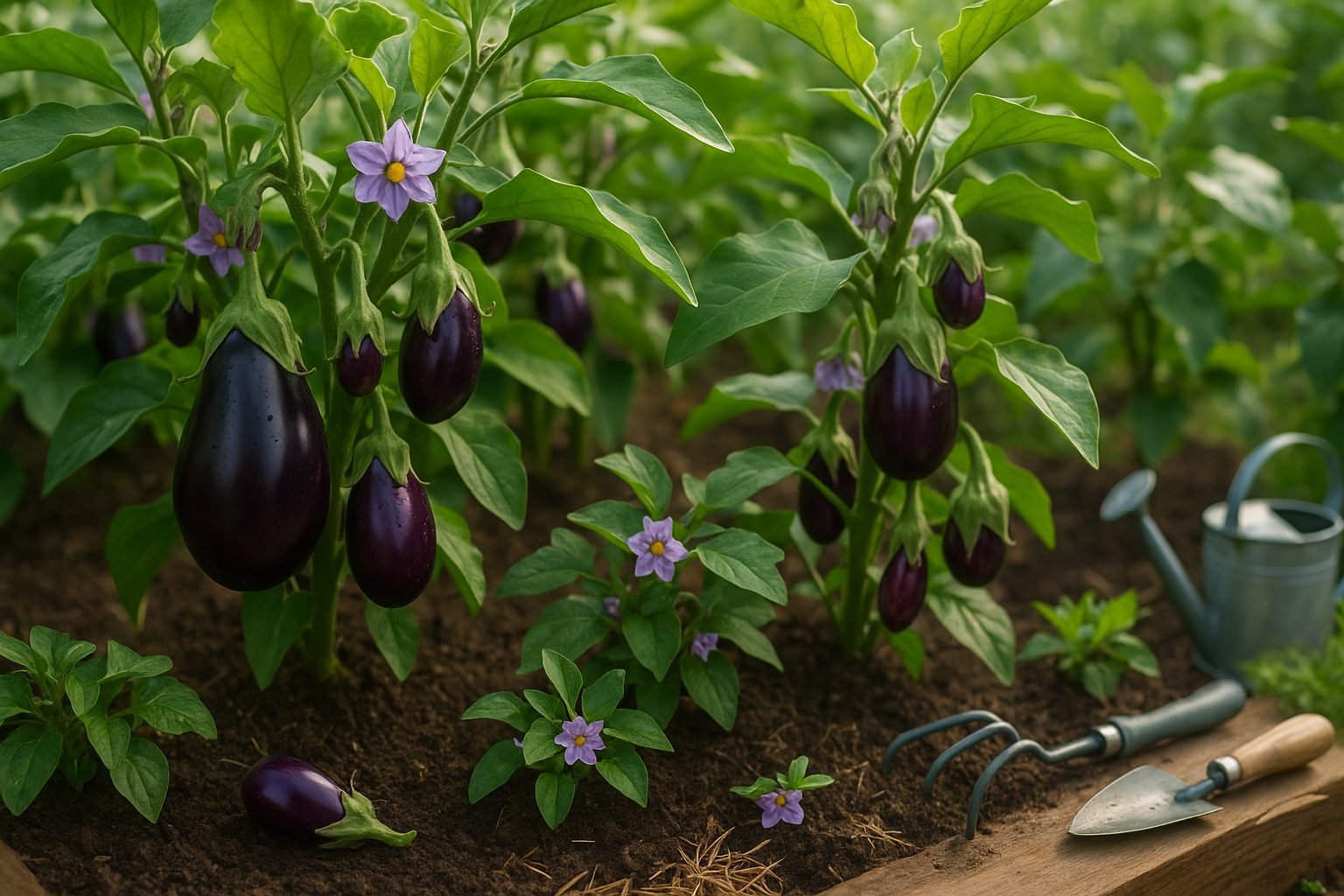
eggplant flower drop is a frustration most home gardeners encounter at some point, leaving you puzzled when healthy-looking blossoms suddenly fall off before setting fruit. This common problem can keep your harvest disappointingly low if not addressed. In this article, we’ll explore the reasons behind eggplant flowers falling off, from environmental stress to pollination issues, so you can pinpoint what’s happening in your garden. You’ll get straightforward, proven tips to help your eggplants keep their blossoms—and develop into delicious vegetables. With the right know-how, you can turn flower drop into a rare exception instead of the norm.
Understanding Normal vs. Problematic Flower Drop
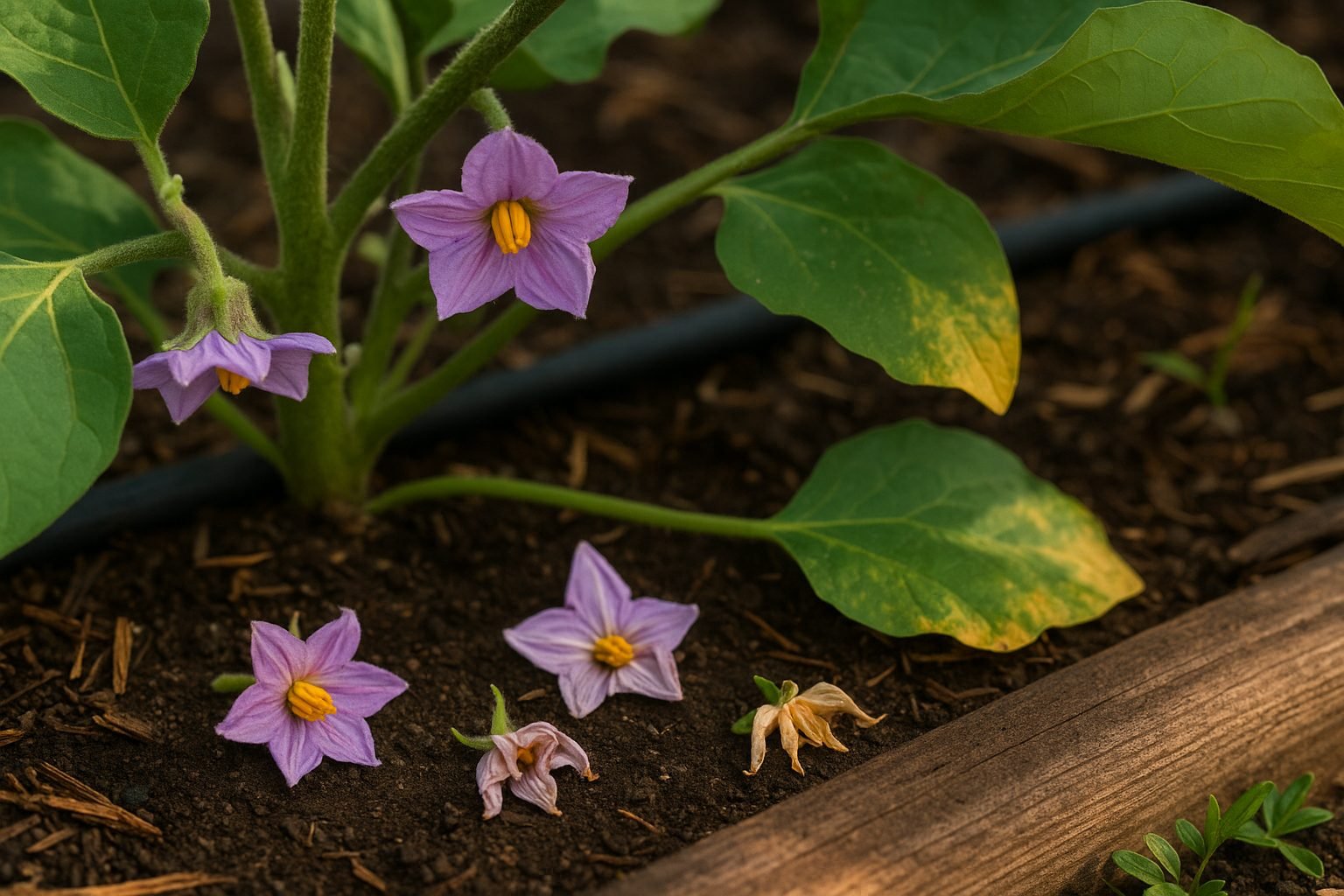
It’s normal for eggplant plants to shed some flowers, so don’t panic if you notice a few blooms falling. This is part of the plant’s natural cycle—eggplants can’t support every flower, so they let some go while channeling energy into developing robust fruits.
However, if you notice most or all flowers dropping without setting fruit, it’s a sign something is wrong. Healthy eggplants should consistently set shiny purple fruits after blossoming; persistent flower loss, yellowing leaves, or wilting are red flags.
The biggest culprits for abnormal flower drop are environmental stresses like extreme heat, cold nights, or inconsistent watering—eggplants are especially sensitive to temperature swings and drought. Poor pollination is another issue, especially if you’re growing indoors or there’s a lack of bees in your garden.
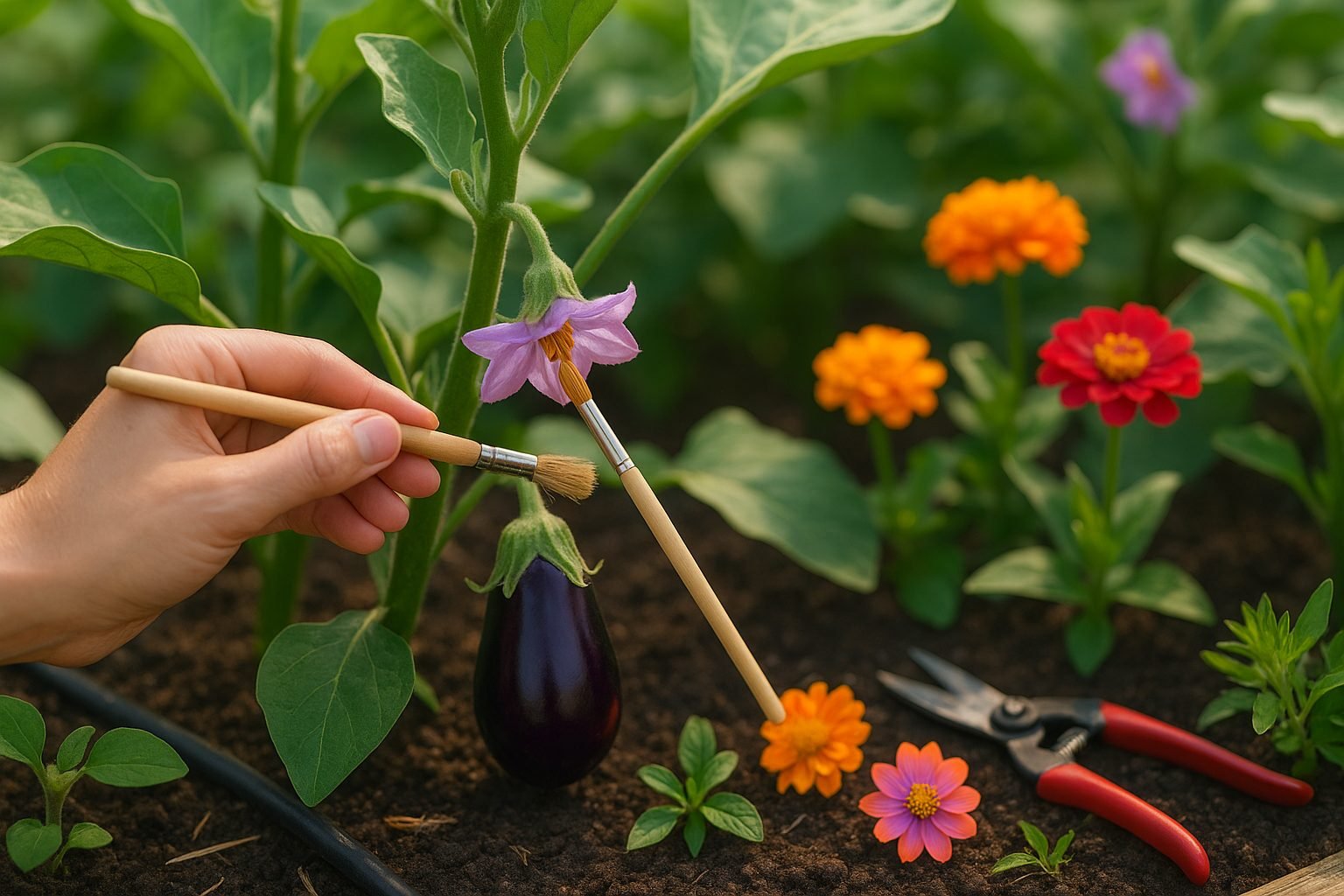
To help flowers stick around, keep soil evenly moist (but not soggy), mulch to regulate temperatures, and avoid heavy use of high-nitrogen fertilizers. If pollination seems low, try gently shaking the plants or use a small paintbrush to transfer pollen between flowers.
By addressing these factors, you’ll help minimize unnecessary flower drop and enjoy a more bountiful eggplant harvest.
Top Reasons Why Eggplant Flowers Fall Off
Eggplant flowers dropping before fruit sets can be frustrating, but understanding the main causes helps you take action fast. One major culprit is poor pollination. If you notice flowers with healthy green stems falling off without developing fruit, try encouraging pollinators by planting nearby blooms or gently shaking plants to release pollen.
Water stress is another factor: inconsistent watering or drought can cause wilted leaves and flower drop. Aim to keep the soil consistently moist but not soggy.
Improper fertilization also plays a role. Too much nitrogen produces lots of greenery but fewer fruits. If you see lush leaves but sparse flowering, switch to a balanced fertilizer.
Extreme temperatures—below 60°F or above 90°F—may cause flowers to fall while leaves look normal. This highlights the need for shading or row covers during heatwaves or cold snaps.
Pests and diseases, like aphids or blossom end rot, can stress flowers. Check for blackened stems, sticky residue, or spotting on petals as warning signs.
Soil issues also contribute: eggplants need slightly acidic to neutral soil (pH 6.0–6.8) and well-draining, fertile conditions. If growth is generally slow and leaves look pale or yellowish, test your soil’s fertility and pH to guide amendments.
By recognizing these symptoms—such as wilted leaves from dehydration, black stems from disease, or excessive leafy growth from too much nitrogen—you can more quickly pinpoint the cause and help your eggplants thrive.
Pollination Methods to Improve Fruit Set
Eggplants are mostly self-pollinating, meaning their flowers contain both male and female parts. Usually, subtle vibrations—like wind or visiting insects—shake the pollen loose within the flower, leading to fruit set. However, pollination can fail if the weather is too wet or humid, if flowers get too clustered, or if there are few insects around.
If you notice flowers dropping without forming fruit, try hand-pollinating: use a small brush or gently tap and shake the flower stem in the early morning when pollen is most active. Attracting natural pollinators like bees also boosts fruit set—planting bee-friendly flowers such as marigolds or zinnias nearby works well.
Pruning dense eggplant foliage opens up airflow and gives pollinators better access to the blooms. Proper plant placement is also key:
- Choose a spot with full morning sun to dry overnight dew quickly, helping flowers release pollen.
- Keep plants spaced well apart to avoid overcrowding.
By staying attentive to these details, you’ll encourage healthier pollination and a bigger harvest.
Optimizing Care for Healthy, Productive Plants
For thriving, productive plants, start by mastering water management—aim for consistent moisture without waterlogging the soil or letting it dry out completely. Check soil dampness by poking a finger in; if it feels dry an inch down, it’s time to water.
Before planting, invest time in soil prep: test the pH to ensure it’s optimal for your specific plant (most prefer 6.0–7.0), and mix in organic matter like compost to boost nutrients and improve structure.
A balanced fertilizer applied in early growth stages, then again just before flowering, provides key nutrients and can minimize issues like premature flower drop—avoid over-fertilizing, as too much nitrogen may harm blooms.
Don’t overlook plant spacing; cramped conditions block airflow, leading to disease, while generous spacing reduces competition and lets sunlight reach every leaf.
Sun exposure matters too: most edibles and flowers thrive with six or more hours daily, so site them carefully.
Finally, protect young plants from harsh winds using strategic planting near structures, temporary windbreaks, or larger companion plants.
These steps make a big difference, giving your garden the foundation it needs for strong, beautiful, and productive growth season after season.
Managing Pests, Diseases, and Environmental Stresses
Common pests like aphids, flea beetles, and spider mites can quickly damage flowers, while fungal issues such as powdery mildew and botrytis often cause flower loss. To stay ahead of these problems, regularly inspect your plants for signs like chewed leaves, sticky residue, or fuzzy patches on petals.
Handpicking pests, using insecticidal soap, or releasing beneficial insects like ladybugs are safe and effective ways to manage small infestations. To prevent fungal diseases, water at the base of plants in the morning, ensure good airflow by spacing plants properly, and promptly remove any affected leaves. If you notice mildew or mold early on, applying an organic fungicide or a homemade baking soda and water solution can help minimize the spread.
Besides pests and diseases, environmental stresses—such as intense sun, heatwaves, or strong winds—can cause flowers to drop prematurely. Using shade cloth during the hottest hours, mulching to retain soil moisture, and watering deeply will support plants through tough conditions.
Remember, a mix of proactive care and gentle intervention will keep your flowers strong and resilient, reducing the risk of major losses and helping your garden thrive.
Simple Troubleshooting Checklist
If you notice your plants dropping flowers, don’t panic—this is often a normal part of their life cycle and can usually be fixed. Start by checking if your plants are getting too much or too little water.
Next, assess sunlight—most flowering plants need at least 6 hours of light daily.
Look for signs of pests or disease on leaves and stems, and gently shake your plant to see if airflow might be an issue.
Make sure you’re not over-fertilizing, as this can stress plants.
Track changes and results in a garden journal so you can spot patterns and see what helps over time.
Conclusion
In summary, we’ve covered practical strategies to help you tackle common challenges and achieve better results, from streamlining your routine to embracing new tools. Remember, the best way to see improvements is to put these tips into action and find what works for you. Every journey is unique, so don’t hesitate to adapt these suggestions to fit your needs.
If you have any questions or want to share your own experiences, join the conversation in the comments—your insights could inspire someone else on a similar path!