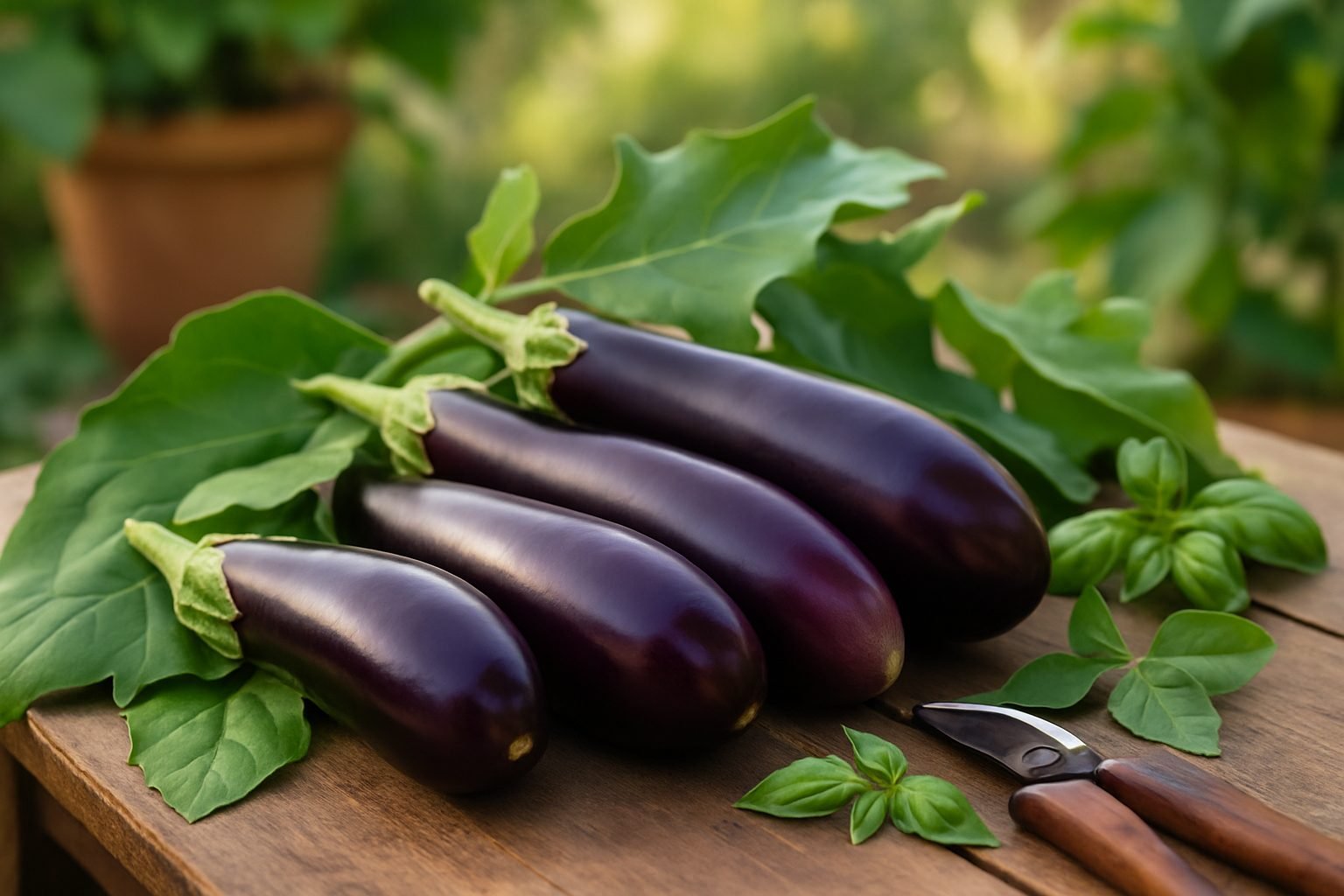
Introduction to Italian Long Purple Eggplant
The long purple eggplant is a staple in Italian gardens and kitchens, instantly recognizable by its slender shape and glossy, deep purple skin. Known officially as the Italian Long Purple Eggplant, this variety originates from Italy, where it’s cherished in classic dishes like caponata, parmigiana, and grilled antipasto platters.
Unlike rounder varieties, the Italian Long Purple boasts a tender texture and a subtly sweet, less bitter flavor, making it a favorite for roasting, frying, and baking. Its reliable productivity and compact size have made it especially popular among home gardeners who enjoy growing their own flavorful vegetables—even in small spaces or containers.
Whether you’re a culinary enthusiast eager to savor authentic Italian flavors or a new gardener looking for a rewarding crop, this article will guide you step-by-step through growing, caring for, and enjoying Italian Long Purple Eggplants right at home.
Key Characteristics of Italian Long Purple Eggplant
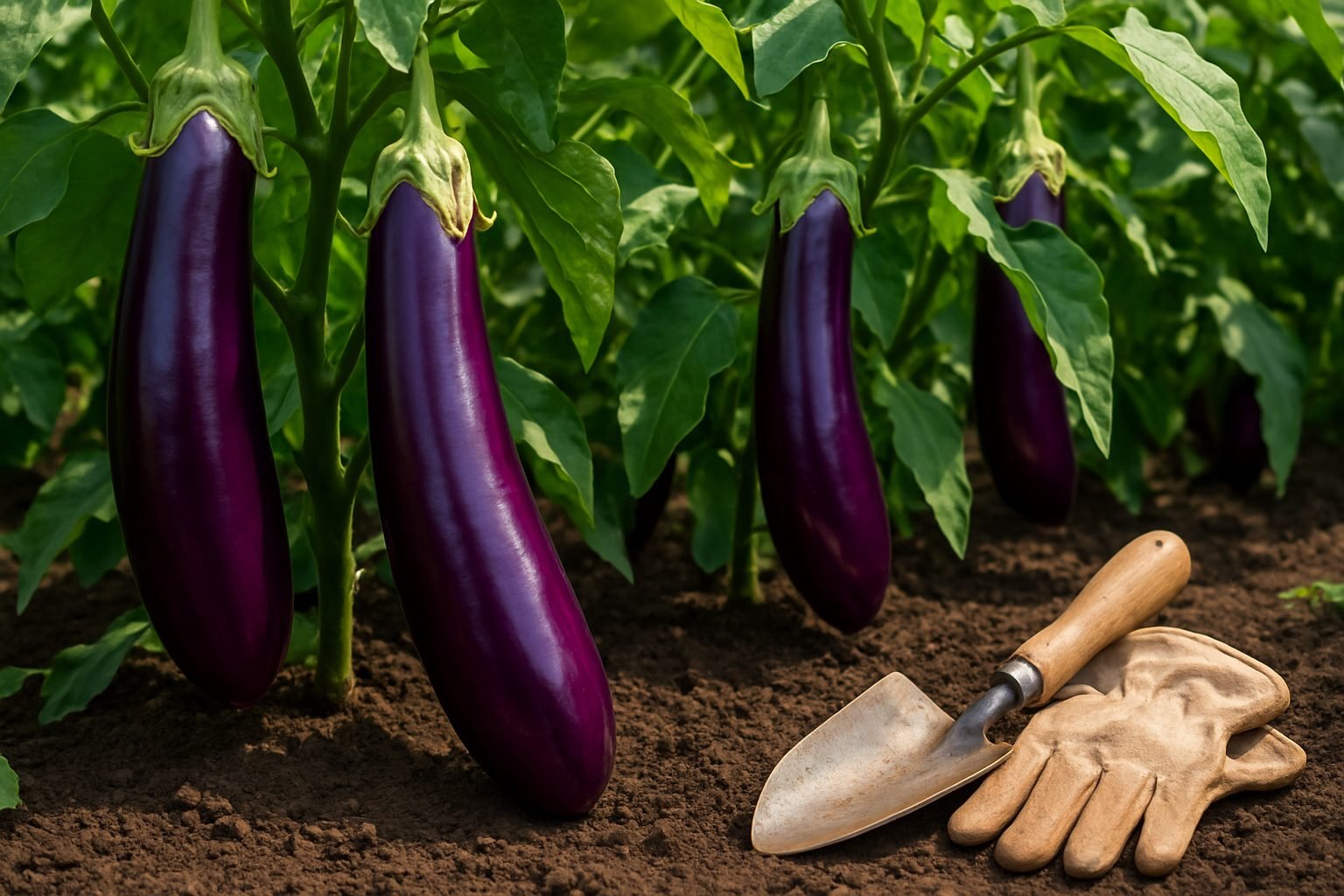
The Italian Long Purple eggplant is distinguished by its elegant, elongated shape, typically measuring between 8 to 10 inches long and about 2 inches in diameter. Its glossy, deep purple skin adds stunning visual appeal both in the garden and on the plate.
When sliced open, you’ll find minimal seeds and a firm yet creamy white flesh. This texture, combined with a mild and slightly sweet flavor, makes it a favorite for grilling, roasting, and classic dishes like eggplant Parmesan or caponata. The scarcity of seeds means less bitterness and a smoother taste, which is great for picky eaters or those new to eggplant.
Italian Long Purple matures in about 70 to 80 days and thrives best in warm, sunny climates with well-drained soil—making it an accessible choice for most home gardeners. Its attractive appearance and versatility in recipes, from stir-fries to Mediterranean spreads, make it a standout addition not only for culinary adventures but also for adding ornamental value to your vegetable beds.
Planting & Growing Instructions
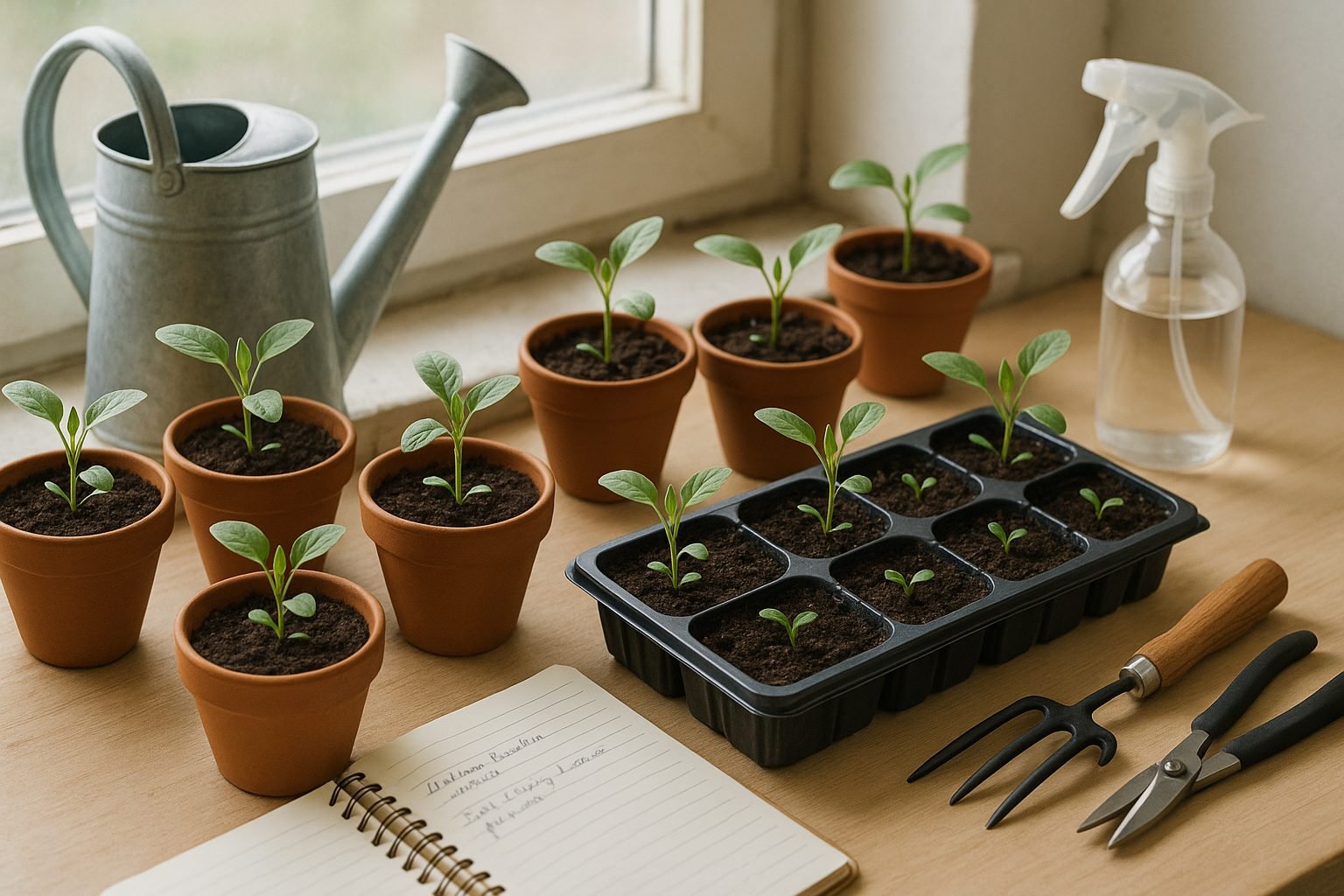
To get the best results from your garden, start seeds indoors about six to eight weeks before your area’s last expected frost date. Use seed trays or small pots filled with a well-drained, fertile seed-starting mix enriched with compost or other organic matter. Keep the soil moist but not soggy until seeds germinate, usually at temperatures between 65–75°F (18–24°C).
Once seedlings have two sets of true leaves, thin them so the strongest remain, and ensure they get at least six to eight hours of bright, direct sunlight daily—using a south-facing window or grow lights if needed. Gradually acclimate seedlings to outdoor conditions by hardening them off for a week before transplanting; this means exposing them to increasing amounts of outdoor light and temperature fluctuations.
Choose a sunny garden spot with loose, rich soil that drains well; amend heavy or sandy soils with compost and aged manure. Transplant seedlings on an overcast day to reduce stress, spacing most vegetables 12 to 24 inches apart, depending on their mature size (check your seed packet for specifics). Water consistently to keep the soil slightly moist but not waterlogged, and mulch around plants to maintain soil moisture and suppress weeds.
Feed with a balanced fertilizer every three to four weeks during active growth. For taller or vining vegetables, such as tomatoes or beans, provide stakes, cages, or trellises early to support healthy growth and keep fruits off the ground. Monitor temperatures and protect young plants from unexpected late frosts with row covers, cloches, or cold frames to extend the growing season and ensure more successful, robust growth.
Common Care Tips and Troubleshhooting
Keeping your garden healthy starts with vigilance and a few practical strategies. Pests like flea beetles can chew small holes in leaves, while diseases such as blight often show up as yellowing or browning patches.
Regularly inspect plant leaves—if you spot tiny black beetles or pinprick feeding marks, consider introducing organic deterrents like neem oil or spraying with insecticidal soap, both safe options for your vegetables and the environment.
Try companion planting; marigolds act as natural flea beetle repellents and can be grown alongside your main crops for additional protection.
Mulching around your plants with straw or shredded leaves helps keep the soil moist, suppresses weeds, and creates an environment unfavorable to pests and fungal growth.
Good plant care also means giving your vegetables space to breathe—use stakes to support taller varieties and prune overgrown foliage, which increases airflow and makes it harder for diseases to take hold.
Watch for early warning signs like wilting, spots, or sticky residue; catching problems early allows you to remove affected leaves or apply preventive treatments before infestations spread.
These straightforward steps set you up for a healthier, more resilient garden throughout the growing season.
Harvesting and Storing Your Long Purple Eggplant
Knowing when to harvest your long purple eggplants is key for the best flavor and texture. Look for fruits that have reached about 6 to 10 inches in length with rich, glossy purple skin—dullness or yellowing means they’re overripe. The ideal eggplant should also feel firm but not hard when you gently press it.
To pick your eggplant without damage, use sharp garden shears or a knife to cut the stem, leaving about an inch attached; yanking by hand can bruise the fruit or harm the plant. Handle harvested eggplants gently and avoid stacking them, as their thin skin bruises easily.
For short-term storage, keep eggplants in a cool, dry spot away from direct sunlight if you’ll use them within a day or two. For longer freshness, wrap them in paper towels and place them in the crisper drawer of your refrigerator, where they can last up to a week.
Culinary Uses and Recipe Ideas
Italian eggplants shine in a variety of classic dishes, making them a must-have for any home cook who loves Mediterranean flavors. Use this versatile vegetable in eggplant parmigiana by layering thin, salted slices with tangy tomato sauce and mozzarella, or whip up a Sicilian caponata by sautéing cubed eggplant with onions, celery, olives, and capers for a sweet-and-sour relish.
Grilled eggplant is another fan favorite—simply brush thick slices with olive oil and grill until tender for a smoky side dish. To keep eggplant’s texture silky and prevent bitterness, sprinkle slices with salt and let them sit for 20 minutes before rinsing and cooking; this draws out moisture and enhances flavor.
Roasting, frying, or even stuffing eggplant with a herby breadcrumb mixture are all easy ways to mix up your meals. For a quick weeknight dinner, try tossing cubes of roasted eggplant with pasta and fresh basil, or stuff halves with a savory tomato and cheese filling and bake until bubbly—simple, comforting, and totally delicious.
Final Thoughts & Growing Resources
Growing Italian Long Purple Eggplants brings the satisfaction of harvesting beautiful, flavorful veggies right from your garden, along with the joy of enhancing your homemade dishes. Whether you’re a beginner or have years of experience, the rewards—from glossy purple fruits to a healthy harvest—are well worth the effort.
If you’re looking for more tips, gardening handbooks, university extension offices, and reputable seed suppliers can all provide valuable guidance for your journey. Don’t hesitate to dig in; with a little care, anyone can succeed in growing this classic and delicious variety. Why not make your garden even more rewarding this season?