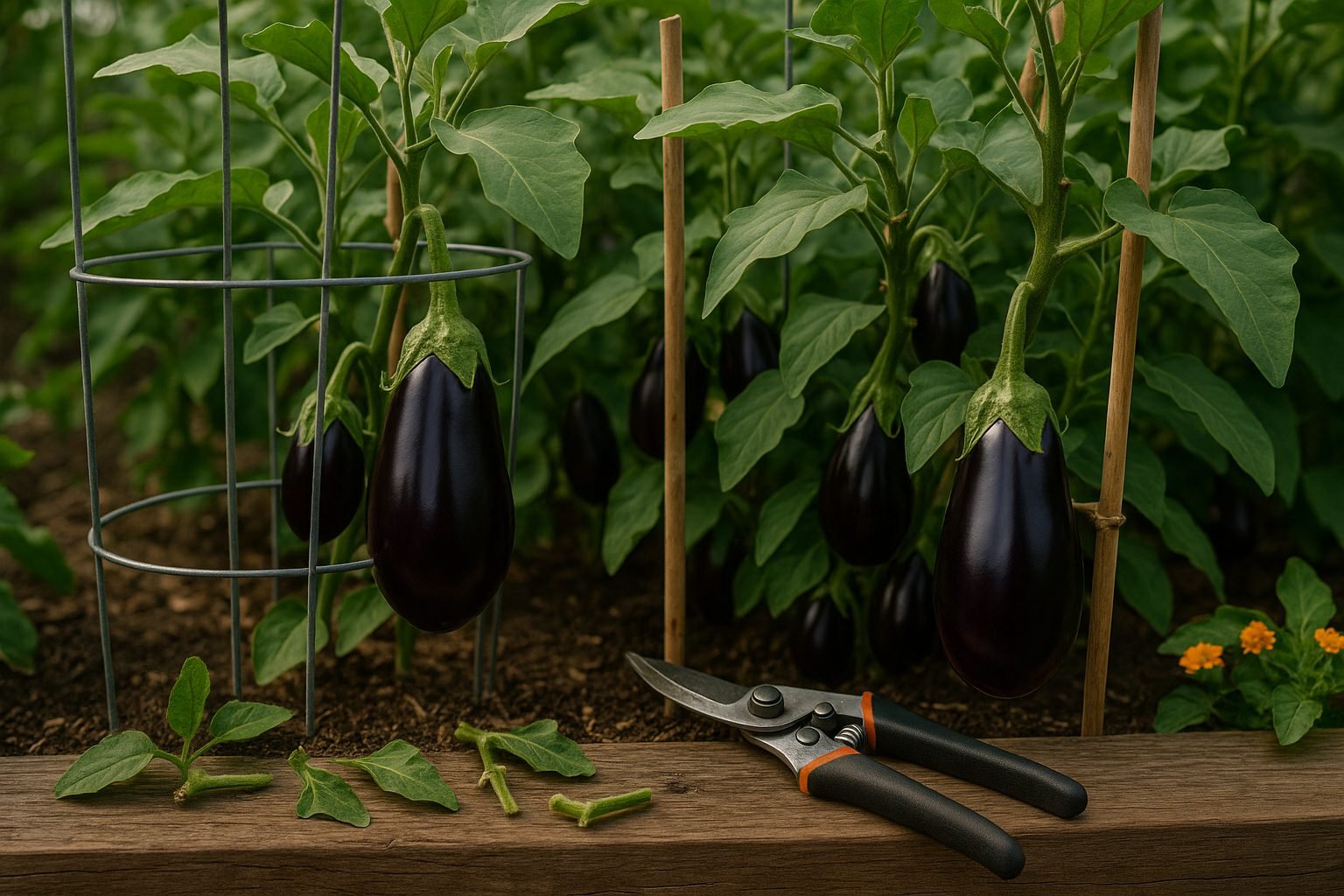
Why Eggplants Need Support
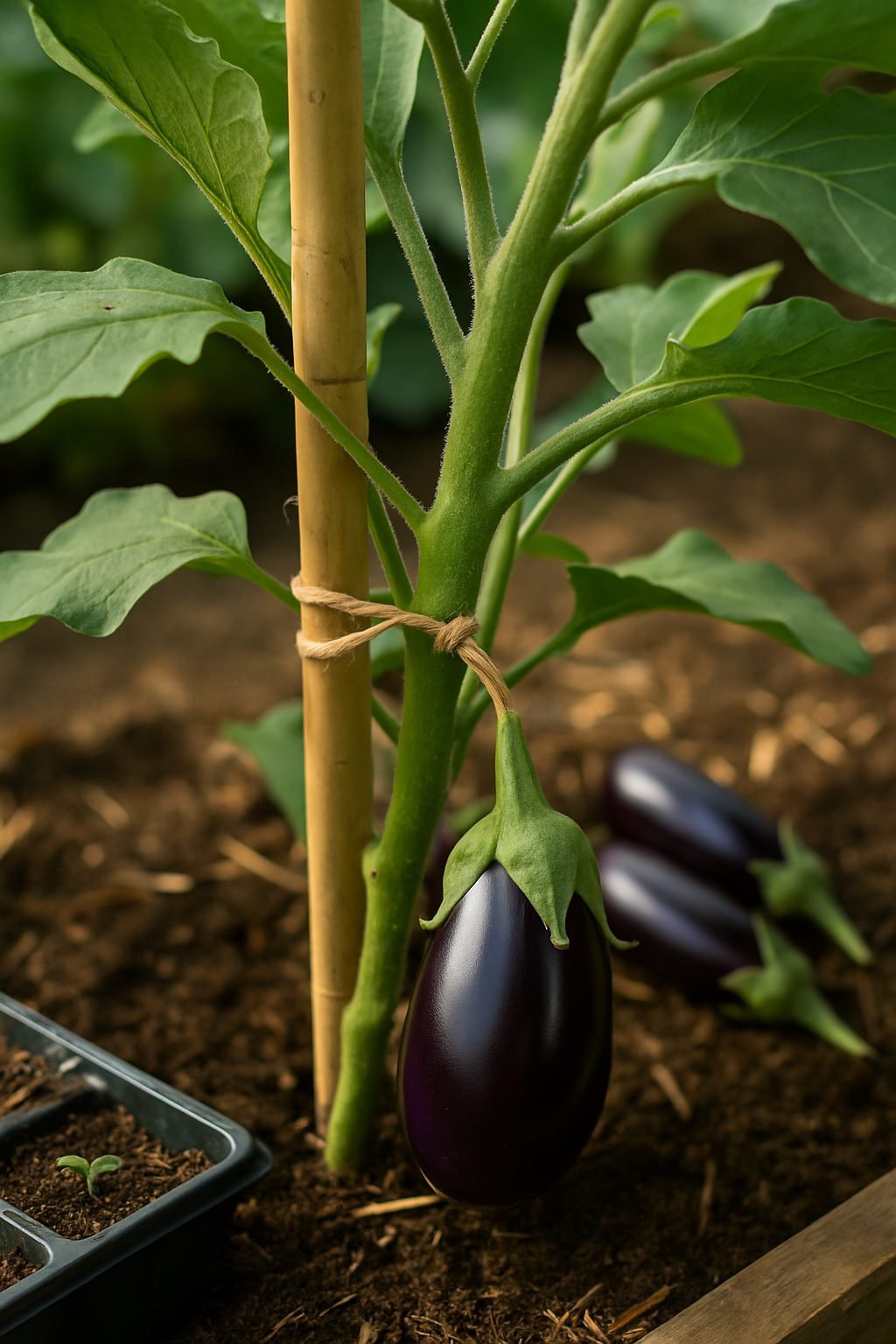
When planning your vegetable garden, you might wonder if an eggplant trellis support is really necessary. After all, eggplants can look sturdy at first, with their thick stems and broad leaves. But as the season progresses and those plants start to bear their heavy, glossy fruits, it becomes clear why extra help is invaluable.
Eggplants naturally have somewhat brittle stems and a bushy growth habit. As fruit grows and matures, especially on larger varieties, the weight can quickly overwhelm each branch. Without some sort of trellis or cage, it’s common for stems to bend or snap, sacrificing both fruit and productivity.
Leaving eggplants unsupported exposes them to a range of risks. Branches weighed down by fruit are prone to sudden breakage, particularly after rain or wind. Fruits resting on bare soil can become bruised, develop flat spots, or even start to rot. Ground contact also creates a gateway for soil-borne diseases—fungal infections and pests have much easier access to your crop when it’s not lifted above the soil surface. Dense, sprawling plants also block airflow, increasing humidity around leaves and making conditions ripe for mold and mildew outbreaks.
Adding a proper eggplant trellis support or cage changes the game. Supported plants stand tall, keeping fruits clean and off the ground. With more air circulating through their branches, eggplants stay drier, healthier, and less susceptible to disease. Harvesting also becomes easier; ripe fruits are more visible and accessible, so there’s less fumbling among tangled stems.
Sturdy support means each branch can channel energy into producing larger, healthier fruit, instead of struggling just to stay upright. Ultimately, investing in eggplant trellis support isn’t just about plant appearance—it’s about maximizing your harvest’s quality, minimizing plant stress, and simplifying your own gardening chores.
When and How to Start Supporting Eggplants
Supporting eggplants is essential for healthy growth and a bountiful harvest, but timing is key. The best time to add stakes or cages is right at planting, when young eggplants are establishing themselves. Setting up supports early prevents root disturbance and ensures the plants grow upright from the start.
If you didn’t stake at planting, don’t worry—watch for signs that your eggplants need support. Once the plants reach about 12–18 inches tall, or you notice small purple flowers and baby fruit forming, it’s definitely time to act. Floppy stems that lean toward the ground or sway in the wind are other red flags.
To get your garden ready, plan ahead by adding sturdy stakes or circular cages in your garden bed or container before planting seedlings. Push stakes at least 6–8 inches into the soil, about 1–2 inches away from the main stem, to avoid injuring roots. For containers, use shorter stakes or a compact tomato cage to save space.
Mulch around each plant to keep moisture in and help the soil stay cool. With a little prep work and timely support, your eggplants can grow tall and strong, rewarding you with healthier, larger fruit throughout the season.
Popular Eggplant Support Methods
When it comes to supporting eggplants, gardeners have several options: single stakes, cages, trellises, and vertical string supports.
Single stakes—usually made from wood or sturdy bamboo—are classic and affordable, making them a go-to for small gardens or container setups. You simply drive one stake near each plant and loosely tie the stems as they grow. The pros are low cost and ease of installation, but a con is that single stakes may not support heavy fruit loads, sometimes leading to bent or broken stems if not checked regularly.
Cages, often made from galvanized metal or heavy-duty wire, offer all-around support that helps plants stay upright even when laden with fruit. Their main benefits are durability and hands-off maintenance, though they can be pricier and take up more space, making them better suited for in-ground beds than crowded container gardens.
Trellises provide excellent vertical support and maximize space, especially for bushier varieties in narrow beds, but their initial setup requires more effort and investment in sturdy materials like metal or thick wood.
Vertical string supports, popular in greenhouse and urban garden setups, save space and cost very little—twine and overhead supports are all you need. However, strings may not be durable outdoors and can require frequent adjusting as plants grow.
For small, mobile containers, bamboo stakes or compact cages are practical, while larger in-ground beds can accommodate full cages or custom trellises.
Always match materials and methods to your garden’s size and your willingness to invest time or money; for instance, wooden stakes and bamboo are economical and work well seasonally but may deteriorate faster than metal cages or trellises in wet climates.
By weighing cost, durability, available space, and your own gardening style, you’ll find the best eggplant support system for your needs.
Step-By-Step Guide: Staking Eggplants the Right Way
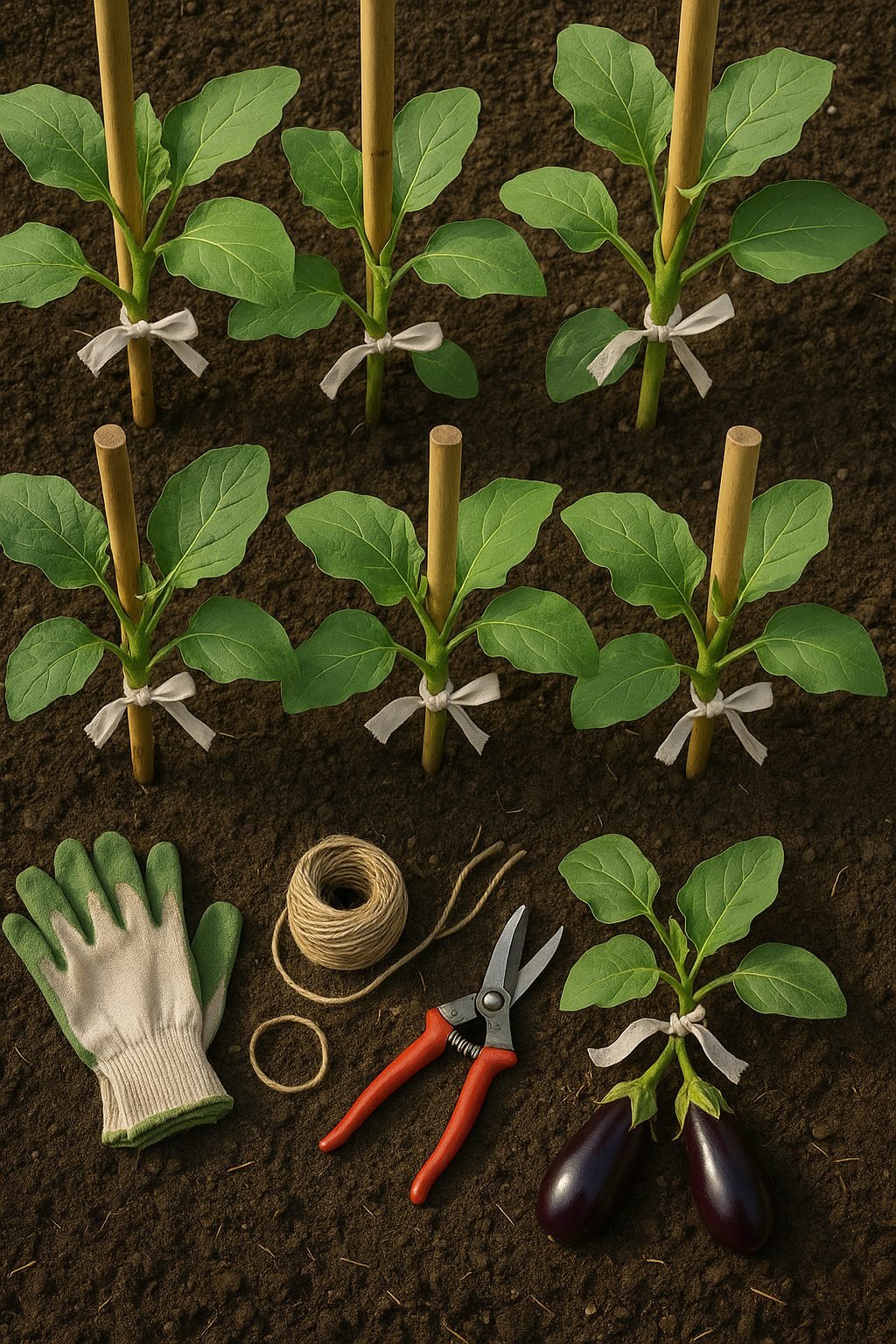
Staking eggplants is an easy way to boost plant health and increase your harvest, but doing it right really matters. Start by choosing sturdy stakes about 4-5 feet tall—wooden stakes, bamboo, or even recycled plastic all work well. Position each stake 2-3 inches from the main stem, being careful not to pierce the roots. Gently wiggle the stake into the soil, angling it slightly away from the plant to allow room for growth and support.
Once the stake is secure, use soft ties like garden twine, old pantyhose, or Velcro strips to attach the stem to the stake. Wrap the tie loosely around both the stem and the stake in a figure-eight pattern, leaving enough space for the stem to move and expand. Tying too tightly risks damaging or strangling the plant.
As your eggplant grows, check the ties weekly. Adjust or add more as needed to support heavy branches and fruit, always making sure the ties aren’t constricting. To minimize plant stress, stake your eggplants early—ideally just after transplanting or when they’re 8-10 inches tall. Waiting too long can disturb roots or break fragile stems.
Common Mistakes to Avoid
- Driving stakes through root balls, which can stunt growth.
- Tying stems too tightly, causing cuts or blockages.
- Waiting until plants are already floppy, making them harder to secure upright.
If you notice wilting or the plant slumping after staking, gently reposition the stake and ensure the ties are soft and not causing pressure points. Staying proactive and gentle will help your eggplants grow strong and upright, ready to support a bountiful harvest.
Care and Maintenance for Supported Eggplants
Regular care is key to keeping your supported eggplants healthy and productive. Start by checking supports and ties at least once a week, as eggplants can grow quickly and stems thicken fast. Retighten or adjust ties whenever you see sagging, but be careful not to tie them too tightly, as this can bruise or cut into the stems—use soft materials like garden twine or cloth strips for the best results.
In windy areas or after storms, inspect your staking system for signs of strain or shifting; a loose stake or a plant leaning can lead to breakage under the weight of ripening fruit.
Pruning
Pruning also plays a big role: selectively remove lower leaves and small interior shoots to improve airflow around the plant. This not only makes the support structure more effective but also reduces the risk of fungal infections like powdery mildew. Be sure not to over-prune—leave enough foliage to shade and nourish the fruit.
Pest and Disease Management
Strong support structures can sometimes create hidden spots for pests such as aphids or spider mites to hide, so regularly inspect both the plants and the supports for signs of insect activity or disease.
Seasonal Maintenance
- Clean stakes and ties between seasons to prevent lingering pests or pathogens from returning next year.
- Consider rotating your support materials every few years for best results.
By consistently tending to support, pruning, and cleanliness, you’ll give your eggplants the best chance to thrive, resist pests, and produce an abundant harvest.
Eggplant Support Ideas for Small Spaces & Containers
Growing eggplant in small spaces or containers is totally doable—you just need the right support solutions to keep plants healthy and productive.
For pots or raised beds, consider using vertical staking: a single bamboo stake or slim wooden dowel per plant takes up little room and easily supports upright growth. Mini tomato cages also work well; choose compact versions you can gently tuck into containers without crowding out your eggplant.
If you’re on a budget, a DIY option—like tying soft garden twine between three stakes positioned around the pot—makes a simple, customizable support system, perfect for balconies or patios where space is at a premium.
When picking eggplant varieties, opt for those bred for containers and limited support, like ‘Fairy Tale,’ ‘Patio Baby,’ or ‘Hansel.’ These compact plants bear smaller, manageable fruit and stay bushy, so you won’t need heavy-duty cages or trellises.
Whichever route you go, make sure supports are added early—before fruit sets—or gently secure stems as they grow, giving your eggplant the structure they need without crowding your cozy gardening spot.
Troubleshooting and Common Questions
Dealing with common staking problems in your garden doesn’t have to be stressful. If you notice broken stems, it often means your ties are too tight or the wind has whipped plants against their stakes. Loosen ties to allow some wiggle room, and use soft materials like old t-shirts or Velcro ties that won’t cut into delicate stems.
For unstable stakes, especially after heavy rain or wind, check that stakes are embedded deep enough—at least a third of their length should be in firm soil. If a stake is leaning, push it back in or add more stakes for extra support, creating a tripod or crisscross pattern with twine for stability.
Overcrowding can stunt growth and lead to poor airflow, so don’t be afraid to prune excess foliage or reposition plants while they’re still young. Make sure each plant has a good few inches between its neighbors and its support.
During periods of rapid growth, keep an eye on rapidly elongating stems; adjust ties and stakes as needed so plants don’t outgrow their supports or topple over. For quick fixes after a storm, upright toppled plants immediately, mound soil around the base, and secure them back to their stakes.
Frequently Asked Questions
- When should I remove supports? Remove supports once stems have thickened and plants stand tall on their own—this is often late in the growing season.
- Can stakes and ties be reused? Most stakes and ties can be reused year after year; just clean off dirt or potential pathogens before storing.
- How do I harvest without damaging plants? Handle plants gently and cut produce with sharp, clean tools to avoid damaging either the stems or the supports.
Regularly checking and adjusting your setup will keep your supported plants healthy and productive all season long.