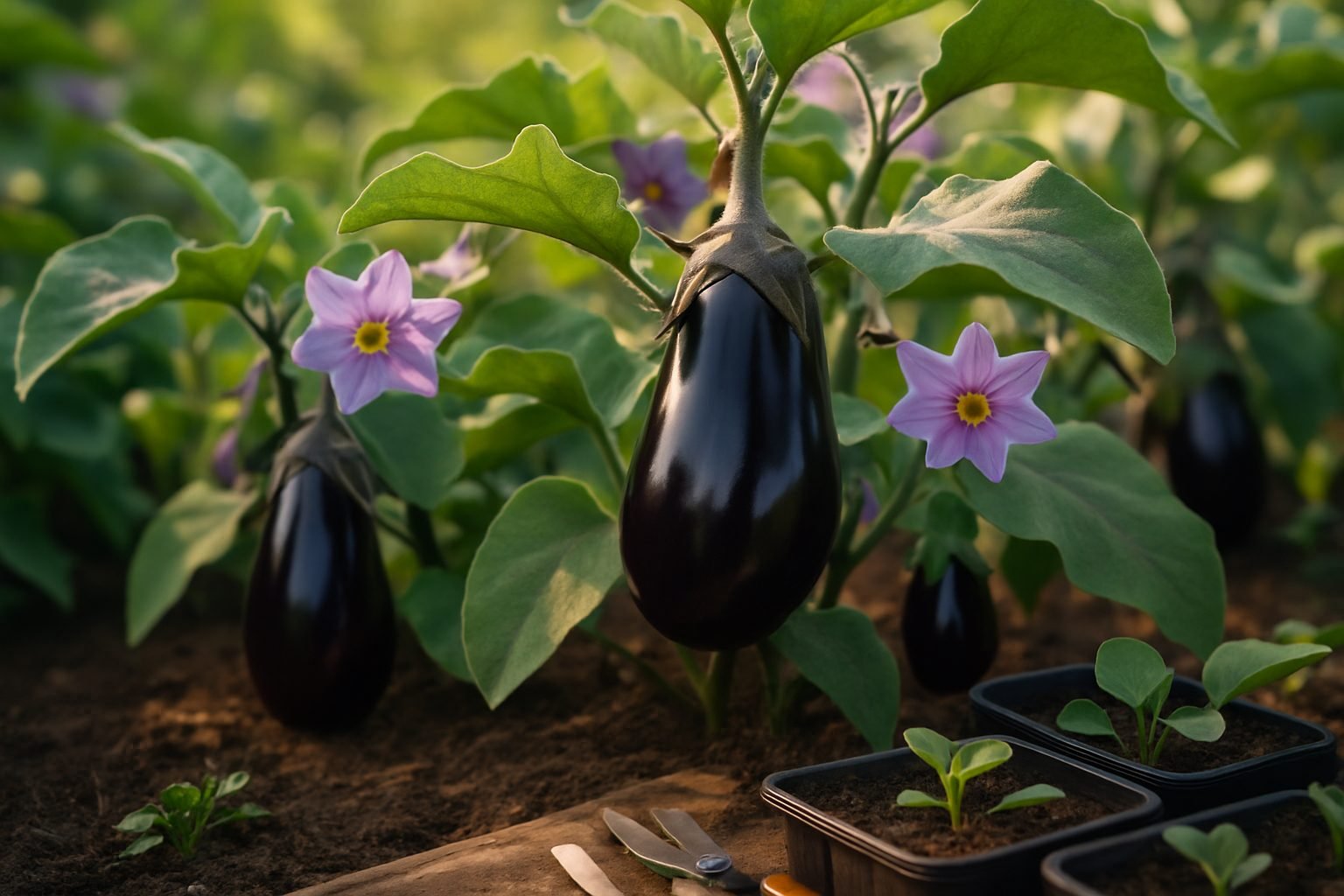
Essential Eggplant Plant Attributes
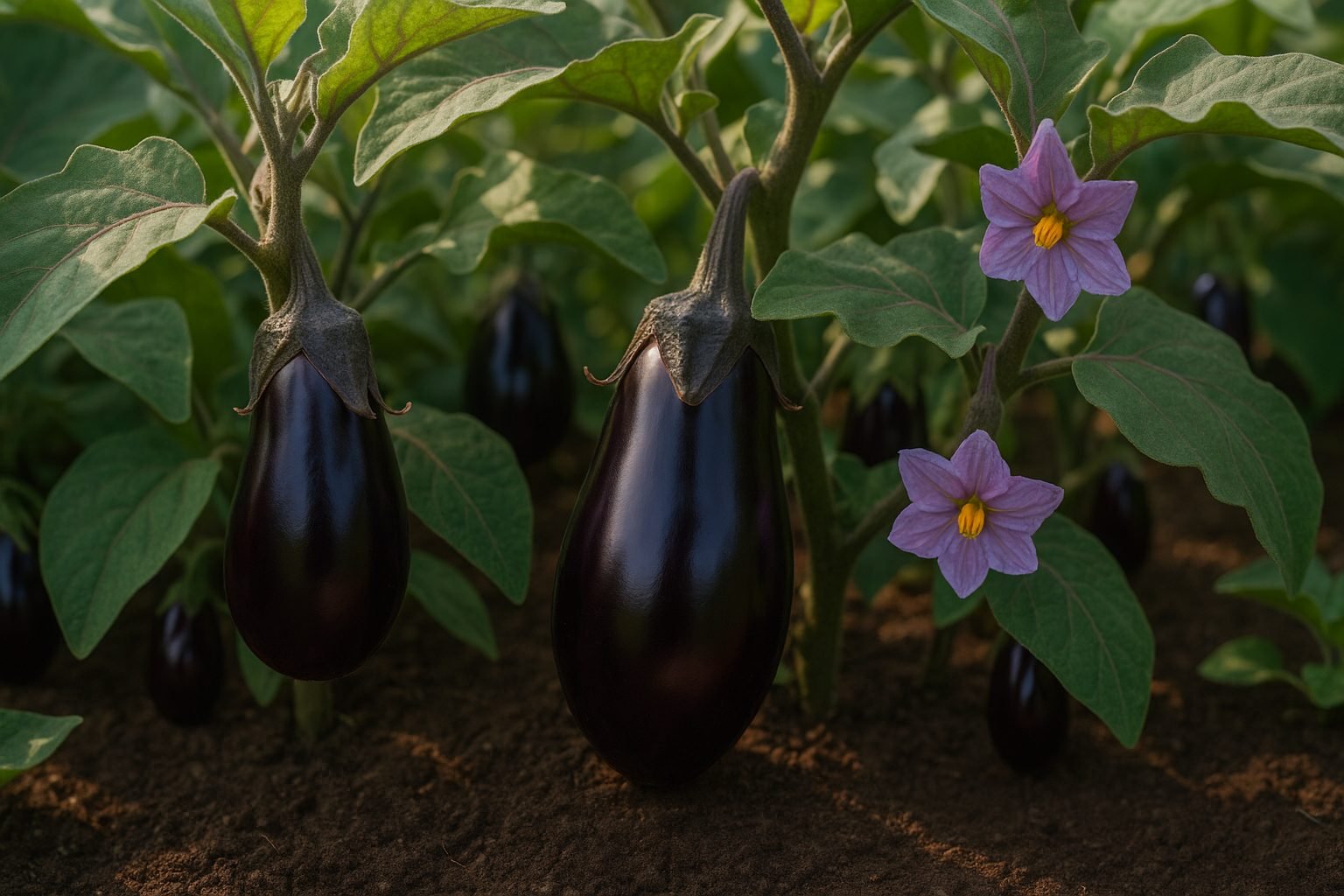
Understanding eggplant growing time is key if you want a thriving harvest of this garden favorite. Eggplants, known for their glossy, deep purple fruits, are striking additions to any vegetable garden. The plants themselves are upright and bushy, typically reaching 2 to 4 feet in height. Their leaves are broad, slightly fuzzy, and sometimes edged with a soft, purple tint—an appealing backdrop for the star of the plant: the eggplant fruit. You’ll notice delicate, star-shaped violet flowers with bright yellow centers appearing before the fruit sets, a sign that your efforts are paying off.
The typical eggplant takes about 70 to 85 days after transplanting to mature, depending on the variety and growing conditions. Eggplants can be annuals in cooler climates, where a single growing season is the norm, or perennials in frost-free regions, lasting several years if protected from chills. In the garden, expect the plant to spread about 18 to 36 inches, so give your seedlings enough space to breathe and soak in the sun.
Speaking of sun, eggplants are sun lovers—they need at least six to eight hours of direct sunlight daily for optimal growth and fruit production. They also thrive in warm temperatures, ideally between 70°F and 85°F during the day and not dipping below 50°F at night. Cool snaps or excessive heat can delay the eggplant growing time or hinder fruiting. Keep the soil consistently moist but not soggy, with plenty of organic matter, to support strong roots and lush foliage. Gardeners can speed up early growth by starting seeds indoors and transplanting only when night temperatures are reliably warm.
With these attributes and environmental needs in mind, you’ll be well on your way to harvesting plump, flavorful eggplants straight from your own backyard.
Choosing the Right Eggplant Variety
Picking the right eggplant variety can make all the difference in your garden and kitchen. Standard globe eggplants are the most common in grocery stores, known for their large, dark purple fruits and versatile use in dishes like eggplant parmesan or moussaka. They thrive in warm climates with plenty of space to spread.
If you love stir-fries or have shorter growing seasons, Asian eggplants, such as the slender Japanese ‘Ichiban’ or the long Chinese ‘Ping Tung,’ are more compact and quick to mature. They’re perfect for grilling, roasting, or slicing into curries, with thinner skins and a milder, slightly sweeter taste than their globe counterparts.
For those gardening in containers or with limited space, look for compact or dwarf varieties like the ‘Fairy Tale’ or ‘Patio Baby.’ These produce cute, stripey, or petite fruit on small plants and do especially well on sunny balconies or patios.
Consider Your Growing Conditions
When choosing a variety, consider your local growing conditions:
- Globe and Italian types enjoy consistently hot summers.
- Asian and dwarf types are more forgiving of cooler temperatures or variable light.
Culinary Preferences
Culinary preferences also matter:
- Classic globe eggplants offer a meaty texture ideal for hearty entrees.
- Asian varieties are prized for their tender flesh and are less likely to become bitter.
- Dwarf options are great for snacking or small-batch cooking.
Variety in Color and Size
The color range is surprisingly diverse—from deep purple and glossy black to ivory, lavender, and even striped mauve varieties. This means you can pick a type that adds visual appeal to your garden. Fruit size varies widely as well:
- Larger eggplants are better for stuffing and baking.
- Smaller ones are best for slicing or pickling.
Shop at local nurseries or seed catalogs, and ask what grows best in your region. Don’t be afraid to experiment with a few types to discover your favorites, especially if you’re new to growing eggplants.
Growing Eggplant from Seed to Seedling
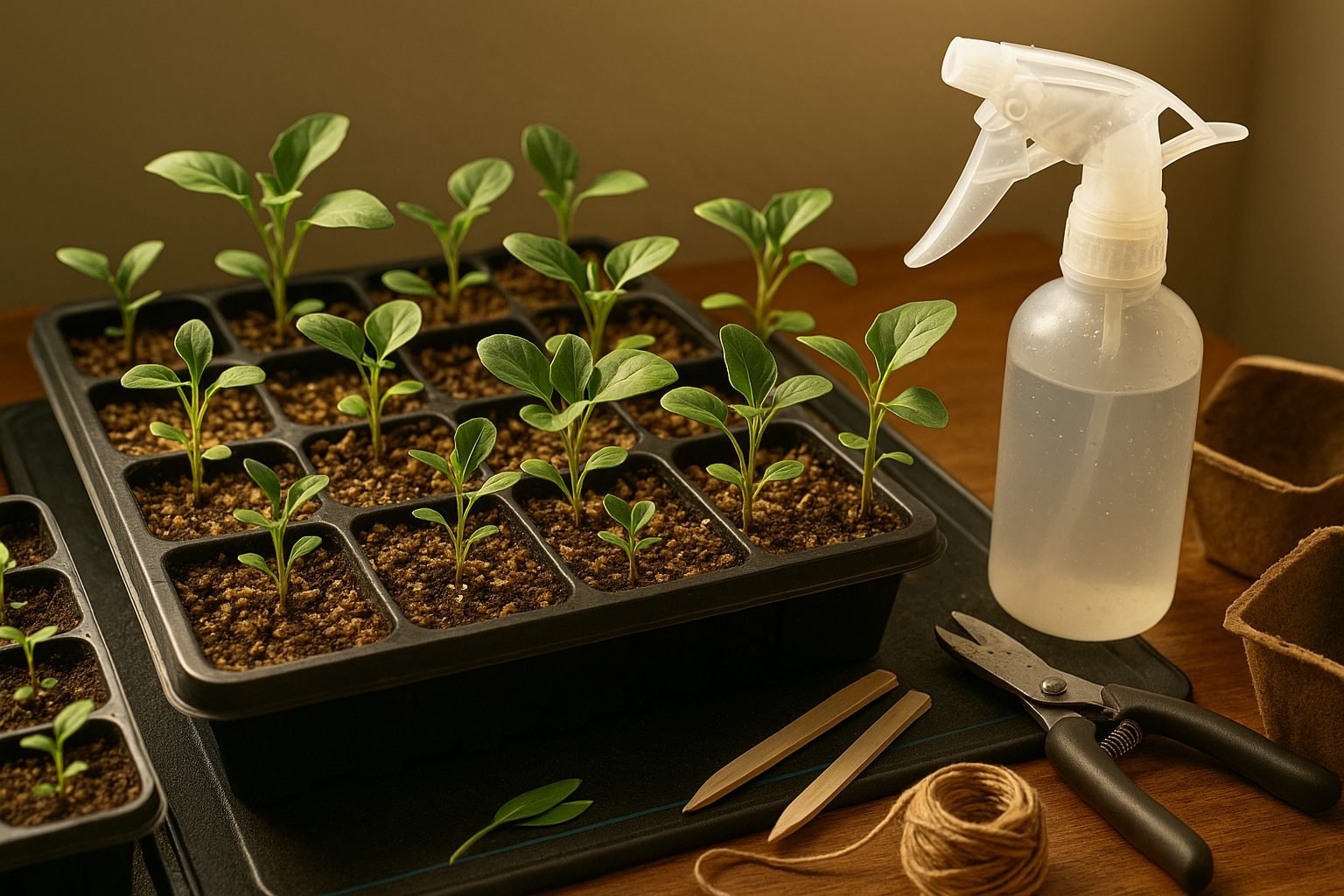
Starting eggplant from seed indoors gives you a head start on the growing season and boosts your chances of a healthy harvest. Begin about 8 to 10 weeks before your last expected frost.
Fill clean seed trays or small pots with a light, well-draining seed starting mix—avoid heavy garden soil, as it can stifle young roots. Scatter seeds about a quarter-inch deep and mist with water to keep the mix moist but not soggy.
Eggplants love warmth: place containers on a heat mat or in a warm spot where temperatures stay around 75–85°F (24–29°C). This consistent warmth encourages speedy germination, usually within 7–14 days.
Once your seedlings have two sets of true leaves, they’ll be ready for larger containers or outdoor beds, but it’s crucial to acclimate them first. About one to two weeks before transplanting, gradually expose the young plants to outdoor conditions—a process called hardening off. Start with an hour or two in a protected, shaded spot, slowly increasing their exposure to sunlight and cool air each day.
When nighttime temperatures consistently stay above 50°F (10°C) and seedlings are sturdy with 3–4 leaves, transplant them into rich, well-drained soil or roomy containers (at least 5 gallons each), spacing them 18–24 inches apart.
Propagation by Cuttings
If you want to clone a favorite variety or rescue a damaged plant, propagation by cuttings is handy. Snip a healthy, non-flowering shoot 4–6 inches long, strip the lower leaves, dip it in rooting hormone (if available), and plant it in moist potting mix. Cuttings are often used late in the season to multiply plants or carry prized genetics through winter indoors.
No matter the method, warmth, consistent moisture, and a little patience will reward you with robust eggplant starts ready to thrive.
Eggplant Care: Soil, Water, and Fertilizer Essentials
Growing robust, healthy eggplants starts with well-prepared soil. Aim for a rich, loamy mix with plenty of organic matter, such as compost or well-rotted manure, since eggplants are heavy feeders and need nutrients to thrive. The ideal bed should be loose and free-draining to prevent waterlogging, with a slightly acidic to neutral pH (around 6.0–7.0).
Before planting, work in at least two inches of compost and a balanced organic fertilizer to jumpstart growth. For planting, space your eggplants 18 to 24 inches apart in rows about two to three feet apart, ensuring good airflow which helps prevent disease.
Consistent watering is crucial, especially during blooming and fruiting—aim for about one to two inches per week, watering deeply at the base in the early morning to reduce the risk of fungal issues. Mulching with straw or shredded leaves helps keep soil moisture steady and discourages weeds, while also moderating soil temperature.
Throughout the season, supplement soil nutrition every four to six weeks with a balanced or slightly higher phosphorus fertilizer, using side dressings of compost or a slow-release granular blend. Avoid high-nitrogen fertilizers, as these can promote excessive leaf growth at the expense of fruit.
Eggplants have brittle stems and heavy fruits, so it helps to gently stake them or use cages, supporting the main stems as the fruit sets to prevent the plants from toppling over.
If you pay careful attention to these basics—fertile soil, balanced nutrients, steady water, mulch, and support—you’ll be rewarded with a bumper crop of beautiful, tasty eggplants all summer long.
Growing Eggplants in Pots and Small Spaces
Growing eggplants in pots is a smart solution for gardeners with limited space, and it’s easier than you might think if you focus on a few essentials. Start by choosing a container that holds at least five gallons—think large buckets, grow bags, or wide clay pots—with drainage holes at the bottom to prevent soggy roots.
Fill your pot with a well-draining soil mix, ideally a blend of high-quality potting soil, compost, and perlite or coarse sand to boost aeration. Eggplants are hungry growers, so mixing in a slow-release organic fertilizer at planting time will help them thrive.
As your eggplant seedlings develop, watch for roots poking out of the bottom or slowed growth; if you notice these signs, gently transfer the plant to a larger container to avoid stunting. Compact varieties like ‘Black Beauty,’ ‘Fairy Tale,’ or ‘Patio Baby’ are bred for containers and small spaces—they stay manageable in size while producing plenty of fruit.
To make the most of sunlight in a compact area, place pots on rolling plant caddies or trays so you can chase the sun as it moves throughout the day and bring pots indoors if a cold snap hits. Aim for a sunny, sheltered spot—eggplants need 6-8 hours of direct light—and consider placing pots near south-facing walls or patios to capture extra warmth.
By giving your eggplants the right container, care, and positioning, you’ll enjoy a productive harvest even on the tiniest balcony or patio.
Pests, Diseases, and Common Eggplant Problems
Eggplants are delicious and rewarding to grow, but they can also attract their share of garden problems. Among the most common pests are flea beetles—tiny black insects that leave distinctive “shot hole” damage on leaves. To manage these, try floating row covers early in the season or dust plants with food-grade diatomaceous earth.
Aphids are another frequent threat, often clustering on new growth and causing leaves to curl or yellow. Knocking them off with a strong spray of water or introducing beneficial insects like ladybugs are effective organic solutions. Insecticidal soaps or neem oil can offer extra control. For those who prefer chemical methods, pyrethroid-based sprays may help, but always follow label instructions and consider pollinator safety.
Eggplants are also prone to diseases like verticillium wilt, which causes yellowing and wilting leaves, and powdery mildew, which creates a white, dusty film on foliage. Both thrive in humid, overcrowded conditions, so practice crop rotation, ensure good air circulation by spacing plants properly, and water at the base to keep leaves dry.
If disease does strike, remove any infected foliage promptly. For severe cases, choose resistant cultivars or use fungicides labeled for vegetable crops.
Sometimes growth issues happen even without pests or disease. Poor blooming and low fruit set may result from high temperatures, inconsistent watering, or lack of pollinators. Water deeply and consistently, mulch to regulate soil moisture, and hand-pollinate flowers with a small paintbrush if bee activity is low.
Leaf damage like browning or curling can also signal nutrient deficiencies. Side-dress plants with balanced compost or a slow-release fertilizer if you notice these signs.
Paying close attention to plant health, intervening early, and rotating crops each year can minimize most problems and help ensure your eggplants produce abundant, healthy fruit.
Harvesting Eggplants and Beyond
Knowing when to harvest eggplants is key to getting the best flavor and texture from your crop. Ripe eggplants should be glossy, firm, and slightly springy to the touch; if the skin appears dull or the fruit feels spongy, it’s likely overripe.
Use pruning shears or a sharp knife to cut the fruit from the plant, leaving about an inch of stem attached to prevent bruising and rot. Handle eggplants gently, as they bruise easily and can spoil faster if damaged.
After harvesting, store eggplants in a cool spot, ideally in the refrigerator’s crisper drawer wrapped in a paper towel inside a perforated plastic bag for one to two weeks. For longer storage, try blanching and freezing eggplant slices—perfect for casseroles or stir-fries later in the year.
If you’re interested in overwintering your plants and you live in a mild climate, trim back the foliage and keep the roots protected with mulch or bring container plants indoors to a sunny spot.
Saving seeds is another way to extend your harvest into the future: let a few fruits fully mature and turn dull on the vine, then scoop out the seeds, rinse away pulp, and dry them thoroughly before storing in a labeled paper envelope in a cool, dark place.
With these tips, you can enjoy fresh eggplants now and set yourself up for even more successful harvests in seasons to come.