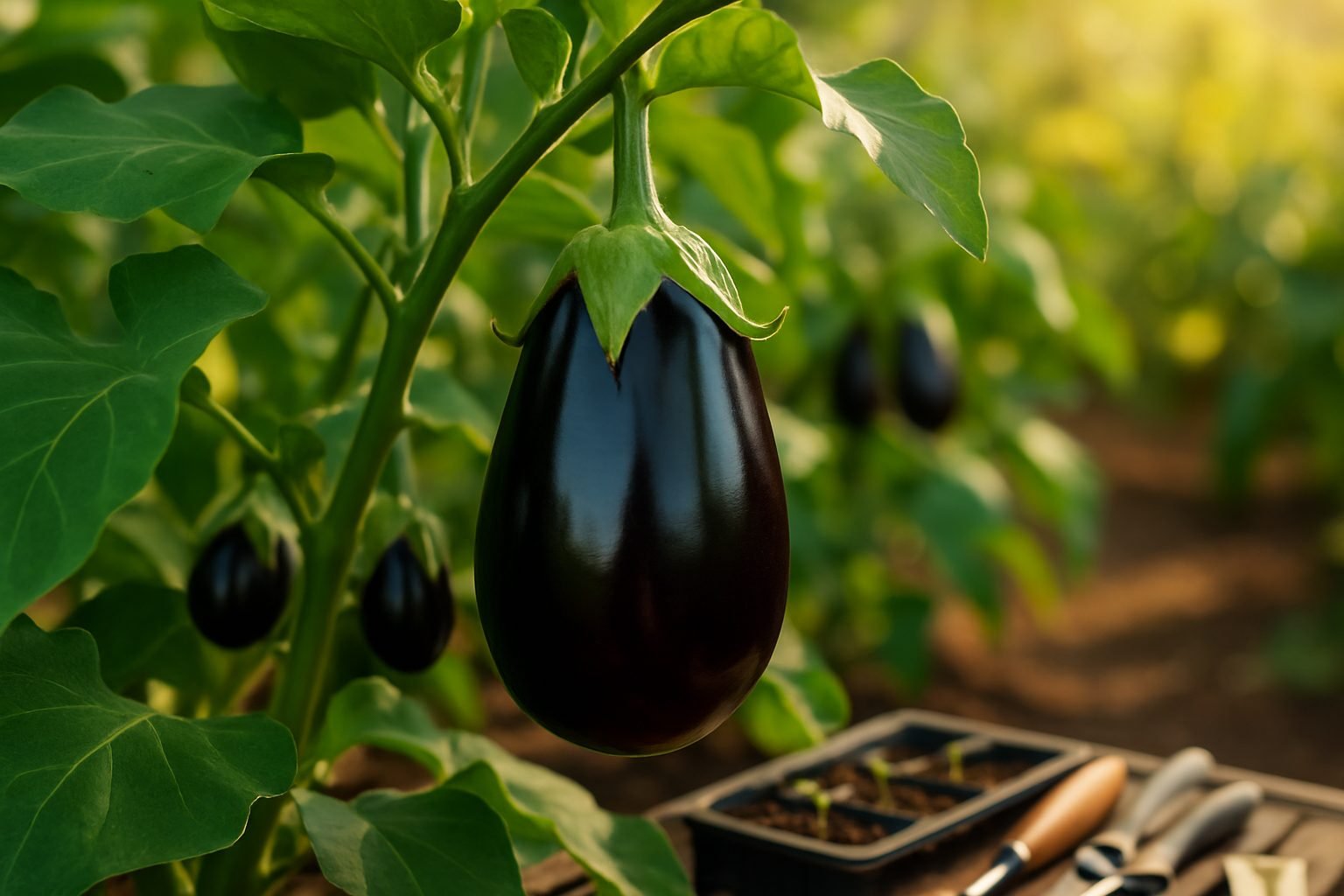
Knowing the Right Time to Harvest Eggplant
Knowing when to harvest eggplant can make all the difference between a crisp, flavorful bite and a tough, bitter mouthful. Most eggplant varieties reach maturity about 60 to 80 days after transplanting, so once those smooth, glossy fruits start appearing in mid to late summer, it’s time to pay close attention. The growing season for eggplant is strictly warm weather—these sun-loving vegetables soak up the summer heat and keep producing until early fall, as long as temperatures don’t drop below 60°F. For gardeners, the trick lies in recognizing the sweet spot when fruits are just ripe but not overgrown.
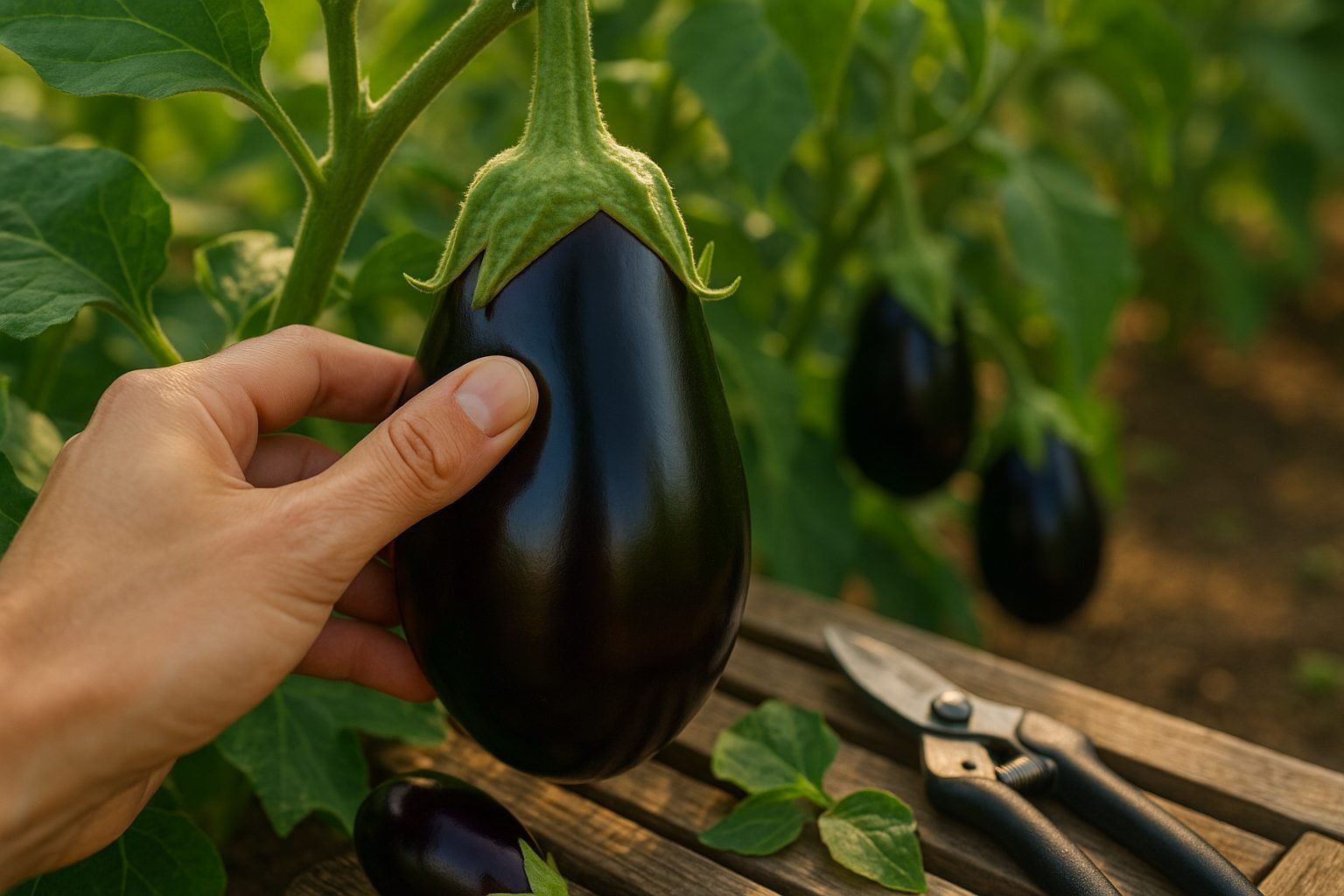
Timing is everything: harvest too soon, and you’re left with underripe, bland-tasting eggplant that has a spongy or rubbery texture. Wait too long, and the fruit’s skin loses its shine, seeds toughen, and the distinctive flavor turns bitter. Not only does this make for a disappointing meal, but leaving fruit on the plant can also slow or stop new flowers from setting, cutting your total harvest short. Instead, check fruits frequently as they develop—ripe eggplants should have fully colored, glossy skin and feel firm but give slightly under gentle pressure. Another quick tip: if you press your thumb lightly into the skin and it springs back, it’s ready; if it leaves a dent, the eggplant is overripe.
While each variety varies a little—baby eggplants mature faster while oval or globe types take longer—the golden rule remains the same: perfect timing preserves both taste and plant vigor. In practice, this might mean picking small eggplants two to three times a week during peak season, especially in hot climates. With a bit of practice and close observation, you’ll know exactly when to snip the fruits for the best flavor and continuous production all season long.
Key Signs Your Eggplants Are Ready to Pick
Knowing when your eggplants are ready to harvest can make all the difference in flavor and texture. Start by checking the color—a mature eggplant typically has deep, vibrant purple hues (though varieties like white or green eggplants will have their own distinct colors).
Look for a glossy sheen on the skin, as dullness often signals the fruit is starting to overripen. Fruit size varies by type, so know the standard for your variety, but don’t rely solely on size—sometimes a smaller eggplant is more tender and flavorful.
To be sure, use the “press test”: gently press your thumb against the skin. If it leaves a slight mark and the flesh springs back, your eggplant is at peak maturity. If it stays indented or feels overly mushy, it’s too ripe; if it’s rock hard, it’s not quite ready. You’ll also notice mature eggplants are firm but not hard—they’ll have a little give without being soft.
Picking them at this stage ensures the best taste for grilling, roasting, or adding to your favorite dishes.
A final tip: harvest with a short piece of stem attached, using pruning shears or a sharp knife to avoid damaging the plant. This not only makes harvesting cleaner but also encourages continued production throughout the season.
How to Properly Harvest Eggplant
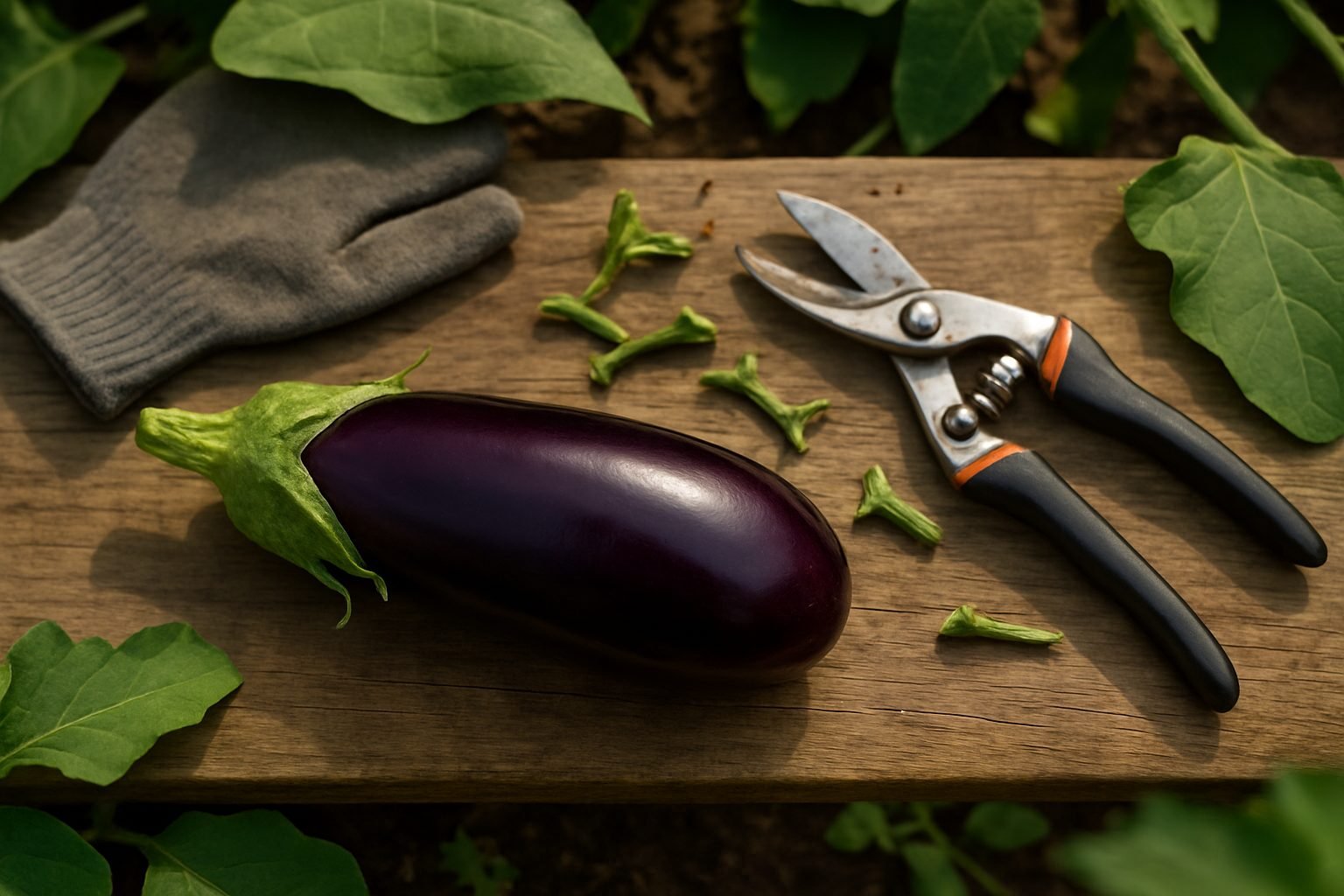
When it comes to harvesting eggplant, using the right tools is key for both the health of your plant and the quality of your harvest. Always opt for sharp garden pruners or scissors instead of twisting or pulling the fruit off the vine—this helps prevent unnecessary damage to the plant.
Begin by identifying eggplants that are glossy, firm, and have reached their mature size; these indicators mean they’re ready to be picked. With clean hands and sanitized tools, snip the stem about an inch above the cap of the eggplant. Hold the fruit gently with one hand as you cut to avoid bruises or dropping it.
Be mindful not to cut into the main stem or neighboring branches, as this can injure the plant and decrease future yields. If you’re working with particularly thorny varieties, wearing gloves can help protect your hands. Always clean your tools before and after use to avoid spreading diseases between plants.
By making clean cuts and handling each fruit carefully, you’ll encourage your eggplant plant to keep producing throughout the season.
Storing Homegrown Eggplant for Freshness
To keep your homegrown eggplants fresh, store them at room temperature in a cool, dry place away from direct sunlight and ethylene-producing fruits like bananas or tomatoes, which can speed up spoilage. The ideal temperature for eggplant storage is around 50°F (10°C), but since most homes are warmer, a pantry or shaded countertop works well for short-term storage—about 3 to 4 days.
Avoid refrigerating eggplants if possible; the cold can damage their texture and cause brown spots or a rubbery feel, a condition known as “chilling injury.” However, if you must refrigerate them, wrap the eggplants in a paper towel and place them in a perforated plastic bag in the crisper drawer, then use them within a week.
Never wash eggplants before storage, as residual moisture can promote mold and decay; instead, wash them just before cooking.
Signs an Eggplant Is Past Its Prime
- Wrinkled, dull, or brownish skin
- Soft spots
- Bitter smell
For the best flavor and texture, use your harvest while the fruit is glossy, firm, and slightly heavy for its size. Taking these simple steps will help you enjoy every last bit of your garden’s bounty.
What Happens If You Harvest Eggplant Too Soon or Too Late?
Harvesting eggplant at the right time makes a big difference in flavor and texture. If you pick eggplants too soon, when the skin is still dull and they feel noticeably firm, you’ll find the flesh is pale, bitter, and has a spongy texture that doesn’t hold up well in cooking.
Underripe eggplants are often too tough for grilling or frying and might taste unpleasantly sharp in dishes like ratatouille. On the other hand, leaving them on the plant too long leads to overripeness, which shows up as yellow or brown patches on the skin and a duller look overall.
The seeds inside become hard and dark, and the flesh turns dry and bitter, making the eggplant tougher and less appealing, especially on the grill. Even with less-than-perfect specimens, all is not lost—bitter or seedy eggplants can still find a place in robustly seasoned sauces, stews, or soups where the flavor is masked.
Blending or pureeing the flesh helps with texture. Peeling and salting can also help reduce bitterness, so you can still put those past-their-prime eggplants to good use instead of letting them go to waste.
Extra Tips for Eggplant Success in the Garden
To keep your eggplant harvests coming all season, start by watering deeply and consistently—eggplants thrive when the soil stays evenly moist, but not soggy. Drip irrigation or soaker hoses are great for delivering moisture directly to the roots and preventing fungal issues.
Feed your plants every 3-4 weeks with a balanced fertilizer or compost tea to support steady fruit production. As fruits grow, gently tie stems to stakes or cages to prevent branches from snapping under the weight of maturing eggplants.
After picking ripe fruit, use clean shears and snip just above a leaf node to encourage the plant to set more blooms and new fruits.
Pest Control
To deter pests like flea beetles and aphids, try floating row covers early in the season, rotate crops each year, and inspect leaves often for damage or eggs. Removing affected leaves promptly and spraying a neem oil solution can keep plants healthy.
Soil and Ground Care
Also, mulch well around the base to suppress weeds and increase soil moisture, and keep the area clear of fallen leaves to prevent diseases like verticillium wilt.
With a little attention, you’ll enjoy a long, productive eggplant season.
Frequently Asked Questions About Eggplant Harvesting
Many gardeners wonder if eggplants can ripen off the vine. Unfortunately, once picked, they don’t continue to mature like tomatoes do—so it’s best to harvest when they look glossy and feel firm. If the forecast calls for an unexpected frost, act quickly to pick all mature fruits, as cold can damage both the plant and the eggplants themselves.
A common mistake is leaving fruit on the plant too long, hoping for more size. However, overly mature eggplants often turn bitter and seedy. Also, don’t wait for eggplants to turn completely purple—slight color variations are normal depending on the variety.
For the most reliable advice tailored to your area’s climate, check with your local cooperative extension or university agriculture website. They offer region-specific planting and harvesting tips that can help you stay one step ahead of unexpected weather.