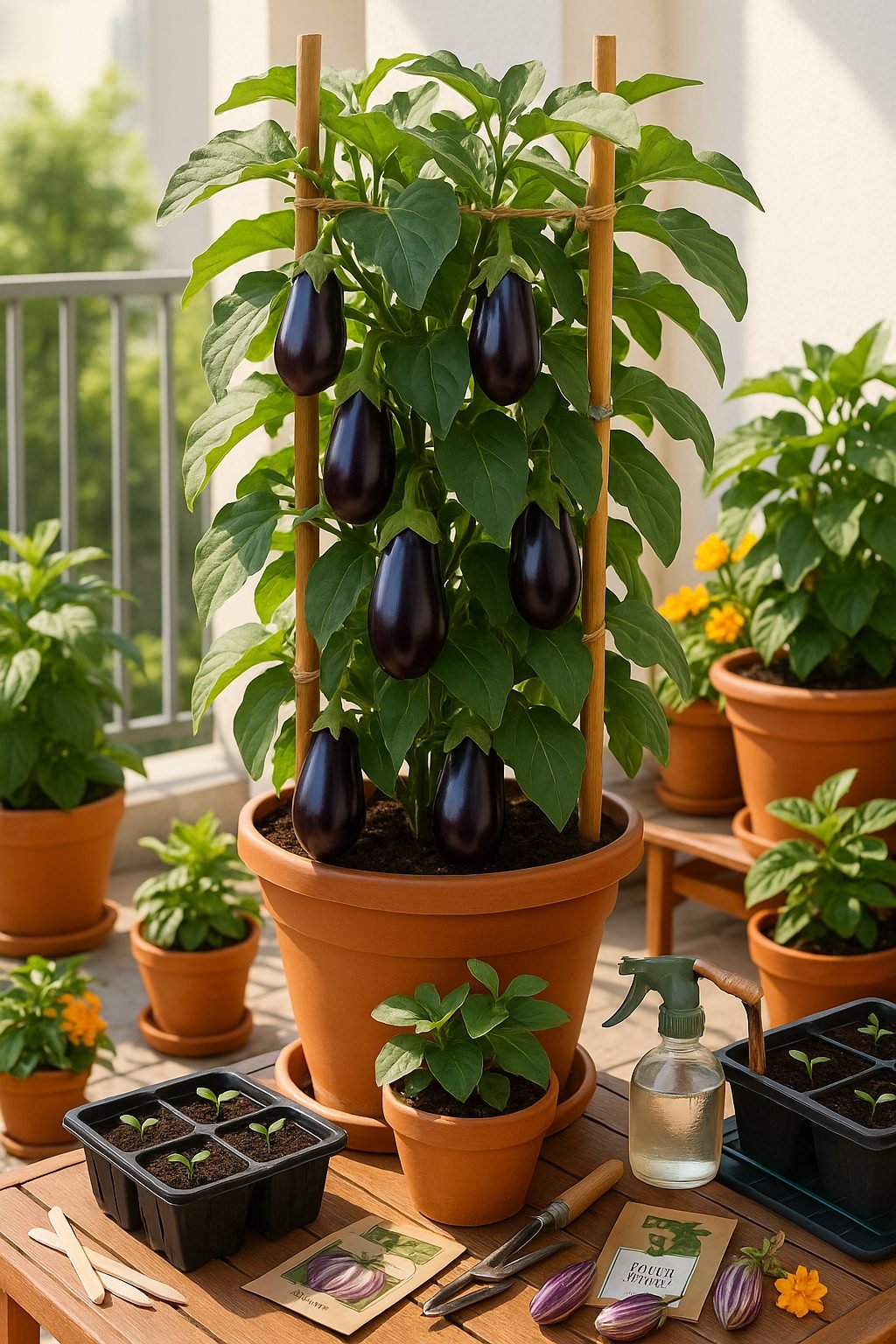
Why Grow Eggplant Vertically?
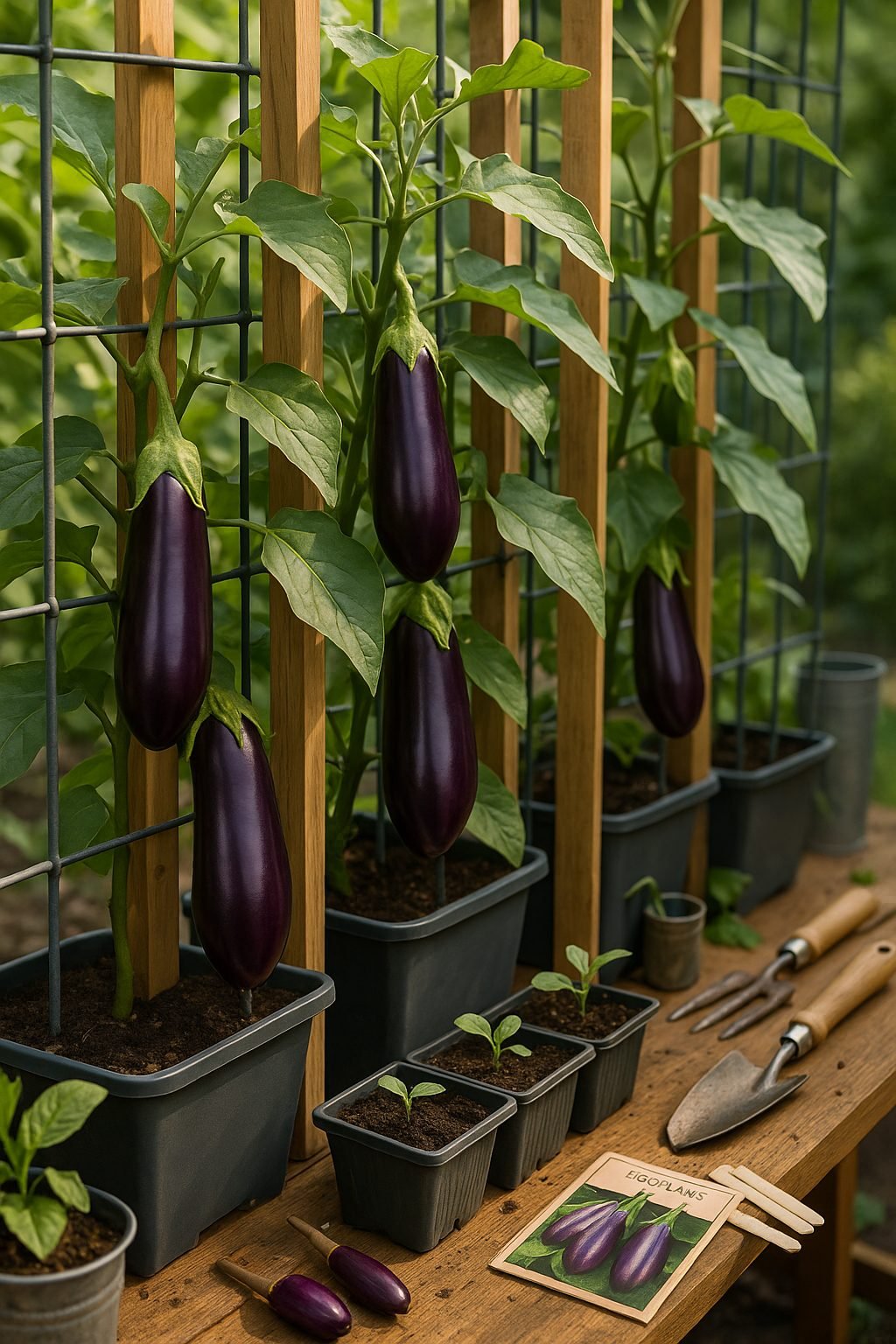
A vertical eggplant garden is a game-changer for gardeners tight on space but big on dreams. By growing eggplants vertically—especially in a DIY garden tower—you unlock a host of benefits that go far beyond making your backyard or balcony look lush.
First, vertical gardening lets you maximize growing space by using upward structures to cultivate more plants, even if your square footage is limited. For those living in apartments or with small patios, this can mean the difference between no fresh eggplants and enjoying your own organic crop. Improved air circulation is another big plus: vertically spaced plants get more airflow, which keeps foliage dry and reduces the risk of fungal diseases that often plague ground-level gardens.
Harvesting eggplant from a vertical garden is also much easier on your back and knees. Fruits hang at eye level or within comfortable reach, so you won’t have to bend or stoop. With eggplants specifically, vertical growth leads to healthier plants with fewer pest problems. Slugs, flea beetles, and bacterial wilts are all less prevalent when your eggplants are lifted off the ground, and pruning is simpler since each plant is laid out in plain view. This method also promotes even sun exposure, resulting in fruit that’s evenly ripened and more abundant.
Urban gardeners and anyone interested in container gardening will especially love the vertical eggplant garden approach. You can place these towers on rooftops, balconies, or patios with minimal fuss. Stackable planters, simple trellis supports, or even repurposed shelves can serve as a home for your DIY eggplant tower, letting you grow food where traditional gardens can’t fit. If you’re ready to enjoy fresher, healthier eggplants while saving space and effort, going vertical is a smart—and rewarding—choice.
Choosing the Right Materials and Tools
When it comes to supporting your tomato plants, having the right materials and tools on hand can make a world of difference. Essential supports include stakes (wooden, bamboo, or metal), trellises, and plant ties to keep those growing stems upright and protected.
Many gardeners debate between homemade and store-bought support options, and both have their perks.
- For a budget-friendly solution, you can fashion sturdy stakes out of bamboo poles or even repurpose old broom handles, while cut-up pantyhose or strips of old t-shirts work well as gentle plant ties. These homemade options not only save money but also let you customize supports to fit your space.
- On the other hand, store-bought cages, trellises, and clips are designed for durability and easy assembly, offering convenience if you prefer a ready-to-go setup or if you’re new to gardening.
If your yard space is tight or you’re working with a patio or balcony, look for deep containers (at least 5 gallons) or consider constructing a small raised bed; both provide good root space and drainage for healthy, productive plants. Choose containers made of sturdy plastic, ceramic, or wood, and always ensure they have adequate drainage holes.
For an added tip, a simple vertical trellis attached to your container can double your growing space and keep plants tidy.
Ultimately, the right materials and supports depend on your budget, gardening style, and available space—but with a thoughtful setup, anyone can grow thriving tomatoes in any setting.
Step-by-Step Guide to Planting Eggplant Vertically
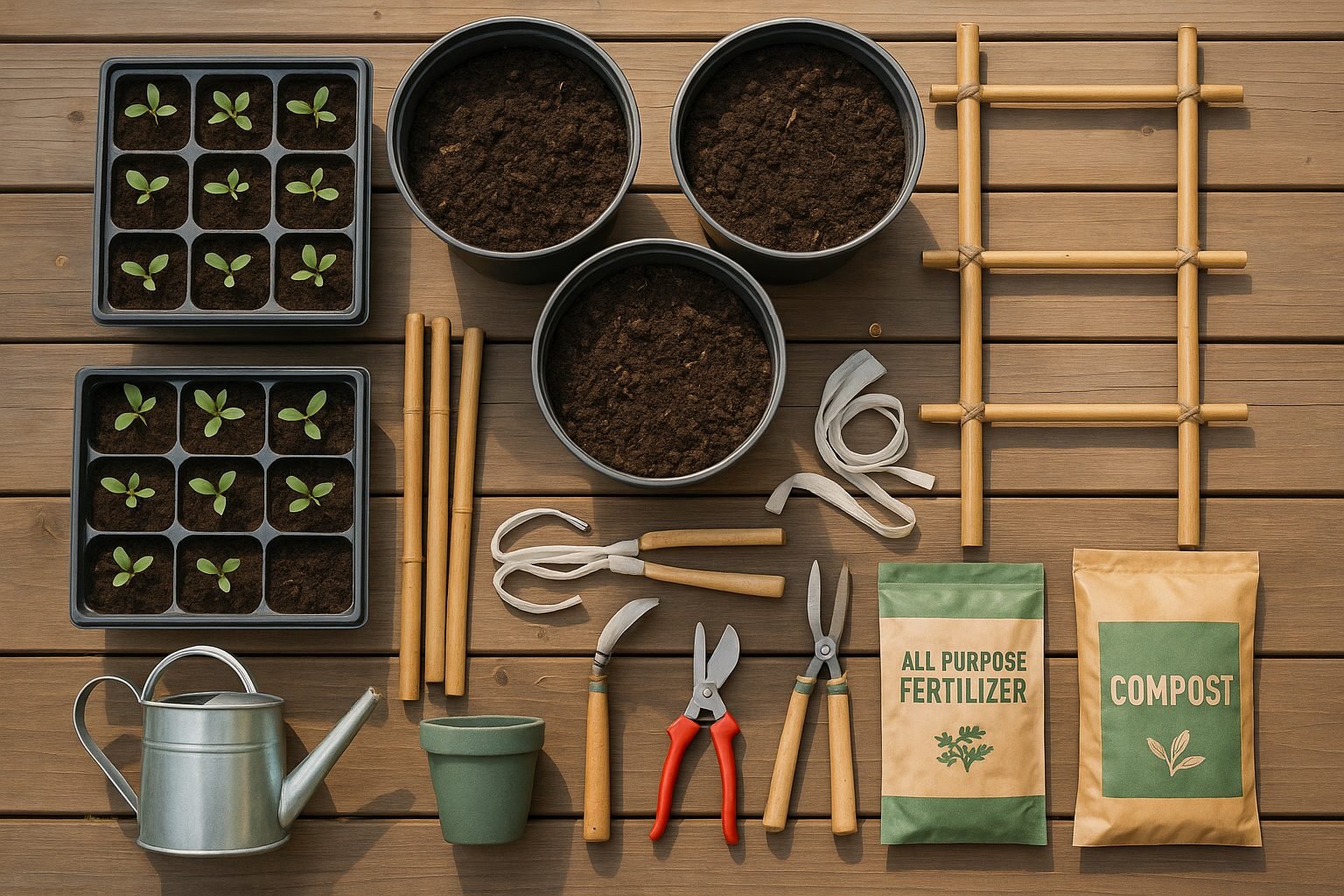
Starting your eggplant vertical garden begins with choosing whether to grow from seed or transplants. If you’re starting from seed, sow them indoors about 8-10 weeks before your last expected frost, using seed trays filled with a quality seed-starting mix. Keep them warm and moist, aiming for consistent temperatures around 75-85°F for the best germination.
Once seedlings develop two sets of true leaves and outside temperatures stay above 60°F at night, they’re ready for the garden. If you’re using nursery transplants, select compact, healthy plants with strong stems.
Prepare your vertical growing area by placing sturdy trellises, cages, or vertical towers in a spot that gets at least six hours of direct sunlight daily—eggplants crave warmth and sun. For soil, aim for rich, well-draining earth amended with compost and a bit of balanced fertilizer. Check that the bed is loose and slightly acidic to neutral (pH 6.0-6.8).
Space each eggplant 18-24 inches apart so air can circulate freely, minimizing disease and ensuring every plant has access to support.
As you plant, gently secure the stems to your trellis or cage using soft garden ties, fabric strips, or even old nylon stockings. Make sure not to constrict growth—check ties every couple of weeks and adjust as stems thicken.
As the plants grow upward, continue fastening them at intervals of 8-12 inches to prevent drooping or snapping under the weight of maturing fruit.
Throughout the season, keep the soil consistently moist but not soggy. Mulch to retain water and keep roots cool, and consider adding a slow-release fertilizer mid-season for an extra boost.
By following these steps, your eggplants will thrive in their vertical home, making harvests easier and maximizing your garden space—even on small patios or balconies.
Care and Maintenance for Vertical Eggplants
Caring for vertical eggplants takes a bit more attention than traditional planting, but the results—a healthier plant and a bigger harvest—are well worth the effort.
When it comes to watering, keep the soil consistently moist but not soggy. Vertical planters tend to dry out faster, so check soil moisture daily, especially during hot weather. Using drip irrigation systems or self-watering containers can make life easier by providing steady hydration.
Feeding your eggplants is just as important. Since eggplants are heavy feeders, mix a slow-release organic fertilizer into the soil at planting, then supplement with a liquid tomato feed every two weeks once flowers appear.
For pruning, remove lower leaves and any small side shoots (“suckers”) that grow below the first fruit cluster. This improves airflow and channels energy toward fruit production.
With vertical growth, support is crucial. Use soft plant ties, Velcro strips, or even old pantyhose to gently secure main stems to stakes or trellises. Tie them loosely to avoid cutting into the stems. As eggplants grow, their fruit can get heavy and cause branches to bend or break, so check plants weekly and adjust ties higher up the stake as needed.
Training the plant upward is as simple as guiding new growth toward your support structure and securing it before it starts to droop.
Throughout the season, keep a close eye on both your plant and its vertical supports. Stakes and trellises can shift in wind or under the weight of the plant, so make adjustments if you notice leaning or sagging. Add extra supports or retie as plants get taller and heavier—don’t wait until after a summer storm!
This proactive care will keep your vertical eggplants productive and help prevent common problems like split branches or stunted growth.
Dealing With Common Challenges
Growing vertical eggplants comes with its share of hurdles, but a few proactive steps can make all the difference. One frequent challenge is wind damage, which can snap stems or bruise tender fruits. To protect your plants, use soft ties—such as strips of cloth or plant Velcro—to gently secure stems to sturdy stakes or trellises. Be sure to check them regularly and adjust as the plant grows.
Pests like aphids and flea beetles are another headache. Try introducing beneficial insects like ladybugs, or use a neem oil spray weekly as a safe and effective deterrent.
Diseases such as powdery mildew can crop up in crowded vertical setups. To prevent this, space plants well, prune dense foliage, and water early in the day to keep leaves dry and airflow strong.
Lastly, keeping your plant healthy means harvesting eggplants at the right time—usually when the skin is glossy and before the flesh becomes seedy or dull. Frequent picking not only avoids tough, overripe fruit but also encourages the plant to keep producing without unnecessary stress, giving you a healthier, more productive eggplant crop all season long.
Companion Planting and Crop Rotation
Companion planting is a fantastic way to boost the health and yield of your vertical eggplants, especially when space is limited and you want to make the most of every square foot. Good companions for eggplants include herbs like basil and oregano, which help ward off pests such as aphids and flea beetles. Some gardeners even claim that basil improves eggplant flavor. Marigolds are another excellent choice; their scent deters nematodes and beetles that often plague nightshade crops.
Vegetables like bush beans and peas also work well because they fix nitrogen in the soil, providing your eggplants with an extra nutrient boost without competing for the same resources. Onions and spinach are eggplant-friendly as well—onions repel a broad range of pests, while spinach’s shallow roots make it a non-competitive neighbor. However, avoid planting eggplants near fennel, which can inhibit their growth, and steer clear of other nightshades like tomatoes and potatoes in the same bed. These plants share many pests and diseases, increasing the risk of problems spreading.
Crop Rotation for Healthy Eggplant Growth
Alongside smart companion planting, practicing simple crop rotation is key to maintaining healthy, productive eggplant beds and containers year after year. Crop rotation means changing where you plant crops from the same family each season. For example, after harvesting eggplants (part of the nightshade family), plant something unrelated next season, such as leafy greens or root vegetables. This helps break pest and disease cycles and balances soil nutrients.
If you’re growing in containers, you can rotate the soil or switch out the crops in your pots to achieve the same effect. For instance, follow a season of eggplants with a pot of lettuce, carrots, or radishes. This practice keeps soil fresh, reduces the buildup of specific pests, and prevents nutrient depletion, giving your next crop a healthier start.
Harvesting and Storage Tips
Knowing when to harvest your eggplants is key to enjoying the best flavor and texture. Eggplants are ready to pick when their skin is glossy and firm, and they reach about one-third to two-thirds of their mature size, depending on the variety—typically 6 to 8 inches for common types. A dull, wrinkled, or overly hard skin means the fruit is overripe or too mature.
Lightly press the eggplant with your thumb: if the indentation bounces back, it’s the perfect time to harvest. Use sharp garden shears or a knife to cut the stem about an inch above the fruit, as twisting or pulling can damage both the eggplant and the plant. Always hold the fruit gently to avoid bruising.
For storage, avoid washing the eggplants until you’re ready to use them, as moisture promotes spoilage. Keep eggplants in a cool spot, like a kitchen counter away from direct sunlight, for up to two days, or in the fridge crisper drawer for up to a week. To retain flavor, wrap them loosely in a paper towel and place them inside a perforated plastic bag.
For longer-term preservation, slice and blanch the eggplant before freezing, or pickle slices in vinegar brine. Freezing can cause slight texture changes but is still great for using in cooked dishes later. Following these steps not only extends the life of your harvest but also locks in the rich, mild taste that makes homegrown eggplants so rewarding.