Introduction
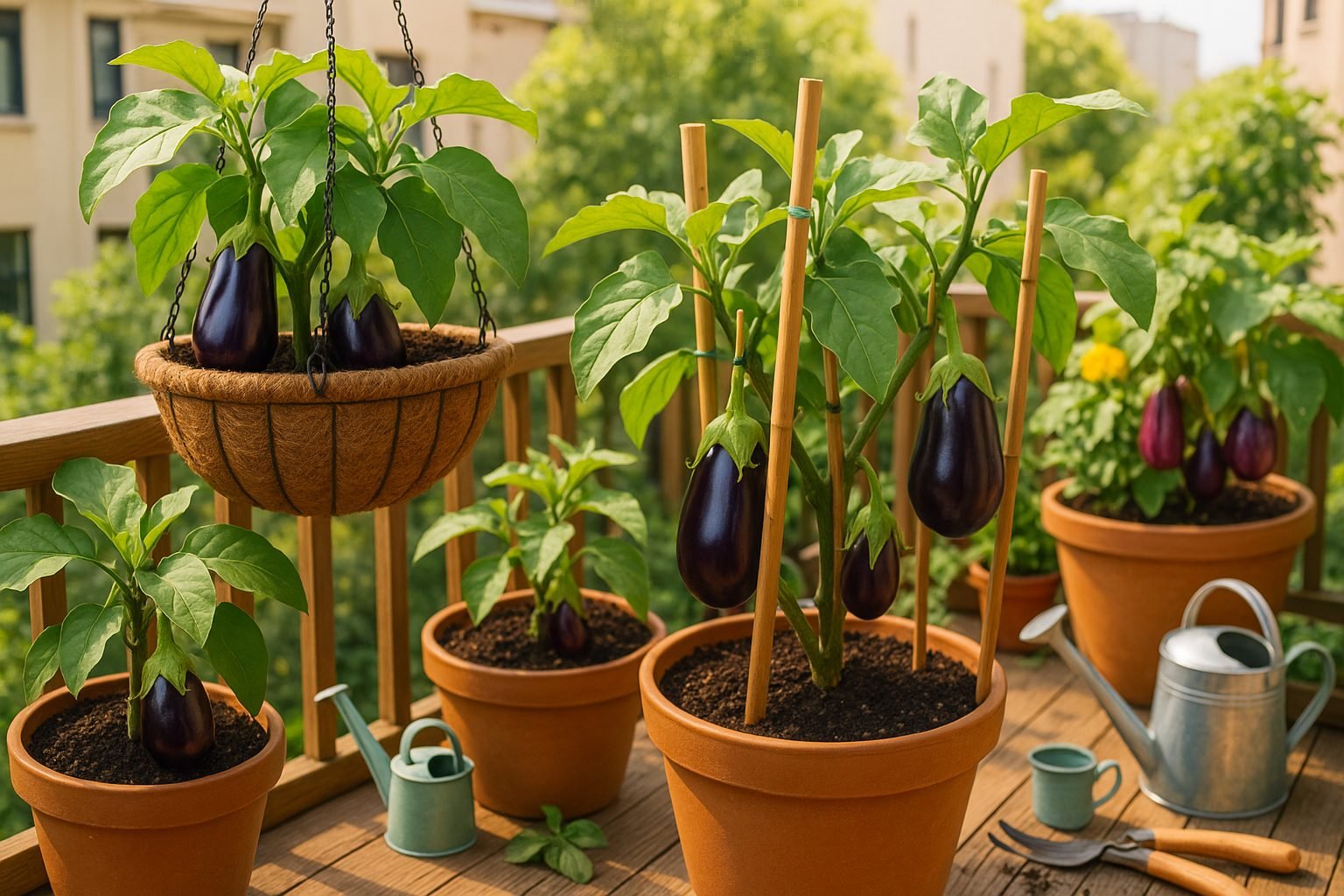
If you’re looking to maximize your gardening space, you might have considered the idea of a hanging eggplant. Growing vegetables in containers is a trend that’s quickly catching on, especially for those with balconies, patios, or limited yard space. Hanging baskets have become a go-to solution for fresh herbs, strawberries, and even small tomatoes—so naturally, you might wonder: can eggplant (also known as aubergine) thrive in hanging baskets too?
While eggplants are typically associated with sprawling garden beds, certain varieties and smart techniques may make them suitable for hanging displays. In this article, we’ll explore whether eggplant really can grow successfully in a hanging basket, what varieties work best, and which care tips will help you get the most out of your sky-high veggies. If you’re hoping to bring vibrant purple fruits within arm’s reach (and out of reach of ground pests), read on to discover if hanging eggplant could be the star of your next vertical garden project.
Benefits of Growing Eggplant in Hanging Baskets
Growing hanging eggplant is a creative solution for gardeners with limited outdoor space, transforming small balconies, patios, or sunny porches into productive mini-gardens. Hanging baskets maximize vertical space, letting you enjoy fresh produce even in apartments or homes without traditional garden beds.
Eggplants thrive when their foliage and fruit get plenty of sunlight and air circulation. Elevating the plants in baskets improves airflow, reducing the risk of soil-based diseases. This setup keeps leaves and fruit off the ground, making them less vulnerable to common pests like slugs and beetles, while also protecting against soil-borne pathogens.
Harvesting becomes much easier too—you won’t have to crouch or reach into dense garden beds since the ripe fruit hangs right at eye level, ready to be picked.
Beyond the practical perks, hanging eggplant adds unexpected charm to your outdoor spaces. The glossy purple (or white, or even striped) fruits and pretty blossoms dangle attractively from the foliage, serving both as a food source and natural decor. Many gardeners are pleasantly surprised by how ornamental eggplants can look in baskets, making them as much a conversation piece as a veggie crop.
Whether you want to maximize a tiny area or add a decorative touch to your patio, hanging eggplant baskets are a smart and stylish choice.
Choosing the Right Eggplant Varieties for Hanging Baskets
When growing hanging eggplant, selecting the right variety is the first and most important step to success. Not all eggplants are suited for life suspended off the ground; large, heavy-fruited types like the classic Black Beauty can quickly overwhelm a basket with their size and weight. Instead, focus on compact, dwarf, or small-fruited varieties bred specifically for containers.
Varieties like ‘Fairy Tale’ and ‘Patio Baby’ are excellent choices—these plants are naturally petite, with ‘Fairy Tale’ producing slender purple and white fruit, and ‘Patio Baby’ offering clusters of small, glossy, deep purple eggplants perfect for single servings.
When picking a hanging eggplant variety, look for key traits such as a bushy, upright growth habit rather than a lanky one. This helps the plant stay tidy and prevents it from spilling awkwardly out of the basket. Short maturity times are also helpful—early-producing varieties mean you’ll get fruit faster and avoid overcrowding as the plant matures. Sturdy stems are a must, too, as they support developing fruit in the air and help the plant resist wind and movement.
Finally, consider productivity; smaller plants often produce more fruit per square inch than their larger counterparts, so a hanging basket can yield a surprisingly generous harvest if you choose wisely. Ask your local garden center about container-ready varieties or order seeds online. Don’t be afraid to try a few different kinds to see which performs best in your space.
How to Plant Eggplant in Hanging Baskets
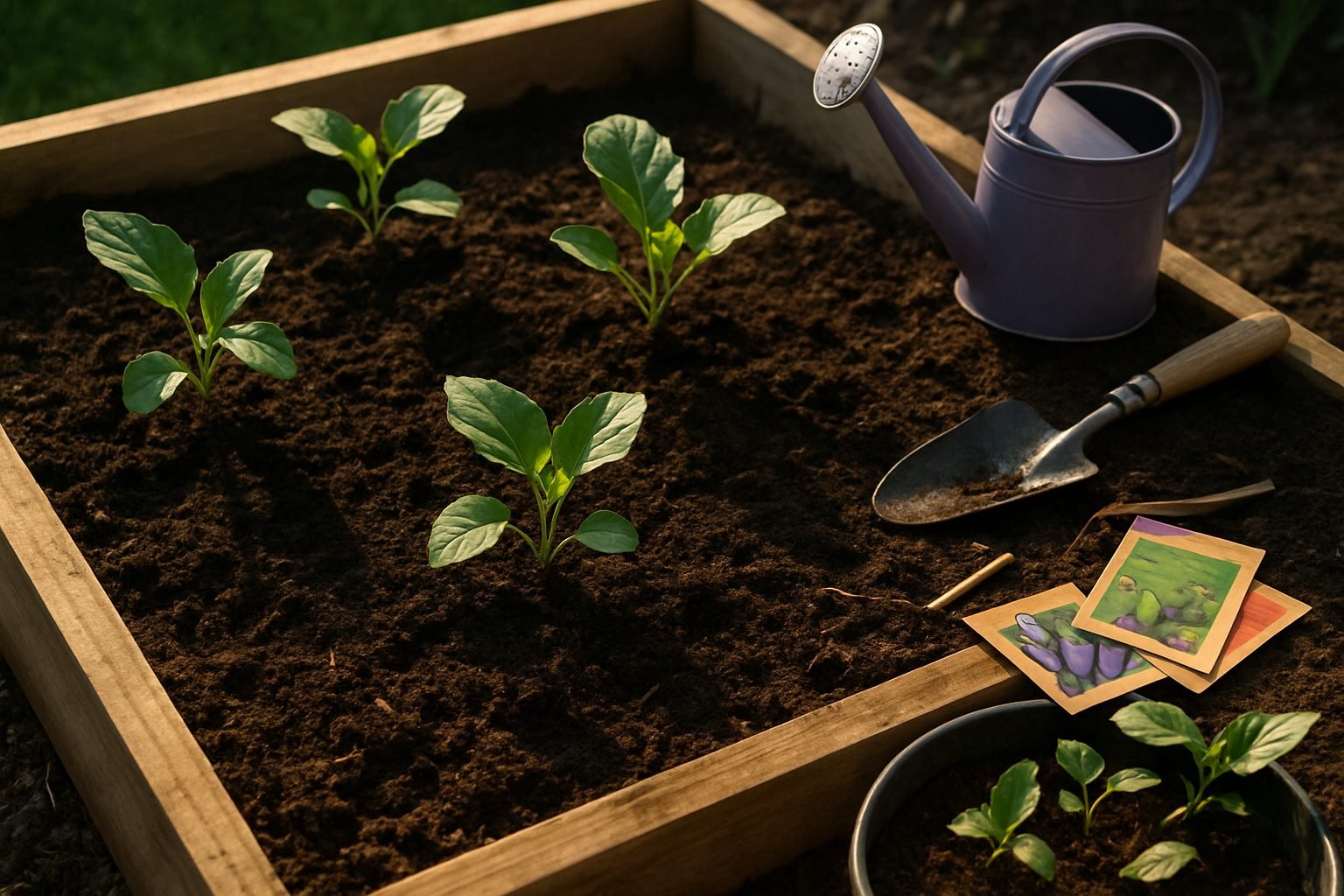
Choosing the right basket is the crucial first step in growing thriving hanging eggplant. Pick a basket that’s at least 14–16 inches wide and 10–12 inches deep, since eggplants have a strong root system and need plenty of room to grow. Sturdy materials like plastic, resin, or wire baskets lined with coconut coir or sphagnum moss work great because they’re lightweight yet durable enough to support a full plant and its fruit. Make sure your basket has multiple drainage holes in the base—eggplants don’t like waterlogged roots. If your basket doesn’t have holes, use a drill to add some before planting.
For soil, use a high-quality potting mix designed for vegetables and containers. Enhance it with a scoop or two of compost or well-rotted manure to enrich the mix. Since eggplants are heavy feeders, mix in a slow-release granular fertilizer at planting. Plant the seedling about an inch deeper than it was in its nursery pot to encourage a stronger root system, and gently firm the soil around the base.
Once planted, hang your basket in a spot that gets at least six to eight hours of direct sunlight daily—eggplants need full sun to produce healthy fruit. In the beginning, water your hanging eggplant consistently so the soil stays evenly moist but not soggy. Hanging baskets dry out faster due to increased air circulation, so check moisture daily, especially in hot or windy weather.
If you’re moving your plant outside from indoors or a protected area, harden it off by placing it in partial sun for a few hours a day, gradually increasing exposure over a week. This helps prevent sunburn and transplant shock. As your hanging eggplant settles in, watch for rapid growth and new blooms. Give your basket a gentle shake every few days to encourage pollination and airflow among the blossoms. Follow these care steps, and your hanging eggplant will thrive, producing lush foliage and juicy fruit all season long.
Caring for Eggplant in Hanging Baskets
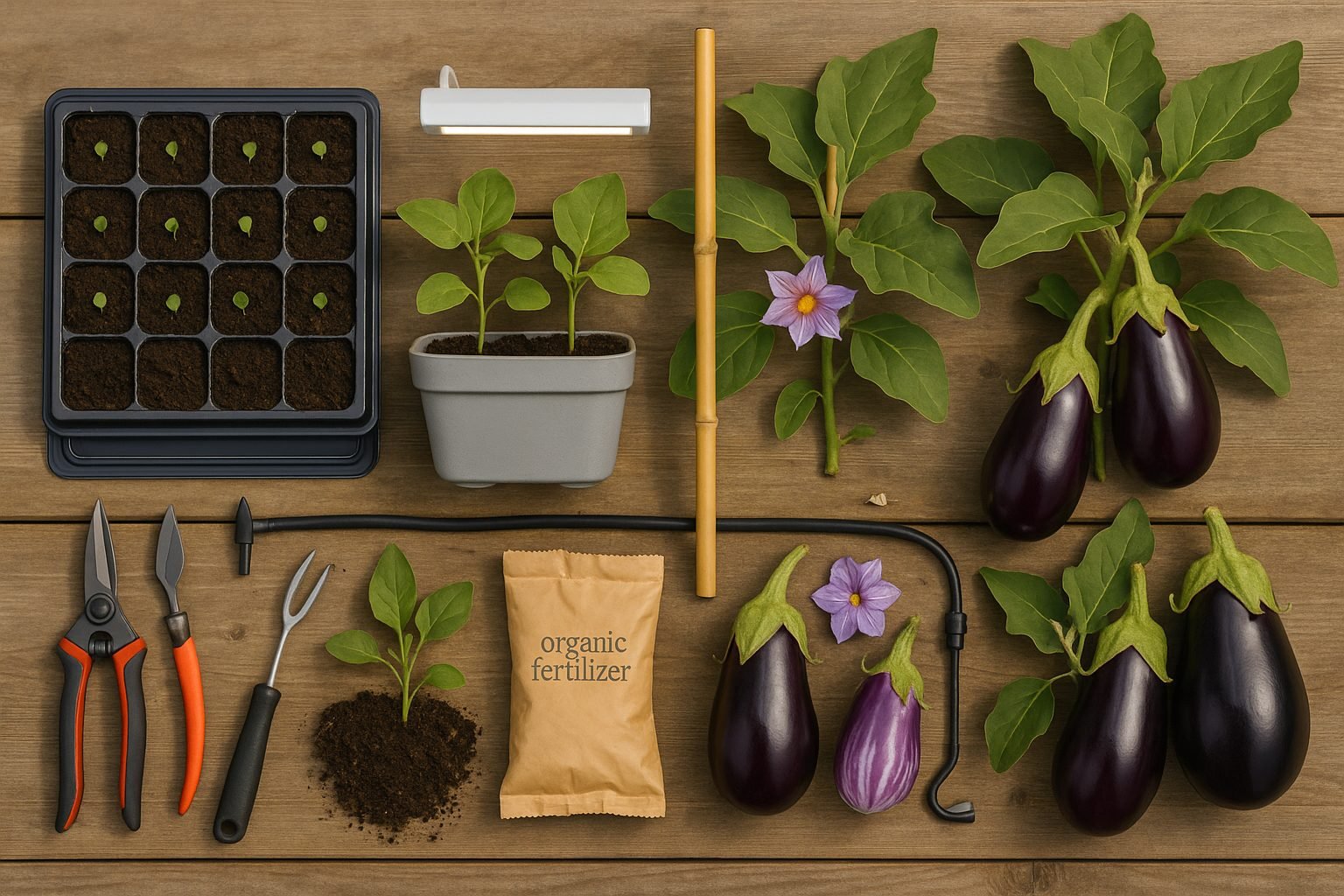
Proper care is essential for a thriving hanging eggplant, especially since containerized plants face different stresses than those grown in the ground. Watering is key: hanging baskets dry out quickly, so it’s important to check moisture daily, especially during hot weather. Aim to keep the soil evenly moist but not soggy—lift the basket to gauge its weight or poke a finger about an inch deep to feel for moisture. Overwatering can cause yellowing, wilting, or rot, while underwatered eggplant may develop wilted, dull, or crispy leaves and produce fewer blossoms.
A good tip is to water gently in the morning, allowing excess water to drain, and use mulch or moss lining to help retain moisture without waterlogging the roots. Consistent fertilizing keeps your hanging eggplant productive throughout the season. Start with a slow-release, balanced fertilizer at planting, then switch to a diluted liquid fertilizer every two to three weeks once plants begin to flower. Choose a formula higher in potassium and phosphorus to support fruiting; if you notice leaf yellowing or weak growth, supplement with a dose of diluted fish emulsion or organic fertilizer.
Because eggplants grow quickly and can become heavy as fruits develop, staking or support is important—even in a basket. Lightweight bamboo stakes or small tomato cages trimmed to fit can be inserted at planting time to anchor stems and prevent breakage. Another effective method is to use soft plant ties to loosely support branches along the rim or to hang sturdy twine from the basket’s edge.
Regularly pruning excess foliage and pinching out small side shoots will help your hanging eggplant conserve energy for fruit production and fit comfortably within the limited basket space, producing beautiful, harvestable fruit right from above.
Potential Challenges and How to Overcome Them
Growing hanging eggplant can be highly rewarding, but it does come with its own set of challenges. One major hurdle is limited root space since baskets can restrict root growth, which in turn affects fruit production. To help your plants thrive, choose the largest basket possible—ideally 16 inches or more in diameter. This gives the roots ample room and improves water and nutrient retention.
Another common issue is the need for frequent watering. Hanging baskets dry out much faster than ground beds, especially in hot weather. Using self-watering baskets or adding a layer of organic mulch on top of the soil can help retain moisture and reduce the need for constant watering.
Heat stress is also a concern since hanging baskets are often exposed to more sun and wind. Position your baskets where they receive morning sun but partial shade during the hottest part of the day—such as under a pergola or porch overhang.
Disease and pests like aphids and spider mites can be more problematic in container-grown plants due to the stressed growing environment. To combat this, inspect leaves regularly, use neem oil or insecticidal soap when necessary, and remove any dead foliage to prevent fungal growth. Good air circulation is vital, so avoid crowding plants together and ensure your basket has adequate drainage holes.
By addressing these challenges early on, you can create a thriving environment for your hanging eggplant and enjoy a healthy, abundant harvest right from above.
Harvesting and Using Basket-Grown Eggplants
When it comes to harvesting hanging eggplant, timing is key for the best flavor and productivity. Eggplants are ideal to pick when they’re shiny, firm, and slightly smaller than the typical “full size” you’d expect from garden varieties—often around the size of a tennis ball or just a bit larger for compact, basket-suited cultivars like ‘Fairy Tale’ or ‘Hansel.’
Gently squeeze the fruit; it should feel firm and bounce back, not soft or wrinkled. Use sharp scissors or pruners to snip the stem, leaving about an inch attached. Check your baskets every few days, since smaller eggplants tend to mature quickly, and frequent harvesting encourages more fruiting.
These petite eggplants are perfect for grilling whole, adding to stir-fries, roasting, or slicing into crispy oven chips. Their tender skins mean less prep work, too! Don’t hesitate to experiment—basket-grown eggplants are prized for their delicate texture and mild flavor.
If you’ve tried something unique with your harvest or discovered a helpful tip, consider sharing your insights with fellow gardeners online. Growing your own food in hanging baskets is uniquely satisfying—it can transform even a tiny space into a productive, lush garden and offers a fun, hands-on way to enjoy the freshest homegrown produce possible.
Conclusion
Growing hanging eggplant is not only possible but also a fun and productive way to maximize limited space. By choosing compact eggplant varieties, providing plenty of sunlight, and regularly watering and fertilizing, you can enjoy a healthy harvest right from your balcony or porch. Hanging baskets help keep pests away and make harvesting easy. Don’t hesitate to experiment with different varieties or companion plants. Container gardening with eggplant offers both beauty and fresh produce, making it a rewarding project for beginners and experienced gardeners alike. Give it a try and enjoy the results!