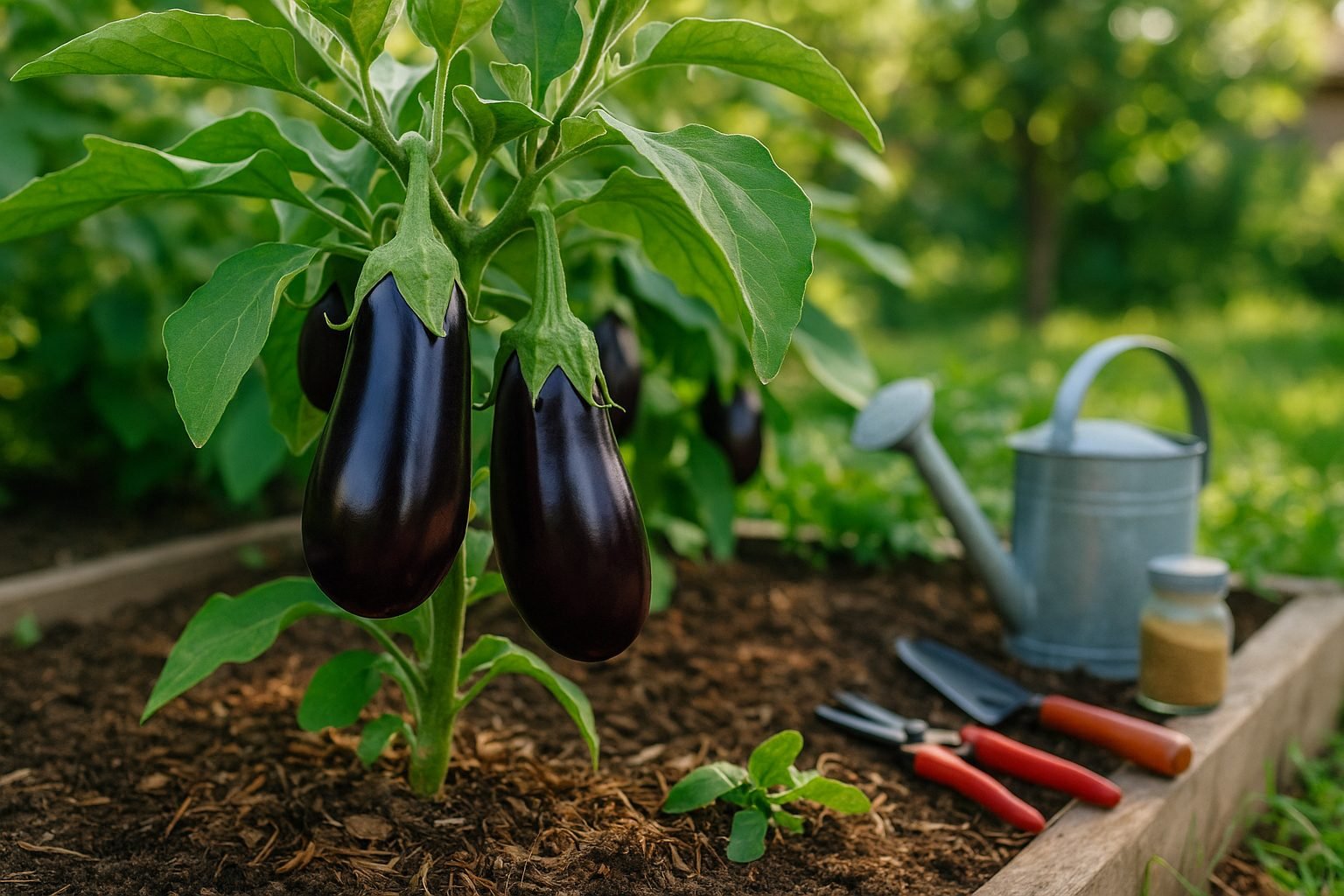
Common Reasons Eggplants Fail to Produce Fruit
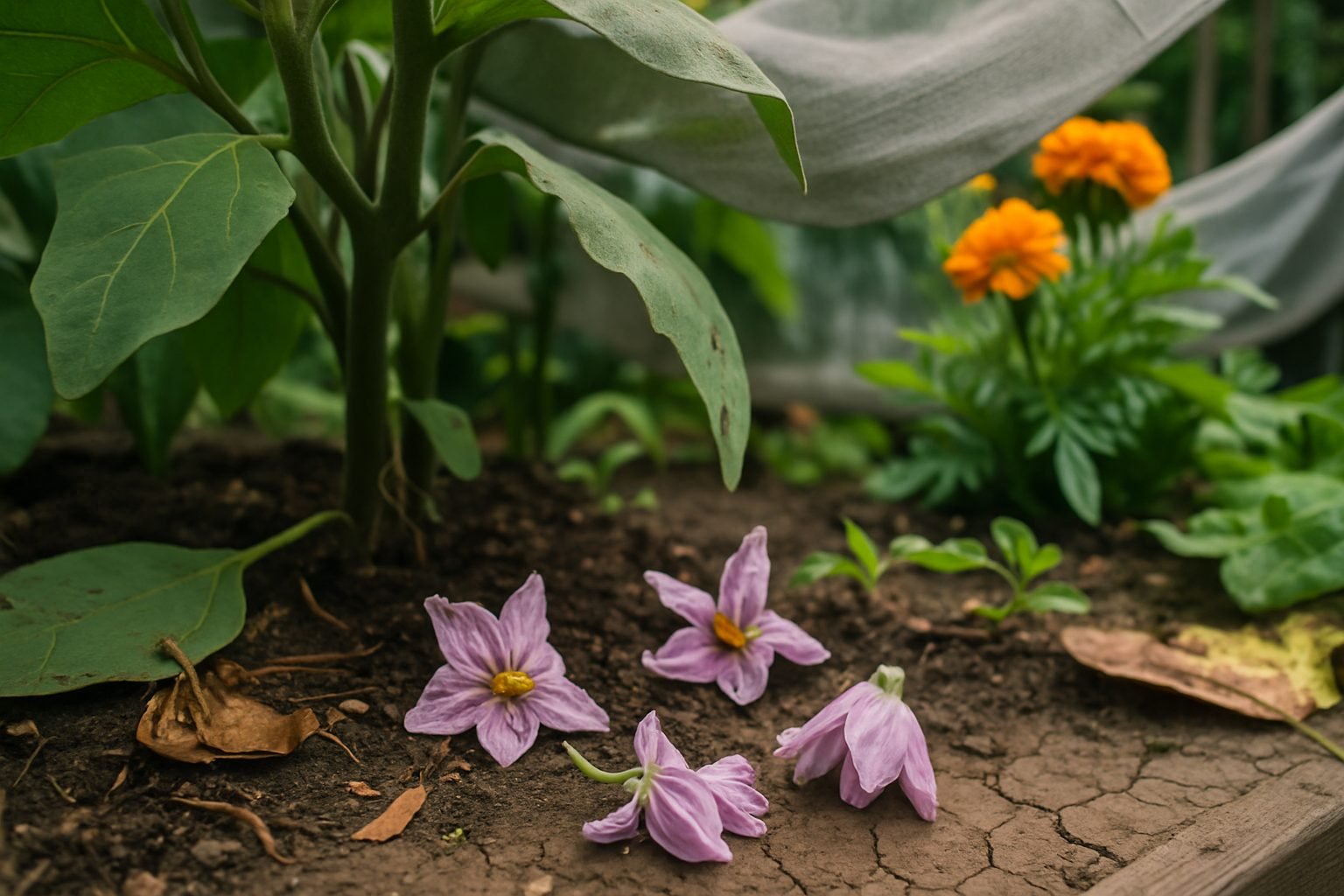
If you’re puzzled because your eggplants aren’t producing fruit despite plenty of blooms, you’re not alone. Eggplants are notorious for flowering abundantly but then dropping blossoms or simply failing to form fruit. This frustrating issue often stems from a handful of common factors.
Environmental stress leads the pack—eggplants need warm, consistent temperatures between 70°F and 85°F. If days get too hot or nights too chilly, the plants may halt fruit production altogether.
Inconsistent watering is another culprit. Both drought and waterlogged soil can cause flowers to drop before setting fruit.
Inadequate sunlight is a frequent oversight: eggplants demand full sun for at least six hours a day, so gardens tucked into a shady corner won’t yield fruit.
Pollination plays a huge role as well—while eggplants are self-pollinating, poor airflow or overly humid conditions can prevent pollen from moving between flowers, leading to fruitless blooms.
Nutrient imbalances—especially a surplus of nitrogen—may spur leafy growth at the expense of fruit. Don’t overlook soil quality either: compacted or nutrient-deficient soils prevent strong root systems and healthy development.
Lastly, pests like aphids, spider mites, or flea beetles can stress the plants and disrupt flowering and fruiting.
Examine your eggplants closely for these factors, and a few tweaks to your gardening routine should soon have those glossy fruits taking shape.
Improving Pollination for Eggplants
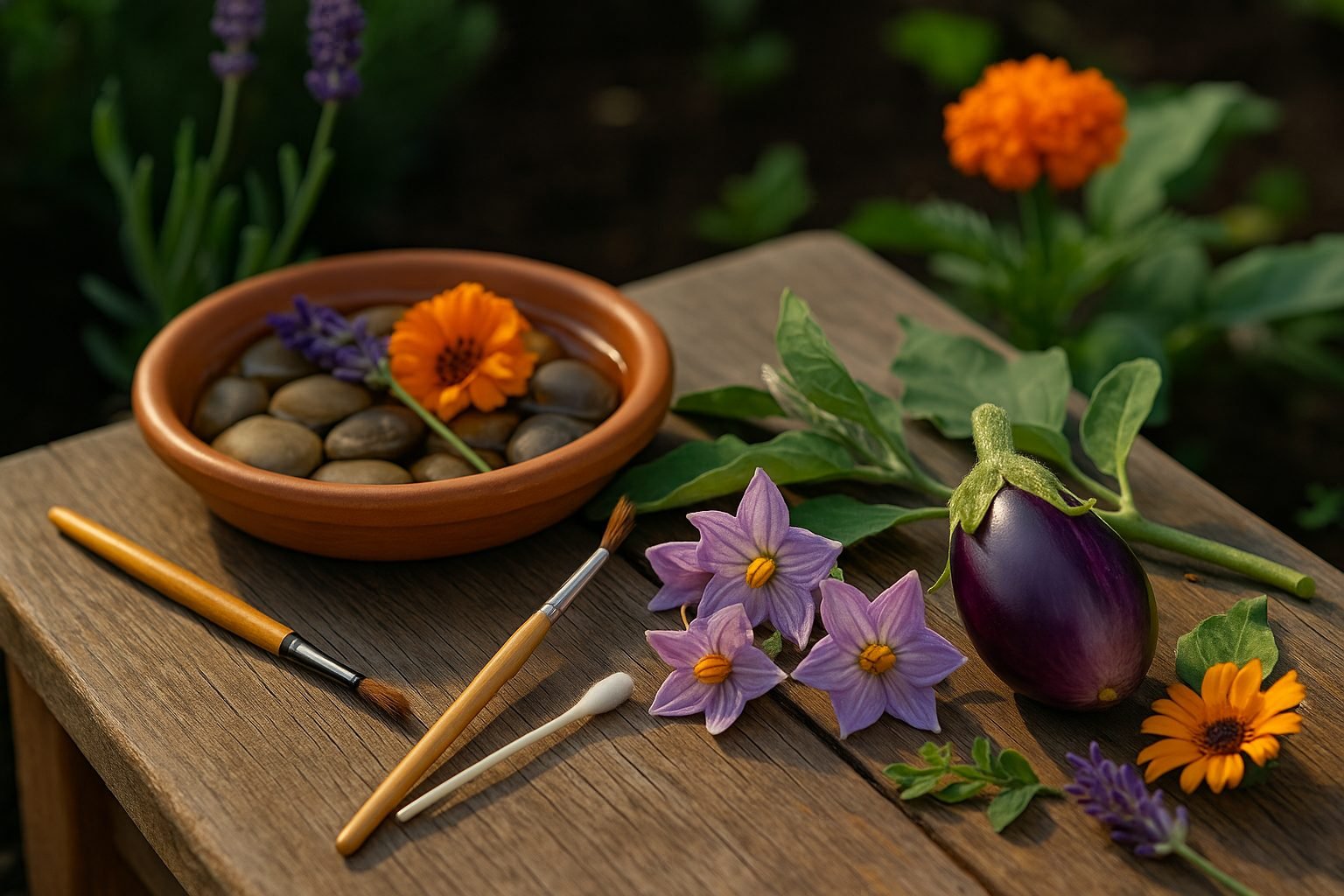
Pollination is essential for successful eggplant fruit set—without it, flowers may drop or develop small, misshapen fruits. In home gardens, pollination can fail for several reasons. Sometimes, there simply aren’t enough natural pollinators like bees present, especially in urban areas or during spells of rainy, windy, or excessively hot weather. This lack of pollinators leaves eggplants reliant on the wind, which isn’t as reliable for transferring pollen.
Gardeners can boost fruit production by hand-pollinating: use a small paintbrush or cotton swab to gently transfer pollen between flowers, or carefully shake the plant to help pollen move.
For a long-term solution, consider making your garden as attractive as possible to natural helpers.
- Plant bee-friendly flowers like lavender, marigolds, or borage nearby.
- Keep pesticide use low, opting for organic methods if pest control is needed.
- Provide a water source, like a shallow dish with pebbles for bees to rest on, to encourage pollinators to stick around.
These small steps can significantly improve your eggplant harvest and foster a thriving, self-sustaining garden ecosystem.
Optimizing Growing Conditions for Better Blooms
Healthy eggplant blooms and strong fruit set depend on getting the growing conditions just right. Aim to give your eggplants full morning sunlight—ideally six to eight hours—while offering some protection from harsh afternoon rays, which can stress the plants.
Eggplants thrive when daytime temperatures stay between 70–85°F (21–29°C), and nighttime temperatures don’t dip below 55°F (13°C). If you’re in a hot climate or facing a heatwave, consider relocating container-grown plants to a spot with dappled shade during peak sun or use a lightweight shade cloth to filter the intensity.
Good air circulation is key to preventing fungal diseases and supporting healthy pollination, so space your plants 18–24 inches apart and avoid crowding.
To keep blooms from dropping, maintain even soil moisture. Deeply water the base of your eggplants whenever the top inch of soil feels dry, but be careful not to let them sit in soggy soil. A layer of organic mulch can help lock in moisture and regulate temperature fluctuations.
With these simple adjustments, you’ll promote vibrant blooms and a robust eggplant harvest.
Nutrition and Feeding Tips for Fruitful Eggplants
Eggplants thrive when given balanced nutrition, so it’s important to focus on the primary nutrients: nitrogen (N), phosphorus (P), and potassium (K). Aim for a fertilizer with an N-P-K ratio like 5-10-10, which supports flowering and fruit development rather than leafy growth. Too much nitrogen, especially from high-nitrogen fertilizers, can result in lush, green foliage but very few fruits, so resist the urge to overfeed.
For organic gardeners, well-rotted compost or aged manure mixed into the soil before planting provides steady nutrients, while a sprinkle of bone meal helps boost phosphorus for better fruiting. Inorganic fertilizers designed for vegetables are easy and effective if you follow the package directions—apply once when transplanting and again when blooming begins.
Always water thoroughly after feeding, and check leaves for signs of deficiency, such as yellowing or poor growth, to adjust your approach as needed.
Pruning and Plant Care Practices
Pruning is a simple yet powerful way to boost the health and productivity of your plants. By carefully trimming back dense growth, you improve airflow and help sunlight reach all parts of the plant—essential for robust flowering and fruit development.
When pruning, focus on removing any suckers—those small shoots that appear at the base or in the leaf joints of plants like tomatoes—as they can divert energy away from fruit production. Also, routinely snip off old, yellowing, or diseased leaves to prevent the spread of illness and allow the plant to direct its resources to healthy growth. Use clean, sharp tools and make clean cuts to avoid damaging the plant.
Alongside pruning, regular watering, feeding with balanced fertilizer, and mulching around the base can support strong roots and steady growth, setting the stage for a bountiful harvest season after season.
Troubleshooting & Pro Tips for Fruit Set Success
If your plants are dropping blossoms or failing to form fruit, start by checking the basics—weather, water, and soil. Look for recent temperature swings; blossoms often drop if days are unseasonably hot or nights are too cold. Using shade cloth or row covers can help buffer these extremes.
Next, check soil moisture by sticking your finger about an inch deep—soil should feel damp but not soggy. Mulch can help even out watering and prevent roots from drying out. Run a quick soil test to check for nutrient imbalances: too much nitrogen promotes leafy growth instead of fruit. Add a balanced fertilizer with higher phosphorus and potassium levels to encourage flowering and fruiting.
Regularly inspect plants for pests like aphids or thrips that can damage flowers; hose them off or use insecticidal soap if needed. For stubborn cases, gently shake the plants or use an electric toothbrush to mimic pollinators, especially for tomatoes and peppers.
Rotate crops each year and add compost to boost long-term soil health. Remember, even healthy plants shed some flowers—focus on overall plant vigor rather than individual losses. Taking a few moments for honest observation and small tweaks can make a big difference in your harvest.