Introduction
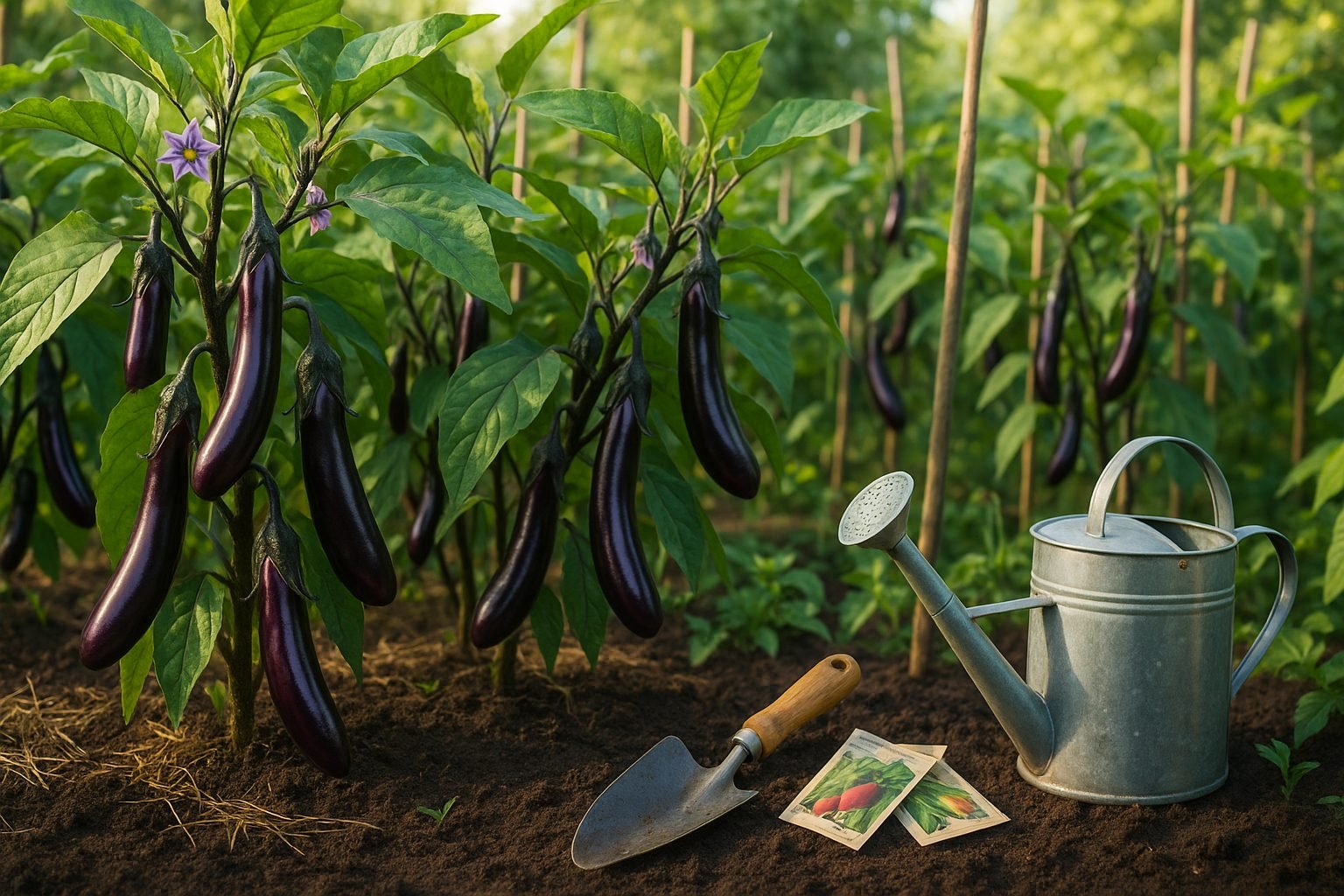
If you’ve ever wanted to add a touch of flavor and color to your vegetable garden, learning how to grow Japanese eggplant is a fantastic place to start. Japanese eggplants are prized by home gardeners for their slender shape, tender skin, and mild, sweet taste that fits perfectly into a variety of dishes—from stir-fries to grilled favorites. Their compact growth makes them ideal even for small patios or container gardening, so you don’t need a huge backyard to enjoy your own delicious harvest.
Growing eggplant at home is not only rewarding for the taste buds; it’s also practical. Fresh-picked Japanese eggplants have a noticeably superior texture compared to store-bought varieties. Plus, you can skip the waxy coating and long transport times. You’ll avoid pesticides and get to enjoy nutritious vegetables right from the vine to your kitchen table.
In this comprehensive guide, you’ll discover everything you need to successfully grow Japanese eggplant at home: from choosing the healthiest seedlings or starting from seeds, to tips on soil, sunlight, watering, and companion planting. We’ll break down how to identify and prevent common pests, good practices for organic fertilization, and easy harvesting techniques for the best flavor.
Whether you’re a beginner looking to cultivate your first crop or an experienced gardener aiming for bigger yields, this blog post is packed with practical advice and real-world examples to help you savor homegrown Japanese eggplant all season long. Let’s get growing!
Choosing & Preparing the Right Spot
Selecting the perfect spot for your eggplants is a crucial step that can make or break your harvest. Eggplants thrive in full sunlight—aim for a spot that gets at least six to eight hours of direct sun daily, since too much shade can lead to leggy plants and fewer fruits. If you can, choose an area that’s also sheltered from strong winds, which can damage stems and flowers.
When it comes to soil, eggplants love rich, well-drained ground. Sandy loam or loam soils are ideal, but the key is to avoid clay-heavy spots that hold water, as soggy roots often lead to disease. Before planting, test your soil’s pH—it should be slightly acidic to neutral (around 6.0 to 7.0). Mix in plenty of compost or well-rotted manure to boost fertility, and work the soil to a fine tilth so roots can spread easily.
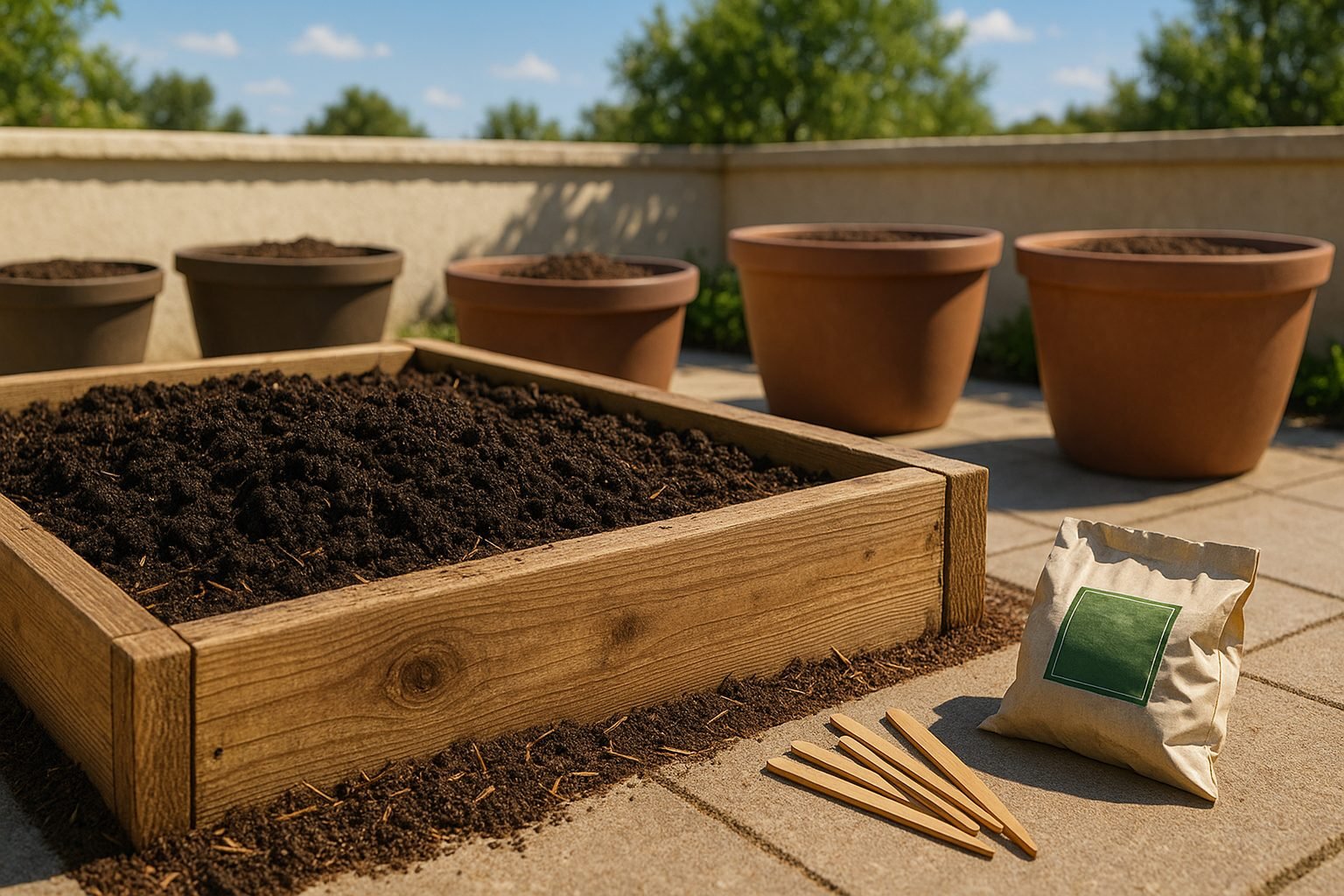
For in-ground planting, clear any weeds and ensure your planting bed is raised or at least not in a low-lying area to prevent puddles. If you’re working with poor native soil, consider using raised beds filled with a mix of compost, garden soil, and a handful of slow-release fertilizer.
Container gardeners should pick pots at least 14–18 inches wide and deep, and use a high-quality potting mix combined with compost—eggplant roots need space and good drainage. Place containers in your sunniest spot (like a south-facing patio), and be diligent about watering, as pots dry out quickly.
For all setups, mulch around plants with straw or bark to lock in moisture and discourage weeds. By paying attention to location, soil, and care, you’ll set your eggplants up for a strong, healthy season.
Starting Your Eggplant: Seeds & Planting Techniques
When it comes to growing eggplant, gardeners often face the choice of starting from seeds or using transplants. Starting seeds indoors offers access to unique varieties and more control over your plants, but it requires more time and attention upfront. Transplants, on the other hand, are convenient and save several weeks, especially in cooler climates with short growing seasons.
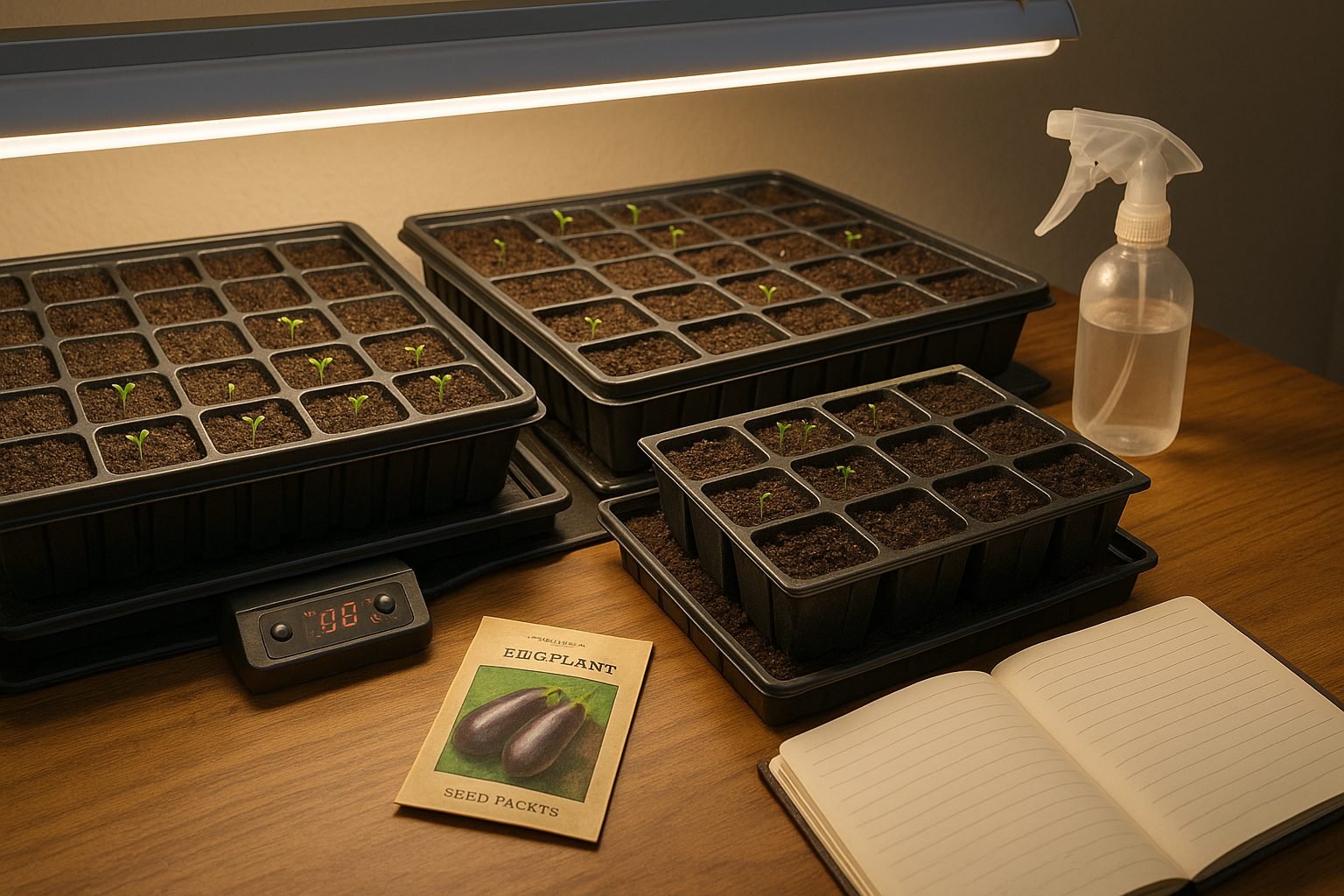
To start seeds indoors, sow them about 8-10 weeks before your last expected frost. Fill seed trays or cell packs with quality seed-starting mix, plant seeds ¼ inch deep, and gently water them in. Place the trays in a warm area—eggplant seeds germinate best at temperatures around 75-85°F—using a heat mat if available. Keep the soil consistently moist but not soggy, and provide plenty of bright light from a grow light or a sunny windowsill.
As seedlings emerge, thin them to keep the strongest ones. Once they have two sets of true leaves, you can pot them up if their roots outgrow the containers, or begin hardening them off. To harden off, gradually introduce the seedlings to outdoor conditions over a week, increasing sun exposure and reducing watering.
Direct Sowing
If you prefer direct sowing, wait until nighttime temperatures are consistently above 55°F, since eggplants are highly sensitive to cold. Prepare the garden bed by loosening soil and mixing in compost. Sow seeds ¼ inch deep and 18-24 inches apart, giving the plants plenty of room and good air circulation.
For both starting methods, ensure proper spacing; overcrowding can stunt growth and increase disease risk. When transplanting seedlings—whether homegrown or purchased—plant them at the same depth they grew in their pots, spacing them 18 to 24 inches apart in rows 2 to 3 feet apart. Water thoroughly and mulch around plants to retain soil moisture and suppress weeds.
Additional Tips for Success
- Pre-soaking seeds overnight in warm water can improve germination speed.
- Seedlings benefit from a gentle breeze, either from a fan indoors or natural outdoor breezes during hardening off, which strengthens their stems.
- Avoid overwatering; eggplants dislike soggy soil. Let the surface dry slightly between waterings.
With careful attention to timing, spacing, and early care, you’ll set yourself up for a robust and productive eggplant harvest—whether you’re working with seeds or transplants.
Ideal Growing Conditions & Ongoing Care
To give your plants the best chance at thriving, start by providing them with the right environment. Most garden vegetables and popular houseplants prefer temperatures between 65–75°F (18–24°C), so try to keep them away from chilly drafts or scorching sunlight.
Place your plants where they’ll receive at least 6–8 hours of bright, indirect sunlight each day—south-facing windows are usually a good pick for indoor gardens, while outdoor plants bask happily in spots that get morning sun.
When it comes to watering, consistency is key. Check soil moisture by sticking your finger an inch deep—water only if it’s dry at that level, and always avoid leaving roots sitting in puddles, as soggy soil leads to root rot. A good rule for most crops is to water deeply once or twice a week rather than giving light sprinkles every day.
For healthy growth, fertilize every 4–6 weeks during active growth seasons (spring and summer). Choose a balanced fertilizer (like 10-10-10) or, for leafy plants, one slightly higher in nitrogen. Granular, slow-release formulas reduce the risk of overfeeding, while liquid feeds work faster for quick boosts.
Pruning is simple but essential. Regularly pinch off dead or yellow leaves to keep plants tidy and prevent disease, and trim back leggy stems to encourage fuller growth. Herbs like basil benefit from pinching just above leaf nodes, while tomatoes appreciate the removal of lower leaves and suckers to promote better air flow.
For taller or vining plants, add stakes, cages, or trellises early to provide solid support as they grow—this helps prevent breakage and keeps fruit off the ground.
Finally, keep a watchful eye for pests like aphids or spider mites by checking leaf undersides weekly, and remove any affected leaves promptly. Spraying with insecticidal soap or neem oil is often enough for minor infestations. Prevent disease by watering at the base of plants, not overhead, and spacing your plants so there’s plenty of air movement around them, which discourages mold and mildew.
These steps, though simple, make a big difference and ensure your plants stay resilient, productive, and healthy all season long.
Common Challenges: Pest & Disease Management
Growing eggplant comes with its share of pest and disease challenges, but learning to spot trouble early and using smart management strategies can make all the difference.
Common eggplant pests include:
- Flea beetles: tiny black jumping bugs that leave shotgun-like holes in leaves.
- Aphids: cluster on tender stems and the underside of leaves, sucking sap and leaving sticky residue.
- Spider mites: cause a mottled yellow appearance and webbing on leaves.
To manage these pests organically, try:
- Using row covers to protect young transplants.
- Encouraging natural predators like ladybugs in your garden.
- Spraying plants with a gentle soap-and-water solution to control aphid populations.
- Handpicking larger pests like Colorado potato beetles and dropping them into soapy water.
Integrated pest management (IPM) combines these organic methods with regular monitoring so you can treat small problems before they turn into infestations.
Besides pests, eggplants are prone to diseases such as:
- Verticillium wilt: leads to yellowing and wilting.
- Powdery mildew: recognizable by its white, powdery coating on leaves.
To prevent these diseases:
- Space plants for good air circulation.
- Water at the base to keep leaves dry.
- Rotate crops each season to avoid soil-borne pathogens.
- Remove and destroy affected leaves promptly.
- Consider applying neem oil or a baking soda spray for fungal problems.
With consistent attention and a mix of proactive strategies, you can keep your eggplants healthy and productive all season long.
Harvesting & Post-Harvest Handling
Knowing when eggplants are perfectly ripe is key to a tasty harvest. Look for glossy, deep-colored skin—eggplants should be firm but not rock hard. Gently press your finger into the flesh; if it springs back, they’re ready to pick. For most varieties, it’s best to harvest when the fruit is about one-third to two-thirds of its maximum size (usually 6–8 inches long), since over-mature eggplants can become bitter and spongy. Small, underdeveloped fruit also lack flavor, so strike a balance by checking your plants every few days.
When you’re ready to harvest, use clean, sharp garden shears or a knife, cutting the stem about an inch above the cap. Never tug or twist the fruit, as this can damage both the plant and the eggplant itself—leaving wounds that invite disease. Be gentle, supporting the fruit with one hand while you cut with the other.
Once harvested, avoid washing the eggplants until you’re ready to use them, since excess moisture can encourage rotting. For storage, loosely wrap unwashed eggplants in a paper towel and keep them in a cool spot (ideally 50–54°F), like a refrigerator crisper drawer. They’ll stay fresh for 4–7 days. Remember to check them often and use any that begin to show soft spots or dullness promptly.
Fresh eggplants are versatile—slice them into rounds for grilling with a drizzle of olive oil, cube and roast them for salads, or blend them into baba ganoush. For longer storage, try blanching and freezing slices, or making a batch of ratatouille to enjoy the harvest well after the season ends.
Top Eggplant Varieties for Home Gardens
Choosing the right eggplant variety can make all the difference in your home garden, especially if you’re aiming for reliable harvests and standout flavors. For beginners, the classic Black Beauty is a perennial favorite—its glossy, deep purple fruits are easy to grow, highly productive, and perfect for baking, grilling, or frying.
If you have a smaller garden or limited container space, try the Patio Baby, which produces adorable, miniature eggplants on compact plants that thrive on balconies or patios.
Asian types like Ichiban or Oriental Express are valued for their slender, tender fruits, which are almost seedless and cook quickly—great for stir-fries and grilling. They’re also quick to mature and handle summer heat well, making them a smart choice for warmer regions.
For gardeners in cooler climates or with shorter summers, consider Rosa Bianca, an Italian heirloom known for its pastel lavender and white coloring. Its mild, creamy flesh is less bitter and fantastic in Mediterranean dishes, plus it has a reputation for better performance in variable weather.
If you’re interested in something a bit different, Fairy Tale offers petite, lavender-striped fruits with exceptionally sweet flesh, and Thai Green produces pale green, banana-shaped eggplants popular in curries that can handle both hot and humid weather.
No matter where you grow, regular harvesting encourages higher yields. It’s also wise to check with your local seed company or extension office for varieties recommended for your specific region.
Start with 2-3 types to discover which eggplants thrive in your soil and climate, and don’t forget to experiment—eggplants are surprisingly adaptable and may just surprise you with their productivity and flavor variety.
Quick Tips for Apartment & Small Space Growing
Growing eggplant in containers or small spaces is totally doable with the right approach. Start by choosing compact varieties like ‘Patio Baby’ or ‘Little Fingers’—these stay small but still deliver impressive harvests and thrive in pots as small as 12–14 inches wide.
Use lightweight yet nutrient-rich potting mix, and make sure your container has drainage holes to prevent soggy roots. Place your eggplants in a sunny spot—balconies, patios, or south-facing windowsills are perfect since eggplants love warmth and need at least 6 hours of sunlight daily.
Water consistently, checking that the soil doesn’t dry out between waterings, but avoid overwatering, which can cause roots to rot. If you notice yellowing leaves or stunted growth, try feeding your plants with a balanced liquid fertilizer every few weeks and consider moving the pot to a sunnier spot.
For support, insert a small stake or trellis early on so branches don’t snap under the weight of growing fruit. Finally, keep an eye out for pests like aphids or spider mites, which are common in small, crowded spaces—wiping leaves with a damp cloth or spraying with insecticidal soap can keep them in check without harming your harvest.
By choosing the right variety and giving your plants a little daily attention, you can enjoy fresh eggplant from even the tiniest balcony garden.
Conclusion
Growing eggplant at home can be a truly rewarding experience, whether you’re a seasoned gardener or just starting out. In this guide, we explored essential tips for planting, watering, and caring for your eggplants, including choosing the right variety, providing ample sunlight, and managing pests naturally.
We also discussed the importance of good soil, regular feeding, and timely harvesting for optimal flavor and yield. If you’ve been hesitant to try growing your own vegetables, eggplants are a great place to start—they’re hardy, adaptable, and produce beautiful, delicious fruit you can enjoy in countless recipes.
The satisfaction of picking fresh eggplants from your garden is unmatched, and you’ll quickly notice the superior taste compared to store-bought produce. Plus, cultivating your own food can save money and reduce your carbon footprint. Give eggplant a try this season and see the difference for yourself!
We’d love to hear about your gardening journey—please share your experiences, tips, or any questions in the comments below, and join our community of home growers.