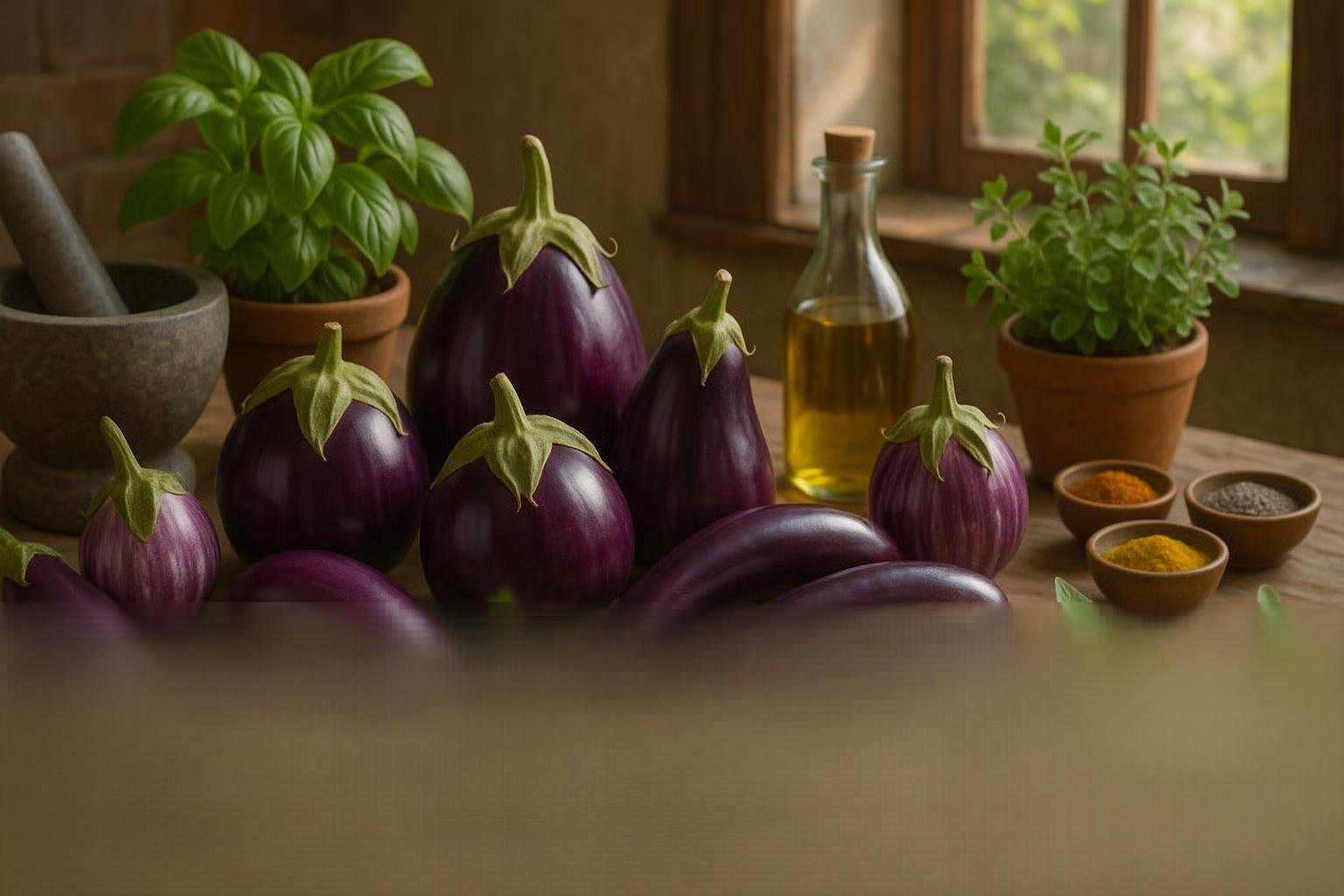
Why Eggplant Deserves a Spot in Your Kitchen
If you’re searching for delicious and practical ways to use your homegrown produce, exploring garden eggplant recipes is a must for any kitchen enthusiast. Eggplant—often called aubergine—boasts a uniquely creamy texture and a mild, slightly sweet flavor that stands apart from any other vegetable.
Whether it’s melting into the sauce of Italian caponata, holding smoky char in Middle Eastern baba ghanoush, or adding a hearty bite to Asian stir-fries, eggplant is a beloved staple in kitchens from the Mediterranean to the Far East. This vegetable isn’t just prized for its culinary versatility; it’s also a powerhouse of nutrition, offering gut-friendly fiber, cholesterol-lowering antioxidants like nasunin, and vitamins such as B1 and B6, all in a low-calorie package.
Despite these benefits, many home cooks shy away from eggplant due to memories of bitter flavors or rubbery textures. In reality, modern eggplant varieties have been bred to minimize bitterness, and with a few simple tips, you can avoid common pitfalls.
Look for firm, glossy eggplants with unblemished skin and a weight that feels substantial for their size—these are signs of ripeness and freshness. Smaller eggplants are generally more tender and less likely to be bitter. For extra insurance, sprinkle slices with a bit of salt and let them rest for 20–30 minutes before cooking; this draws out excess moisture and softens any lingering bitterness.
Adding eggplant to your rotation isn’t just about flavor—it’s also about embracing a global tradition. From India’s rich baingan bharta to France’s layered ratatouille, every culture has mastered its own ways to showcase the humble eggplant.
The vegetable’s spongy flesh eagerly soaks up spices, herbs, and sauces, making it an ideal candidate for experimenting with bold flavors from your own spice cabinet or garden. Next time you harvest a basket of glossy purple fruit, remember that garden eggplant recipes are not just another way to use up your crop—they’re an invitation to a world of nourishing, inventive, and truly satisfying meals.
Prepping Eggplant: Tips & Tricks for Perfect Results
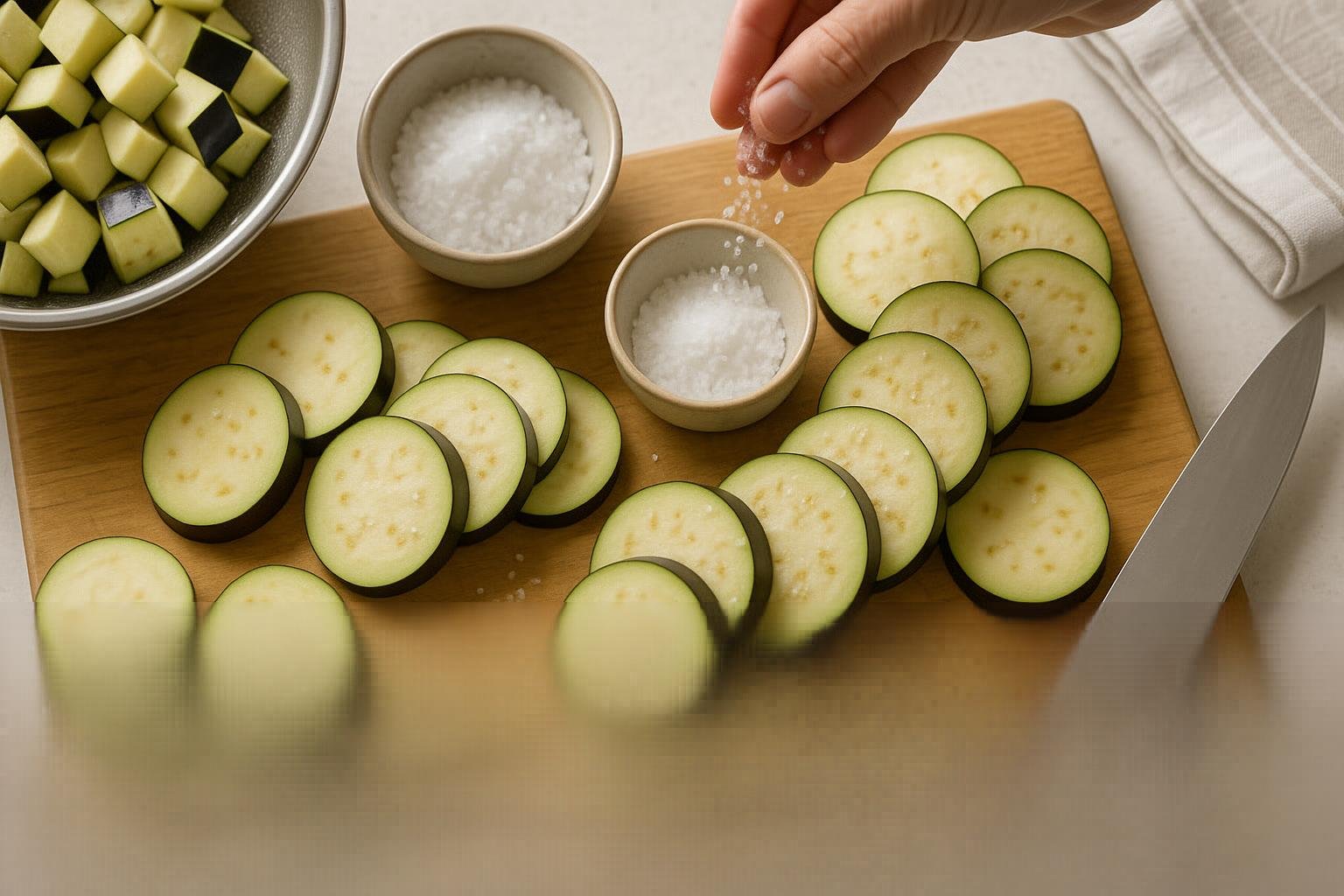
Salting eggplant is a traditional kitchen step that helps draw out excess moisture and reduce any lingering bitterness, especially in older or larger globe eggplants, which can sometimes taste sharp and have more seeds. To do this, simply cut the eggplant into your desired shapes—whether cubes for stews, long strips for grilling, or classic rounds for dishes like eggplant Parmesan—then sprinkle them with salt and let them rest in a colander for 20–30 minutes. You’ll notice beads of moisture form; rinse under cool water and gently pat dry.
This process improves texture by preventing sogginess and helping the eggplant brown more easily during cooking. That said, with younger, smaller, or thinner-skinned varieties such as Japanese or Chinese eggplant, bitterness is rarely an issue, so you can skip salting and jump right to prepping.
Cutting and Cooking Shapes
When it comes to cutting, different shapes suit different dishes:
- Cubes: Great for hearty curries or ratatouille.
- Thin slices: Perfect for layering in lasagna or moussaka.
- Rounds: Ideal for roasting or pan-frying.
Each shape affects cooking time—smaller pieces cook faster, while thicker rounds hold their shape better for grilling.
Choosing the Right Eggplant Variety
Eggplant varieties also make a difference:
- Globe eggplants: Large and meaty, perfect for slicing.
- Japanese and Chinese eggplants: Slender and delicate, better for stir-fries or quick roasting.
Peeling and Texture Tips
Peeling is optional—the skin is edible and rich in nutrients but can be tough on bigger globe eggplants. If you’re making something where a silky texture is key, like baba ganoush, peel the eggplant first; otherwise, leave the skin on for extra flavor and fiber.
To minimize bitterness and achieve an ideal creamy texture, use fresh, firm eggplants, avoid overcooking, and remember that proper salting and draining pay off in the final dish. If you’re in a hurry or using mild varieties, don’t stress—modern eggplants are bred to be less bitter, so with careful selection and good technique, you’ll get tasty results every time.
Mastering the Cooking Techniques: Roasted, Grilled, Sautéed & Fried
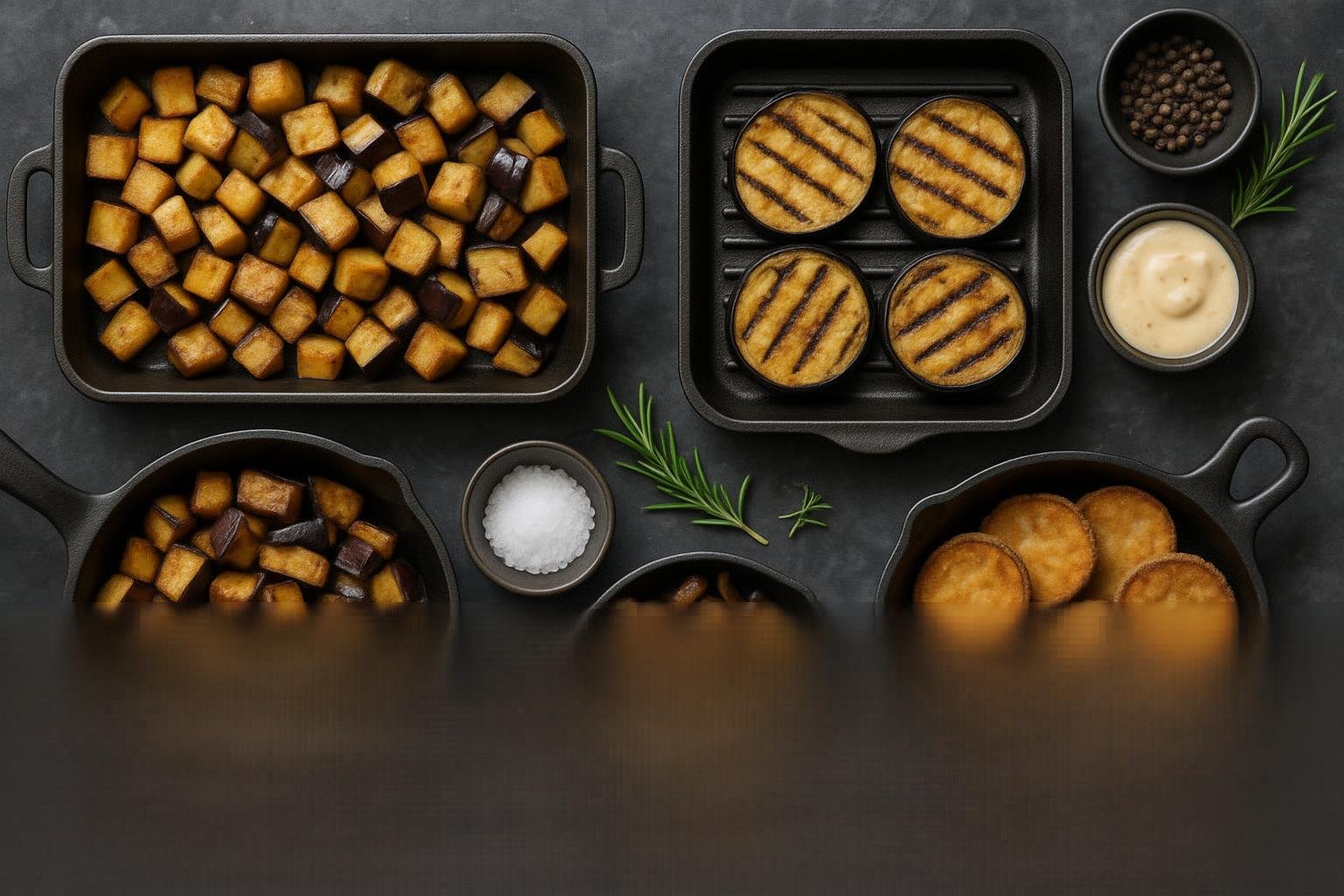
Eggplant is a wonderfully versatile vegetable, and mastering a few classic cooking techniques—roasting, grilling, sautéing, and frying—can unlock a world of flavors and textures.
Roasting
Roasting is perhaps the most forgiving method: simply cube or slice the eggplant, toss with olive oil, salt, and pepper, and roast in a single layer at 400°F for 25-30 minutes. This technique caramelizes the edges, giving a sweet, mildly smoky flavor and a creamy, tender texture—making it ideal for dips like baba ganoush or as a hearty salad add-in.
Grilling
If you’re after a smoky, charred note, grilling is your best friend. Thick eggplant slices brushed lightly with oil grill beautifully over medium-high heat for about 3-4 minutes per side. To prevent burning or sticking, be sure your grill is well-oiled and preheated. Grilled eggplant shines in Mediterranean sandwiches or as a steak substitute on veggie platters.
Sautéing
Sautéing works well when you want a faster, stovetop method. Cut the eggplant into cubes or strips, salt them in advance for 20-30 minutes to draw out excess moisture (which helps avoid sogginess), pat dry thoroughly, and cook in hot oil until golden and just tender, about 8-10 minutes. This yields a rich, slightly crispy exterior and a soft bite, perfect for stir-fries or pasta sauces.
Frying
Frying—think classic eggplant Parmesan—involves dredging thin slices in flour or breadcrumbs and frying in hot oil for 2-3 minutes on each side. To avoid an oily mess, make sure your oil is properly hot (about 350°F), don’t crowd the pan, and drain on paper towels immediately. Properly fried eggplant is irresistibly crisp outside and pillowy inside, a mainstay in Italian or Middle Eastern comfort dishes.
Choosing the Right Technique
Ultimately, each technique brings out a unique side of eggplant:
- Roasting for sweetness and depth
- Grilling for smokiness
- Sautéing for versatility
- Frying for indulgence
Consider your end goal—a creamy dip, a smoky side, a hearty stew, or a crispy main—and pick the technique that best complements your recipe’s flavor and texture needs.
Must-Try Eggplant Recipes: Classics & Creative Ideas
Eggplant is a superstar in kitchens worldwide, thanks to its versatility and ability to soak up flavors. If you’re looking to start with the classics, Eggplant Parmesan is a comforting favorite: breaded eggplant slices are layered with marinara and cheese, then baked until bubbly.
For a lighter, vegan twist, swap out the cheese for a cashew-based or store-bought vegan cheese, and consider roasting the eggplant instead of frying for a healthier option.
For a taste of the Mediterranean, try roasting thick rounds of eggplant with olive oil, garlic, and herbs—roasting caramelizes the sugars and deepens the flavor, making it ideal for salads or served alongside grilled proteins.
Baba ganoush is a smoky, creamy dip made by grilling or roasting whole eggplants until the skin is charred and the flesh is silky, then blending with tahini, lemon, and garlic; this dish is naturally vegan and gluten-free, perfect for sharing at gatherings.
Don’t overlook sautéed eggplant dishes, where bite-sized cubes are quickly cooked in a hot pan with olive oil, onions, and tomatoes, resulting in tender morsels that shine as a side or tossed in with pasta.
For even more customization, try stuffing halved eggplants with a mix of quinoa, lentils, veggies, and spices for a hearty vegetarian main—eggplant’s boat-like shape holds fillings well and absorbs seasonings beautifully.
Remember, using techniques like salting sliced eggplant before cooking can help draw out bitterness and excess moisture, especially important for frying and baking.
Whether you’re trying out time-honored recipes or inventing your own veggie-packed creations, eggplant’s unique texture and mild, blank-slate taste make it an ingredient worth celebrating in both classic and creative ways.
Flavor Pairings & Serving Suggestions
Eggplant is incredibly versatile and serves as a flavorful canvas for a wide range of herbs, spices, sauces, and cheeses. To highlight eggplant’s natural earthiness, start with Mediterranean staples like garlic, basil, and oregano—fresh or dried, these herbs enhance the vegetable’s richness.
For a Middle Eastern twist, try cumin, coriander, and smoked paprika, or swirl in some tahini for a silky, nutty finish, as found in baba ganoush. Spicy eggplant dishes, like Sichuan-style stir-fries, rely on ginger, garlic, chili, and soy sauce for bold, punchy depth.
Don’t forget cheeses that pair well with eggplant’s texture—crumbled feta adds a salty tang, while fresh mozzarella melts beautifully in baked dishes like eggplant parmesan.
Serving Suggestions
- Pair with fluffy grains such as couscous, quinoa, or rice, which soak up rich stews and roasted eggplant juices.
- Toss together a fresh tomato-cucumber salad with a splash of lemon to cut through eggplant’s richness.
- Serve a simple mezze platter with hummus, olives, and warm pita.
To refresh classic dishes, consider swapping in different sauces: try harissa or chimichurri over grilled eggplant for a spicy or herby twist, or top moussaka with goat cheese instead of the traditional béchamel.
Stuff eggplant halves with Mediterranean flavors—think bulgur wheat, pine nuts, raisins, and mint—or give them a global upgrade by adding curry paste and coconut milk for a Thai-inspired bake.
Roasted eggplant can be pureed into creamy dips with a swirl of yogurt, or diced into hearty grain bowls alongside roasted peppers and chickpeas.
Whether you prefer your eggplant smoky, cheesy, spicy, or herby, mixing up the spices, accompaniments, and garnishes allows you to reinvent this ingredient meal after meal.
Troubleshooting & Pro Tips for Cooking Eggplant
Cooking eggplant can be tricky, but with the right approach, you’ll get delicious results every time. One common issue is the vegetable soaking up too much oil and turning greasy. To avoid this, try slicing the eggplant, sprinkling it with salt, and letting it sit for 20-30 minutes before rinsing and patting dry. This draws out excess moisture and helps the flesh absorb less oil.
Bitterness is another common complaint, especially with older or larger eggplants. The salting method also helps mellow bitterness, but you can look for smaller, firmer fruits with glossy skin for a naturally milder flavor.
Sometimes eggplant ends up undercooked and spongy or overcooked and mushy. For stir-fries, cut pieces small and keep the heat high for quick, even cooking. For baking or roasting, brush with a thin layer of oil and bake at 400°F until golden and tender—usually 20-25 minutes—flipping halfway through to avoid soggy spots.
If you’re trying to make eggplant more appealing to kids or picky eaters, disguise it in familiar dishes like pasta sauce, lasagna, or cheesy baked casseroles. Eggplant Parmesan is a favorite, and blending roasted eggplant into tomato sauce adds nutrition without noticeably altering texture or taste.
For advance prep, you can slice or cube eggplant the night before and keep it in an airtight container in the fridge, optionally sprinkled with lemon juice to prevent browning. When storing leftovers, let cooked eggplant cool completely before refrigerating in a sealed tub; it usually keeps well for up to three days.
To reheat, use the oven or toaster oven at 350°F for 10-15 minutes to refresh the texture and maintain crisp edges, rather than microwaving, which can make eggplant limp.
With these simple tricks, even eggplant skeptics may find themselves going back for seconds!