What Are Flea Beetles?
If you’ve ever spotted tiny holes scattered across your crops, you might be dealing with one of the green thumb’s most frustrating enemies: flea beetles causing eggplant damage. These tiny, hopping insects are notorious for their destructive habits, especially in vegetable gardens where eggplants and related crops grow.
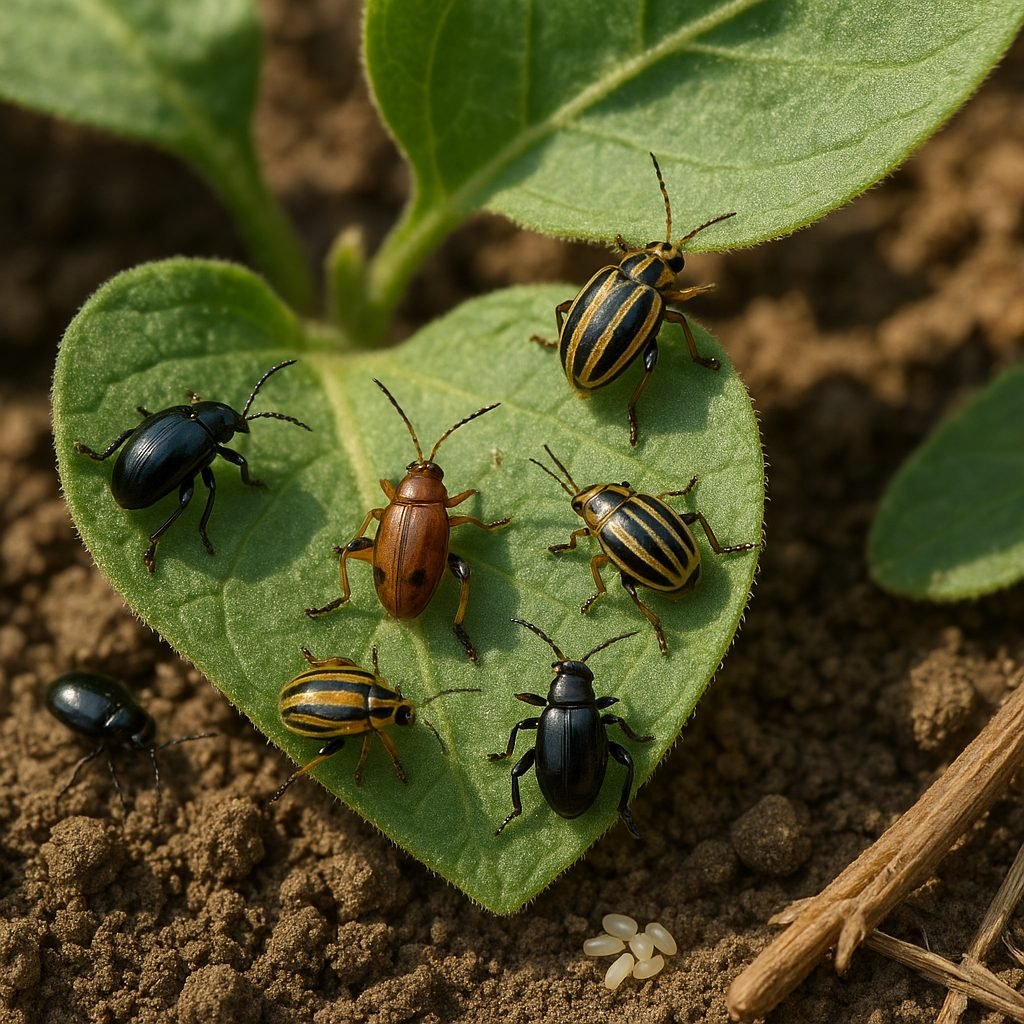
Flea beetles are a diverse group of small, shiny beetles, usually measuring just 1/16 to 1/8 of an inch. Most are black, bronze, or striped, and true to their name, they have large hind legs that let them leap away—much like fleas—whenever they sense danger or disturbance.
Their remarkable jumping ability isn’t just for show; it’s one of their main defenses against predators and makes them particularly hard for gardeners to catch. Among the many species, the most common eggplant invaders are the eggplant flea beetle (Epitrix fuscula) and the potato flea beetle, but they all share a similar appetite for tender leaves. You’ll usually find them in sunny, dry conditions, thriving on the undersides of leaves or close to the soil line, hiding until the perfect moment to feed.
The life cycle of a flea beetle is fast and efficient. In spring, adults emerge from the soil where they spent winter in garden debris or near previous host plants. Females lay tiny white eggs in the soil or at the base of host plants. A few days later, larvae hatch and feed on plant roots until they’re ready to pupate, then emerge as adults just in time to feast on new foliage. Understanding these pesky beetles’ habitats and habits is crucial; early identification and targeted intervention can make the difference between a healthy eggplant crop and serious damage.
Signs and Symptoms of Flea Beetle Damage
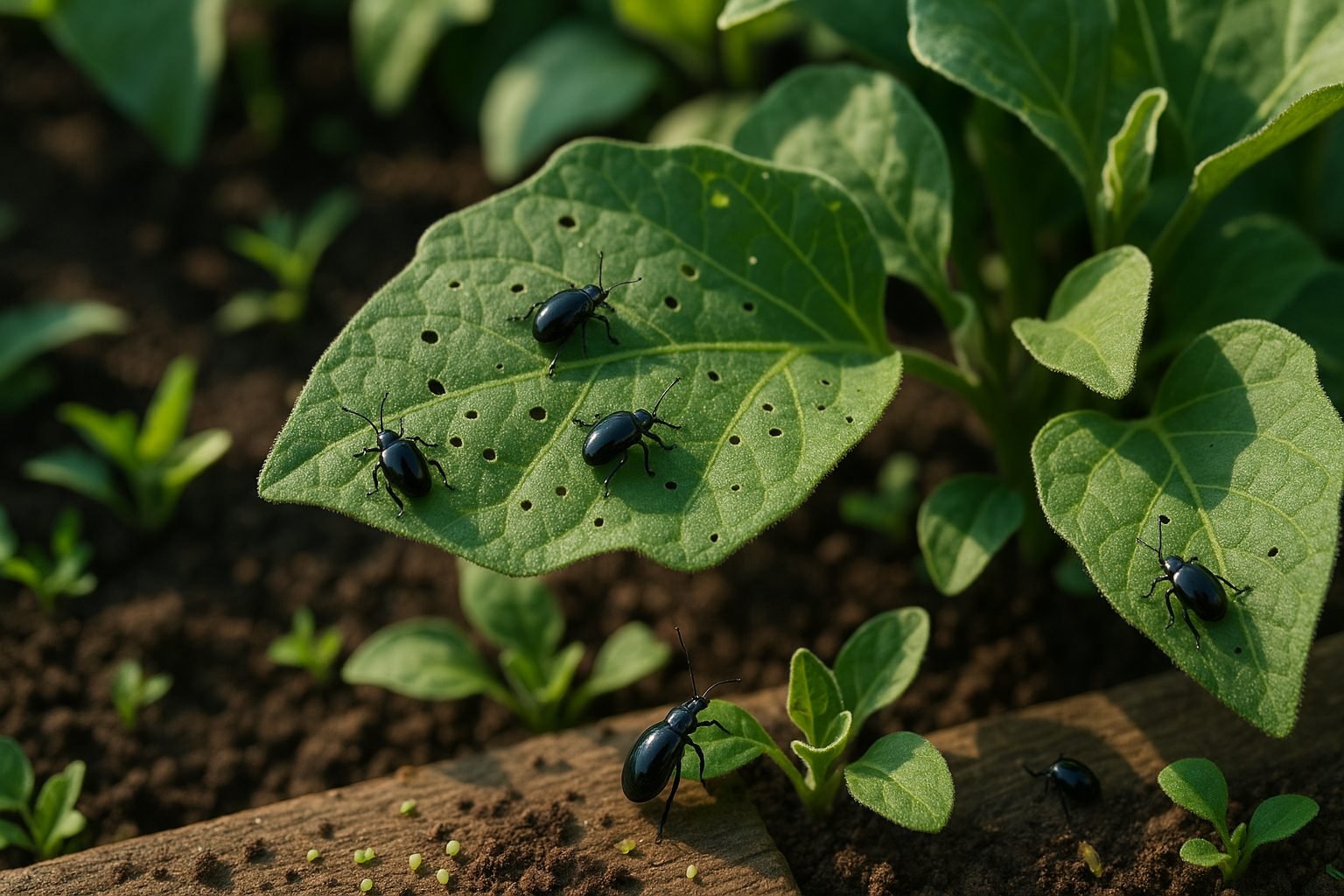
Flea beetle damage is most easily recognized by the signature “shothole” pattern they create: tiny, round holes scattered across the surface of leaves, often resembling miniature buckshot. These holes start small but can quickly multiply, especially during heavy infestations, giving foliage a lacy, skeletonized appearance.
Seedlings and young plants are especially vulnerable, and you might notice slowed or stunted growth as the beetles’ voracious feeding weakens the plant and can even kill it at the earliest stages. Common culprits include vegetables in the brassica family (like cabbage, broccoli, and radishes) as well as eggplant, potatoes, and tomatoes.
Early in the season, newly-emerged adult flea beetles target tender leaves, while by mid-summer, both adults and their larvae may cause increasingly severe damage. Distinguishing flea beetle damage from other pests relies on the precision and uniformity of the holes; unlike larger, irregular bites from caterpillars or grasshoppers, flea beetle holes are clean, small, and scattered.
You may also spot the beetles themselves—tiny, shiny, dark-colored insects that leap away when disturbed, much like fleas. Look for yellowing around the holes or finely black specks, which are often flea beetle droppings, to confirm the infestation. Early morning is the best time to inspect because beetles are less active and easier to spot.
With these visual cues, you can quickly address a flea beetle problem before it gets out of hand and causes significant setbacks to your plants’ health and yield.
Plants Most at Risk from Flea Beetles
Flea beetles are notorious for targeting a wide range of garden vegetables, with some plants especially vulnerable. Cruciferous crops like broccoli, cabbage, kale, and radishes are frequent hosts, making them favorites on a flea beetle’s menu.
These insects are also drawn to nightshades, such as eggplant, tomatoes, bell peppers, and potatoes. Among these, eggplant and young brassicas (like arugula and bok choy) tend to be the hardest hit, often because their tender leaves provide easy access for small, voracious beetles.
Potato and tomato plants may also suffer, particularly early in the season, but eggplants are usually the first to show severe damage due to their succulent leaf tissues. Young seedlings, regardless of crop, are at the greatest risk; flea beetles can rapidly skeletonize their tiny leaves, stunting growth or even killing the plant before it has a chance to establish.
Mature plants are generally better able to tolerate flea beetle feeding because their larger, tougher leaves recover more easily. However, even mature plants can suffer cosmetic damage and reduced yields if infestations are severe.
For home gardeners, the key is to monitor seedlings closely and consider protective measures like row covers, especially for particularly susceptible crops. Planting trap crops, such as radishes, to attract flea beetles away from other vegetables can also help. Keeping the garden free of weeds that might harbor these persistent pests is important too.
Always start by targeting the most vulnerable plants first—those young, leafy greens and eggplants—to help your whole garden stay resilient against flea beetle damage.
Monitoring and Early Detection
Catching flea beetle infestations early is key to preventing serious damage in your garden or crops. Start by regularly walking through your garden, especially in the early morning or late afternoon when flea beetles are most active and easier to spot.
Look closely at the undersides of leaves and stems for tiny black or bronze beetles that jump when disturbed, and check for their tell-tale “shot hole” damage on young leaves. Sticky traps can be a big help—simply place yellow or blue sticky cards at plant level to attract and catch adult beetles, giving you a quick visual on their presence and population trends.
Spring and early summer are peak times for monitoring since this is when flea beetles emerge and attack seedlings. Take notes each time you inspect, so you notice even small population changes.
Setting a regular inspection schedule—weekly at minimum during vulnerable periods—can mean the difference between a few chewed leaves and a full-blown infestation. Early detection allows you to act fast with targeted organic sprays or row covers before flea beetles multiply, helping you save time, effort, and your harvest.
Prevention and Cultural Control Methods
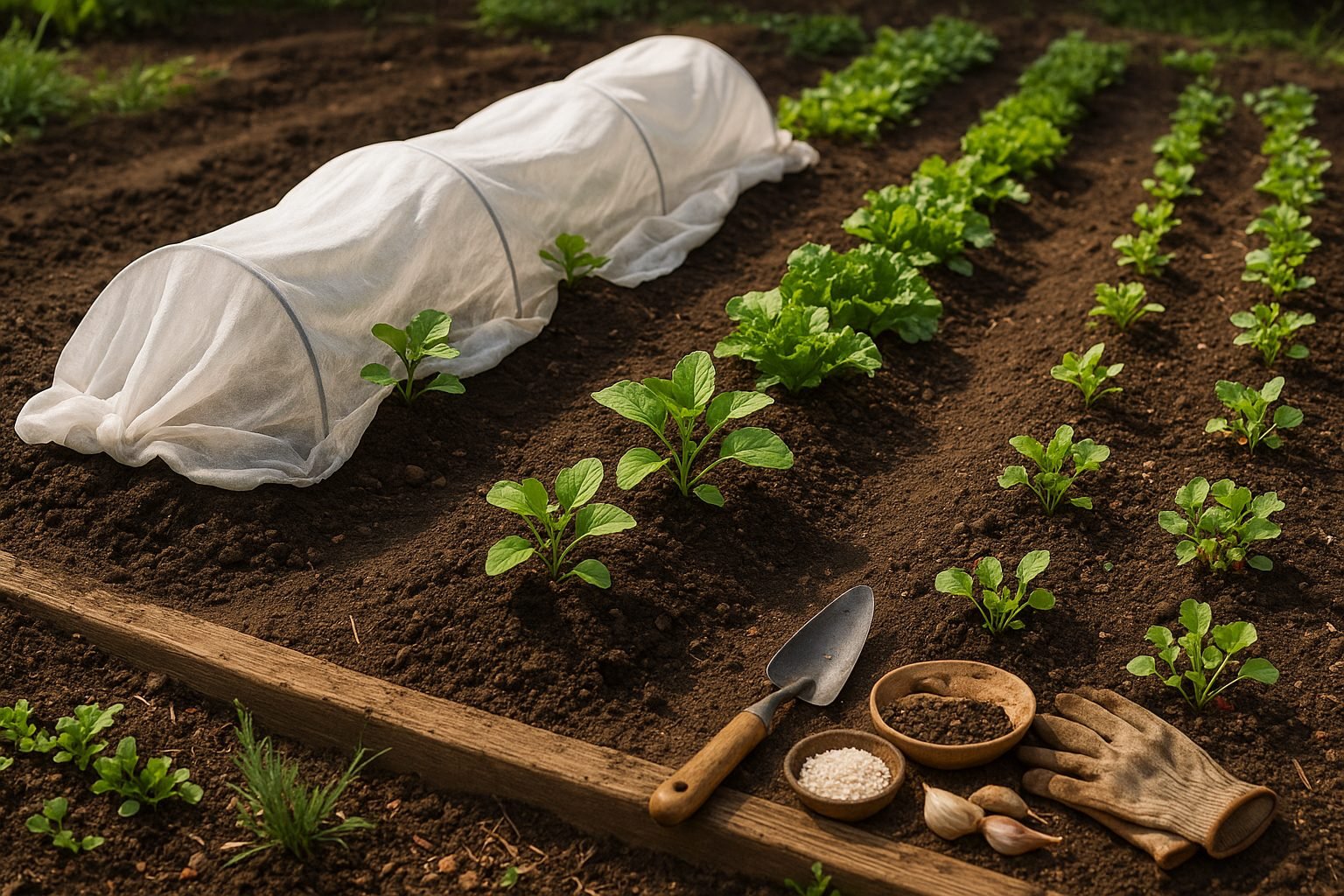
Preventing flea beetle damage starts with a few straightforward cultural control methods that work together to reduce pest pressure without heavy chemical use. One of the most effective strategies is using floating row covers right after planting—these lightweight fabrics act as a physical barrier, keeping adult beetles off your crops while still allowing sunlight, rain, and air to pass through. Make sure to secure the edges tightly with soil or weights to prevent beetles from sneaking in underneath.
Crop rotation is equally essential: avoid planting vulnerable crops like eggplant, cabbage, or radishes in the same spot each year. Rotating plant families disrupts the flea beetle’s lifecycle, as they often overwinter in soil and debris near their favorite food sources, emerging ready to feed in spring. Keeping your garden well-weeded also makes a significant difference; many flea beetles feed on weeds such as wild mustards or nightshades, so thorough and regular weeding removes alternative hosts and hiding spots.
Adjusting your planting schedules can outsmart flea beetles, too. Try direct sowing or transplanting seedlings later in the spring, once the first beetle population surge has declined and feeding pressure is lower. Conversely, in some regions, planting very early can help crops get established before beetles become active. If you struggle with persistent damage, consider using trap crops like radishes or mustard greens. Flea beetles are drawn to these plants, so you can grow them at the edge of your garden to lure pests away from more prized vegetables, then promptly remove or treat the trap crops once heavily infested.
Garden cleanliness is often overlooked but critical—remove plant debris, as flea beetles can overwinter in leftover stems and leaves. Turn over or lightly till your soil in fall and spring to bury or disrupt overwintering adults. Amend soil with compost to promote healthy plants that can better tolerate minor feeding. These practical steps, when combined, create an environment that’s less inviting to flea beetles and help your vegetables grow strong and resilient all season long.
Effective Control and Management Options
Managing pests effectively means combining different strategies to keep your garden healthy without harming people, pets, or the environment. Organic methods like neem oil and insecticidal soaps work well for many soft-bodied insects and can be sprayed directly onto affected plants. It’s important to apply them early in the day or late in the evening to avoid stressing plants and harming beneficial insects.
Introducing natural predators—like ladybugs to target aphids or lacewings for mites—can provide long-term, chemical-free control. Meanwhile, conventional pesticides might be necessary when organic solutions aren’t enough, but they should always be used as a last resort, following label directions carefully for safety and effectiveness.
One smart way to approach pest issues is through Integrated Pest Management (IPM). This means monitoring pests regularly and choosing a mix of cultural, biological, and chemical controls based on the situation. For example:
- Start by removing infested leaves by hand
- Use beneficial insects
- Apply organic sprays for moderate infestations
- Only reach for chemical treatments if damage becomes severe
Always avoid spraying during windy conditions or when pollinators are active, and be sure to rotate pesticide types to prevent resistance. Ultimately, a flexible, multi-layered strategy lets you control pests responsibly and sustainably, reducing the risk of future outbreaks while protecting your garden’s ecosystem.
Protecting Your Garden Long-Term
Maintaining a healthy, flea beetle-free garden isn’t a one-time effort—it’s all about ongoing care and staying alert to changes. Start by getting into the habit of checking your plants regularly, especially at the tender seedling stage when flea beetles can do the most damage. Look for clusters of tiny holes in leaves or the beetles themselves hopping away when disturbed.
Keeping a simple garden journal is a real game-changer; jot down when you first spot damage or pests, what weather conditions are like, and which plants are affected. Over time, this record helps you spot patterns—maybe certain veggies are attacked earlier in the season, or outbreaks follow rainy weeks.
Use these insights to tweak your strategies: row covers might be needed sooner, or companion planting can be shifted to more vulnerable crops. Remember, garden conditions change with each season, and so should your approach.
- Rotate crops yearly to reduce overwintering beetle populations.
- Clean up plant debris in the fall.
- If you notice an increase in flea beetle activity during a hot, dry spell, consider increasing mulching and watering to keep plants resilient.
Above all, don’t get discouraged by setbacks; even the most experienced gardeners battle pests from time to time. By staying observant, adjusting your methods, and learning from each season, you’ll keep flea beetle numbers in check and your garden thriving year after year.