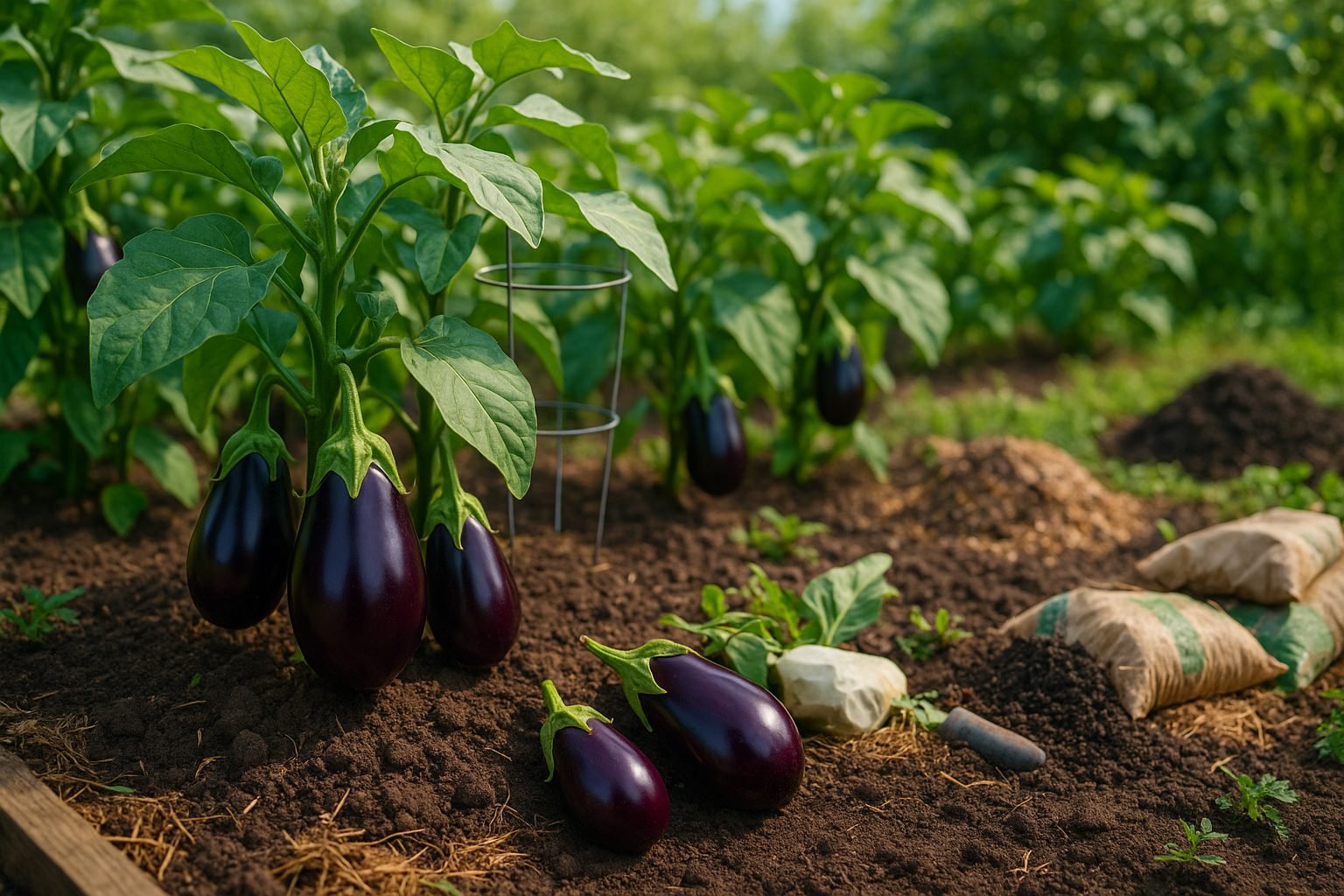
Understanding Eggplant Nutrient Needs
Fertilizing eggplant the right way is crucial if you’re aiming for a healthy, productive harvest. Eggplants aren’t just another garden veggie—they’re heavy feeders, meaning they require specific nutrients to fuel vigorous growth, abundant blooms, and tasty fruit. Nitrogen helps the plant develop strong stems and lush foliage, supporting healthy photosynthesis throughout the growing season. Without enough nitrogen, you might notice pale leaves and stunted growth, while too much can result in leafy plants that produce very little fruit.
Phosphorus is vital for root development and fruit set. If your eggplants are struggling to flower or fruit, a lack of phosphorus could be the problem. Potassium, meanwhile, ensures the plant can resist disease and develop firm, flavorful fruit. If you notice weak stems or misshapen eggplants, a potassium deficiency might be the cause.
Eggplants also benefit from essential micronutrients like calcium, magnesium, and boron—these tiny but mighty elements help prevent issues such as blossom-end rot, leaf spotting, or reduced yields. For example, calcium is key for preventing fruit deformities, while magnesium keeps leaves green and healthy.
Applying the right fertilizer blend at the correct times can dramatically influence your eggplant’s vigor and overall yield. Well-fertilized eggplants are more resistant to pests, mature faster, and produce more uniform, richly colored fruit. By understanding your eggplant’s nutrient needs and tailoring your fertilizing approach, you’ll boost both the quality and quantity of your harvest, setting your garden up for success season after season.
Choosing the Best Fertilizer for Eggplants
Selecting the right fertilizer for your eggplants can make the difference between a modest harvest and a basket brimming with glossy fruits. Both organic and synthetic fertilizers have their roles in the garden.
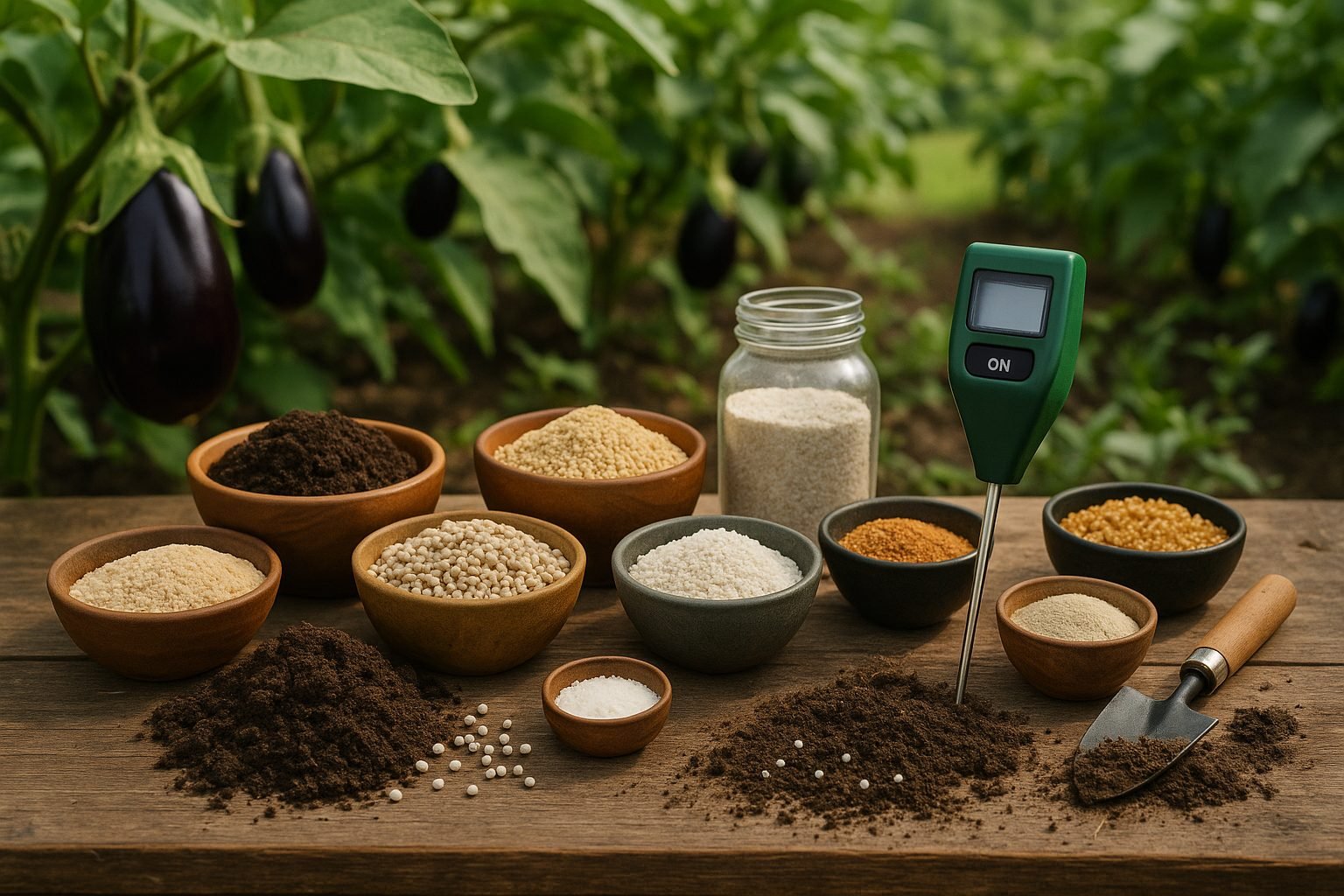
Organic options, like well-rotted compost, aged manure, or plant-based meals (such as alfalfa or cottonseed meal), are great at improving soil structure while releasing nutrients slowly. They’re ideal if you’re aiming for long-term soil health and want to nourish beneficial soil microbes. Popular organic products include Espoma’s Tomato-Tone and Dr. Earth Organic Vegetable Fertilizer, both of which contain balanced nutrients and helpful microbes.
Synthetic fertilizers, on the other hand, provide nutrients quickly and predictably—great for a fast boost. Well-known brands like Miracle-Gro Water Soluble Tomato Plant Food or Jobe’s Organics Vegetable & Tomato Granular Fertilizer are widely available and effective.
For eggplants, a balanced fertilizer—often with an N-P-K ratio (Nitrogen-Phosphorus-Potassium) around 5-10-10 or 10-10-10—is key to support leafy growth, flowering, and fruit development. When shopping, always look for the N-P-K numbers on the bag:
- The first number is nitrogen, which supports foliage growth.
- The second number is phosphorus, important for root and flower development.
- The third number is potassium, essential for overall plant health and fruit quality.
If your soil test shows plenty of nitrogen but low potassium, choose a product with higher “K”—for example, a 5-10-15 blend. Conversely, avoid excess nitrogen late in the season, as it can produce leafy plants with few fruits.
If you’re unsure, start small: apply less than the label suggests and monitor your plants, adjusting as they grow. Whether you prefer organic or synthetic, the best fertilizer is the one matched to your soil’s existing nutrients and your eggplant’s growth stage.
Preparing Soil and Pre-plant Fertilization
Before planting eggplants, taking the time to properly prepare your soil pays off with healthier plants and better harvests. Start by testing your soil using an at-home kit or through local extension services to check pH, nutrient levels, and organic matter.
Eggplants thrive best in slightly acidic to neutral soils with a pH between 6.0 and 6.8. If your soil is too acidic, add garden lime; if it’s too alkaline, use elemental sulfur. Organic matter is just as important—it boosts soil structure, water retention, and provides nutrients. Mix in a few inches of well-rotted compost or aged manure into the top 6–8 inches of soil to increase fertility and microbial activity.
For additional nutrients, consider incorporating a balanced slow-release fertilizer (such as a 5-10-10 or 10-10-10 formula) according to package directions. This ensures young plants have access to essential nutrients as they begin to grow. If your soil drains poorly or is compacted, work in some sand or peat moss, and avoid planting right after heavy rain.
Smart pre-plant soil preparation can prevent common problems like yellowing leaves or stunted growth, so don’t skip this step—healthy soil is the foundation for robust, productive eggplants.
Timing and Proper Application Methods

Getting the timing right and choosing the best fertilizer application method can make all the difference in growing healthy, productive eggplants. Start by applying a balanced, slow-release fertilizer to the planting area about a week before transplanting seedlings—this gives the roots a nutrient-rich start.
As your eggplants enter vigorous vegetative growth (around 3–4 weeks after planting), side-dress them with a nitrogen-rich fertilizer, keeping it a few inches away from the stems to avoid burning. When flower buds appear, switch to a formula higher in phosphorus and potassium to support blooming and fruit set.
Garden-grown eggplants respond well to side-dressing or broadcasting granular fertilizer evenly over the soil, then gently raking it in and watering thoroughly. For container-grown plants, liquid feeding is often easier; dilute a water-soluble fertilizer to half-strength and apply every two weeks, ensuring excess fertilizer doesn’t build up in the limited soil.
Whether in-ground or in pots, avoid over-fertilizing—too much nitrogen can delay fruiting or cause weak, leafy growth. Stick to recommended label rates and watch for signs of nutrient imbalance, like yellowing leaves (under-fertilizing) or leaf tip burn (over-fertilizing).
Always water before and after applying granular fertilizers to help nutrients reach the roots without causing damage. Consider testing your garden soil every couple of years to fine-tune your fertilization schedule. By matching timing, method, and dosage to your eggplants’ real needs, you’ll get healthier plants and a more flavorful harvest.
Avoiding Fertilization Mistakes
Many gardeners unintentionally harm their plants by over-fertilizing or not providing the right nutrients. Over-fertilization often causes leaf burn—where tips and edges turn brown due to salt buildup—and can prevent roots from absorbing water, leading to stunted growth or even plant death. On the flip side, nutrient deficiencies cause plants to yellow, weaken, or produce poor fruit, as essential elements like nitrogen, phosphorus, or potassium are missing.
Paying attention to your plant’s needs is the best way to avoid these issues. Always read the label on your fertilizer to determine the correct amount and frequency. Consider testing your soil so you know exactly which nutrients are lacking before adding anything.
If you spot signs of over-fertilization, flush the soil with plenty of water to wash away excess salts. For deficiencies, use a balanced, slow-release fertilizer or target the missing nutrient with a specific supplement. It’s also smart to compost and mulch—these natural options add nutrients gradually and improve soil health, reducing the risk of mistakes.
Taking a “less is more” approach helps your plants thrive without the stress of nutrient overload or scarcity.
Monitoring and Adapting for Success
Keeping a close eye on your eggplant crop throughout the growing season is key to maximizing yields and catching problems early. Begin by routinely inspecting your plants for signs of stress, such as yellowing leaves, stunted growth, or drooping stems—these can all hint at nutrient imbalances or pest issues.
Regularly check the soil moisture with your finger or a moisture meter, and use simple DIY soil test kits or send samples to a lab to measure nutrient levels and pH, especially after heavy rains or drastic weather changes.
If your soil test reveals nutrient deficiencies, adjust your fertilization accordingly. For instance, if you notice pale leaves and slow growth, it may be time to supplement with a nitrogen-rich fertilizer, while purple leaves could signal a need for phosphorus. Apply fertilizers sparingly, following label instructions, and avoid overfeeding, which can do more harm than good.
Keep detailed notes of what you observe and any actions you take—jotting down dates, amounts of fertilizer, weather conditions, and plant responses helps you track patterns and fine-tune your approach each season.
By consistently observing your garden, adapting to what your plants are telling you, and responding to soil test results rather than sticking rigidly to a set schedule, you’ll build the know-how to troubleshoot issues quickly and boost your eggplant yields year after year.