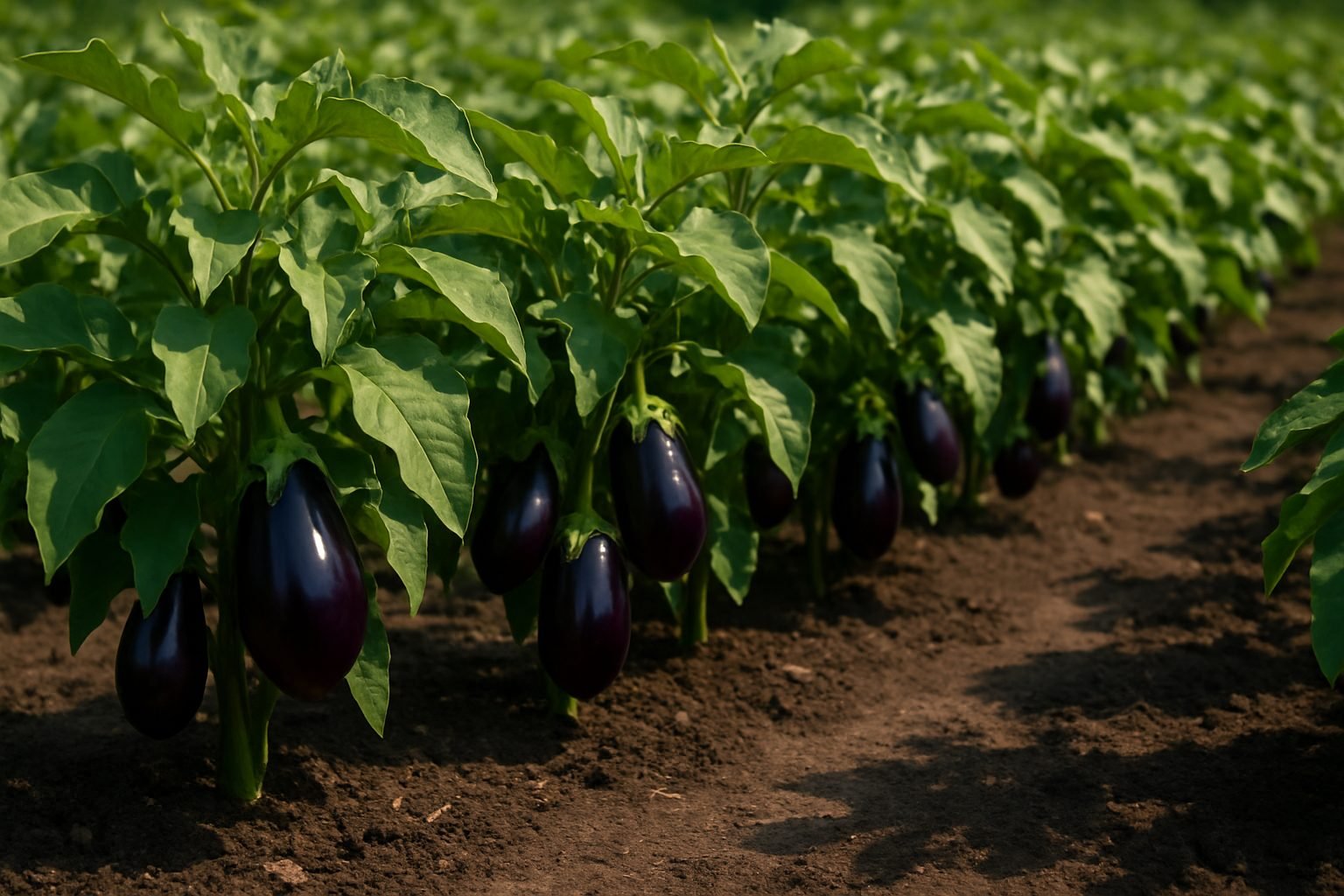
Understanding Proper Eggplant Spacing
If you’re planning your summer garden, an eggplant spacing guide is essential for getting the most out of your crop. Proper spacing doesn’t just make your garden look tidy—it plays a vital role in the health and productivity of your eggplants. When plants are too close together, they struggle for sunlight, soil nutrients, and water. Overcrowding can also trap moisture around the leaves and stems, inviting fungal diseases and pests, and stunting fruit development. For example, a cramped row of eggplants might produce small, misshapen fruits and suffer from issues like powdery mildew due to poor airflow.
On the other hand, giving your eggplants enough space allows air to circulate freely, helping to keep the foliage dry and less susceptible to disease. Well-spaced plants also develop stronger roots and produce more abundant, higher-quality fruit. Whether you’re planting in traditional garden beds or trying your hand at container gardening on a patio, applying the right spacing is key. In containers, it can be tempting to squeeze in an extra seedling, but resist the urge—each plant needs its own breathing room to thrive.
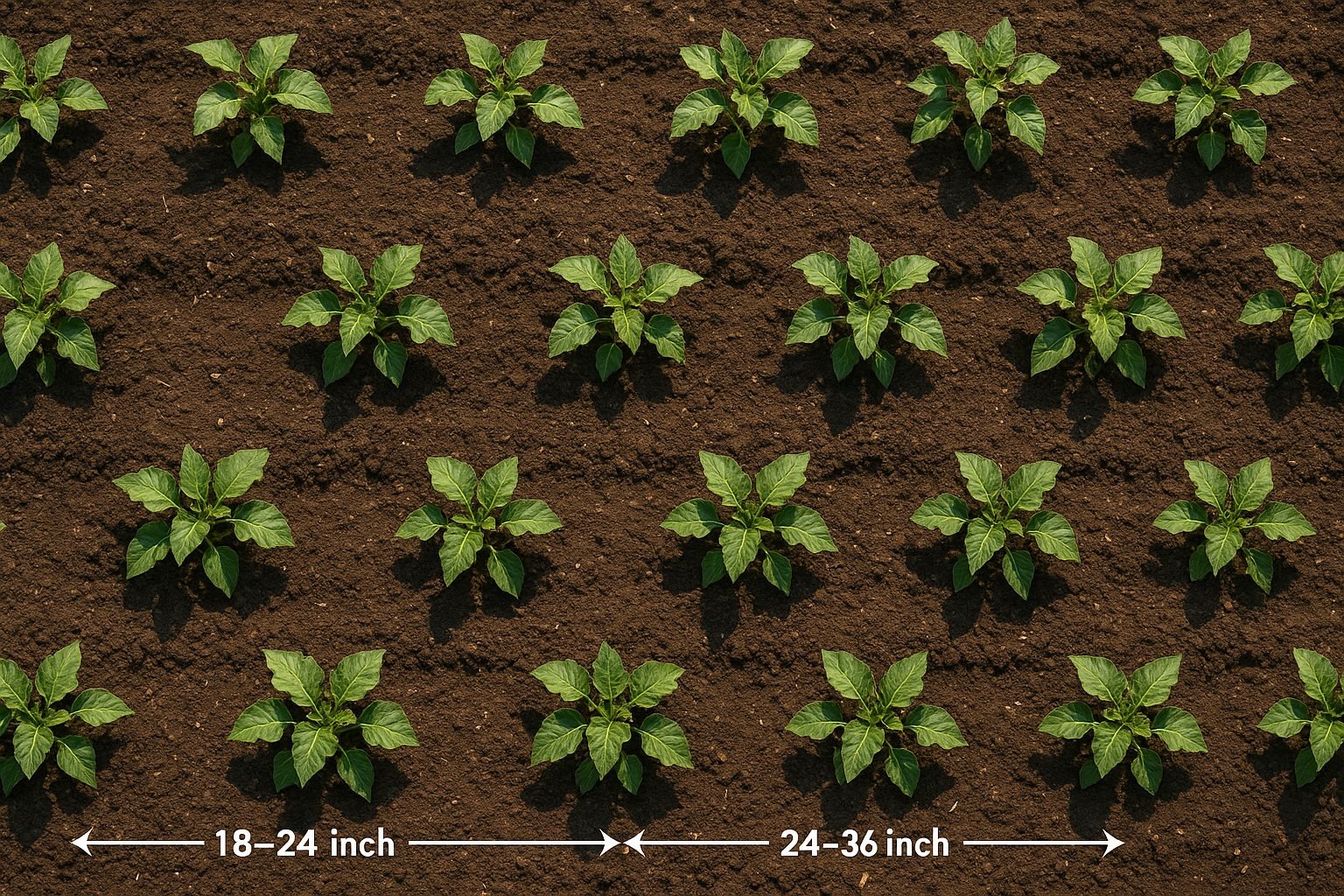
A good rule of thumb from most eggplant spacing guides is to leave at least 18 to 24 inches between each plant and about 24 to 36 inches between rows. This ensures they have enough space to expand as they mature. For containers, choose a large pot—ideally at least 5 gallons per plant—to give their roots plenty of growing area. By prioritizing proper spacing, you’ll reap the rewards come harvest time with bigger, healthier, and more flavorful eggplants. Remember, a little planning at planting time pays off in a bountiful, beautiful crop all season long.
Eggplant Spacing Guidelines for Different Settings
Getting eggplant spacing right can make a real difference in how healthy your plants are and how much they produce. For traditional garden beds, standard (larger) eggplant varieties should be spaced about 18 to 24 inches apart, with rows set 24 to 36 inches apart to allow for their broad, bushy growth and good air circulation.
If you’re growing smaller, more compact, or Asian types—like Ichiban or Thai eggplants—you can tighten things up a bit: set plants 12 to 18 inches apart in rows spaced about 24 inches apart.
In container gardening, the rules change slightly; large-fruited types need at least a 5-gallon pot per plant for their deeper roots and canopy, while compact and Asian varieties may do well with 3-gallon containers. Be sure not to crowd seedlings in shared containers—just one plant per pot is best for strong, healthy eggplants.
In greenhouse settings, you can often plant a bit closer since humidity and temperature are controlled, but good airflow is still important to prevent diseases. Consider 16–18 inches between standard plants and 12–14 inches for compact types, with rows at least 24 inches apart.
No matter your setup, always keep in mind that crowded eggplants tend to have more pest and disease issues, so err on the side of giving them a little more space if you’re unsure.
Preparing Soil and Choosing the Right Location
Eggplants thrive in soil that is loose, well-drained, and rich in organic matter—think compost or well-rotted manure mixed in before planting. Aim for a slightly acidic to neutral pH, around 6.0 to 7.0, which helps the plants make the most of available nutrients.
Good drainage is critical: soggy soil can quickly lead to root rot. If you have heavy clay soil, consider raising your beds a few inches or using large containers with holes at the bottom. Before planting, clear away any weeds or debris from the area, then use a garden fork or tiller to loosen the top 8-10 inches of soil, mixing in organic compost as you go.
For containers, choose one at least 14 inches wide and deep. Fill it with quality potting mix and blend in some slow-release fertilizer to give your eggplants an early boost.
Location is just as important as soil—eggplants need full sun, ideally six to eight hours a day, to produce healthy fruit. Look for a spot that gets uninterrupted morning and afternoon light but is protected from strong winds. Winds can break stems or stunt growth; planting near a fence, hedge, or using garden fabric as a windbreak can help.
Avoid low-lying, frost-prone areas if possible, and rotate your plantings each year to different garden beds to keep soil-borne pests and diseases in check. With a little care at the start, you’ll set the stage for robust, productive eggplants all season long.
Planting Eggplant: Seeds, Seedlings, and Transplanting Tips
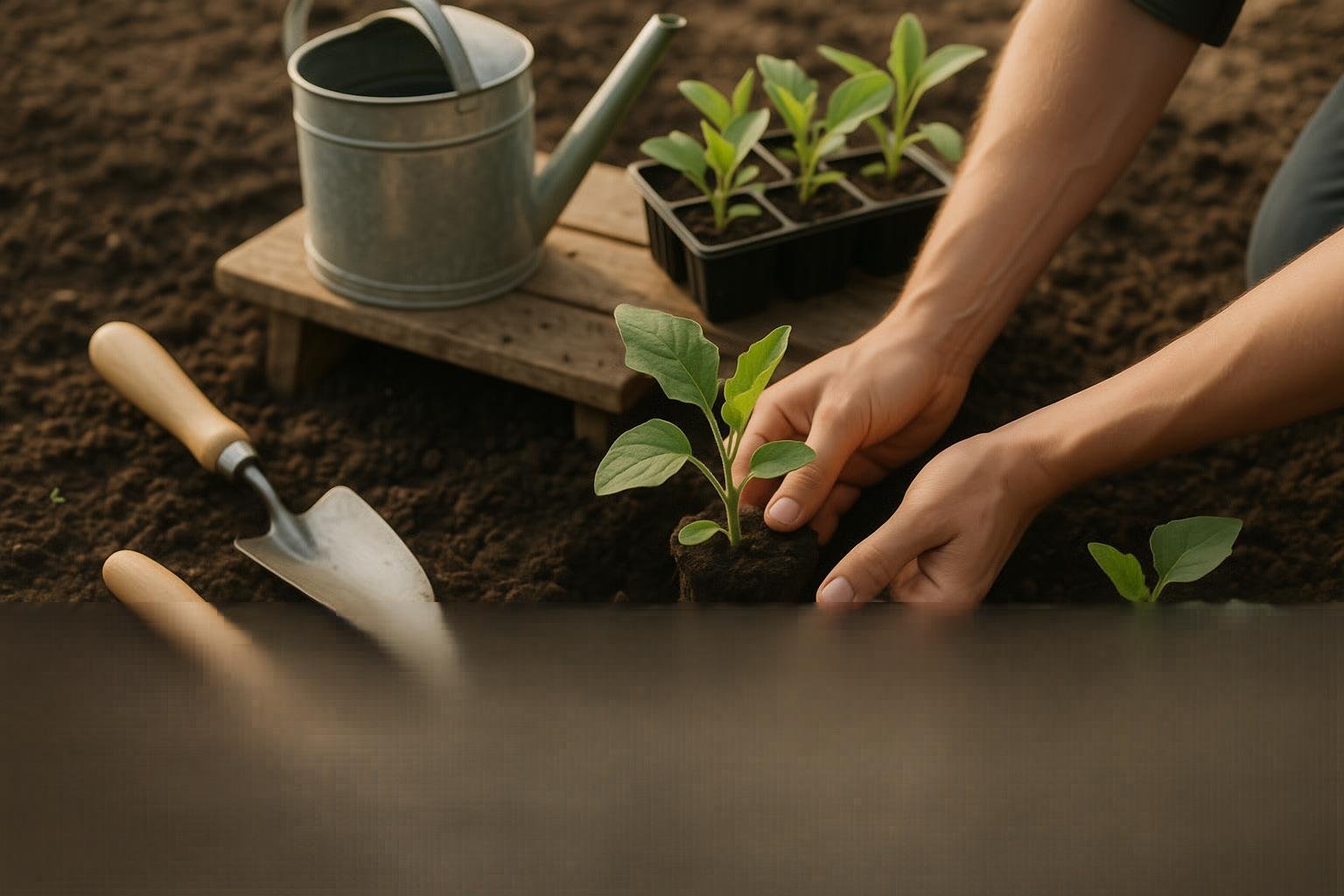
Deciding whether to grow eggplants from seeds or buy seedlings depends on your gardening priorities. Starting from seeds gives you access to unique heirloom varieties and more control over the growing process, but it does require extra time, equipment like grow lights, and early planning—you should begin sowing seeds indoors 8-10 weeks before your area’s last frost date.
Seedlings, on the other hand, offer a head start and are less prone to early-season problems, making them ideal for new gardeners. However, the variety may be limited, and they can cost more per plant.
Transplanting Tips
When it’s time to transplant, pick a warm, frost-free day; for most regions, this means after nighttime lows stay above 55°F (13°C). Start the hardening off process a week prior: each day, gradually expose your seedlings or young plants to outdoor sun and wind—starting with just an hour and adding more time daily—to reduce transplant shock.
For transplanting itself, space eggplants 18-24 inches apart in rows three feet apart, as crowding can encourage disease and restrict airflow. Dig holes large enough for the root ball and gently settle the plants in at the same soil depth as their nursery pots. Firmly pack the soil and water deeply.
Timing by Climate Zone
- Cool climates (zones 4-6): Don’t rush—often late May to early June is best.
- Warmer zones (7-10): Late April to early May, or as soon as soils consistently warm above 60°F (16°C), works well.
By choosing the right start—seeds or seedlings—and giving your plants time to acclimate, you’ll set the stage for strong, productive eggplants all summer long.
Eggplant Care After Planting
Caring for your eggplants after planting is all about consistency and prevention to ensure a healthy, productive garden. Start by keeping the soil evenly moist—eggplants need about an inch of water each week, either from rainfall or supplemental watering. Avoid shallow, frequent sprinkles, as deep soakings encourage roots to grow strong and deep, making your plants more resilient during hot spells.
To lock in soil moisture and keep roots cool, apply a 2-3 inch layer of mulch (like straw or shredded leaves) around each plant. Be careful not to mound it directly against the stems to prevent rot. Feeding is equally important, so apply a balanced fertilizer or compost every few weeks, especially once flowering begins, to support heavy fruit development.
Eggplants grow large and bushy, so proper spacing is key—not just to maximize airflow and sun exposure, but also to minimize common problems like fungal diseases and insect infestations.
As your plants mature, thin out weaker seedlings early on and prune away crowded lower leaves and side shoots that compete for light. This simple step can help deter pests like aphids and spider mites while cutting down the risk of leaf blight.
If you notice signs of wilting, chewing, or spotting, inspect the undersides of leaves for flea beetles, lace bugs, or fungal spots, and act quickly with organic controls such as neem spray or horticultural soaps.
Finally, always clean your gardening tools and mulch away fallen debris, since pests and diseases often linger in old plant material. These easy practices not only keep your eggplants robust but also make your garden less inviting to stubborn issues that can otherwise spoil your summer harvest.
Troubleshooting Spacing Issues & Common Growing Problems
Overcrowded eggplants often show their distress through stunted growth, yellowing leaves, and fewer or smaller fruits. These tightly packed plants can also suffer from an uptick in fungal diseases due to poor air circulation, with symptoms like leaf spots, wilting, or powdery mildew. Flower drop is another red flag, often caused by plants competing too hard for water and nutrients.
To help your eggplants thrive, start by thinning seedlings so each plant stands at least 18 to 24 inches apart—this gives roots and foliage plenty of room to spread. If you planted too closely and the plants are still small, gently dig up and transplant extras to a new bed with similar sunlight and soil conditions.
For mature plants, careful pruning of overcrowded leaves and non-productive stems boosts airflow and light penetration, cutting down on fungal issues. Looking ahead, rotate your eggplant patch yearly to prevent soil-borne diseases from building up—don’t plant eggplants or their nightshade cousins (like tomatoes or peppers) in the same spot two seasons in a row.
Pairing eggplants with companion plants such as basil or marigolds helps repel pests and can subtly encourage healthier growth. By spacing plants wisely, practicing regular pruning, and adopting crop rotation and companion planting, you’ll give your eggplants the best chance for a productive, disease-free season.
Harvesting and Storing Your Eggplant Crop
Knowing when to harvest eggplants is key to getting the best flavor and texture from your crop. Look for fruits that are glossy, firm, and slightly springy to the touch—dull or hard skin means they’ve gone too far. The ideal size can vary by variety, but most common eggplants are ready when they reach about six to eight inches long and a finger-width in diameter.
Use sharp garden shears to snip the fruit with a small stem attached, as pulling can damage both the plant and the eggplant’s cap.
If you planted your eggplants with plenty of space—about 18 to 24 inches apart—your plants can spread out and soak up more sunlight. This promotes bigger, healthier fruit and helps prevent overcrowding that stunts growth and encourages disease.
After harvesting, store eggplants in a cool spot out of direct sunlight. For best results, keep them in a perforated plastic bag in the refrigerator’s crisper drawer, where they’ll stay fresh for up to a week—just be careful not to store them below 50°F, as extreme cold can damage their texture.
If you need to store them longer, consider grilling, roasting, or blanching and then freezing slices for easy use later.
With proper harvesting and storage, you’ll enjoy tasty, homegrown eggplants long after the harvest season ends.