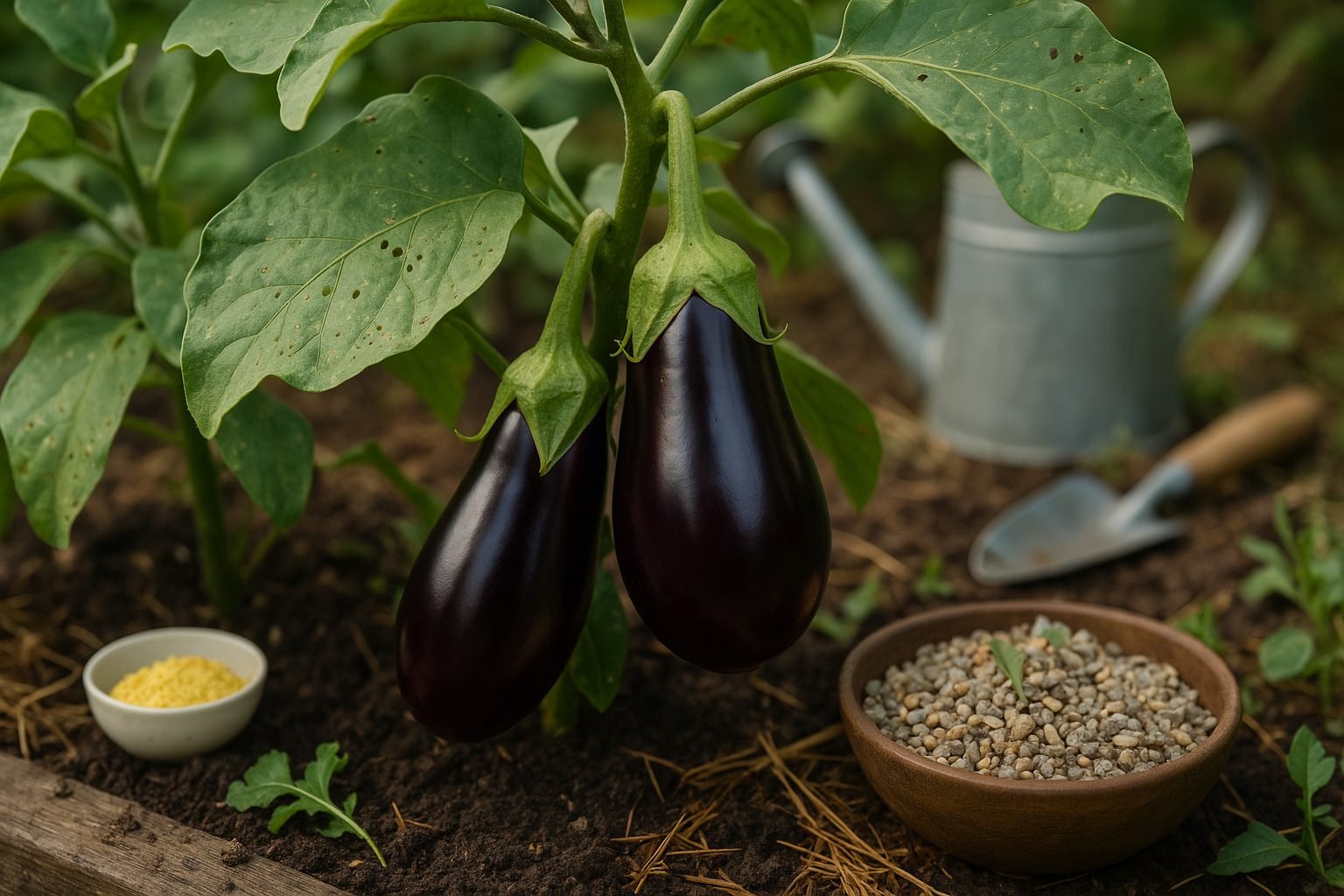
Introduction to Eggplant Pest Challenges
eggplant pests are a serious concern for both home gardeners and commercial producers, as these popular vegetables are especially vulnerable to a variety of troublesome insects and diseases. Eggplants thrive in warm, humid environments—conditions that unfortunately also attract and support a range of pests, from tiny flea beetles and aphids to larger threats like spider mites and Colorado potato beetles.
Their broad, tender leaves and succulent fruits provide ideal feeding and breeding grounds for pests, making them high-value targets in any garden or field. Even a minor infestation can have significant consequences: pests may leave noticeable holes, skeletonized leaves, or brown scars on the fruit, which not only reduce the quality and market value of each eggplant but also hinder the plant’s overall vitality and growth.
In severe cases, unchecked infestations can strip plants bare, halt fruit development, or introduce pathogens that cause further decline. For anyone growing eggplants—whether harvesting a backyard bounty or managing a larger farming operation—early detection and proactive pest management are crucial.
Regularly inspecting plants, using row covers, and removing affected foliage at the first sign of trouble can make all the difference. By staying vigilant, understanding the vulnerabilities of eggplants, and acting quickly at the first sign of pest activity, you’ll protect both your harvest and the hard work that goes into growing this delicious crop.
Identifying Common Eggplant Pests
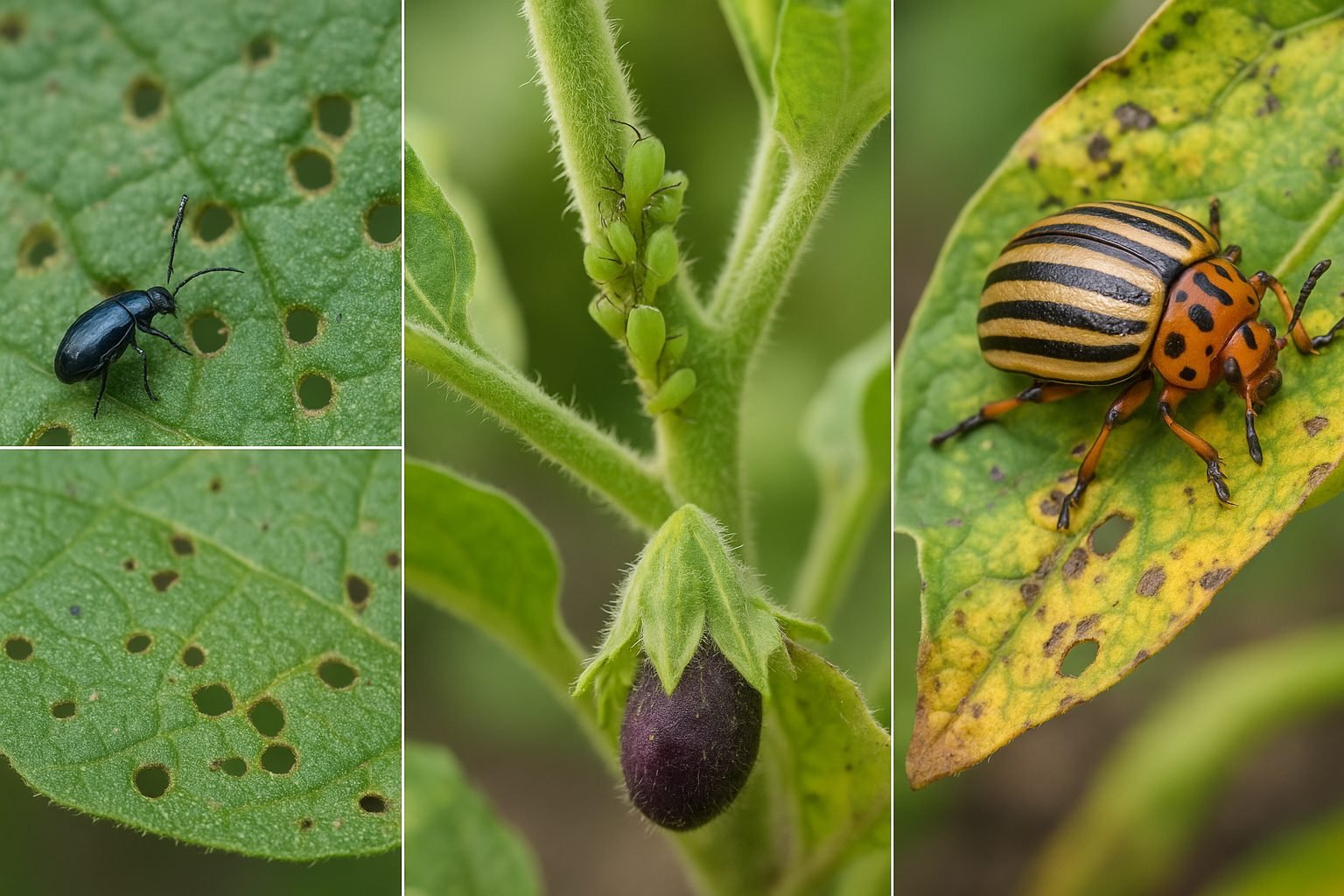
Eggplants attract a variety of garden pests, and spotting the warning signs early is key to protecting your crop. Flea beetles are among the most notorious—tiny, dark beetles that hop like fleas and pepper leaves with small, round holes. They’re especially active on young plants in spring, often stunting growth before the eggplant has a chance to establish itself.
Lace bugs, though less discussed, leave pale, stippled patches and dark excrement spots on the undersides of leaves. They thrive during warm, dry periods.
Aphids are common during both early and mid-season growth; these soft-bodied insects cluster on new shoots and the undersides of leaves, sucking sap and causing yellowing, curled foliage. Look closely—if you spot sticky residue or a trail of ants farming them, you’re likely dealing with an aphid problem.
Spider mites emerge in hot, dry weather, weaving fine webs on the undersides of leaves. This leads to speckled yellowing that can eventually cause leaf drop.
The Colorado potato beetle, recognizable by its yellow-and-black striped body, chews large holes in leaves and can skeletonize plants if not managed quickly. Their larvae are also voracious feeders that arrive in late spring and throughout summer, so inspect both sides of leaves for clusters of orange eggs.
Pest pressure varies with the season—flea beetles and aphids pose the biggest threat in late spring and early summer, while lace bugs and spider mites tend to ramp up as temperatures climb. Colorado potato beetles are a consistent menace throughout the main growing season, especially as plants mature.
Get into the habit of regularly checking eggplant leaves for holes, chewed edges, discoloration, sticky residue, or visible bug clusters. Early intervention—whether through hand-picking, hosing off, or using row covers—makes a big difference, helping your eggplants grow healthy and undisturbed by uninvited guests.
Organic and Natural Ways to Control Eggplant Pests

Controlling eggplant pests in your garden organically is not only better for your health and the environment, but it’s also simpler than you might think. Start with handpicking—an old-fashioned but effective method: check leaves and stems early in the morning when pests like flea beetles and caterpillars move slowly, and drop them into a bucket of soapy water.
Protective row covers provide a physical barrier for young eggplants, especially just after transplanting; be sure to remove them at flowering so pollinators can reach the blooms.
For persistent pests, neem oil is a favorite among organic gardeners—spray it in the evening to minimize harm to bees, and always coat both the tops and undersides of leaves for best results. Insecticidal soaps are another gentle yet effective option, but apply only when temperatures are below 85°F to prevent plant damage and always target the pests directly.
Diatomaceous earth—a fine, fossilized powder—can be sprinkled around the base of eggplants to deter crawling insects like cutworms and ants; reapply after watering or rain for continued effectiveness.
While these organic methods are safer, they can still affect helpful insects. To protect beneficial bugs such as ladybugs and lacewings, spray chemicals only in the late afternoon or evening when pollinators are less active, and focus applications directly on infested areas rather than broadcasting broadly.
Also, consider planting flowering herbs and companion plants nearby to attract beneficial insects that prey on common eggplant pests. By combining these strategies and staying vigilant, you can manage pests in your eggplant patch without sacrificing your garden’s natural harmony.
Integrated Pest Management (IPM) Strategies for Eggplants
Integrated Pest Management (IPM) is a sustainable, holistic approach to pest control that combines various methods to manage pest populations while minimizing risks to people, crops, and the environment. For eggplant growers, IPM begins with regular monitoring—walking your rows at least once a week and closely inspecting for signs of trouble like chewed leaves, eggs, or unusual wilting.
Keeping detailed records helps you identify which pests are present and assess the severity of the problem. Accurate identification is crucial: treating the wrong pest can waste time, money, and may harm beneficial insects. Setting action thresholds means deciding the point at which pest damage justifies intervention—for example, if you observe flea beetles on 10% of your plants, it’s time to act.
Effective IPM focuses first on prevention and least-toxic methods.
- Cultural controls: Rotate crops or use disease-free seeds to break pest life cycles before they escalate.
- Physical barriers: Use floating row covers or sticky traps to block pests without chemicals.
- Biological controls: Introduce or encourage natural predators like ladybugs or lacewings to keep pest numbers down naturally.
- Chemical controls: Apply targeted insecticides only as a last resort, taking care to avoid harming pollinators or creating resistance.
By combining these diverse tools, you keep your eggplants healthy, save money on unnecessary sprays, and promote a resilient garden ecosystem.
For example, a home gardener in Florida successfully raised eggplants with minimal pest damage by combining weekly scouting, regular mulching to prevent soil-borne insects, and spot-treating small outbreaks with neem oil. This balanced approach not only reduces reliance on chemicals but also builds healthier soil and stronger plants over time.
Cultural and Preventive Techniques
Integrating smart cultural and preventive techniques into your gardening routine can make a big difference in keeping pests at bay without heavy reliance on chemicals. One of the most effective strategies is crop rotation—by regularly switching where you plant eggplants and related crops, you break the life cycle of many soil-borne pests that specialize in nightshades. For instance, follow up eggplant with non-host crops like legumes or grains the following season.
Plant spacing also matters: giving eggplants enough room (typically 18-24 inches apart) boosts air circulation and sunlight penetration, which helps prevent the warm, damp environments where pests and diseases often thrive.
Opt for pest-resistant eggplant varieties whenever possible; many modern cultivars have been bred to resist common adversaries such as flea beetles or verticillium wilt, reducing the need for interventions later on.
Maintaining healthy soil with regular compost additions and organic matter keeps your plants vigorous and more resilient to attacks. Mulching around plants with straw or dried leaves not only conserves moisture and regulates temperature but also creates a physical barrier that makes it harder for crawling pests like cutworms to reach your plants.
Make sure irrigation is consistent and targeted—dripping water directly at the base keeps foliage dry and discourages leaf-loving bugs and fungal outbreaks.
Don’t overlook basic garden hygiene: promptly remove spent plant material and fallen fruit, as these become breeding grounds for pests. Regularly weeding your plots also removes alternative hosts for pests and opens up space, making your garden less appealing to unwanted insects.
Combined, these practical steps create an environment where eggplants can flourish and pests are less likely to gain a foothold—saving you time, effort, and frustration throughout the season.
Biological Controls and Encouraging Beneficial Insects
When battling common eggplant pests—like aphids, whiteflies, and caterpillars—beneficial insects can become your garden’s best allies. Ladybugs, lacewings, and parasitic wasps are natural predators that help keep pest populations in check without the need for harsh chemicals.
Ladybugs and their larvae voraciously consume aphids and small soft-bodied pests, while lacewing larvae are dubbed “aphid lions” for their appetite for aphids, mites, and thrips. Parasitic wasps target the eggs or larvae of problem insects, keeping destructive caterpillars from taking over your eggplants.
To attract and sustain these helpful creatures, try companion planting with flowers and herbs they love; plants like dill, fennel, alyssum, and marigold provide nectar, pollen, and shelter that beneficials need throughout the season.
Avoid using broad-spectrum pesticides, which can wipe out friendly insects along with pests, and instead use targeted solutions if a problem gets out of hand.
Creating insect-friendly habitats by leaving small patches of your garden undisturbed, adding mulch, or providing small water sources can offer shelter and resources for beneficial insects.
If natural populations are low or a pest outbreak becomes too severe, you can supplement by purchasing ladybugs or lacewing eggs from reputable garden suppliers—just be sure to release them in the cool evening and provide plenty of food and water for them to establish.
Remember, diversity and patience are key: fostering a healthy population of beneficial insects takes time but leads to a more resilient, self-regulating garden ecosystem that’s better equipped to protect your eggplants naturally.
Monitoring, Record-Keeping, and When to Use Chemical Controls
Routine inspections are crucial for catching pest problems early, especially in eggplant cultivation where infestations can quickly escalate if unnoticed. By walking through your garden or farm regularly—at least once a week—you can spot subtle signs like chewed leaves, eggs on the underside of foliage, or early stunting of plants before pests spread widely.
These early detections make it easier to control populations with less drastic measures, such as removing affected leaves, using row covers, or introducing beneficial insects.
Keeping a detailed log of these inspections is just as important. Jot down dates, weather conditions, what pests you find, damage levels, and any actions taken. Over time, this record helps reveal patterns—like when flea beetles or aphids typically appear—so you can prepare in advance and evaluate if past control methods are working.
Only consider chemical control if repeated scouting and non-chemical efforts fail, and pest levels threaten your crop’s yield or quality. When this happens, choose the safest effective option first, such as insecticidal soaps, neem oil, or organic pyrethrins, which are generally less toxic to humans, pollinators, and beneficial insects than broad-spectrum pesticides.
Always follow label instructions carefully, applying chemicals at dusk or dawn when pollinators are less active, and target only affected areas. This thoughtful, minimal approach not only protects your crop but also preserves soil health and the broader ecosystem—making chemical pesticides a final line of defense, not a first option.
Conclusion: Healthier Eggplants Through Smart Pest Management
Taking a proactive, integrated approach to pest management keeps eggplants healthier and more productive by combining natural predators, crop rotation, companion planting, and responsible pesticide use. This multi-faceted strategy reduces the chances of pests building resistance and limits the need for harsh chemicals.
Stay alert by regularly checking your eggplants for signs of trouble, and be willing to try different methods to find what works best in your garden. Don’t hesitate to share your experiences with fellow gardeners—swapping tips and stories helps everyone grow stronger, more resilient crops season after season.