Introduction
Drought tolerant eggplant is a game-changer for gardeners dealing with water restrictions or living in areas where every drop counts. While eggplants are loved for their rich flavor and versatility in the kitchen, their reputation as thirsty plants can make some gardeners hesitant—especially in drought-prone regions. However, with smart choices and a bit of planning, eggplants can thrive and produce abundant yields with much less water than you might expect.
Embracing water-wise gardening isn’t just practical; it’s essential for building sustainable, productive gardens in today’s changing climate. Certain hardy eggplant varieties stand out for their surprising resilience and adaptability to dry conditions. In this article, you’ll find tips on selecting the right drought-tolerant eggplant cultivars, improving soil for better moisture retention, and using mulches or other techniques to reduce evaporation.
Whether you garden in raised beds or containers, you’ll learn how to enjoy fresh “aubergines” all summer long without draining your water supply—proving that even in tough conditions, a successful eggplant harvest is within reach.
Choosing the Right Eggplant Variety
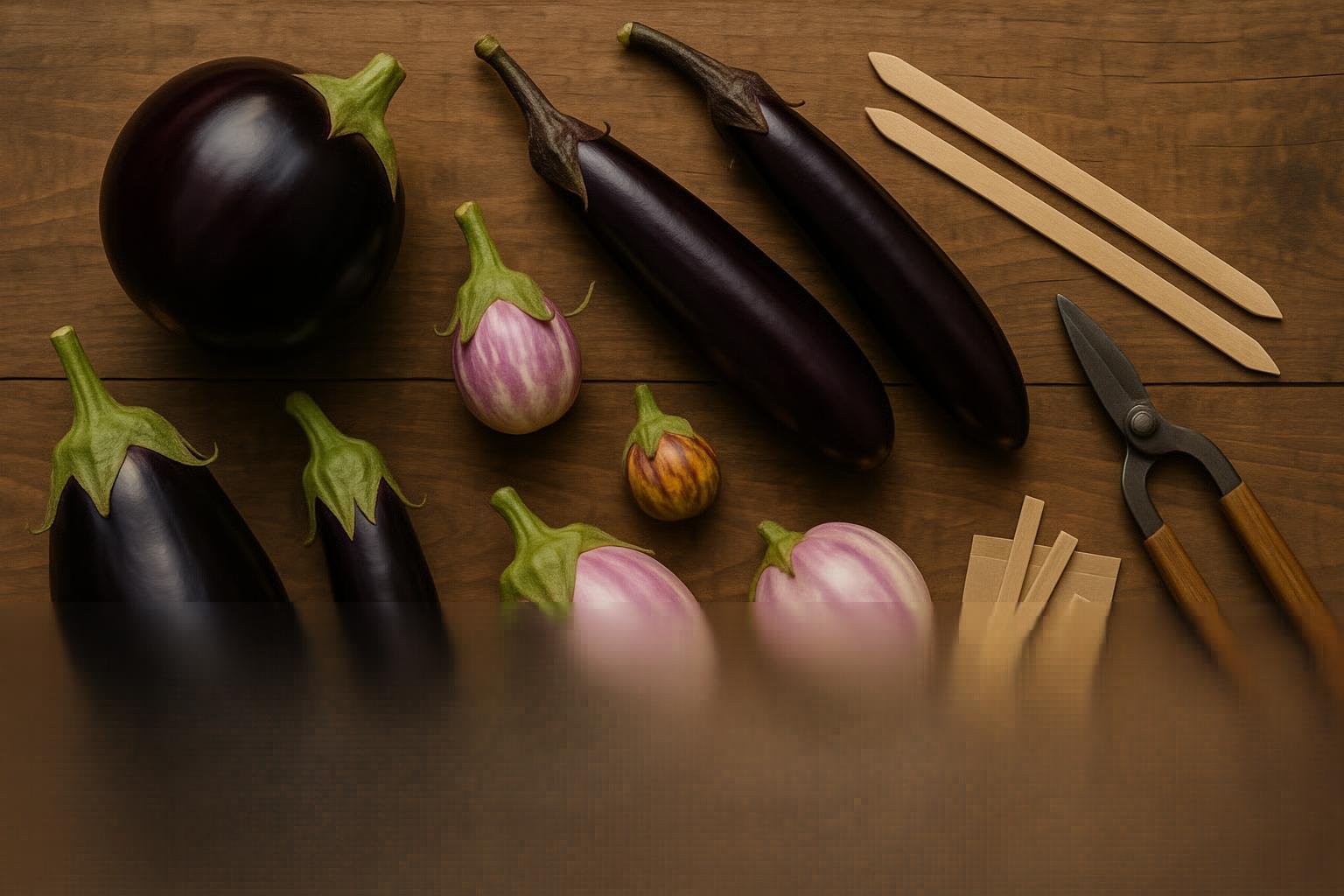
Selecting the right variety is one of the most crucial steps to successfully grow drought tolerant eggplant. Not all eggplants handle dry spells equally well, so your first step should be to look for varieties known for their resilience. ‘Rosa Bianca’ is a favorite among gardeners for its creamy texture and ability to withstand irregular watering—and it’s visually stunning, too. ‘Black Beauty,’ a classic heirloom, also performs better than many others in less-than-ideal water conditions, making it a solid choice for both novice and experienced gardeners.
Asian varieties, such as ‘Ping Tung Long’ or some Indian types, are renowned for thriving in hot, dry climates, thanks to generations of cultivation in those conditions. When searching for seeds, start with reputable suppliers—local nurseries, specialty online retailers, or seed exchanges—since they often provide information on how each variety copes with drought. Pay close attention to seed labels or catalog descriptions; phrases like “drought-tolerant,” “heat-resistant,” “thrives in dry climates,” or “low water needs” are good indicators you’re choosing a suitable cultivar.
If you don’t see this information, check reviews or ask the supplier for guidance. By prioritizing resilient varieties and reading labels carefully, you’ll set yourself up for a bountiful eggplant harvest—even when rainfall is scarce. This extra attention during the selection stage pays off during hot, dry periods as your plants continue to flourish with minimal fuss.
Soil Preparation for Water Efficiency
Preparing your soil properly is key to successfully growing drought tolerant eggplant with minimal water. Start by enriching your planting area with plenty of organic matter—mix in compost, well-rotted manure, or coconut coir to help the soil retain moisture and improve its structure. Compost and coconut coir act like sponges, drawing in and holding water close to the roots for longer, so you won’t need to water as often.
If you’re gardening in-ground, consider forming raised beds or mounded rows. These not only improve drainage during heavy rains, preventing waterlogged roots, but also give you more control over soil composition. Raised beds ensure water goes directly to the root zone and make it easier to direct irrigation where it’s needed—reducing water waste.
For ongoing moisture retention, cover your soil with a generous layer of organic mulch such as straw, shredded leaves, or untreated wood chips. Mulch acts as a natural barrier, limiting evaporation from the soil surface and maintaining more stable temperatures around your eggplants’ roots. It also suppresses weeds that would compete with your eggplants for precious water.
By combining these soil preparation techniques, you can dramatically reduce how often you need to water while giving your drought tolerant eggplant the ideal environment to thrive—even in dry, hot conditions.
Planting Techniques to Conserve Water
When growing drought tolerant eggplant, using smart planting techniques can significantly improve your garden’s water efficiency. Start by spacing your plants 18 to 24 inches apart to reduce root competition for moisture. This spacing allows each eggplant to access water without battling nearby roots, especially as the soil dries between watering.
Deep planting is another key water-saving method. Plant your seedlings an inch or two deeper than they were in their containers to encourage roots to grow downward instead of staying close to the surface. These deeper roots reach cooler, moister soil layers, helping your eggplants become naturally more drought tolerant and resilient during dry periods.
When starting your crop, consider transplanting seedlings rather than direct seeding. Transplants grown indoors develop strong root systems protected from early stress. When moved outdoors, they are well-established and need less frequent watering to recover from dry spells. In contrast, seeds sown directly in the garden often require constant moisture to germinate and establish, which can lead to water waste—especially with fluctuating temperatures or unpredictable rainfall.
By combining generous spacing, deep planting, and sturdy transplants, you’ll grow healthy, drought tolerant eggplant while conserving water and making the most of every drop in your garden.
Efficient Watering Strategies for Drought Tolerant Eggplant
Watering your drought tolerant eggplant correctly is essential for healthy growth, especially in dry climates where every drop counts. The best times to water are early in the morning or late in the evening when the sun is low, reducing water evaporation before it reaches the roots. This simple change in timing can significantly improve water efficiency.
When it comes to watering methods, avoid overhead sprinklers and opt for more precise systems like drip irrigation, olla pots, or soaker hoses. Drip irrigation slowly delivers water directly to the plant’s root zone, minimizing waste. Olla pots—ancient clay vessels buried near plants—release moisture into the soil as needed, making them perfect for small gardens or container-grown eggplants. Soaker hoses provide a gentle, even flow along the soil surface, ideal for garden rows. These techniques all reduce runoff and evaporation, ensuring that water benefits your plants effectively.
Recognizing signs of overwatering and underwatering can help you avoid common problems. Overwatered eggplants may show yellowing, wilting leaves, root rot, or mushy stems, while underwatered plants often have dry, limp leaves that curl or brown at the edges and drop flowers prematurely. Pay close attention to the soil: if it remains consistently soggy or overly dry and crusted, adjust your watering schedule accordingly.
For optimal root health in drought tolerant eggplant varieties, aim for deep, infrequent watering rather than daily light sprinkling. Allow the soil to dry slightly between waterings—try inserting your finger about an inch deep to check moisture levels. Typically, a thorough soak once or twice a week, based on weather and soil type, encourages roots to grow deeper, accessing moisture reserves and boosting resilience during dry spells. Remember, a strong, deeply rooted eggplant is better equipped to thrive with less water, so consistent yet measured care is your best approach.
Reducing Water Loss & Supporting Plant Health
Managing water efficiently is key when growing drought tolerant eggplant, and there are several strategies to reduce water loss while maintaining healthy plants. One effective method is shade management. Installing a simple shade cloth over your eggplants during the hottest part of the day protects them from harsh sun, slows evaporation, and keeps soil temperatures cooler.
If you prefer a more natural approach, try companion planting. Tall or sprawling crops like corn, sunflowers, or bushy herbs such as basil can provide partial shade and create a microclimate that helps conserve moisture. Regular weeding is also essential in a water-wise garden. Weeds compete fiercely for precious soil moisture and nutrients, so pulling them as soon as they appear helps your eggplants access more water and prevents weed roots from depleting vital resources.
Pruning is another helpful technique. By selectively removing lower leaves or dense inner foliage, you improve air circulation around the plants. This reduces transpiration (water loss through leaves) and helps eggplants use less water overall. Well-pruned plants are also more resistant to fungal diseases, which often thrive in humid, crowded conditions.
By combining these approaches—shade, vigilant weeding, and strategic pruning—you’ll help your drought tolerant eggplants thrive even when water is scarce.
Harvesting and Maintaining Productivity with Minimal Water
Knowing when to harvest your drought tolerant eggplant is key to getting the most from your garden with minimal water. Ideally, pick the eggplant when its skin is glossy and firm but before it turns dull or soft—a sign the fruit is overripe. Gently press the skin; if it bounces back, it’s ready. Regularly harvesting mature fruits encourages continued production, so check your plants every few days, especially during peak harvest season.
To keep plants productive under low-water conditions, remove spent flowers and any damaged or diseased fruit. This helps the plant focus its limited resources on developing new, healthy eggplants. Crop rotation is also important: switch planting beds each season to avoid soil-borne diseases and nutrient depletion, both of which can stress plants in dry conditions.
Mulch generously around your plants to keep the soil moist and suppress weeds—a simple but highly effective tip. Most importantly, pay attention to your local weather patterns and soil type. Experiment with watering schedules—try watering deeply but less frequently—and observe what keeps your plants happiest. Growing drought tolerant eggplant is as much an art as a science, so don’t hesitate to adjust your approach based on what works best in your unique garden environment.