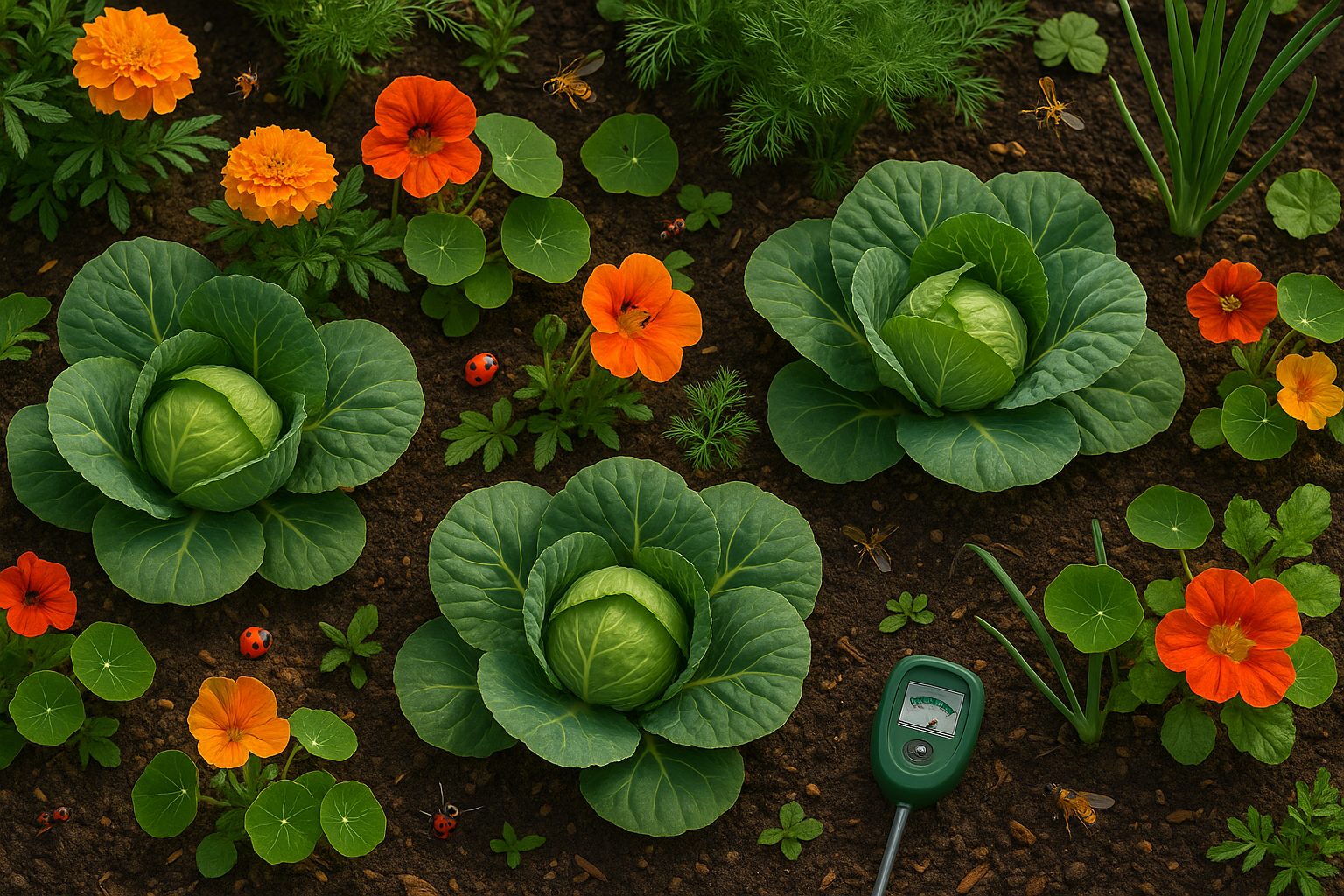
Introduction to Cabbage Companion Planting
When planning your vegetable garden, it’s important to know which crops to avoid planting near cabbage. Companion planting—a time-tested gardening technique—can make or break your cabbage crop. By choosing the right neighbors, you not only boost cabbage growth and flavor but also help protect your plants from common pests.
Just as some plants make excellent companions, others can stunt cabbage development or attract harmful insects. Simple changes, like swapping out certain herbs or avoiding planting other brassicas nearby, can make all the difference. For example, cabbage thrives alongside dill or onions, which deter cabbage moths, but suffers when grown next to tomatoes, strawberries, or beans.
With the right knowledge, you’ll spend less time battling aphids or slugs and more time enjoying healthy, robust heads of cabbage. In this guide, you’ll discover exactly what not to plant near cabbage, why these choices matter, and how to make smart companion planting decisions for the healthiest garden possible.
Whether you’re a first-time grower or looking to optimize your established patch, you’ll find plenty of practical, actionable tips that will help you protect your cabbages and get the most from your space. Ready to create a thriving, harmonious garden bed? Let’s dig into the do’s and don’ts of cabbage companion planting.
Top Benefits of Companion Planting with Cabbage
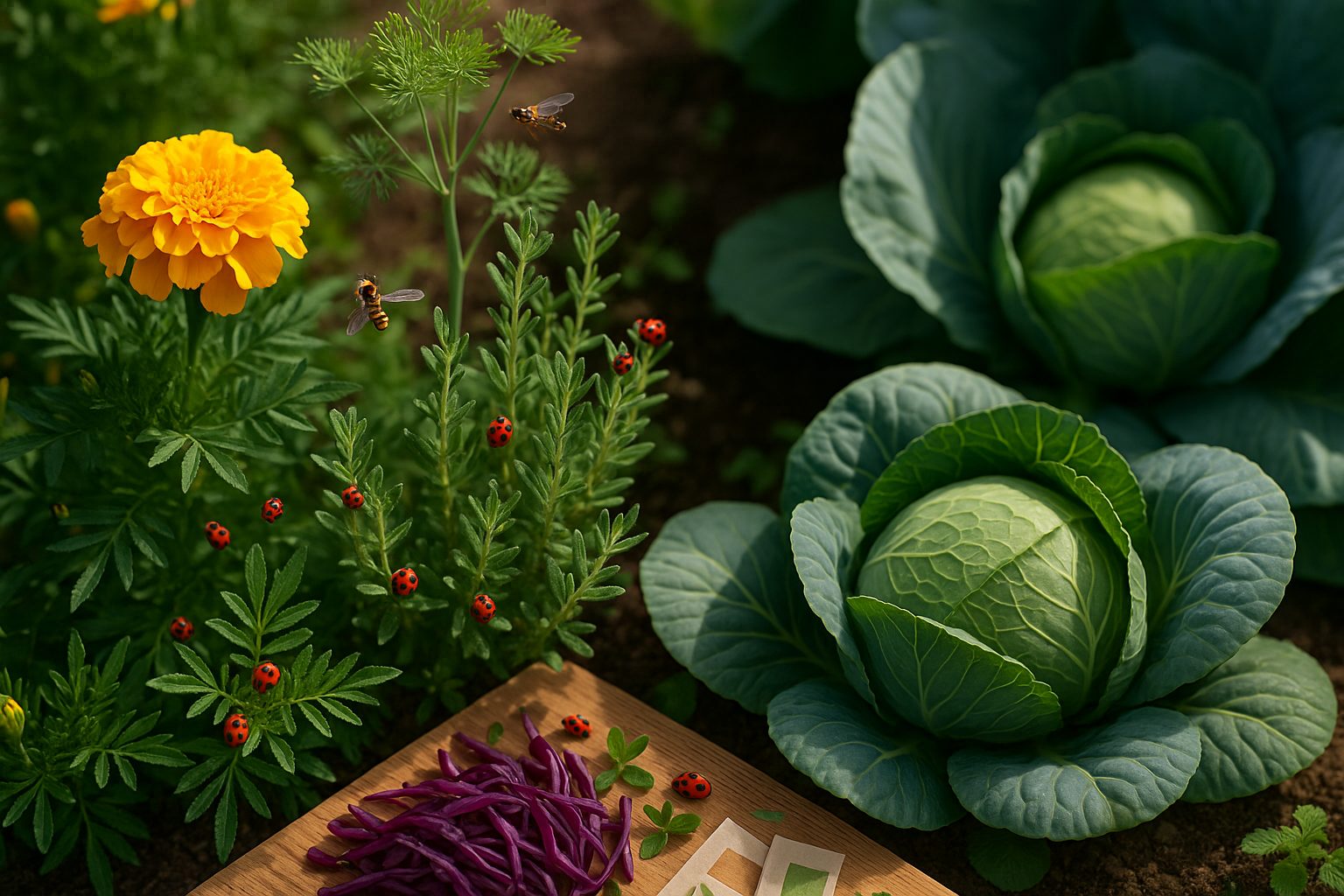
Companion planting with cabbage offers a range of advantages that go beyond simply enhancing your garden’s appearance. For starters, pairing cabbage with aromatic herbs like thyme, dill, or mint helps keep destructive pests such as cabbage moths and aphids at bay. These herbs act as natural repellents, promoting a healthier cabbage patch with less reliance on chemical pesticides.
Marigolds are another excellent choice; not only do they repel nematodes and beetles, but their vibrant flowers also attract beneficial insects like ladybugs and hoverflies, which feed on common cabbage pests.
Beyond pest control, certain companion plants like legumes (such as peas and beans) improve soil quality by fixing nitrogen. This gives your cabbages a nutrient boost and enhances the surrounding soil for future crops.
Interplanting cabbages with quick-growing crops like lettuce or spinach allows you to harvest multiple crops from the same plot. This makes efficient use of space and naturally crowds out weeds—meaning less weeding for you and more nutrients for your veggies.
Many gardeners find that these strategies not only reduce the need for artificial interventions but also result in healthier cabbage plants with improved yields and richer flavor. By choosing the right companions, you can create a mini-ecosystem in your garden that supports pollinators, suppresses weeds, and nurtures robust growth—all while making vegetable gardening a more sustainable, enjoyable experience.
Best Companion Plants for Cabbage
Choosing the right companion plants for your cabbage can make a huge difference in both growth and protection, especially when garden space is tight. For vegetables, bush beans and beets are reliable partners: beans fix nitrogen in the soil, boosting cabbage’s leafy growth, while beets coexist peacefully underground.
Onions, with their sharp scent, help deter pests like aphids and cabbage loopers. Carrots, planted close but without crowding the cabbage roots, use vertical soil space effectively without competing for nutrients.
When it comes to herbs, dill and chamomile attract beneficial insects such as ladybugs and hoverflies that hunt cabbage pests. Rosemary’s aroma helps mask cabbages from flying insects. Borage is another great herb to include—it draws pollinators and improves soil health.
For a splash of color and natural pest control, marigolds and nasturtiums should be planted nearby. Marigolds repel nematodes and whiteflies, while nasturtiums act as a trap plant, drawing aphids away from your cabbages. Petunias also add protection by deterring general garden pests and attracting helpful insects.
In smaller gardens, try the “circle technique”: surround your cabbage plants with alternating onion and marigold borders, tuck nasturtiums and a few petunias into any gaps, and plant beans or beets just outside the circle’s edge. Interplant dill or chamomile among them, but give each herb a 6- to 8-inch space from the cabbage.
Always allow at least 12–18 inches between cabbages and their companions for airflow and root growth. By mixing these companion plants, your cabbage patch will be more resilient to pests, richer in nutrients, and buzzing with beneficial activity—all without needing extra space.
Plants to Avoid Near Cabbage
When planning your garden, it’s important to know that certain plants can harm your cabbage crop if grown nearby. For example, tomatoes and strawberries are popular garden choices but are poor companions for cabbage. Tomatoes compete for nutrients and water, which can weaken cabbage and stunt its growth. Strawberries attract pests like slugs and harlequin bugs that also target cabbage.
Pole beans are another plant to avoid, as they release compounds through their roots that inhibit the growth of cabbage and other brassicas—a phenomenon called allelopathy. Additionally, planting cabbage near pole beans may encourage fungal diseases since beans prefer more humid soil conditions.
To help you plan an optimal layout, here’s a quick reference list of common plants to keep away from your cabbage patch:
- Tomatoes
- Strawberries
- Pole or climbing beans
- Peppers
- Grapes
- Eggplant
- Rue
- Mustard greens
By keeping these plants separate from your cabbages, you’ll give your vegetables the best chance to thrive, minimize competition for resources, and reduce pest and disease problems. Always remember to research plant pairings before planting, as a little planning goes a long way toward a healthier, more productive garden.
Companion Planting Strategies and Common Mistakes
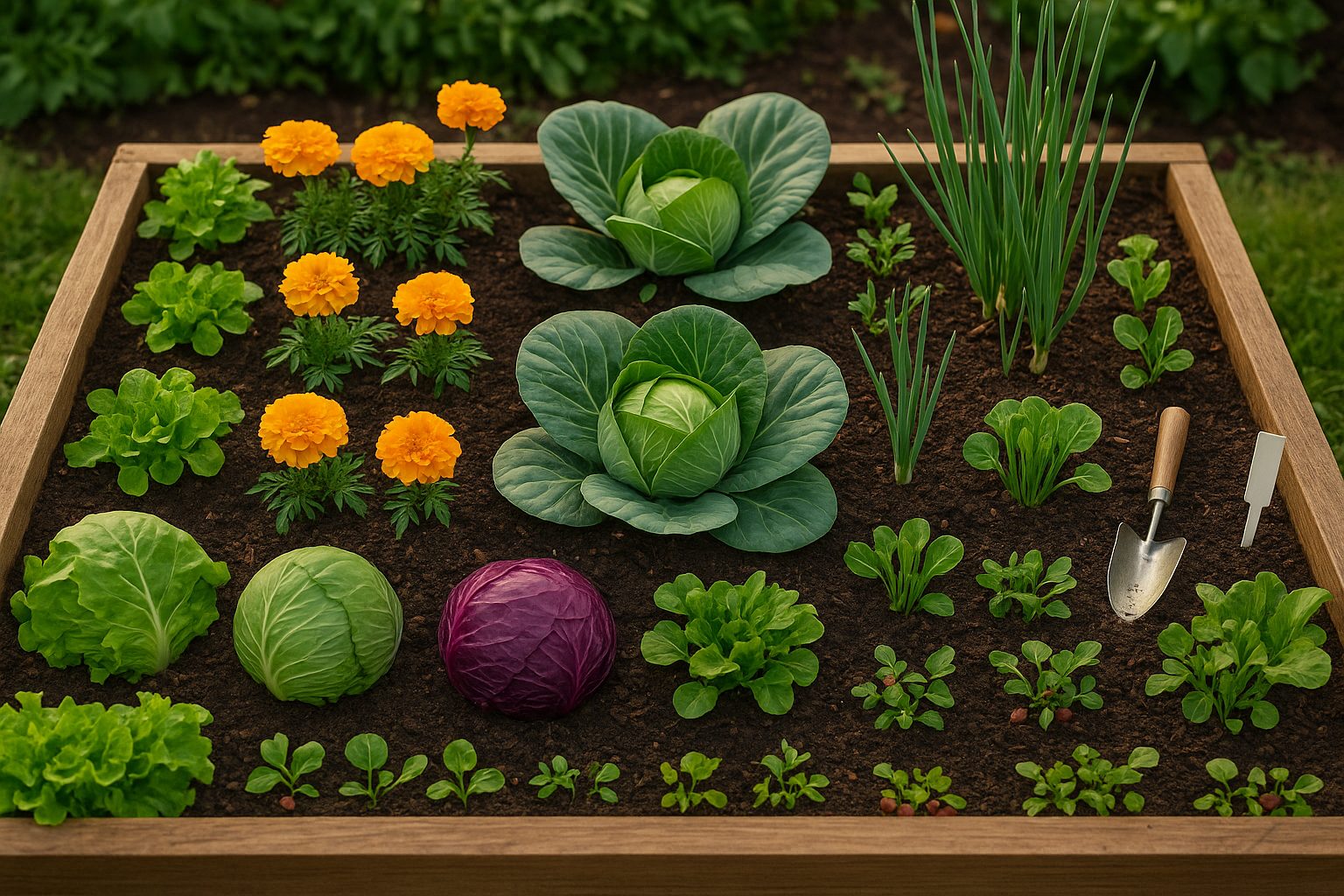
When planning your companion planting layout, start with a garden map showing where each crop will go. Make sure to provide enough space between plants so they don’t compete for sunlight, water, or nutrients. For example, when growing cabbage, avoid overcrowding—space each plant 12 to 18 inches apart and steer clear of planting them near strawberries or tomatoes, which can attract pests or stunt cabbage growth.
Choose companions like dill or onions, which help repel common cabbage pests, and interplant leafy greens or carrots to maximize space between slow-growing heads.
One common mistake is mixing incompatible plants, such as placing beans near cabbage. Beans fix nitrogen, which can encourage too much leafy growth instead of dense heads.
Succession planting is a great way to keep your beds productive: after harvesting a quick-growing crop like radishes, follow up with lettuce or beets before bringing in your next round of cabbage transplants.
Incorporate crop rotation each season by moving cabbage and other brassicas to a new spot each year—this disrupts pest lifecycles and helps maintain healthy soil.
A practical plan for a medium-sized raised bed could look like this:
- Alternate rows of cabbage with onions and marigolds for pest resistance.
- Use the outside border for fast crops like radishes or lettuce.
With some thoughtful planning and awareness of common mistakes, companion planting can help your garden thrive with stronger yields, fewer pests, and healthier soil year after year.
Natural Pest Management Around Cabbage
Keeping cabbage pests in check doesn’t have to mean reaching for chemical sprays—selecting the right companion plants is a science-backed, effective approach. Marigolds and nasturtiums are garden favorites; marigolds release a strong scent that masks cabbage’s aroma, confusing common pests like aphids and cabbage worms, while nasturtiums act as a “trap crop,” luring aphids and even cabbage moths away from your cabbages.
Herbs such as dill, sage, and thyme not only deter insects with their pungent aromas but also attract beneficial predators like ladybugs and lacewings that feed on aphids and caterpillars. Alyssum, with its tiny white blooms, invites hoverflies whose larvae consume large numbers of harmful pests.
For best results, intersperse these flowers and herbs directly among your cabbage plants and avoid planting large blocks of only cabbage—a mixed garden makes it harder for pests to find their favorite target. Mulch your beds with straw or shredded leaves to hide egg-laying sites, and keep borders filled with diverse species, which supports natural predators over the full season.
Rotating crops and resisting the urge to over-tidy helps create hiding places for helpful insects as well. By encouraging this balanced garden ecosystem, you’ll naturally reduce pest numbers, foster healthier cabbages, and enjoy a harvest that’s both bountiful and chemical-free.
Cabbage Companion Planting FAQ and Quick Reference
Curious about how to help your cabbage thrive? A common question is, “What are the best plants to grow with cabbage?” Great choices include aromatic herbs like dill, rosemary, and sage, which deter cabbage moths. Root crops such as onions and beets also make good companions since they won’t compete for space.
Another frequently asked question is, “What should I avoid planting near cabbage?” Try not to plant cabbage next to tomatoes, strawberries, or pole beans—these combinations may attract pests or stunt growth.
Quick Reference: Best and Worst Companions
- Best companions: onions, garlic, peas, and lettuce
- Worst companions: strawberries, pole beans, and tomatoes
Adding marigolds or nasturtiums can also help with natural pest defense.
Every garden is unique, so don’t hesitate to try new combinations and see what works best in your space. Share your successes and tips with fellow gardeners—what thrives in your garden might inspire others to try something new!