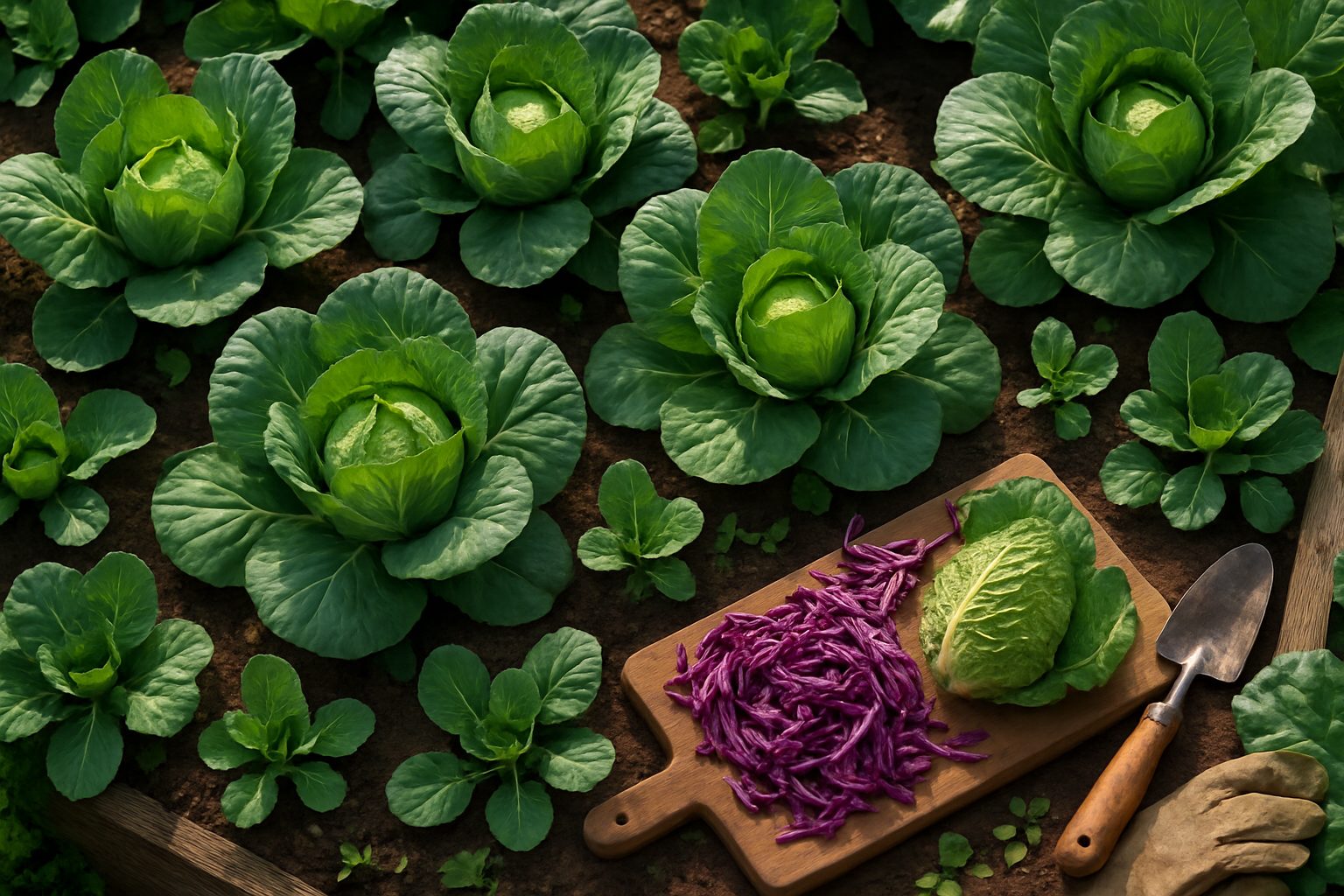
Common Reasons Your Cabbage Isn’t Forming a Head
If you’ve been frustrated with your cabbage not forming heads, you’re not alone—this issue puzzles both beginner and experienced gardeners alike. Often, a few simple missteps can throw off the entire head-forming process. So, why is your cabbage just growing leaves and not that tight, compact head you’re hoping for?
Start by checking your planting time. Planting too early or too late exposes your cabbage to temperature extremes—cabbage thrives in cool but not freezing weather. Heat waves or unexpected cold snaps can prevent head formation by either stressing the plant or stunting its growth.
Nutrient imbalances also play a significant role. Cabbage is a heavy feeder; too little nitrogen or an excess of certain minerals can disrupt its growth cycle, leaving you with floppy leaves but no head.
Watering habits are another hidden culprit. Inconsistent watering—whether letting the soil dry out too long or overwatering until the roots suffocate—creates stress and interrupts normal head development. Imagine the difference between a steady routine and constant chaos!
Overcrowding is a typical oversight as well. Planting seedlings too close together means they compete for light, water, and nutrients. Instead of strong heads, you might end up with loose, leafy sprawl and small or malformed cabbage.
Lastly, pest and disease damage is often underestimated. From aphids and cabbage loopers to soil-borne diseases like clubroot, pests and pathogens sap strength from your plants just when they’re trying to focus energy on head formation.
Each of these cabbage growing mistakes can derail your harvest, but the good news is that most are preventable with a few adjustments. In the sections ahead, we’ll break down exactly how each factor hampers head development—and what you can do to turn those lush leaves into the perfect cabbage heads you’re after.
Temperature and Timing: Why They Matter
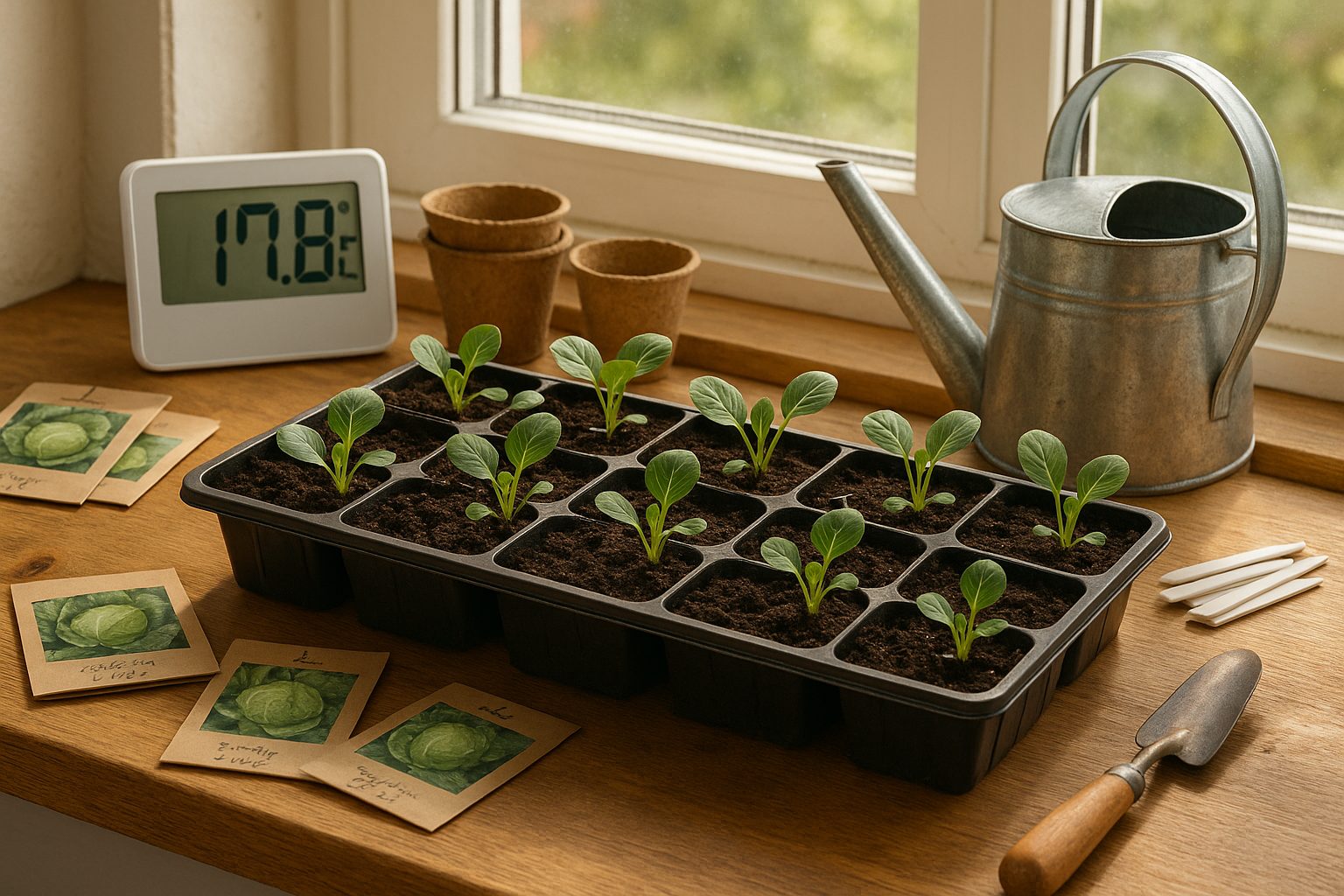
Getting the temperature and timing right is essential for successfully growing cabbage, as the plant’s head formation is highly sensitive to both. Cabbage thrives best in cool weather, with the ideal temperature range for head formation being between 60°F and 70°F (15°C to 21°C). If temperatures climb much higher, particularly above 75°F (24°C), cabbage may bolt—meaning it quickly sends up a flower stalk instead of forming a nice, tight head. This makes the crop inedible and is a common frustration when planting too late in the season.
Conversely, if the weather is too cold, especially when young plants are exposed to frost or prolonged chill below 50°F (10°C), their growth can stall, resulting in small, stunted heads or even crop failure. Timing is just as critical: planting too early may expose seedlings to unexpected frost, while planting too late may mean the heads start forming in the heat, both leading to poor results.
For the best yields, base your planting schedule on your specific climate zone. In most temperate regions (USDA zones 4-7), it’s best to sow cabbage seeds indoors about six to eight weeks before the last expected spring frost, then transplant them outdoors two to four weeks before the actual frost date—often meaning outdoor planting in March or early April. In warmer zones (8-10), consider planting cabbage as a fall or winter crop, with direct sowing or transplanting done in late summer (August or September).
Using these tailored timing strategies ensures that cabbage matures during cooler weather, avoiding the risks of bolting or stunted growth. If you’re unsure of your zone, a quick check on the USDA Plant Hardiness Map or asking at a local garden center can help you nail down the best schedule for your area.
Watering and Moisture Management
Getting watering right is crucial for healthy, flavorful vegetables like lettuce, broccoli, and cabbage, which are especially sensitive to soil moisture. Both underwatering and overwatering can stress your plants and sabotage your harvest.
Underwatered plants may wilt, have dry or curling leaves, and sometimes develop bitter or off flavors. Overwatered plants often show yellowing leaves, root rot, splitting heads, or stunted growth. You might also notice heads forming unevenly or failing to reach full size in inconsistent moisture conditions.
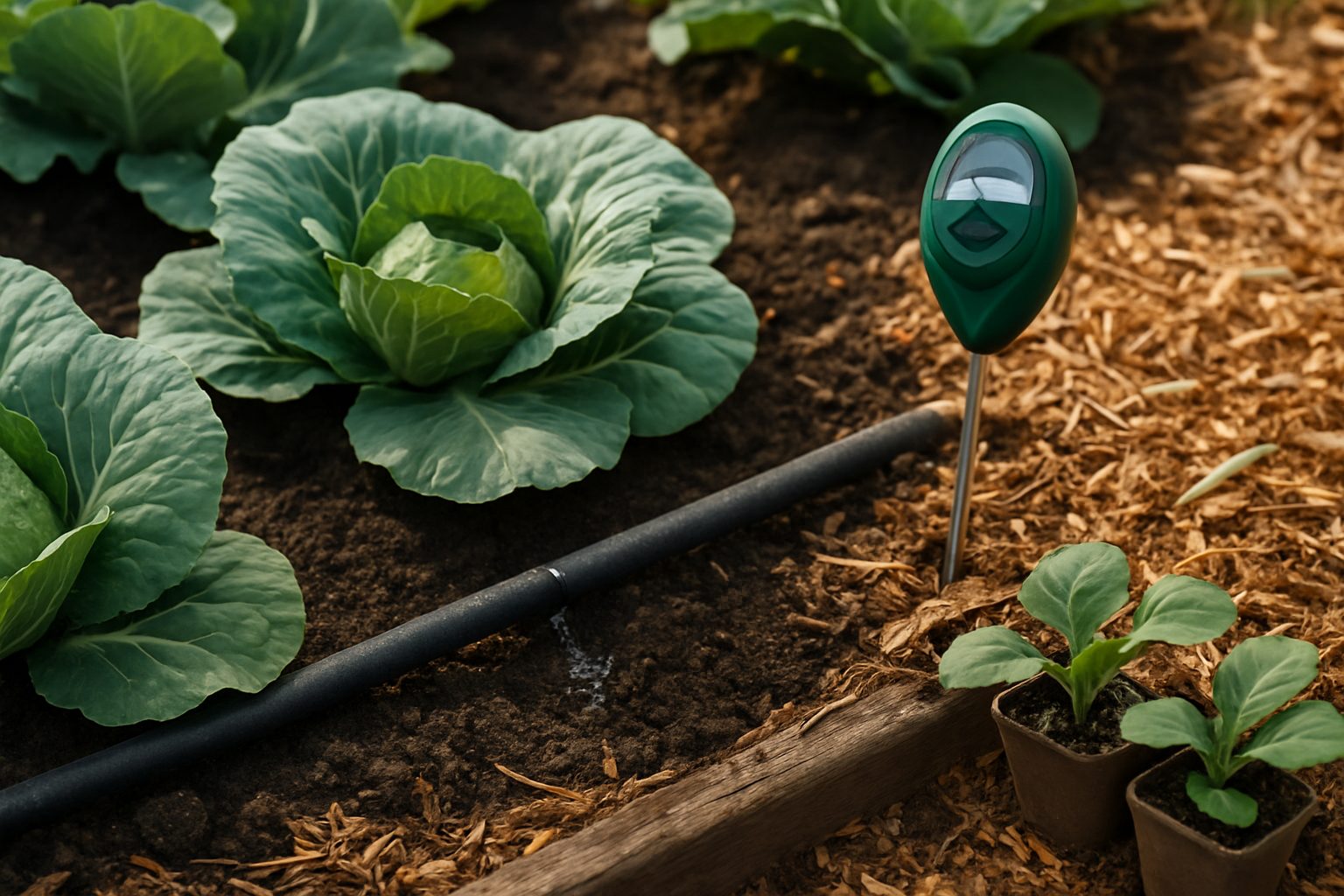
To keep your plants thriving, aim to keep the soil consistently moist but not soggy. Press your finger into the soil about an inch down; it should feel damp but not waterlogged. Water deeply at the base early in the morning—this helps the soil absorb moisture before the sun’s heat can evaporate it. This method is more effective than daily shallow sprinklings, which can encourage weak roots and disease.
To further promote even moisture and reduce evaporation, consider adding a two- to three-inch layer of organic mulch like straw, shredded leaves, or grass clippings around your plants. Mulch not only helps retain soil moisture but also suppresses weeds and regulates soil temperature.
Keep an eye on the weather and scale back watering after heavy rain while watching for signs of dryness during hot spells. With these simple steps, you’ll reduce plant stress and encourage robust, sweet-tasting harvests.
Nutrient Needs and Fertilizing Cabbage
Ensuring your cabbage gets the right balance of nutrients is key to growing big, healthy heads. Nitrogen stands out as the most critical nutrient for lush leafy growth and the formation of solid, compact heads. However, while it’s tempting to load up on nitrogen, too much can cause cabbage to produce lots of leaves without forming a proper head or even make plants more susceptible to disease.
On the flip side, a nitrogen deficiency often shows up as pale, yellowing older leaves and stunted growth, with small, misshapen heads. Phosphorus is also essential for strong root development, and a lack of it can cause cabbage to be slow-growing with purple-tinted leaves. Meanwhile, potassium supports head firmness and disease resistance. If you see tip burn or curling leaves, your soil might be out of balance.
To prevent these issues, start by preparing soil with well-rotted compost or aged manure several weeks before planting to supply a gentle, steady feed. Once seedlings are established, apply a balanced granular fertilizer—such as 10-10-10 or 14-14-14—at planting. Then side-dress with a high-nitrogen organic fertilizer like blood meal or fish emulsion about three weeks later, and repeat again when the heads begin to form. Water thoroughly after fertilizing to move nutrients to the roots.
For organic gardeners, monthly applications of compost tea or incorporating alfalfa meal can also support steady growth. Always avoid over-fertilizing—test your soil if your cabbage leaves look unusual or your heads aren’t firm, and adjust your approach as needed. By being attentive to your cabbage’s nutrient needs throughout the season, you’ll get those crisp, densely packed heads every gardener wants.
Pest and Disease Problems
When growing heading vegetables like cabbage, broccoli, or lettuce, several pests and diseases can threaten healthy head formation. Common culprits include aphids, which cluster on new growth and excrete a sticky substance that attracts mold; cabbage worms, whose green larvae chew large, ragged holes in leaves and burrow into developing heads; and slugs, which leave behind silvery slime trails and ragged leaf edges, targeting both the outer and inner parts of the heads.
Diseases such as clubroot, caused by soilborne fungi, lead to swollen roots and stunted or misshapen heads, while black rot appears as yellowing V-shaped lesions on leaves, often spreading into the head and causing a foul odor or soft spots. Watch for deformed or tightly packed heads, discoloration, and a reduction in size—these signs usually signal underlying pest or disease activity.
To protect your crop safely and organically, start with physical barriers like floating row covers that keep out flying insects. Hand-picking pests early in the morning works well, especially for slugs and cabbage worms. For aphids, a strong spray from the hose or releasing natural predators like ladybugs can greatly reduce infestations.
Companion planting is another effective method: interplanting dill or nasturtiums around brassicas attracts beneficial insects that prey on cabbage pests, while growing onions or garlic nearby helps deter aphids and slugs with their strong scent. Crop rotation is key to disease prevention—avoid planting cabbage family crops in the same spot each year, as soilborne diseases and eggs from last season’s pests can persist.
Amending soil with compost enhances drainage and natural resistance, and removing plant debris promptly prevents both pests and pathogens from overwintering in your garden. With these proactive steps, your heading vegetables will stand a much better chance of forming full, healthy heads.
Spacing, Pruning, and Extra Tips for Success
Proper spacing is essential when growing cabbages, as overcrowded plants compete for nutrients and restrict airflow. This not only increases the risk of disease but also results in smaller, less developed heads. To give your cabbages the best chance for robust growth, aim to plant them 18 to 24 inches apart in rows that are at least 2 feet apart. This distance allows each plant ample room to expand and encourages healthy head formation.
Regular pruning is equally important—remove any yellowing or damaged outer leaves to improve air circulation around the plant’s base and minimize the risk of fungal diseases. By trimming these outer leaves, you also help the plant channel its energy into producing a tight, full head rather than sustaining nonproductive foliage.
Beyond spacing and pruning, consider practicing crop rotation to prevent soil-borne pests and diseases from building up. Avoid planting cabbage or other brassicas in the same spot two years in a row. Keep your cabbage patch weed-free, as weeds compete for valuable water and nutrients, and check your plants frequently for early signs of pest problems, removing insects by hand when possible.
If you notice seedlings growing tall and spindly (leggy), gently mound extra soil around their stems or transplant them deeper into loose soil to provide better support and encourage strong root development. With thoughtful spacing, timely pruning, and some extra care, you’ll set the stage for healthier plants and bigger, tastier cabbage heads.
Step-by-Step Problem Solving Checklist
Diagnosing and fixing issues that prevent cabbage heads from forming can feel overwhelming, but breaking it down into simple steps can help you tackle each problem with confidence.
Start by reviewing your planting records:
- Did you plant your cabbages at the right time for your region?
- Did you choose a reliable, heading variety?
Next, check that your cabbages get at least six hours of sunlight daily and are spaced at least 12 to 18 inches apart for good airflow.
Examine the soil—cabbage prefers nutrient-rich, well-draining soil with a pH of 6.5 to 6.8; consider using a soil test kit if you’re unsure.
Ensure a steady watering routine, keeping the soil consistently moist but not soggy, as fluctuating moisture can disrupt head formation.
Scout for pests like cabbage worms or aphids and signs of disease—use row covers or natural predators to control infestations.
If plants look pale or stunted, supplement with a balanced fertilizer, focusing on nitrogen early, then switching to a product higher in phosphorus as heads begin forming.
Keep a written or digital log of your care routine and any changes you make, noting weather patterns and plant responses. This tracking helps identify what works and where issues might have started.
Remember, even experienced gardeners face setbacks, but by observing your plants and tweaking your care, strong cabbage heads are within reach. Stay patient—cabbage rewards attentive, consistent care, and a little perseverance can revive a struggling crop and deliver satisfying harvests.