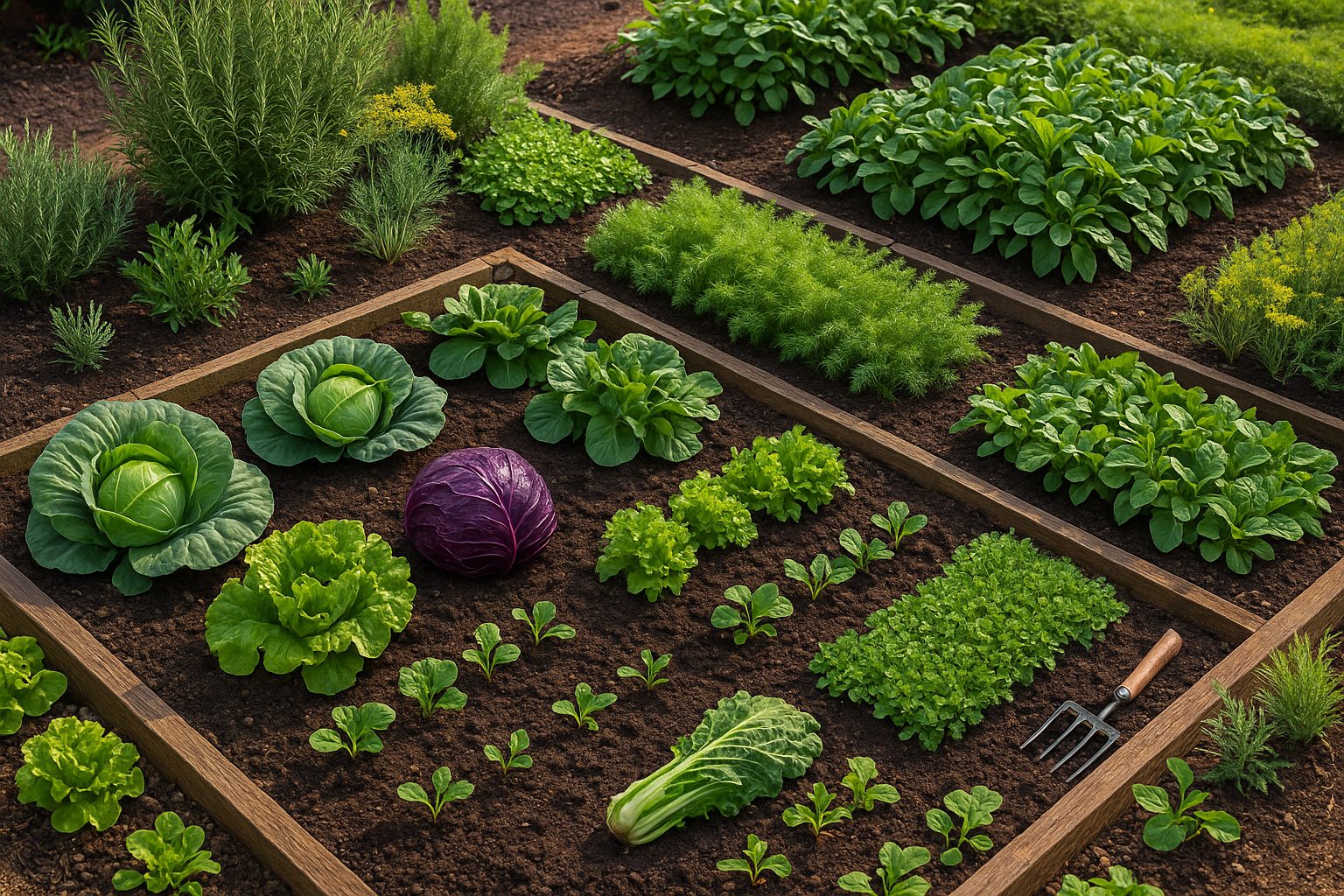
Understanding Crop Rotation for Cabbage
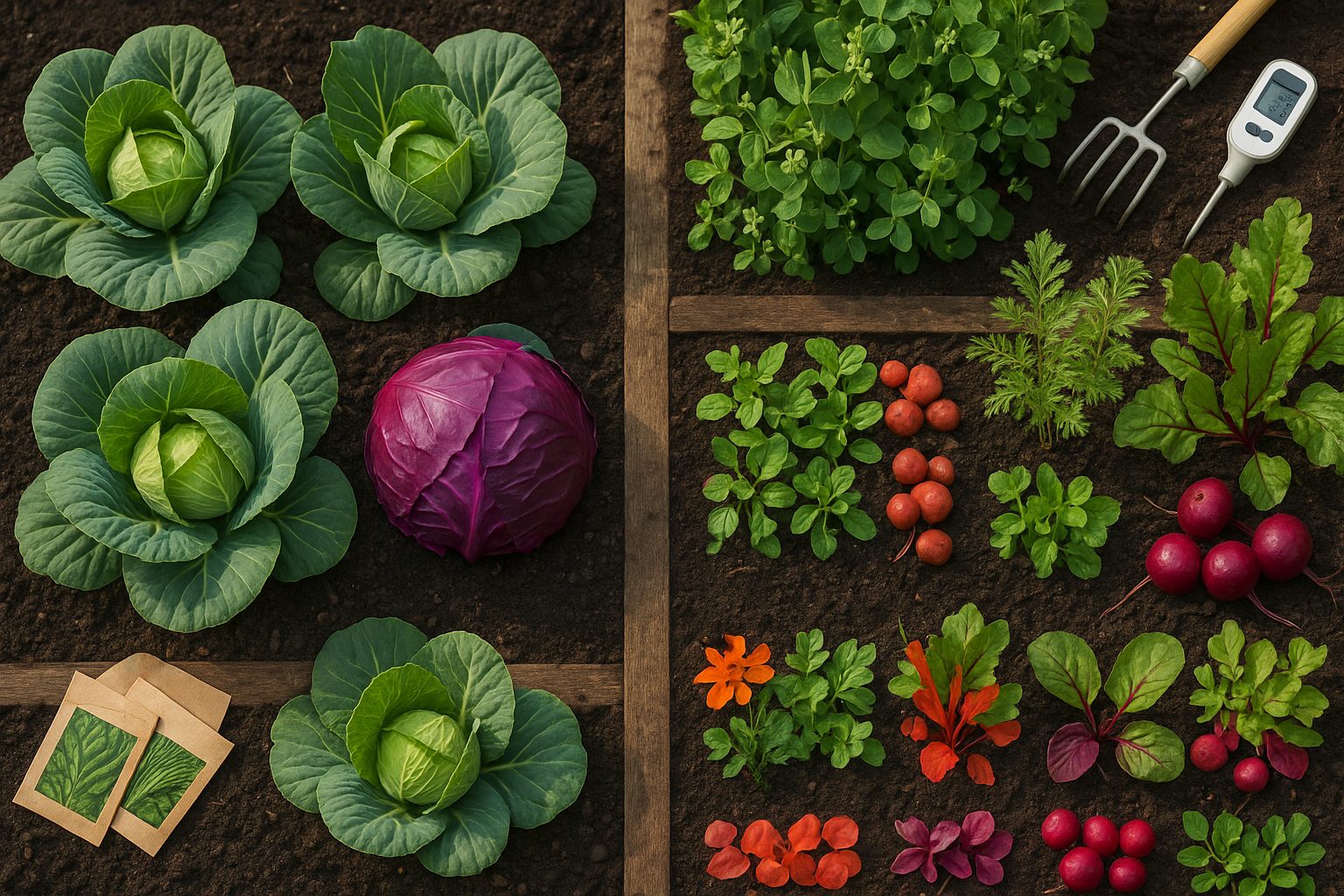
cabbage crop rotation is a gardening practice where you change the location of your cabbage plants each season to different areas of your garden. This might sound like a small detail, but it can make a big difference for both the health of your cabbages and your soil. Crop rotation—moving crops around rather than planting them in the same spot year after year—has been used for centuries by farmers worldwide, including in traditional European and Asian agriculture.
One of the biggest benefits of rotating your cabbage crop is pest and disease prevention. Cabbages are particularly susceptible to soil-borne illnesses like clubroot and pests such as cabbage root maggot. If you grow cabbages in the same place year after year, these problems can quickly build up in the soil, leading to smaller, weaker plants. By switching up their planting spots, you interrupt the life cycles of these pests and diseases, making it much harder for them to return.
In addition, cabbage is a heavy feeder, meaning it draws a lot of nutrients—especially nitrogen and potassium—from the soil. If you grow cabbage in the same bed season after season, those nutrients will be depleted, resulting in poorer harvests. Rotating cabbage with crops that restore or use different soil nutrients (like legumes, which add nitrogen) helps keep your garden soil rich and fertile. Even a simple three-year rotation—cabbage, then beans, then root crops—can dramatically improve results.
Whether you’re a home gardener or managing a larger plot, practicing cabbage crop rotation is a real-world, time-tested technique that pays off with healthier plants and more abundant harvests.
Best Planting Locations & Soil for Cabbage
Cabbage thrives best in full sun, so choose a planting location that receives at least six hours of direct sunlight daily. Good air circulation also helps prevent disease, making open areas ideal.
The key to successful cabbage growth is rich, well-draining soil with a pH between 6.5 and 6.8; acidic soils can stunt growth and attract clubroot disease. Before planting, enrich your bed with plenty of compost or well-rotted manure to boost fertility—cabbage is a heavy feeder and benefits from a nutrient-rich environment.
If your soil tends to be soggy, try raised beds to improve drainage and prevent root rot. Test your soil for pH and amend it with garden lime if it’s too acidic. Rotate your cabbage with non-brassica crops each year to minimize pest and disease buildup—avoid planting cabbage or its relatives in the same spot more than once every three years.
Before transplanting seedlings, rake in an all-purpose balanced fertilizer, break up clumps, and remove stones to give cabbage roots the loose, airy soil they love. These simple steps set the stage for large, healthy heads and a successful cabbage harvest.
What to Plant Before and After Cabbage
When planning your cabbage bed, starting with the right pre-crop can make a noticeable difference in both soil health and pest reduction. Legumes like peas or clover are fantastic choices before cabbage—they fix valuable nitrogen into the soil, giving your cabbage a nutrient-rich start. Additionally, growing alliums (like onions or garlic) prior to cabbage can help reduce nematodes and some soil-borne pests, thanks to their natural compounds that deter harmful insects.
Avoid planting cabbage after other brassicas (like broccoli or kale) to prevent the buildup of clubroot and pests specific to this plant family. Once your cabbage harvest is complete, consider planting root crops such as carrots or beets, which utilize different soil nutrients and don’t attract the same pests. Lettuce and spinach also work well as quick-turnover post-crops, offering you a harvest before the next major planting.
Including cover crops like buckwheat or oats after cabbage is another smart move to replenish organic matter, suppress weeds, and interrupt pest cycles. Here’s a simple example of a rotation sequence:
- Year 1—plant beans (a legume) to enrich the soil,
- Year 2—follow with cabbage to take advantage of boosted nitrogen,
- Year 3—plant beets or carrots for a change in plant family and to rest the soil from brassicas,
- Year 4—use a cover crop such as clover to rebuild soil fertility before repeating the cycle.
By rotating crops this way, you naturally enhance soil health, break pest and disease cycles, and enjoy better garden results year after year.
Companion Planting: Plants That Go Well (and Not So Well) with Cabbage
Companion planting is a smart way to maximize your cabbage crop by pairing it with plants that boost its growth and protect it from pests. Consider growing cabbage alongside aromatic herbs like dill, sage, and rosemary, which help repel cabbage moths and other common pests.
Viable vegetable companions include onions, garlic, and leeks, known for deterring insects while fitting nicely into the available space between cabbage heads. Beets, celery, and lettuces are also friendly neighbors, as they don’t compete heavily for resources and encourage mutual growth.
However, avoid planting cabbage with tomatoes, strawberries, or pole beans, since they either compete for nutrients or attract similar pests, increasing the risk of disease and poor yields. Broccoli, cauliflower, and other brassicas should also be rotated away from cabbage, as repeated planting of the same family in the same spot can lead to soil-borne diseases and nutrient depletion.
Companion planting plays a pivotal role in crop rotation by interrupting the life cycles of pests and reducing disease buildup in the soil. By varying plant neighbors and rotating locations each season, you not only protect your cabbage but also create a balanced, more resilient garden ecosystem.
Tips for Small Gardens: Making Crop Rotation Work in Limited Space
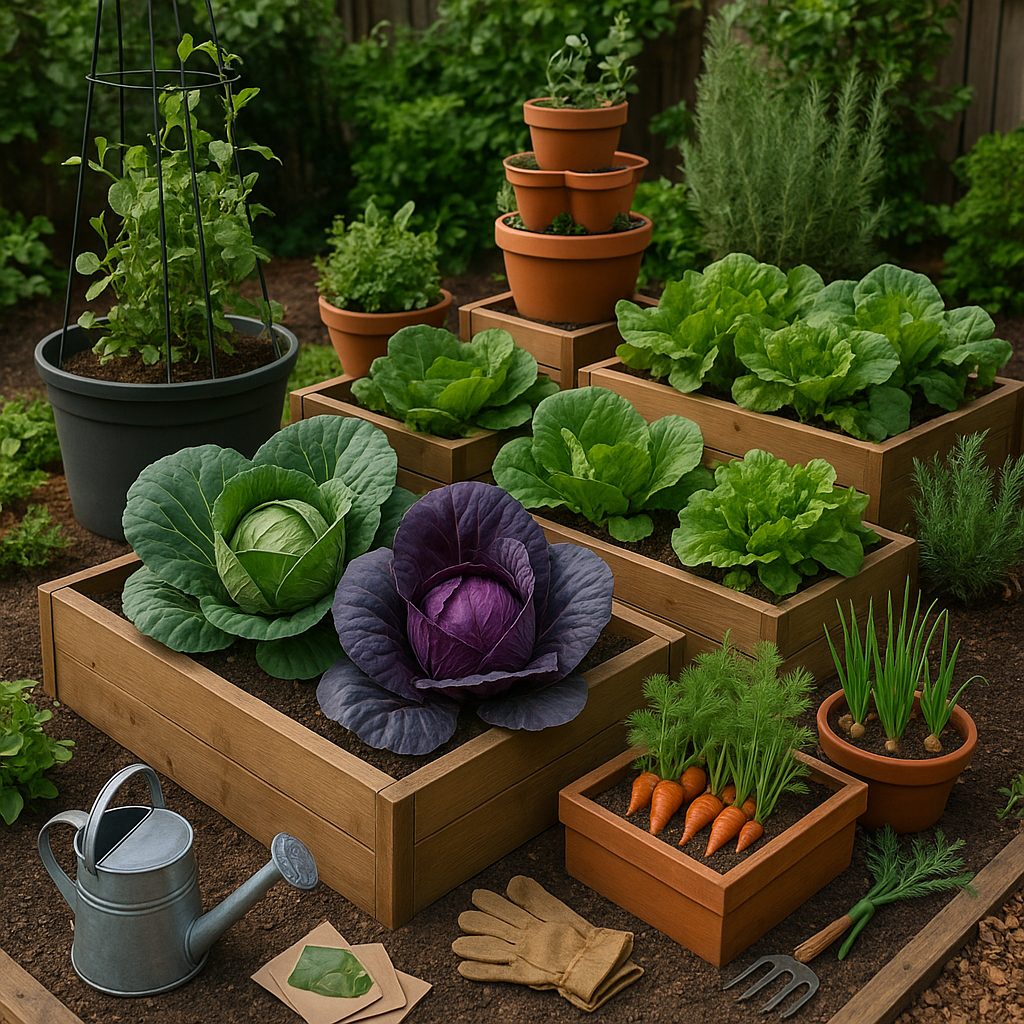
Crop rotation might seem tricky in small gardens, but it’s completely doable with a bit of planning. If you garden in raised beds or containers, group similar crops together—like tomatoes, peppers, and eggplants (nightshades); lettuce, spinach, and kale (leafy greens); carrots, onions, and beets (roots); and beans and peas (legumes).
Each season, switch these groups to a different bed or container to break pest cycles and keep soil nutrients balanced. If space is really tight, try rotating by plant family in rows or sections within the same bed. Even a simple two- or three-year rotation can make a big difference.
You can also use grow bags, buckets, or stackable planters to expand your options. After harvesting, consider planting a fast-growing cover crop such as clover or radishes to boost soil health and block weeds. Compost old plants and add organic matter each season to keep the soil rich.
Don’t be afraid to get creative—growing vining crops up trellises frees up space for underplanting, and mixing in herbs or flowers can help confuse pests. With thoughtful rotation and a dash of ingenuity, even a tiny garden can stay productive and healthy year after year.
Succession & Mixed Planting with Cabbage
Succession planting is a smart way to keep your garden producing fresh cabbage all season long, rather than having just one big harvest. Instead of sowing all your seeds at once, plant small batches every two to three weeks. This staggered approach means new heads are always maturing as you pick the older ones—perfect for home cooks who don’t need twenty cabbages at once.
Mix things up further with interplanting—grow cabbage alongside fast-growing crops like lettuce or radishes. These companions not only make the most of your space but can also reduce pests and help manage soil nutrients, especially when combined with a good crop rotation plan.
For best results, map out your beds before the planting season. Mark when and where each batch will go, leave room for other veggies between young cabbage plants, and note which sections will need replanting after harvests. This little bit of planning helps you avoid gaps in your harvest and keeps your soil healthier too.
By combining succession planting, mixed beds, and rotation, you’ll enjoy a steady supply of crisp cabbage and a thriving, resilient garden all season long.
Common Crop Rotation Mistakes to Avoid
A common mistake gardeners make when rotating cabbage is planting it too soon after other brassicas, like broccoli or kale, which encourages pest and disease buildup. Cabbage and its relatives share similar vulnerabilities, so rotating them to the same bed year after year can lead to problems such as clubroot, aphids, or cabbage worms.
To avoid this, wait at least two to three years before returning cabbage or any brassica to the same spot. Inadequate spacing is another pitfall; cramped plants struggle for nutrients and airflow, increasing their risk of disease. Be sure to leave at least 18–24 inches between cabbage plants and avoid pushing your garden’s limits.
Many gardeners also forget to keep accurate records of crop locations each season, making it easy to accidentally repeat mistakes. Using a simple garden map or digital app can help track rotations year to year.
Finally, resist the urge to use cabbage as a quick fix for empty spaces—successful crop rotation demands careful planning. By tracking your plantings, spacing crops properly, and being mindful of plant families, you’ll preserve your soil’s health and set your garden up for long-term success.