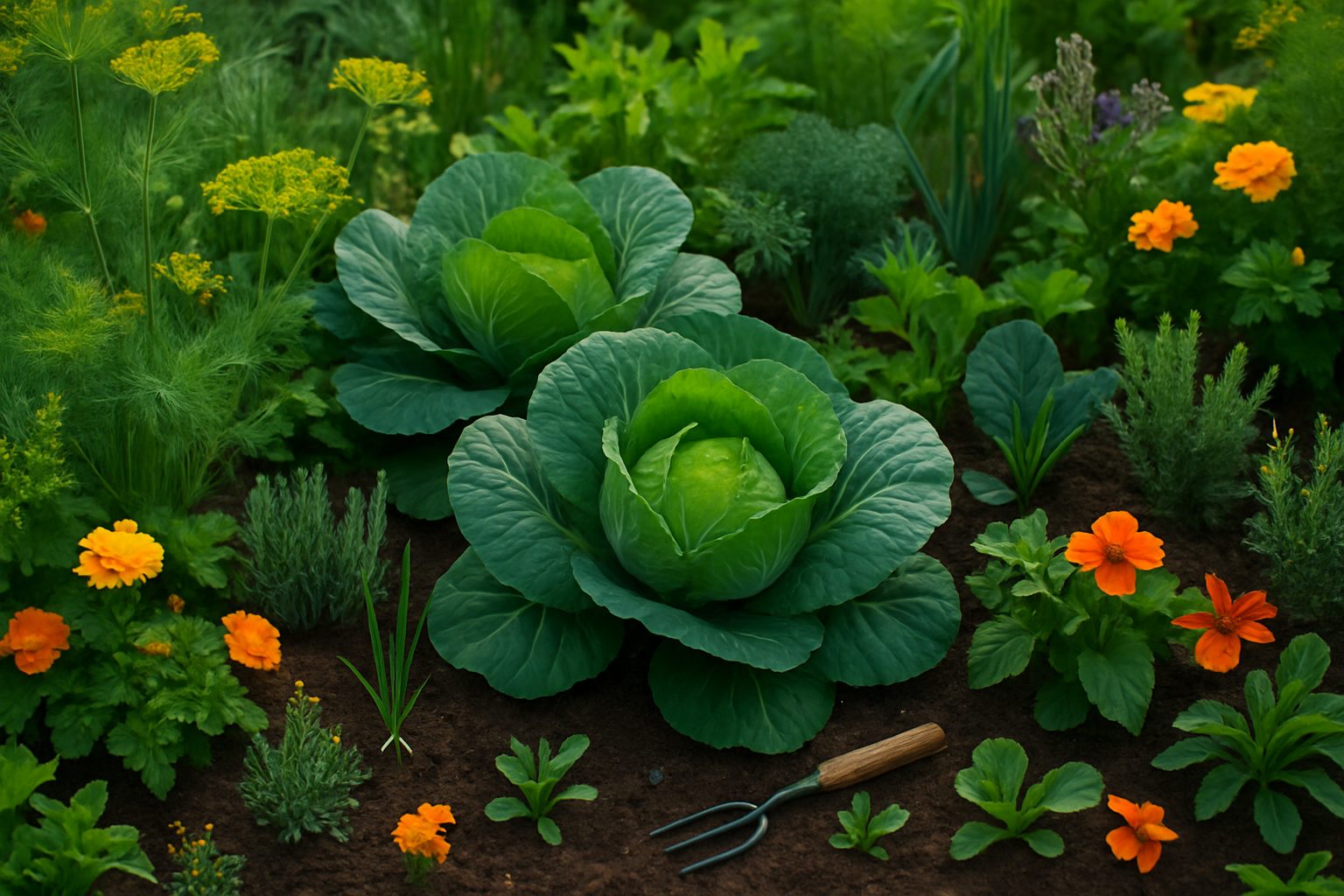
Introduction to Cabbage Companion Planting
If you’re aiming for a healthier, more productive garden, understanding cabbage companion plants could be the game-changer you need. Companion planting, a time-tested gardening practice, involves grouping different plant species together to create natural partnerships that benefit one or both plants.
For cabbage growers, this method offers key rewards—certain neighbors can boost cabbage’s growth, repel destructive pests like cabbage worms and aphids, and even improve flavor and yields. Imagine planting dill or sage nearby to help disguise your cabbage from hungry insects, or growing onions and garlic to act as natural pest deterrents, reducing the need for chemical sprays. Some companions also improve soil conditions and provide essential nutrients, making your cabbages stronger and more resilient throughout the season.
But it’s not just about what to plant—with cabbage, it’s equally important to know which plants to avoid, as some can hinder its development or attract unwanted pests. In the following sections, we’ll break down the best cabbage companion plants for every garden, from fragrant herbs to classic vegetables, and highlight common mistakes so you can create thriving, harmonious planting combinations.
Whether you’re an urban gardener with a raised bed or tending a sprawling backyard patch, you’ll discover real-world strategies for companion planting that lead to bigger harvests and less work. Let’s explore exactly which garden allies will help your cabbage thrive, and how these partnerships can turn your vegetable plot into a flourishing ecosystem.
How Cabbage Grows and What It Needs
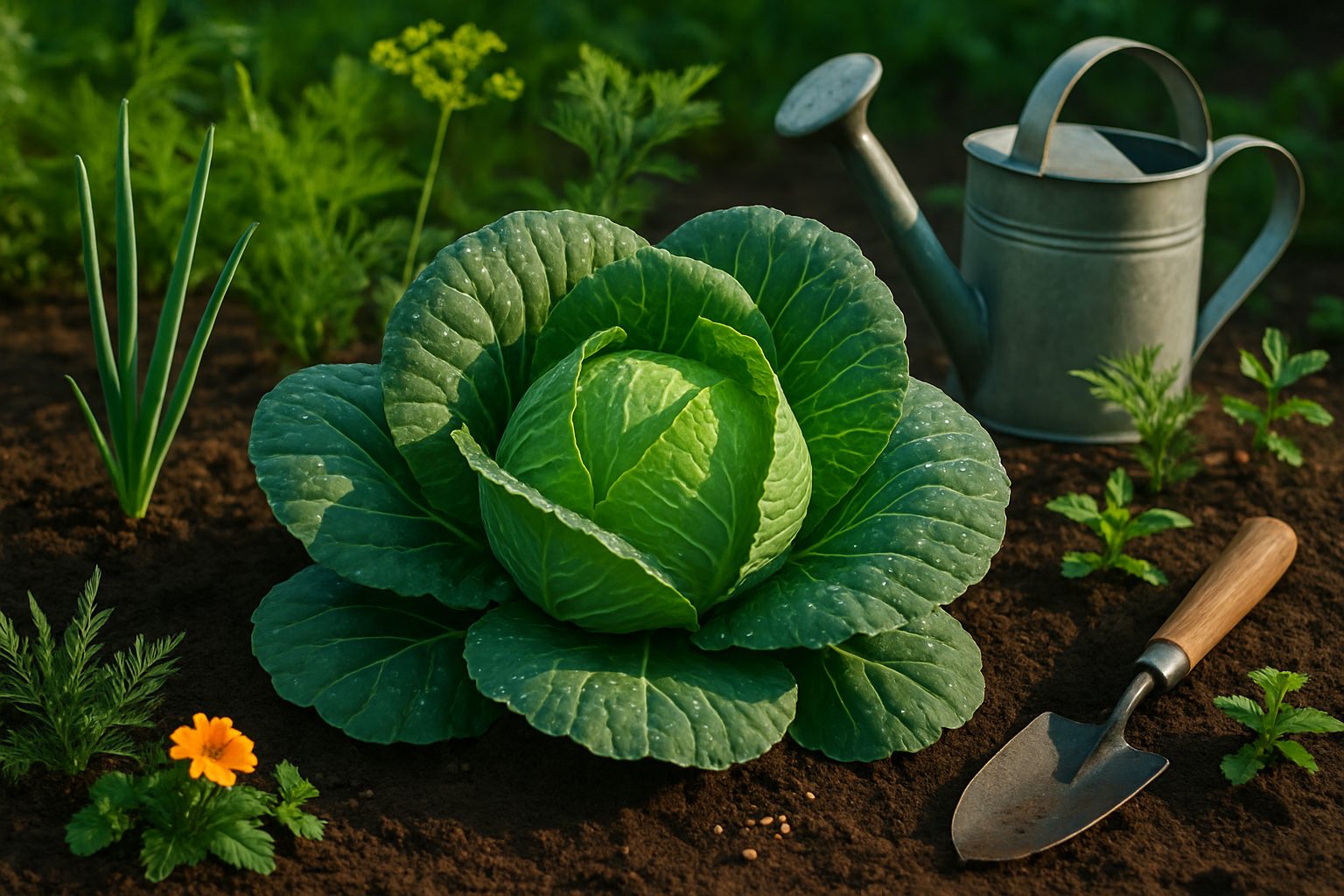
Cabbage is a cool-season crop that thrives when its basic needs are met: well-drained, fertile soil rich in organic matter, consistent moisture, and full sunlight for at least 6 hours a day. It prefers soil with a pH between 6.5 and 6.8—slightly acidic to neutral—which helps promote strong root development and nutrient absorption.
Watering should be steady but not excessive, keeping the soil damp but not soggy, as irregular moisture can cause cabbage heads to split. When planting, leave 12 to 24 inches between each plant to ensure enough space for leaf expansion and to discourage disease spread through overcrowding.
However, cabbage gardens face several common challenges. Pests like cabbage worms and aphids can chew through leaves and stunt plant growth, while soil-borne diseases such as black rot or clubroot can quickly devastate a crop. Nutrient competition from weeds also threatens healthy growth.
Fortunately, companion planting offers natural solutions to many of these issues.
- Growing cabbage alongside aromatic herbs like dill, thyme, or sage can repel harmful insects by masking the scent of the cabbage heads.
- Planting onions or garlic nearby serves a dual purpose: deterring pests and combating fungal infections.
- Marigolds are another excellent choice, as they attract beneficial insects that feast on destructive larvae.
- Even spacing carrots or beets within rows optimizes soil use without forcing cabbage to compete for nutrients.
By integrating the right companions, you can boost cabbage health, minimize pest-related damage, and reduce the need for chemical interventions—a win-win for both your garden and the environment.
Top Vegetable Companions for Cabbage
When planning your cabbage patch, pairing it with root vegetables and legumes can give your garden a significant boost. Carrots, beets, and onions make excellent companions for cabbage because they don’t compete for the same soil depth—cabbage has shallow roots while root crops grow deeper—making the most of your available space.
Onions, in particular, can help deter common cabbage pests like aphids and cabbage worms thanks to their pungent aroma, reducing the need for chemical interventions. Beets grow well alongside cabbage since neither plant crowds the other, and harvesting beets early in the season frees up more space for your cabbages to expand as they mature.
Legumes, such as bush beans, are also valuable companions—these plants naturally fix nitrogen in the soil, which benefits hungry leafy greens like cabbage. Plant beans around, but not too close to, your cabbages to avoid shading; try spacing them about 12 inches apart, staggered between cabbage plants to maximize ground coverage without overcrowding.
When interplanting root vegetables with cabbage, keep rows about 8 to 10 inches apart and alternate crops in a zigzag pattern to encourage airflow and make harvesting easier. For a simple garden plan, imagine a patchwork of cabbage heads, each flanked by rows of carrots or beets, and bordered by clusters of beans.
This mixed planting approach not only uses garden space more efficiently but also helps build healthier soil and creates a natural barrier that confuses pests. By strategically mixing these companions, you’ll harvest more from a small space, experience fewer pest issues, and enjoy more resilient, thriving crops all season long.
Best Herbs to Plant with Cabbage
When planting cabbage, choosing the right herb companions can make all the difference for a healthy, thriving garden.
Dill is a standout companion—its feathery foliage not only looks great but also attracts predatory wasps and other beneficial insects that help keep cabbage worms in check. Tuck dill seedlings at the corners of your cabbage bed or in between rows to maximize their protective presence.
Rosemary offers pest control thanks to its strong aroma, which discourages cabbage moths from laying their eggs nearby. Plant rosemary along the edges of your cabbage patch or in containers close by, since cabbage prefers more moisture than rosemary does.
Chamomile is another useful addition; it lures pollinators while boosting soil health by releasing nutrients as it breaks down. Dot chamomile around your cabbages, spacing it between plants for an appealing and functional display.
Don’t overlook borage—its star-shaped blue flowers draw bees and other pollinators, but more importantly, borage is said to improve cabbage growth and flavor while repelling common pests like cabbage worms. Interplant borage among cabbages at intervals of two or three feet to give each plant room to spread.
These strategic plantings blend beautifully in your garden and naturally support your cabbage crop, meaning less work and fewer chemical sprays needed throughout the season.
For best results, start with small numbers of each herb, observe which combinations thrive in your space, and adjust year by year to build a resilient companion planting system that keeps your cabbages healthy and productive.
Flower Companions for Pest Control & Pollinator Attraction
Choosing the right flower companions for your cabbage patch can make a real difference in both pest control and pollinator attraction. Marigolds are a classic go-to—they emit a strong scent that repels common cabbage pests like aphids and cabbage worms, making them a natural alternative to pesticides.
Nasturtiums are another clever option; their vibrant blooms attract aphids away from cabbage, acting as tasty “trap crops” that protect your vegetables. Petunias not only add cheerful color to the garden, but also attract beneficial insects such as hoverflies and parasitic wasps that prey on destructive caterpillars and beetles.
To maximize these benefits, consider planting marigolds as a border around your cabbage beds, forming a fragrant barrier pests are reluctant to cross. Meanwhile, mix nasturtiums and petunias directly among your cabbage plants—this creates a patchwork effect that keeps pests guessing and draws in pollinators for overall plant health. Rotating these flowers each season can also break up pest cycles.
These simple, practical strategies help reduce chemical use, support a thriving garden ecosystem, and keep your cabbages looking their best.
Plants to Avoid Near Cabbage
When planning your garden, it’s important to consider which plants can hinder your cabbage’s growth or attract unwanted pests. Avoid planting other brassicas—like broccoli, cauliflower, and kale—near cabbage, as they all belong to the same family and draw on similar nutrients from the soil. This overlap can quickly deplete the ground, leading to weaker growth and making your cabbage more susceptible to diseases common among brassicas, such as clubroot and black rot.
Strawberries are another poor neighbor for cabbage; both plants are prone to harboring slugs and certain fungal issues that can easily spread when planted close together. Tomatoes should also be kept away, as they attract pests like whiteflies, which can harm your cabbage, and both crops have different soil and watering needs.
Instead, consider planting herbs like dill or sage nearby, which can naturally deter pests without competing for nutrients. Leafy greens such as lettuce or spinach are also excellent companions—they mature quickly and help shade the soil, keeping it moist and cool for your cabbage.
By making these thoughtful choices, you’ll boost your cabbage crop’s health and yield while creating a more resilient and harmonious garden environment.
Planning Your Cabbage Bed: Companion Planting Tips
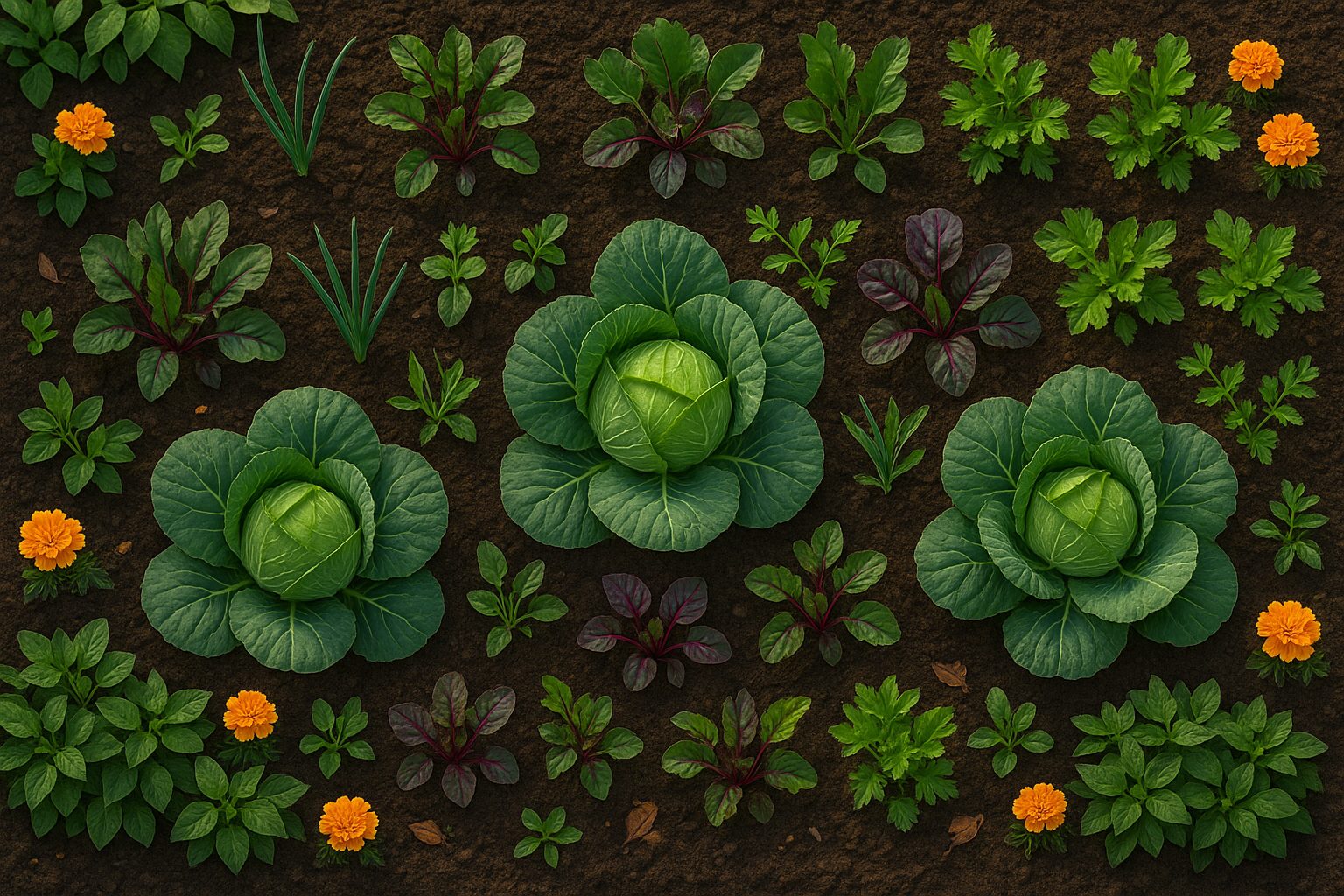
When planning your cabbage bed, smart companion planting can make a world of difference in plant health and crop yield. Start by giving each cabbage at least 18 to 24 inches of space—it might look generous, but this breathing room helps with airflow, reducing the risk of powdery mildew and other fungal diseases.
Nestle beneficial companions like onions, beets, or celery between cabbages to maximize space and naturally deter pests—onions help repel cabbage worms, while beets make use of the soil’s deeper nutrients without competing.
Avoid planting cabbages near pole beans or strawberries, as these combinations can stunt cabbage growth or attract pests.
Rotate your brassica crops every year so that cabbages and their relatives don’t grow in the same soil two seasons in a row; this disrupts disease cycles and keeps the soil healthy. You might, for example, follow your cabbage bed with legumes the next year, which enrich the soil with nitrogen, or plant root crops like carrots that tap into different nutrients.
Every garden is unique, so don’t be afraid to try out different combinations and observe which pairings thrive together in your microclimate. Keep a garden journal to note what works, and adjust your plans each season—to discover the ideal cabbage companions for your space, observation and a little curiosity go a long way.
Conclusion & Quick Reference Table
Companion planting offers cabbage growers a natural way to boost growth, deter pests, and maximize harvests with less reliance on chemicals. Pairing cabbage with the right neighbors—like dill, onions, and celery—can help fend off common pests such as cabbage worms and aphids, while also improving soil health and overall plant vigor.
For example, aromatic herbs like sage and thyme are known to repel moths, while legumes can enrich the soil with nitrogen to support leafy cabbage growth. On the flip side, some plants like strawberries, tomatoes, and pole beans can actually hinder cabbage development or attract unwanted pests, so it’s best to plant these away from your cabbage patches.
Check the quick reference table below for fast guidance. Have you tried companion planting with cabbage or noticed certain plant combinations that work wonders? Share your questions or personal experiences in the comments to help fellow gardeners get the most from their cabbage beds!
| Companion Plants to Grow with Cabbage | Plants to Avoid Near Cabbage |
|---|---|
| Dill, Onion, Celery, Sage, Thyme, Chamomile, Peas, Nasturtium, Beets | Strawberries, Tomatoes, Pole Beans, Grapes, Mustard Greens |