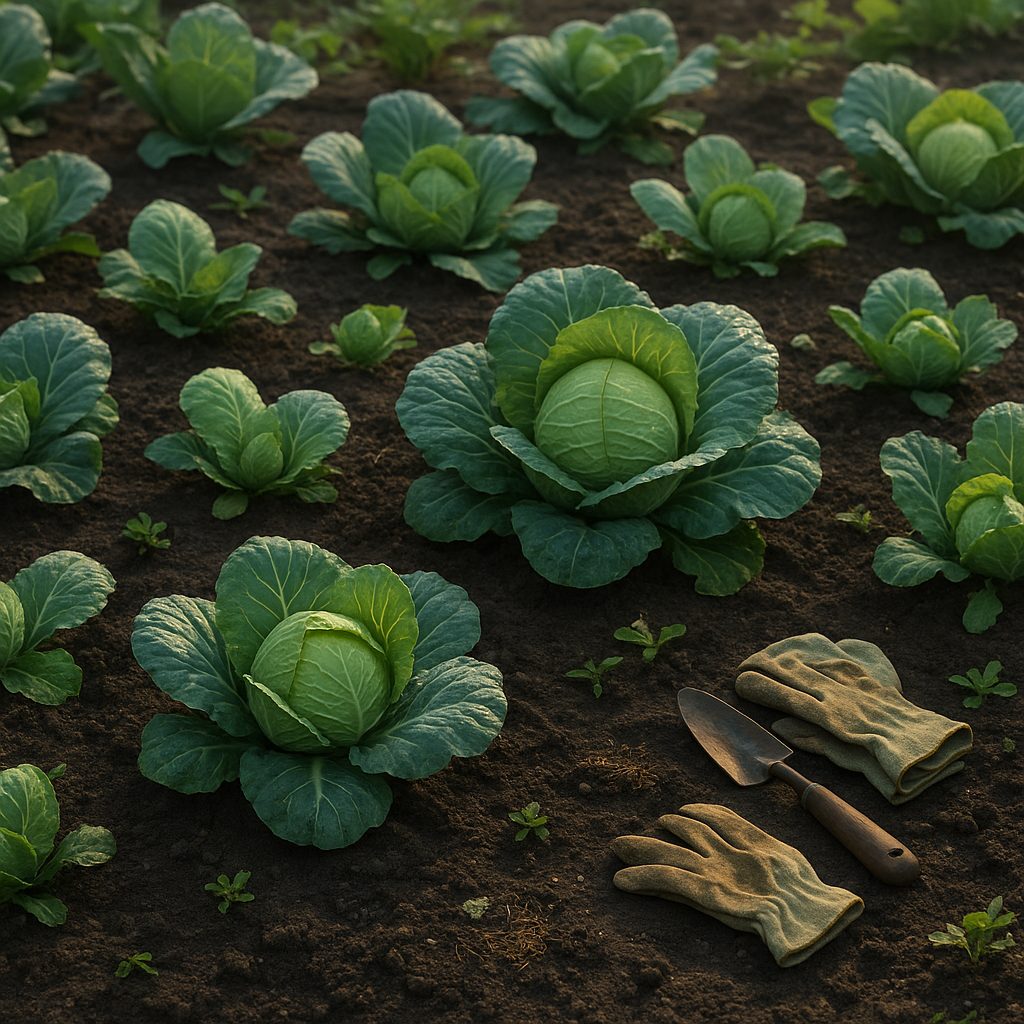
Growing Cabbage Basics
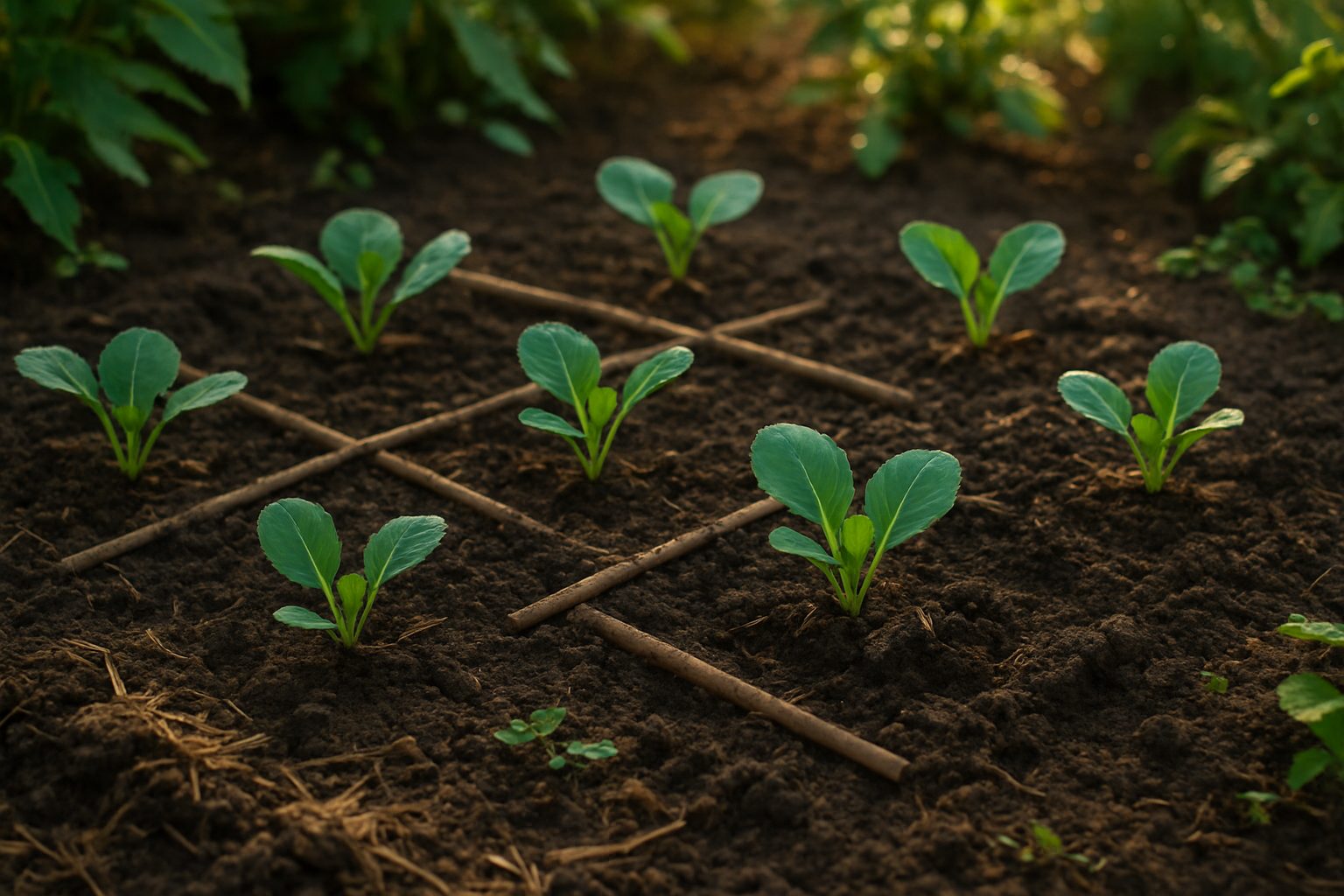
Getting cabbage spacing right is essential for a healthy, productive crop of this versatile, cool-weather vegetable. Cabbage is a favorite among home gardeners because it’s packed with nutrients and can be used in everything from salads to stir-fries and sauerkraut.
To thrive, cabbage needs well-drained, fertile soil rich in organic matter and a spot that receives six or more hours of full sunlight daily. It prefers cooler temperatures, typically growing best in spring and fall, making it ideal for gardeners eager to extend their harvest beyond the main summer season.
You can start cabbage from seeds sown directly into the garden, or get a jump on the season by transplanting young seedlings—either your own or those bought from a nursery. Both methods work well, but transplants usually lead to an earlier harvest and can outpace weeds.
Expect each cabbage head to reach about 1 to 3 pounds, with the growing season lasting anywhere from 70 to 100 days depending on the variety and weather. Regular watering and an eye toward common pests like cabbage worms are important throughout the season.
With the right care and attention to cabbage spacing, you’ll be rewarded with crisp, delicious heads perfect for your favorite recipes.
Choosing the Right Variety & Site Preparation
Picking the right cabbage variety makes a big difference in your harvest. Compact varieties like ‘Golden Acre’ or ‘Caraflex’ are great for small gardens or containers since they take up less space and mature faster, while traditional types such as ‘Green Jersey Wakefield’ or ‘Savoy’ offer larger, dense heads but need more room to grow.
Whichever you choose, select a planting site with full sun for at least six hours daily, as cabbage thrives on plenty of light. Good drainage is essential—avoid spots where water pools after rain.
Cabbage loves rich, fertile soil, so work in plenty of compost or well-rotted manure before planting. Aim for a soil pH between 6.5 and 6.8; a simple testing kit can help you check.
In smaller yards, raised beds offer control over soil quality and drainage while maximizing space, making them ideal for urban or home gardeners.
Planting Cabbage: Seeds, Spacing & Timing
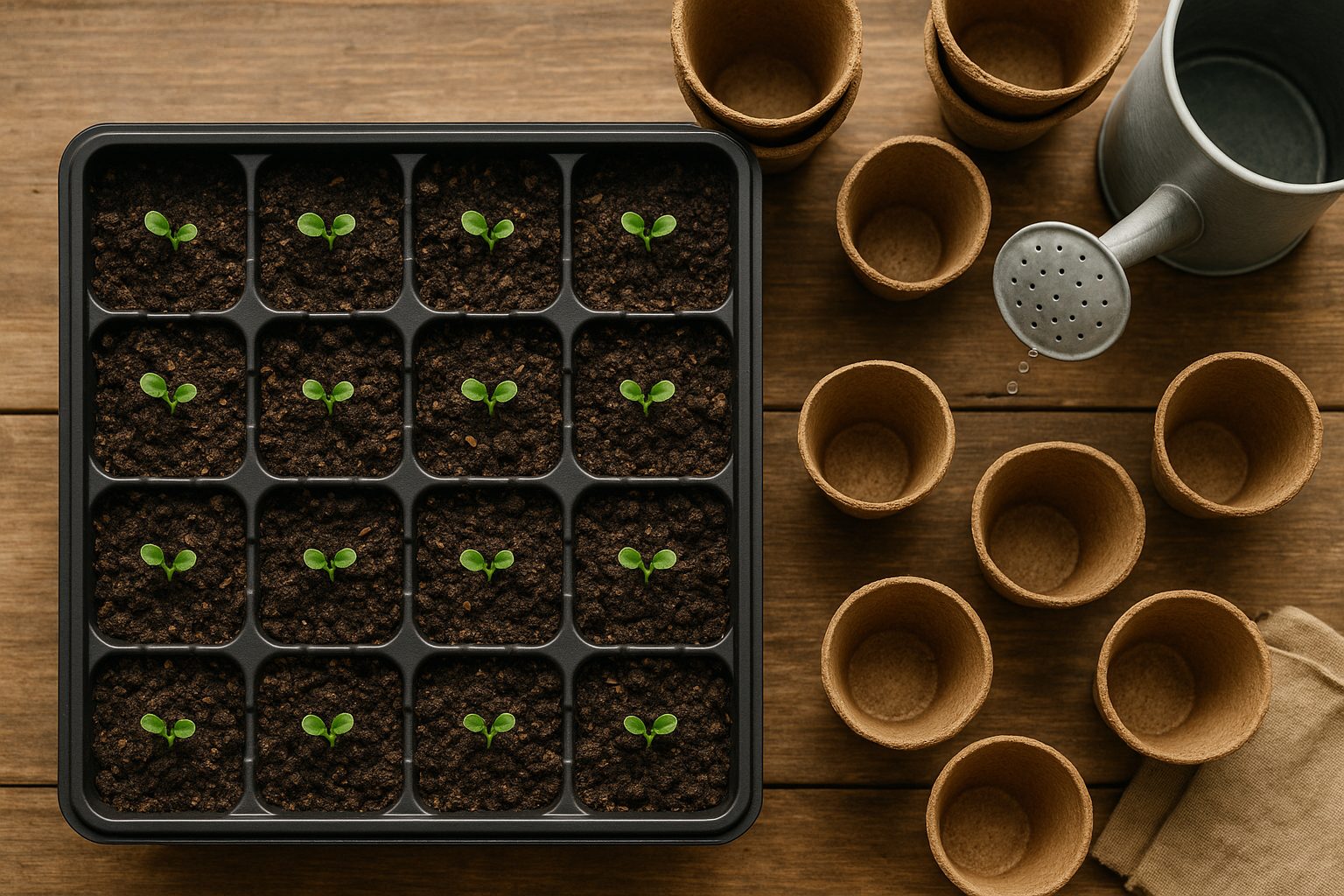
To plant cabbage, start seeds indoors 6-8 weeks before your last expected spring frost or 10-12 weeks before the first fall frost for autumn crops. Fill seed trays with seed-starting mix, sow seeds about ¼ inch deep, and keep them moist and warm until they sprout—usually within 5-10 days.
Once seedlings have two or more true leaves and outdoor temperatures are above 45°F, harden them off gradually over a week before transplanting.
For direct sowing, plant seeds about ¼ inch deep in well-amended soil after the danger of frost has passed. Then thin seedlings to leave 18-24 inches between plants and at least 2 feet between rows. This spacing helps prevent overcrowding, which is a major cause of stunted heads and disease.
To avoid transplant shock, water well before and after moving the plants, and try to plant on a cloudy day. Skipping these steps can lead to slow growth or poor yields.
Caring for Cabbage: Watering, Feeding & Common Problems
To keep your cabbage healthy, aim for consistent soil moisture—about 1 to 1.5 inches of water per week is ideal, whether from rainfall or deep watering. This helps prevent the roots from drying out or becoming waterlogged. Mulching is a great way to retain moisture and keep weeds down.
For feeding, start with a balanced fertilizer at planting. Then, side-dress with compost or a nitrogen-rich fertilizer halfway through the growing season to encourage leafy growth.
Watch out for pests like cabbage worms, which leave chewed leaves and green droppings, and aphids, which cluster on the undersides of leaves. Protect your crop by using row covers, hand-picking pests, or applying insecticidal soap as needed.
Diseases such as clubroot and black rot can sneak in. To prevent them, rotate your crops each year and remove any diseased plants quickly.
Splitting often happens after heavy rain or uneven watering. To avoid this, harvest mature heads promptly and maintain regular watering to prevent sudden bursts of growth.
Harvesting & Storage
Knowing when to harvest cabbage is key to getting the best flavor and texture. Watch for the head to feel firm and dense when squeezed gently—if the head starts to split or crack, it’s a sign you’ve waited a little too long. Most cabbage heads are ready when they reach a suitable mature size but before they lose that tight, compact look.
Use a sharp knife or garden shears to cut the cabbage at the base, leaving a few outer leaves to protect it. Handle each head gently to avoid bruising, which can lead to early spoilage.
For short-term storage, wrap the heads in a plastic bag or damp cloth and keep them in your refrigerator’s crisper drawer; they’ll stay fresh for up to two weeks. For longer storage, consider placing them in a root cellar with high humidity and cool temperatures, or try fermentation—making sauerkraut is a popular way to preserve cabbage flavor and nutrients for months.
Extra Tips for Small Spaces & Seed Saving
Growing cabbage in small spaces is totally doable with a bit of planning. Choose compact varieties like ‘Golden Acre’ or ‘Mini Storage,’ which thrive in containers as small as 12-16 inches wide.
If you’re working with raised beds or patio pots, try interplanting cabbage with friendly companions like green onions, dill, or lettuce. These combinations maximize yields without crowding your plants.
For saving seeds, let a healthy cabbage plant flower and form seed pods in its second year—just be sure to separate varieties to avoid cross-pollination. Once the pods dry and turn brown, snip them off and store the seeds in a cool, dark place for next season.