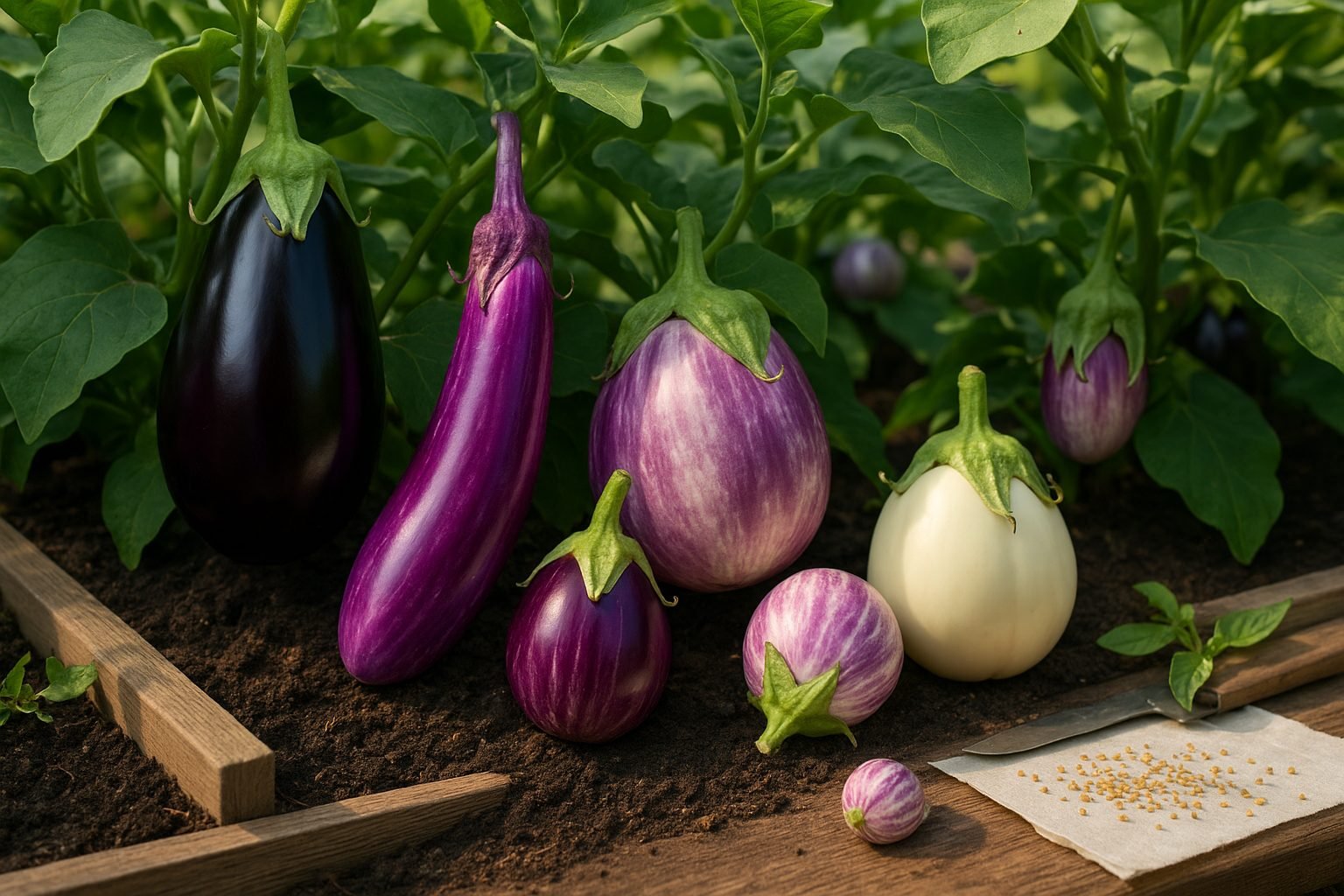
The Basics of Growing Eggplant
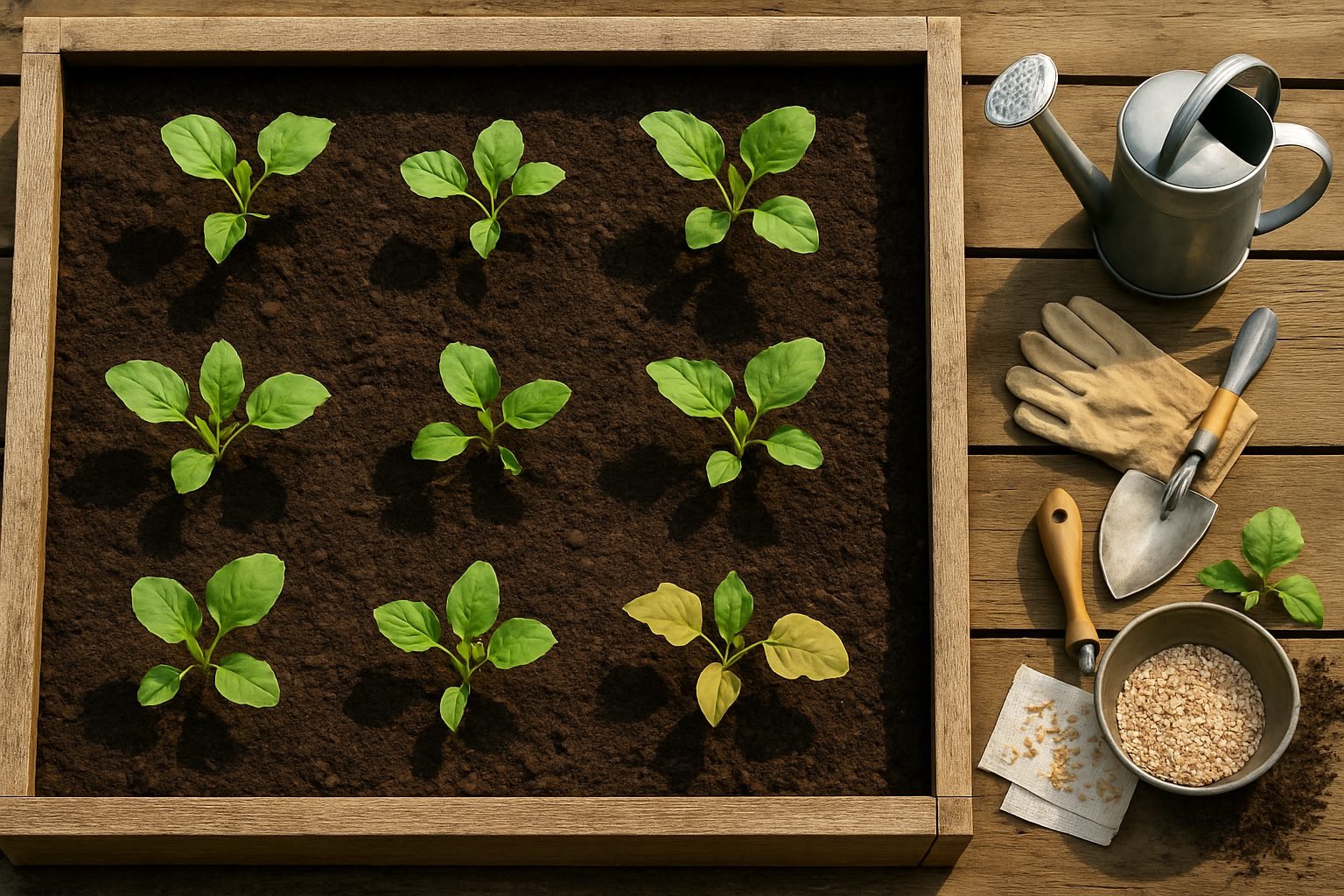
Raised bed eggplant gardens are becoming a favorite project among home growers, and for good reason. Eggplant, often seen in classic purple varieties like Black Beauty, as well as slender Japanese eggplants and colorful heirlooms such as Rosa Bianca, thrives in the warmth and controlled conditions that raised beds provide. Raising your own eggplants doesn’t just offer a sense of accomplishment—it also guarantees fresher, tastier harvests compared to store-bought ones. Many gardeners are surprised to discover the remarkable flavor difference of just-picked eggplant, which is far more tender and less bitter. Plus, growing eggplant at home lets you try unusual shapes and colors rarely found in supermarkets.
Is Eggplant a Fruit or a Vegetable?
But is eggplant a fruit or a vegetable? Technically, eggplant is a fruit—the edible product of a flowering plant containing seeds. However, in the kitchen, it’s treated as a savory vegetable, making it a versatile ingredient for dishes from Mediterranean ratatouille to grilled East Asian kebabs. For gardeners, this dual identity matters: as a fruiting plant, eggplant thrives in full sun and well-draining soil, both of which are easier to control in raised beds.
Benefits of Growing Eggplant in Raised Beds
If you’re thinking about growing raised bed eggplant, you’ll benefit from improved soil quality, easier weed control, and better drainage. This environment helps eggplants develop strong roots and vibrant foliage—keys to successful fruiting. Even if you only have a small space, a raised bed tucked onto a sunny patio can yield a surprising number of shiny, delicious fruits through summer.
Not only does this make every meal more colorful and fresh, but it also allows for experimentation with rare varieties, so you can savor a world of eggplant flavors right from your backyard.
Choosing and Preparing Your Planting Site
When growing eggplants, picking the right planting site can make all the difference in your harvest. Eggplants thrive in full sun, so choose a spot that gets at least 6–8 hours of direct sunlight every day; a south-facing area is often best. These heat-loving veggies prefer daytime temperatures between 70°F and 85°F, and they won’t tolerate frost or chilly nights, so avoid planting too early in spring.
Good air circulation around your plants is important, so avoid crowding them between tall crops or up against fences. Eggplants need rich, well-draining soil—sandy loam or loam is ideal. Aim for a soil pH between 5.8 and 6.5, which is slightly acidic. Drainage is crucial because eggplant roots can easily rot in soggy soil.
If your garden soil is heavy clay or tends to hold water after rain, consider using raised beds or large containers with drainage holes. Before planting, enrich your soil by mixing in a generous amount of compost or well-rotted manure; this boosts nutrients and helps the soil retain just enough moisture. A simple way to prep containers is to fill them with a blend of good-quality potting mix and compost—about 70% potting mix and 30% compost works well.
As you prepare your garden bed, loosen the soil 8–10 inches deep so roots can spread easily. Finally, remove any weeds and stones so your young eggplants won’t have to compete for nutrients or space.
Planting Eggplant: Seeds, Seedlings, and Spacing
Deciding whether to start eggplant from seeds or seedlings depends on your climate, experience level, and how quickly you want a harvest. Seeds are cost-effective and offer a greater variety of options, but they require patience—eggplants need warm conditions and germinate best indoors 8-10 weeks before your last frost.
Start by sowing seeds in seed trays or small pots, using a seed-starting mix, and keep them at 75-85°F (a heat mat helps) with plenty of light. Once seedlings reach 3-4 inches tall and have at least two true leaves, gradually harden them off by moving them outside for a few hours daily over 5-7 days. Transplant them outside when nighttime temperatures are reliably above 55°F and any risk of frost is gone.
If you prefer simplicity or a later start, purchase nursery-grown seedlings and transplant after hardening off.
Proper Spacing
Proper spacing is key for healthy growth:
- Standard varieties need about 18-24 inches between plants and 24-36 inches between rows for good air circulation.
- Compact types suited for containers or raised beds can be spaced 14-18 inches apart.
- For containers, choose pots at least 12-14 inches wide and deep.
Always plant seedlings at the same depth they grew in their trays to reduce transplant shock. Mulching around plants helps regulate soil temperature and retain moisture, especially in raised beds.
Whichever method and setup you choose, attention to timing, gentle handling, and proper spacing will set your eggplants up for a healthy start and a bountiful harvest.
Caring for Eggplant Throughout the Season
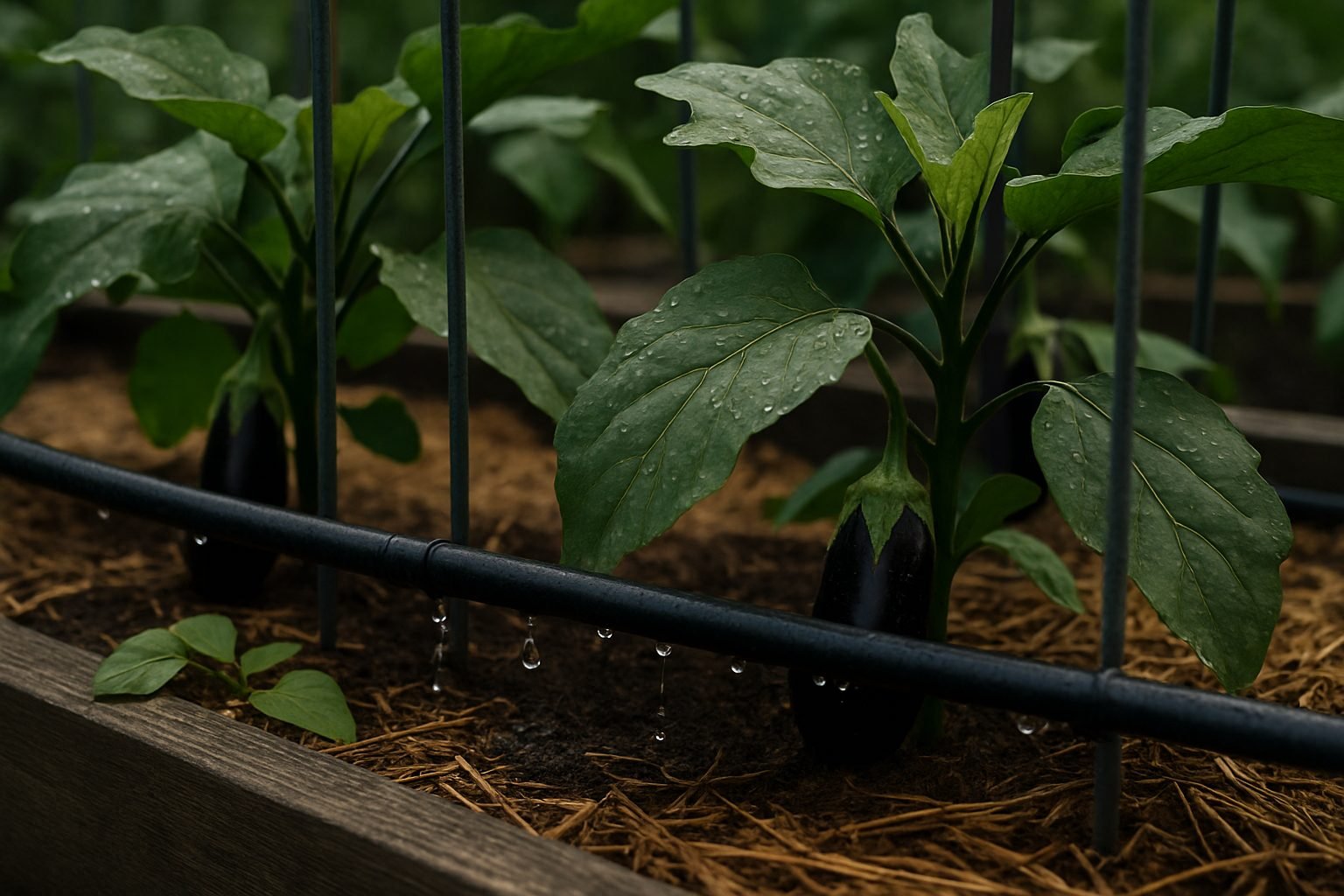
Caring for eggplant throughout the season means paying close attention to its basic needs and adjusting your care as the plant develops. Start by keeping the soil consistently moist but not soggy—eggplants love regular watering, especially during flowering and fruiting periods.
A soaker hose or drip irrigation system can keep moisture levels steady without wetting the foliage, which helps prevent disease. Mulching with straw, dried grass clippings, or chopped leaves will lock in soil moisture, regulate temperature, and slow weed growth; refresh your mulch layer every month or so for best results.
Fertilize with a balanced, slow-release granular fertilizer at planting, and supplement with compost tea or fish emulsion every few weeks, especially when the plants begin setting fruit.
As eggplants grow, they can become heavy and sprawl, so support them early by staking each plant or using tomato cages—this keeps the stems upright, improves air circulation, and reduces the chances of fruit touching the ground and rotting.
Throughout the season, prune away lower leaves and any suckers (small shoots between main stems and branches) to help the plant focus energy on fruiting and to boost airflow, which also discourages fungal diseases.
Stay vigilant for common pests like flea beetles and spider mites; check the undersides of leaves weekly and use row covers early in the season or spray with insecticidal soap if you notice damage. Aphids can also be washed away with a gentle spray of water, or you can invite ladybugs to tackle infestations naturally.
As fruit starts to form, remove any damaged or overcrowded fruits by snipping them off—this prevents stress and ensures you get a healthy, delicious harvest.
Regular attention to these details will keep your eggplants thriving from spring planting through the final harvest in late summer or early fall.
Common Eggplant Problems and Solutions
Growing healthy eggplants can be tricky, especially with pests and diseases lurking around. One of the most common threats is the flea beetle, which leaves tiny holes in leaves and can quickly weaken young plants. To catch these pests early, regularly check the undersides of leaves for small black or bronze beetles, and use neem oil spray or floating row covers to keep them away.
Spider mites can also cause leaves to turn yellow and develop a speckled appearance. Combat them by misting plants with water, introducing ladybugs, or using insecticidal soap.
If you notice dark spots or fuzzy mold, your plants might be suffering from fungal issues like powdery mildew or verticillium wilt. To prevent these, ensure good air circulation and avoid overhead watering. Remove and discard affected leaves promptly to stop the spread.
Yellowing leaves can also signal nutrient deficiencies, especially a lack of nitrogen. Feed your eggplants with a balanced organic fertilizer and add compost to the soil.
If flowers are dropping without fruit forming, stress from high heat or inconsistent watering is often to blame. Mulch to keep soil evenly moist and water deeply, especially during heatwaves.
For slow growth, check that your eggplants are getting at least six hours of sunlight per day and that the soil temperature is above 60°F. Using black plastic mulch can help warm the soil in cooler climates.
With a watchful eye and a few proactive steps, you can address these common eggplant problems before they get out of hand and enjoy a bountiful harvest.
Harvesting and Storing Eggplant
Knowing when to harvest eggplant is crucial for flavor and texture. Unlike some vegetables, eggplants don’t ripen well off the vine, so it’s important to pick them at their peak. Look for fruits with smooth, glossy skin and a firm feel—you want them to be full-sized, but not overgrown. If the skin starts to look dull or the fruit becomes spongy, it’s a sign they’re past their prime.
A simple thumb test works well: gently press your thumb against the skin; if it springs back, they’re ready. For harvesting, use sharp garden shears or a knife instead of pulling; cut the stem about an inch above the cap to avoid tearing the plant. Eggplant stems are tough and prickly, so wearing gloves can save your hands from scratches.
To store fresh eggplants, avoid washing them until just before use, as excess moisture can lead to spoilage. Wrap each fruit in a paper towel and place them in a breathable produce bag, then store in the refrigerator crisper drawer. Ideally, use eggplants within three to five days for the best flavor and texture—they don’t keep as long as other vegetables.
If you have a large harvest, try slicing and freezing them after blanching, or preserve them by pickling. With careful harvesting and proper storage, you can enjoy delicious eggplant dishes long after you’ve picked them from the garden.
Top Eggplant Varieties and Growing Tips
When choosing eggplant varieties for your garden, consider classics like ‘Black Beauty,’ known for its large, glossy purple fruits and reliable yields, or the slender, mild-flavored ‘Ichiban’—a Japanese variety that matures quickly, making it perfect for shorter growing seasons.
If you’re aiming for visually striking harvests, try ‘Rosa Bianca,’ an Italian heirloom with round, lavender-white marbled fruits, or ‘Fairy Tale,’ which features smaller, striped eggplants ideal for roasting and grilling.
For container gardening or limited spaces, ‘Patio Baby’ and ‘Hansel’ are compact hybrids that thrive in pots as small as 12 inches across, producing abundant, tender fruits even on balconies or patios.
To maximize success, use a well-draining, nutrient-rich potting mix, position containers in full sun, and keep soil consistently moist but not soggy. Eggplants love warmth, so wait until night temperatures stay above 55°F before transplanting outside, and consider dark-colored pots to retain heat.
Pinch off the first few flowers to encourage leafy growth early on, which leads to bigger harvests later. Don’t be afraid to experiment with a few varieties each season—each brings unique flavors and colors, and you might discover a new favorite that thrives in your microclimate.