Why Grow Eggplant from Seed?
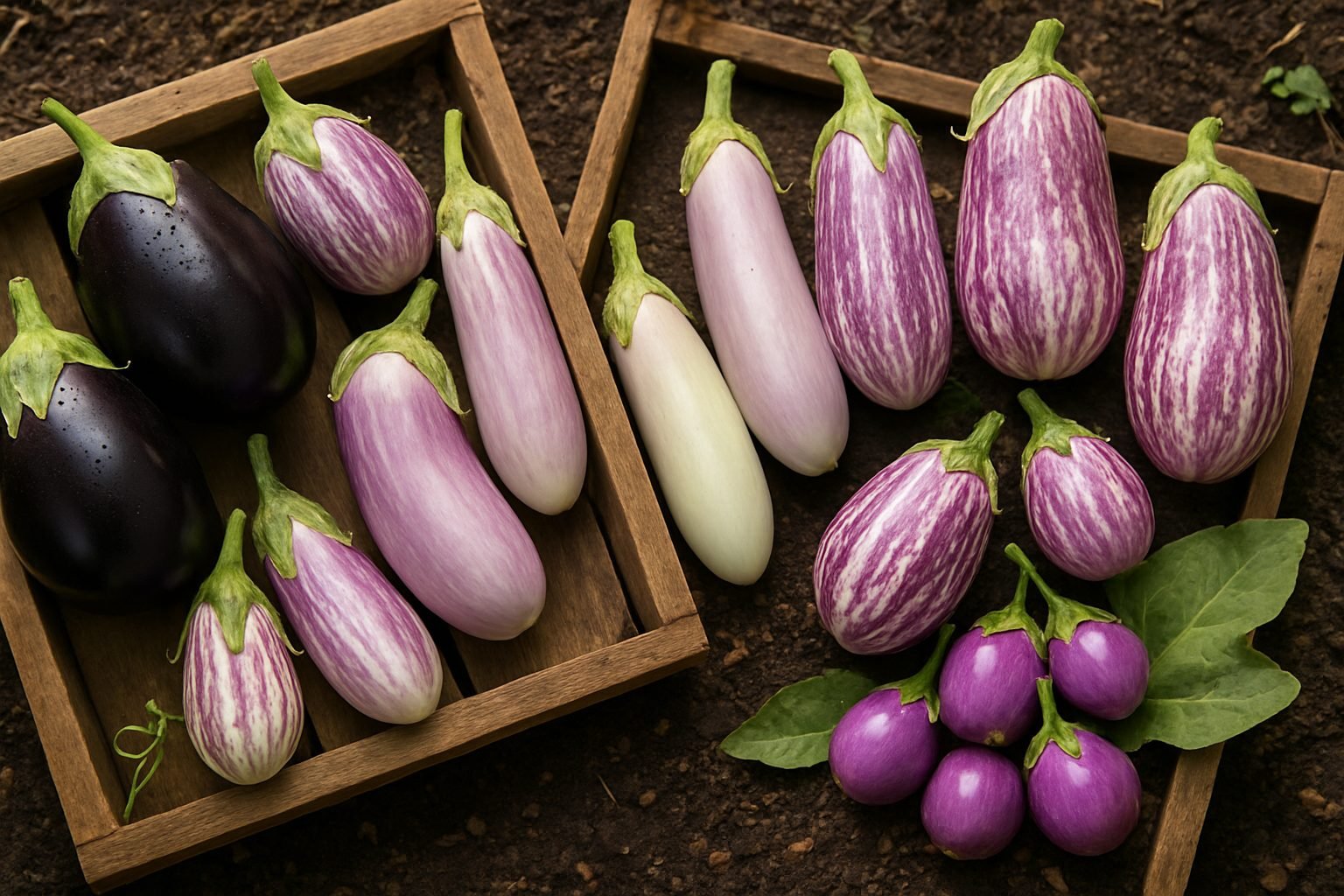
Starting eggplant seeds indoors opens up a world of possibilities for gardeners craving a more personal touch in their harvest. First, selecting and starting eggplant seeds yourself offers access to a universe of varieties far beyond what’s available at garden centers—think rich, striped heirlooms or petite Asian types perfect for small containers. This means you can tailor your crop to your taste, space, and climate, rather than settling for generic choices.
Starting from seed also slashes costs compared to buying nursery seedlings, especially if you plan to grow multiple plants or varieties. Plus, when you control every step from germination onward, you give your eggplants the best start, resulting in robust, resilient plants with strong root systems and improved natural resistance to pests and disease.
Homegrown eggplants are not just fresher—they’re picked at peak ripeness, translating to better flavor and more nutrients than supermarket options. Eggplants are also incredibly versatile and well-suited for containers or compact garden spots, making them ideal even for those with limited space.
Ultimately, starting eggplant seeds lets you enjoy unique, healthy vegetables tailored exactly to your preferences, with the added satisfaction of watching every stage of growth in your own home.
Understanding Eggplant: A Quick Overview
Eggplant, often mistaken for a vegetable, is actually classified as a fruit because it develops from the flowering part of the plant and contains seeds. Despite this botanical fact, most of us treat it as a savory vegetable in the kitchen.
If you’re considering growing eggplant at home, keep in mind that it favors warm climates and plenty of sunshine—think six to eight hours of direct light per day. Eggplants thrive best in rich, well-draining soil with a slightly acidic to neutral pH, ideally between 6.0 and 7.0. The soil should be kept consistently moist but never soggy, as waterlogged roots can lead to poor growth or disease.
Temperature is another key factor—eggplants grow best when daytime temperatures are between 70°F and 85°F (21°C to 29°C), making them a great choice for gardeners in warmer regions or those using greenhouses.
For beginners eager to start from seed, consider tried-and-true varieties like Black Beauty, known for its classic teardrop shape and reliability, or smaller types like Fairy Tale and Ichiban, which are known for their slender fruits and fast maturation. These varieties are not only forgiving for new gardeners but also produce abundant harvests perfect for grilling, roasting, or adding to your favorite dishes.
Choosing and Starting Eggplant Seeds Indoors
When starting eggplant seeds indoors, begin by choosing high-quality seeds from a reputable supplier. Look for disease-resistant varieties suited to your region’s climate—‘Ichiban’ and ‘Black Beauty’ are great for cooler areas, while ‘Ping Tung Long’ thrives in heat.
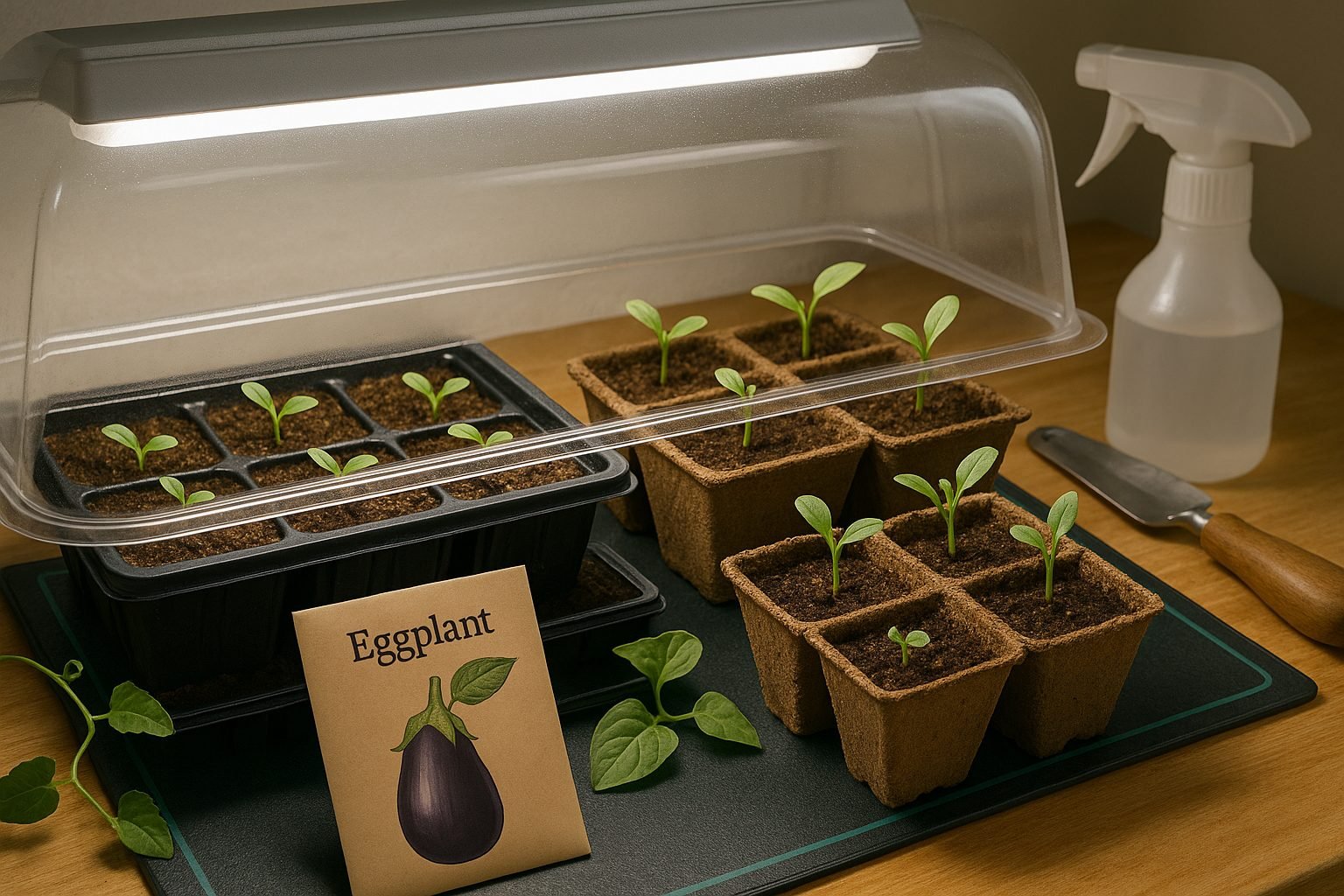
Start seeds 8-10 weeks before your last expected frost date, using cell trays or peat pots filled with a sterile, well-draining seed-starting mix. Avoid garden soil to minimize disease risks.
Eggplants love warmth, so maintain soil temperatures between 75-85°F using a seedling heat mat if possible. Cover trays with clear lids or plastic wrap to hold in humidity until seeds sprout.
Provide strong, consistent light—a sunny south-facing window or grow lights set 2-3 inches above seedlings for 14-16 hours daily—to prevent leggy, weak growth. Water gently to keep the mix just moist—never soggy—to prevent damping-off disease. Consider sprinkling a light layer of vermiculite on top to deter fungal problems.
For even better germination rates, soak seeds in warm water for a few hours before planting. Once seedlings develop their first true leaves, thin them so only the strongest remain in each cell or pot.
Early attention to these steps will set your eggplants up for resilience, reducing the chances of spindly growth or fungal issues later on.
Transplanting Eggplant Seedlings Outdoors
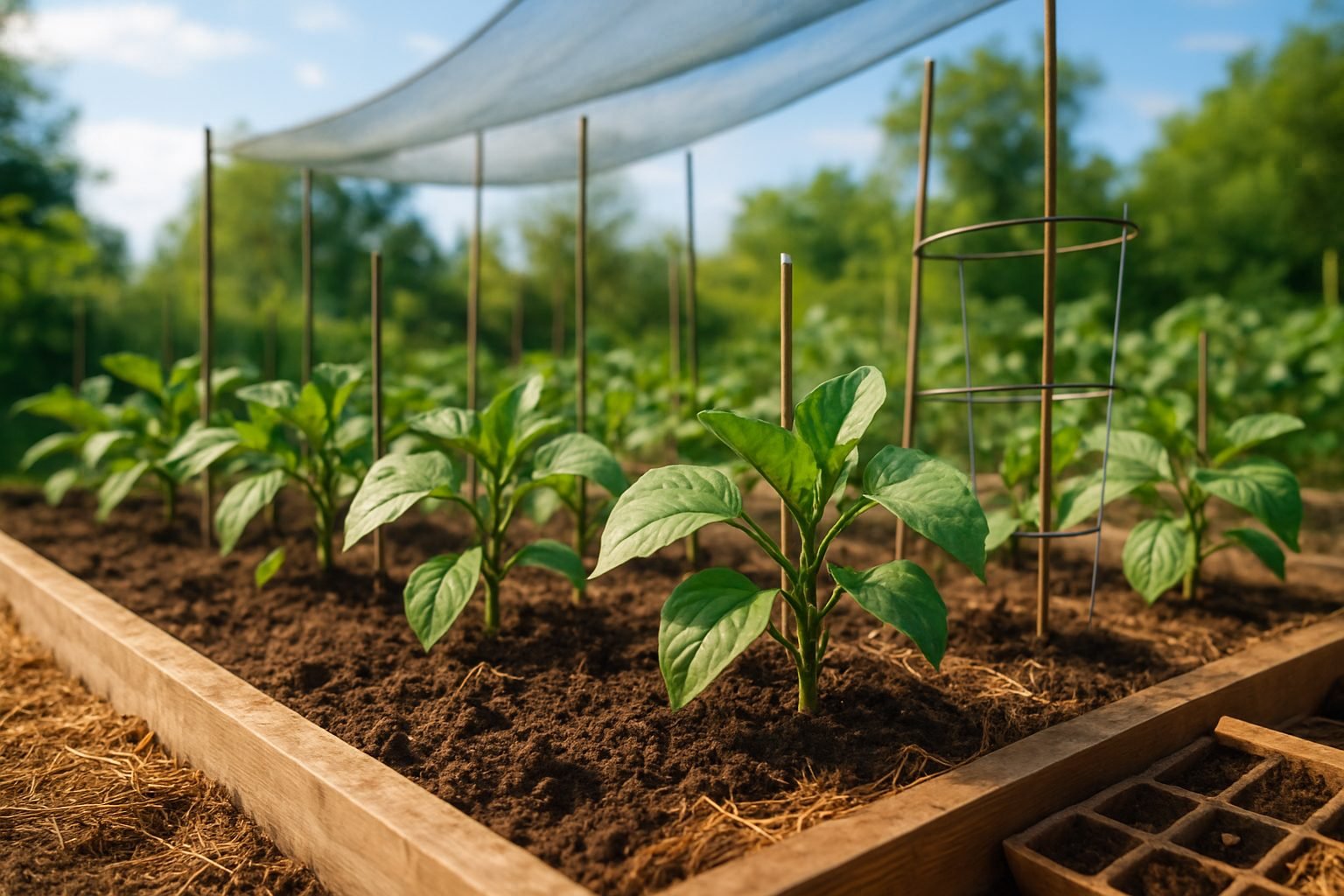
When your eggplant seedlings are around 6-8 weeks old, have at least two to three sets of true leaves, and look sturdy with thick stems and healthy green foliage, they’re ready for transplanting outdoors. Before planting, gradually harden them off by exposing them to outdoor conditions for a week—start with a couple of hours in dappled shade, slowly increasing time and sunlight exposure each day to reduce transplant shock.
Choose a warm, sunny spot with well-drained, fertile soil (amend with compost if needed), and make sure nighttime temperatures consistently stay above 55°F (13°C); eggplants are sensitive to cold. Space the seedlings 18-24 inches apart in rows about 2-3 feet apart to ensure good airflow and prevent disease. Water them thoroughly after planting.
Avoid rushing the process; setting plants outdoors too soon or skipping the hardening-off step commonly leads to stunted growth or frost damage. Also, don’t overlook soil drainage—eggplants dislike soggy roots, so raise beds if your garden tends to stay wet.
Keep an eye out for weeds and consider using mulch to retain moisture and deter pests. In the first week, shield young plants from wind and intense midday sun with shade cloth or an old bedsheet, and check moisture daily since seedlings are especially vulnerable at this stage.
With patience and attention to these early details, your eggplants will have a strong start, setting the stage for a productive summer harvest.
Caring for Eggplants Through Their Growing Stages
Successfully growing healthy eggplants starts with meeting their specific needs at every stage. In the seedling stage, keep the soil consistently moist but not soggy, and use a gentle, balanced fertilizer every two weeks to support strong roots.
As plants mature, gradually increase watering to 1-2 inches per week, aiming for deep soaks instead of frequent shallow watering—this encourages resilience against drought. When eggplants reach about a foot tall, add a layer of mulch such as straw or shredded leaves to retain moisture, suppress weeds, and keep soil temperatures even.
Tall or heavy-bearing varieties benefit from staking or caging to prevent the stems from snapping under the weight of developing fruit. Watch for pests like flea beetles, aphids, and spider mites; spraying plants with neem oil or releasing beneficial insects like ladybugs can keep populations down without chemicals.
Diseases like verticillium wilt or powdery mildew can be minimized by watering at the base of plants and ensuring good air circulation. If you notice yellowing leaves, dropping flowers, or poor fruit set, check for uneven watering, low pollination, or nutrient imbalances—adding compost or a tomato-tone fertilizer can help.
For best results, rotate crops each year and never plant eggplants in the same place as peppers or tomatoes to reduce disease risk. With attentive care and a proactive approach, you’ll enjoy a strong, fruitful eggplant harvest.
Harvesting and Using Homegrown Eggplants
Picking eggplants at the right time can make all the difference in flavor and texture. Look for glossy, firm fruits with a rich, even color—dull skin or excessive softness usually means they’re overripe. Gently press your thumb into the skin; if it springs back, the eggplant is ready.
Harvest by using sharp garden shears or a knife to cut the stem about an inch above the fruit. Avoid twisting or pulling, as this can damage both the eggplant and the plant itself.
Once picked, store eggplants in a cool, slightly humid spot—think the crisper drawer of your fridge—but don’t seal them in plastic, as eggplants prefer some airflow. Try to use them within a week for the best quality.
Cooking Ideas
Eggplants are delicious grilled, roasted, sautéed, or baked into classics like ratatouille and baba ganoush. Try slicing and breading them for eggplant parmesan, or cube them into a hearty curry.
Preserving Surplus Eggplants
If your harvest is especially abundant, consider freezing grilled or roasted slices, or experiment with pickling for a tangy snack. Don’t be afraid to get creative—eggplant’s mild flavor and meaty texture make it a perfect canvas for new recipes and preserving techniques, ensuring nothing from your home garden goes to waste.
Best Varieties and Pro Tips for Beginners
If you’re just getting started with eggplants in your home garden, go for varieties known for both performance and stunning looks. Black Beauty is a classic choice that’s hardy, productive, and reliably produces those shiny, deep purple fruits you see at the grocery store. For something more eye-catching, try Fairy Tale—these petite, striped eggplants pack a flavor punch and are perfect for containers or small spaces. Listada de Gandia offers beautiful lavender-and-white streaked fruit and thrives in most home gardens.
For best results, practice succession planting: sow seeds every two to three weeks in the spring to enjoy a steady harvest. Space plants about 18 to 24 inches apart to allow for airflow and healthy growth—crowding them is a common mistake that leads to disease. Vertical supports like stakes or cages can help maximize yields in limited areas.
Water consistently, mulch to retain moisture, and pick fruits when they’re glossy and firm to keep plants productive longer. If you notice stunted growth or yellowing leaves, it might be due to poor soil drainage or overwatering, so adjust your routine as needed.
Don’t get discouraged by early hiccups—eggplants are resilient once you get the hang of their needs, and your patience will pay off with beautiful, homegrown harvests!