Introduction to Fertilizing Eggplants
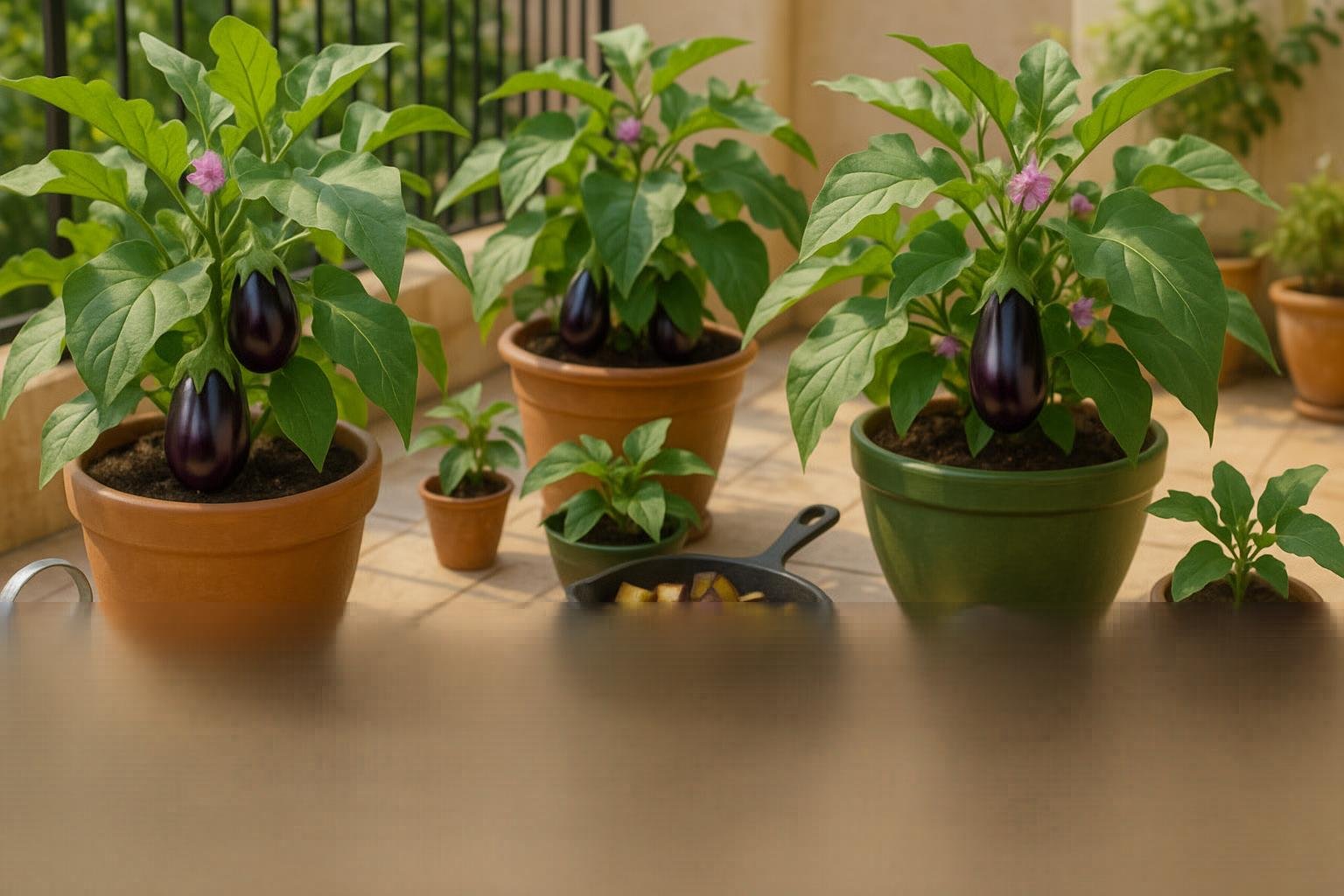
Choosing the right fertilizer for potted eggplants can make all the difference between skimpy, slow-growing plants and lush bushes loaded with fruit. Whether you’re growing eggplants on a sunny balcony, patio, or small backyard deck, proper fertilization is key to keeping your container-grown veggies healthy and productive.
Many gardeners mistakenly believe old-fashioned remedies like crushed eggshells or bone meal alone will supply everything potted eggplants need. However, these common myths can set you up for disappointment—eggshells release calcium far too slowly to benefit fast-growing annuals, and bone meal is often too mild to provide adequate nutrients unless your soil is severely depleted.
The real secret to success is a well-balanced, timed fertilizing routine that accommodates the unique needs of eggplants confined in pots, where essential nutrients are quickly washed away with each watering.
In this article, we’ll break down why supplemental feeding is so important for container-grown eggplants, debunk a few persistent fertilizer legends, and discuss realistic outcomes so you can set expectations for your harvest. Plus, you’ll find a practical guide to choosing the best fertilizers for potted eggplants—covering everything from organic vs. synthetic options to application tips and troubleshooting common issues.
By the end, you’ll have a clear, step-by-step plan to keep your eggplants thriving and producing basketfuls of glossy, delicious fruit all season long.
When & How Often to Fertilize Eggplants
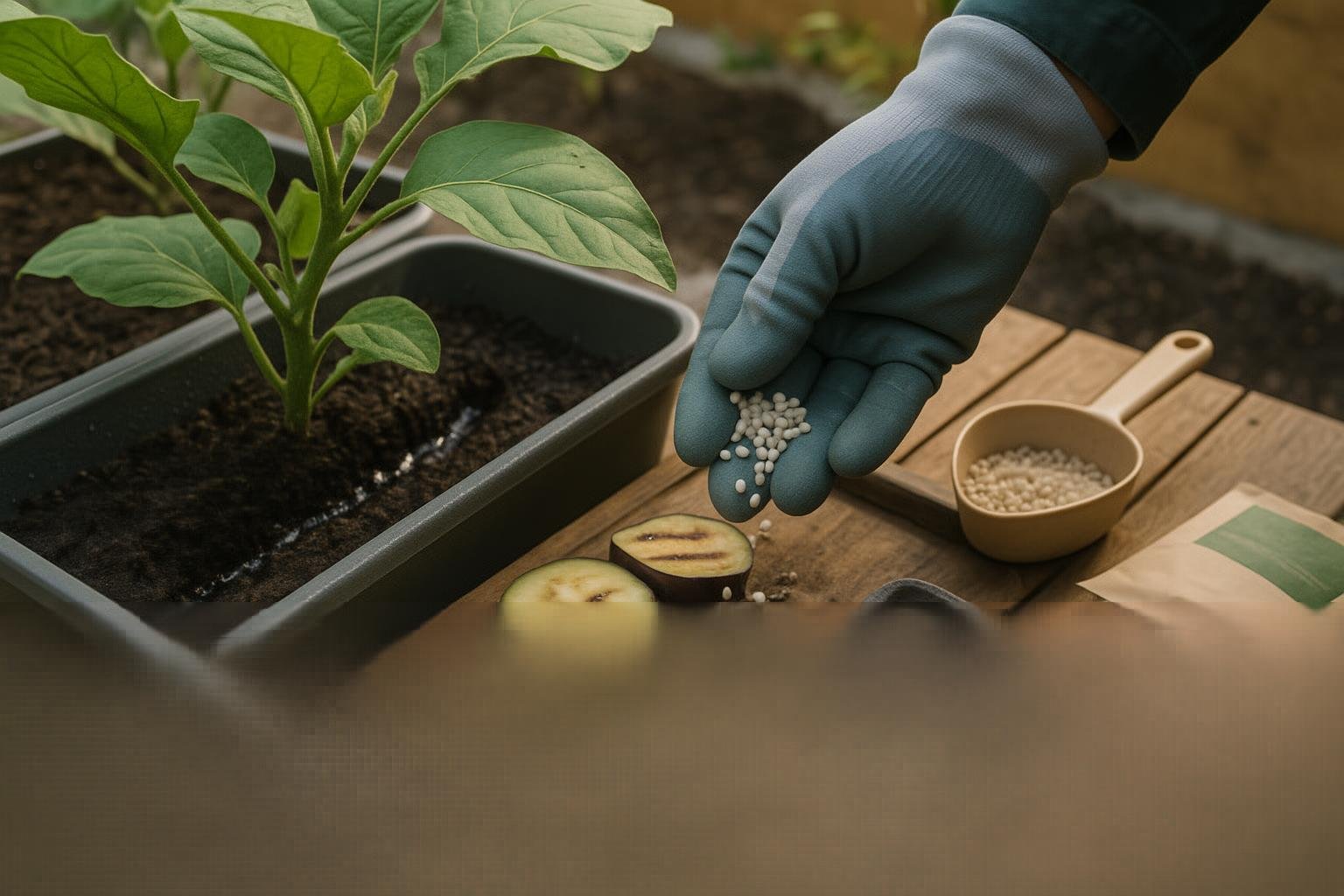
Fertilizing eggplants at the right times is essential for healthy growth and a productive harvest. Start by mixing a balanced, slow-release fertilizer into the soil at transplanting—this gives young eggplants a solid nutritional boost as they establish roots.
Once plants start flowering, usually a few weeks after transplanting, apply a side-dressing of fertilizer higher in phosphorus and potassium, which support blossom and fruit formation.
When eggplants begin to set fruit, a lighter feeding with a fertilizer higher in potassium can help the fruits grow big and flavorful.
As a general rule, fertilize every 4-6 weeks during the growing season, but be careful not to overdo it, since too much nitrogen can lead to leafy plants with few fruits.
For eggplants grown in containers, the fertilization schedule should be a bit tighter—feed every 2-3 weeks with a water-soluble fertilizer, since frequent watering leaches nutrients from pots more quickly than garden beds.
Always water the plants after fertilizing to help nutrients reach the roots and avoid burning.
Remember to monitor your eggplants for signs like yellowing leaves or slow growth—they may signal a need for more (or less) fertilizer. With a bit of attention to timing and type, you’ll set your eggplants up for a healthy, abundant season.
Choosing the Right Fertilizer for Eggplants
Eggplants are heavy feeders that thrive when given the right balance of nutrients, particularly nitrogen, phosphorus, and potassium. Nitrogen encourages lush, leafy growth in the early stages, phosphorus supports strong root development and fruit production, while potassium boosts disease resistance and improves overall plant vigor.
When choosing a fertilizer, you’ll encounter both organic and synthetic options.
- Organic fertilizers like composted manure, fish emulsion, or bone meal slowly release nutrients, enrich soil health, and reduce the risk of chemical buildup. However, they may act more gradually and are sometimes less concentrated, requiring larger quantities.
- Synthetic fertilizers, in contrast, provide quick, predictable nutrient delivery and are often more affordable and convenient, but they can increase the risk of salt buildup in the soil and may harm beneficial soil organisms if overused.
No matter what type you choose, it’s easy to overdo it—especially with nitrogen. Too much nitrogen will cause your eggplants to produce lush foliage at the expense of flowers and fruit, so always follow recommended application rates. Over-fertilizing in general can also contribute to root burn, exacerbate pest problems, or leach nutrients into groundwater.
A good rule of thumb is to feed eggplants with a balanced fertilizer (for example, a 5-10-10 or similar NPK ratio) when planting and supplement lightly every few weeks as they grow. Regularly test your soil if possible, and keep an eye out for signs of imbalance, like yellowing leaves or stunted growth.
By understanding your fertilizer choices and avoiding common mistakes, you can help your eggplants flourish and enjoy a bigger, healthier harvest.
How to Apply Fertilizer Correctly
Applying fertilizer correctly is key to healthy, productive eggplants, and understanding different techniques can make a noticeable difference.
For in-ground eggplants, try side-dressing: sprinkle granular fertilizer in a shallow trench a few inches from the plant’s main stem, then gently mix it into the soil and water well. This keeps nutrients accessible without direct contact with roots, minimizing the risk of root burn.
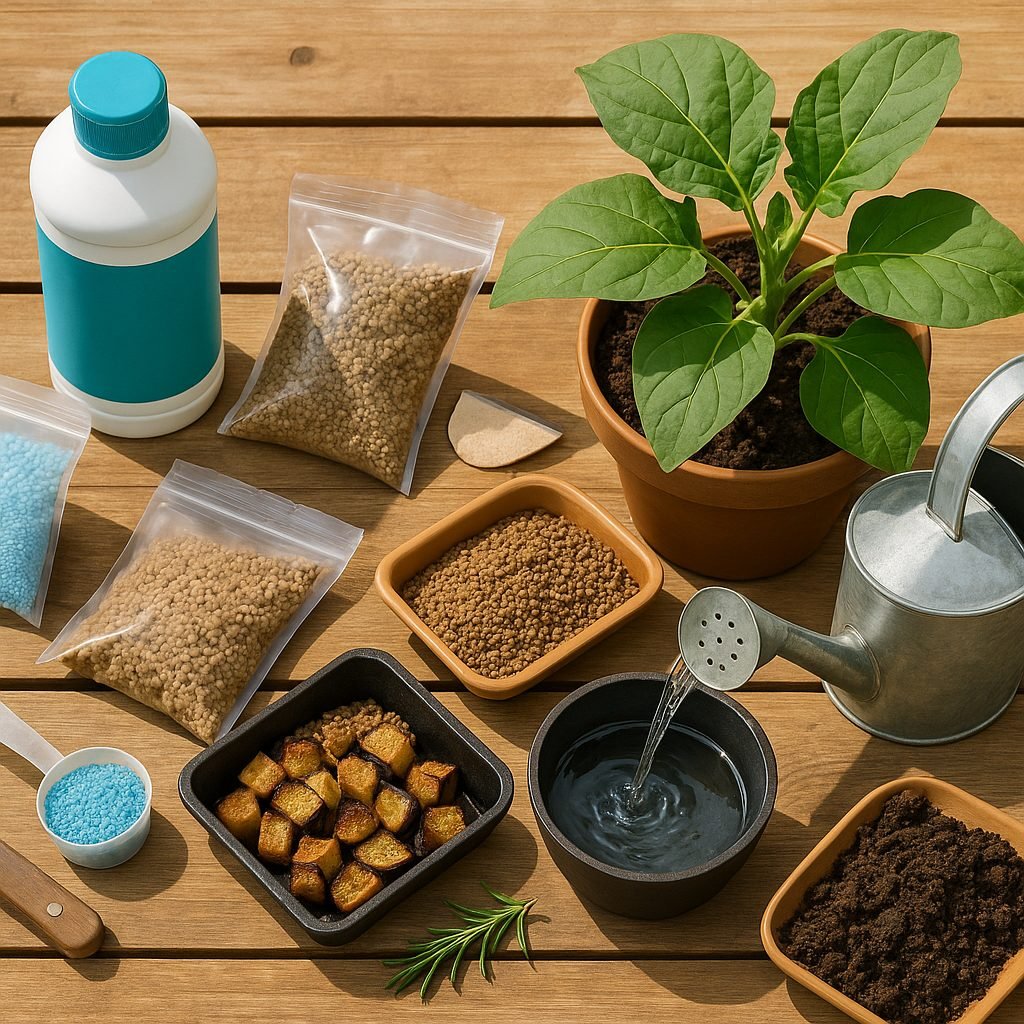
For container-grown eggplants, liquid feeding is efficient—dilute a water-soluble fertilizer according to package instructions and apply it when watering, ensuring the soil stays moist but not soggy. Alternatively, slow-release granules can be mixed into the top inch of soil at planting, offering a steady nutrient supply with less frequent applications—just be sure to follow label instructions closely.
To keep your plants thriving while preventing over-fertilization, feed in-ground eggplants monthly with a balanced fertilizer (like 10-10-10), starting a couple of weeks after transplanting. For containers, reduce frequency: offer a half-strength liquid fertilizer every two weeks or use slow-release granules replaced every 6–8 weeks.
Always wear gloves when handling fertilizers and measure carefully to avoid spills or excess. Never pile fertilizer against stems; roots are sensitive, and direct contact can cause burning, stunted growth, or even plant death. Water after fertilizing to help nutrients reach the root zone and reduce the risk of leaf scorch.
Taking these steps—along with regular observations of your plants’ growth—will help you achieve a rewarding, healthy harvest.
Signs of Nutrient Deficiency & Over-Fertilization
Eggplants will clearly tell you if something’s wrong with their nutrition, but knowing what to look for makes fixes much easier. Classic nutrient deficiencies show up as yellowing leaves (especially older ones) and poor growth; if you see stunted plants, curled leaves, or purple veins, suspect a lack of nitrogen, magnesium, or phosphorus.
Blossom-end rot—those dark, sunken spots at the base of fruits—signals a calcium deficiency. If your eggplant leaves develop brown edges, curl upward, or drop prematurely, this could be due to potassium or magnesium shortages.
Over-fertilization, on the other hand, produces its own set of issues. Leaves may burn at the tips and edges (they’ll look brown and dry), plants can grow lush but have few flowers or fruits, or you might see a white crust on the soil surface from excess salts.
So how do you troubleshoot? For deficiencies, start by supplementing with a balanced, slow-release fertilizer and ensure the soil pH is in the ideal 5.5–6.5 range for nutrient uptake. Compost or aged manure can also help.
If you suspect over-fertilization, flush the soil with plenty of water several times to help remove built-up salts and stop fertilizing for a couple of weeks. Always use fertilizers as directed, and remember that healthy soil and consistent watering are your best allies—too much or too little of either can stress your eggplants and intensify any nutrient problems.
Extra Tips for Strong, Productive Eggplants
To help your eggplants thrive, consider a few extra strategies beyond the basics. Companion planting is an easy win—grow eggplants alongside beans, marigolds, or nasturtiums to naturally repel pests and attract beneficial insects.
When it comes to soil health, enrich your garden bed with compost, aged manure, or worm castings before planting. This boosts the soil’s organic content, providing eggplants with the nutrients they need for strong root development and sturdy stems.
Eggplants love consistent moisture, so set up a reliable watering routine: aim for deep, infrequent soakings rather than daily light sprinkles, and always water at the base to avoid wetting the leaves, which can invite disease.
Mulching with straw, wood chips, or grass clippings helps retain soil moisture, keep the roots cool, and suppress weeds.
Because eggplants set heavy fruit, their stems can easily bend or snap under the weight—prevent this by staking each plant or using tomato cages for gentle support.
Fertilizing regularly, especially with a balanced, slow-release fertilizer, makes a huge difference in overall vitality. Well-fed eggplants develop thicker cell walls, making them less vulnerable to pests and common issues like wilt or blossom end rot. Feeding also helps plants produce more flowers, leading to a bigger and more productive harvest.
Remember, over-fertilizing—especially with high-nitrogen formulas—can lead to lush leaves at the expense of fruiting. So, follow package instructions carefully or opt for an organic blend designed for fruiting vegetables.
With just a little extra planning—companion planting, thoughtful soil prep, mulch, staking, a consistent watering routine, and proper fertilization—you’ll enjoy healthier plants, fewer pests, and a bumper crop of delicious eggplants all season long.
Conclusion and Quick Reference
Fertilizing eggplants correctly is crucial for healthy plants and a bountiful harvest. Focus on supplying balanced nutrients, starting with a slow-release fertilizer at planting, followed by nitrogen-rich feeds when fruiting begins. Avoid over-fertilizing, which can lead to lush foliage but poor fruiting. Always test your soil first, feed regularly but moderately, and water deeply after fertilizing to help nutrients reach the roots.
Here’s a quick guide:
- Test soil before planting
- Use balanced fertilizer at planting
- Apply nitrogen when flowers appear
- Avoid excess fertilizer
- Water well after feeding
Remember, climate, soil type, and variety all impact your fertilizing needs, so observe your plants and adjust as you go. Share your tips or questions in the comments—your experience could help fellow gardeners improve their eggplant crops too!