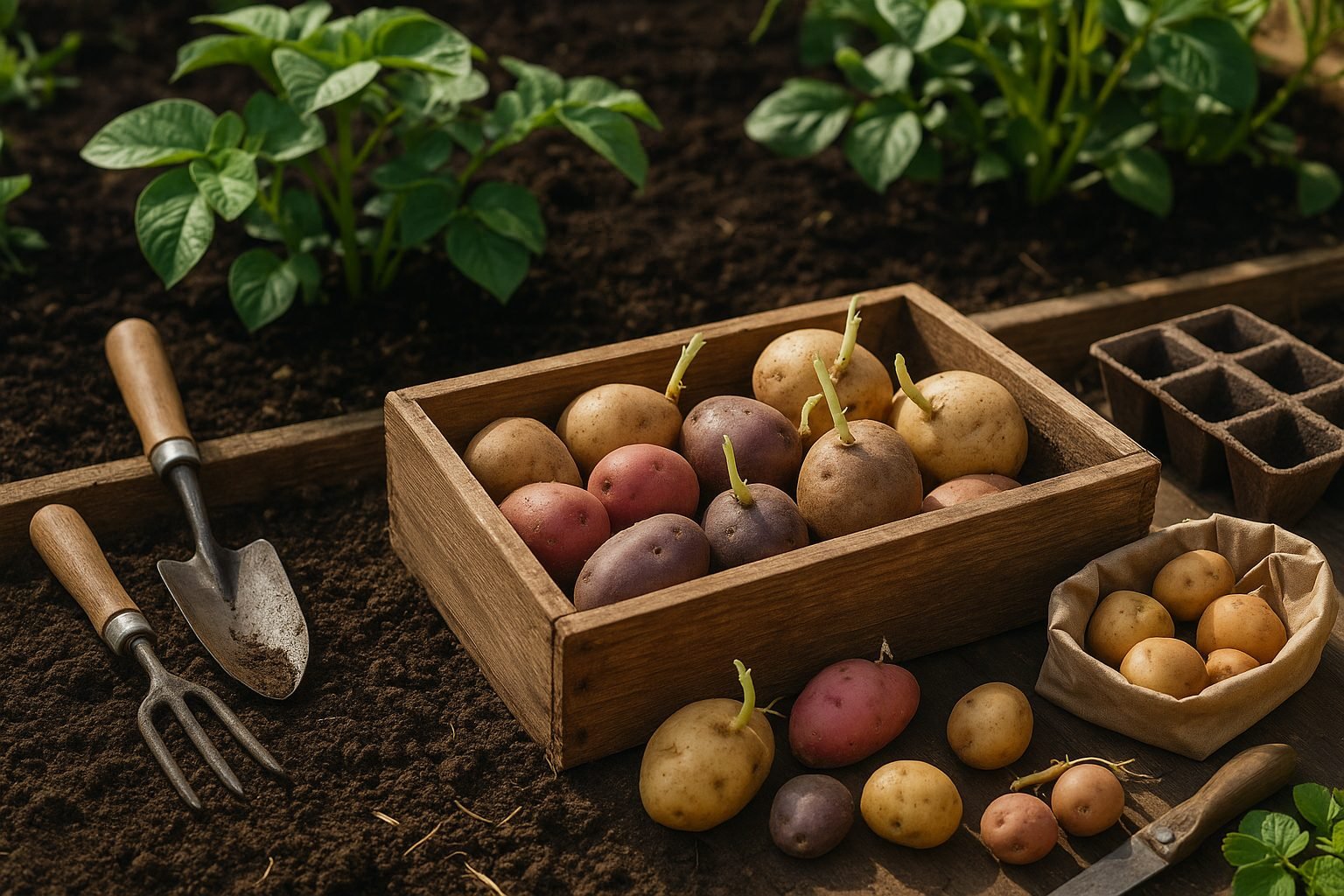
What are Seed Potatoes and Why Use Them?
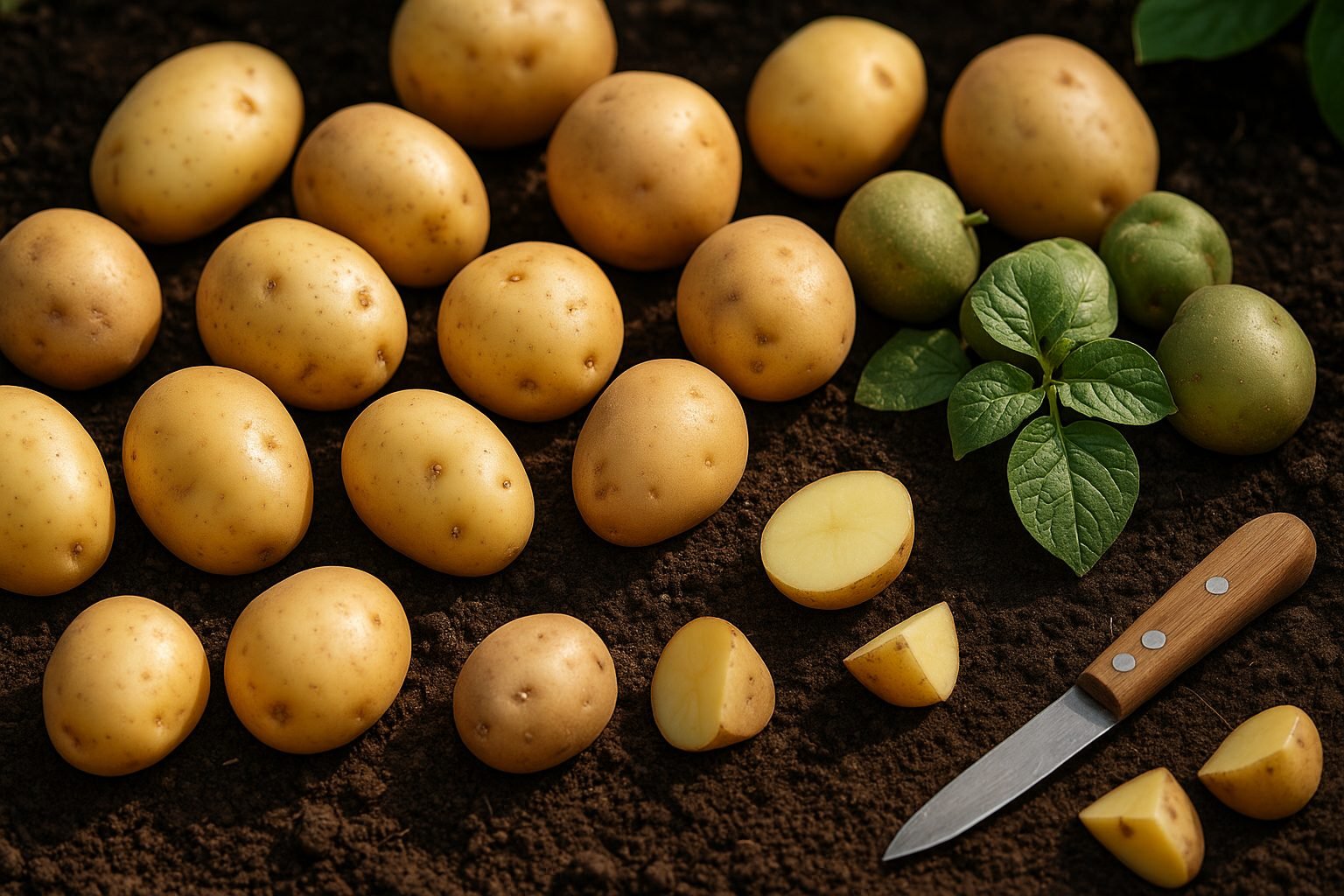
Wondering how many potatoes per plant you can really harvest from your backyard garden? It all starts with the type of potato you choose to plant—namely, seed potatoes. Unlike the regular potatoes you might find at the grocery store, seed potatoes are specifically grown to be planted and multiplied. They’re small, healthy tubers that haven’t been treated with growth inhibitors, pesticides, or preservatives. This means they’re ready to sprout and produce new plants, whereas store-bought potatoes are often treated to prevent sprouting and can carry diseases that may spread to your soil or other crops.
Using certified seed potatoes offers major benefits. They are screened for common potato diseases, such as blight or scab, so your plants are less likely to suffer from infection. This disease resistance leads to healthier plants and, ultimately, a higher yield of potatoes per plant. Certified seed potatoes are also selected for vigor, meaning you’ll get strong, productive growth right from the start.
On the other hand, planting grocery store potatoes is a gamble. Not only can they introduce unseen diseases into your garden, but they’re also often slower to sprout—if they even sprout at all—leading to disappointing harvests. For a robust crop, always start with certified seed potatoes and give your plants their best shot at success.
Choosing the Right Type of Potato for Your Grow Space
Selecting the ideal potato variety for your grow space starts with understanding the three main types: early, mid-season, and late potatoes.
Early potatoes, such as Red Norland or Yukon Gold, mature quickly—usually in 60-80 days—making them perfect for container gardens or small spaces where a fast harvest is more important than yield. These are your go-to options for fresh, “new potato” dishes and salads, thanks to their tender skins and creamy texture.
Mid-season potatoes, like Kennebec or Gold Rush, take around 80-100 days to mature and strike a balance between growing time and yield. They’re well-suited for raised beds or moderate-sized plots, producing more substantial harvests that work great for roasting or mashing without needing a full garden season.
If you have larger, traditional garden beds, late varieties such as Russet Burbank or Fingerling can be a game-changer. These require 100-130 days to mature but reward you with high yields and excellent storage potential—perfect for winter meals like baked potatoes or hearty stews.
Consider your available space, patience for harvest, and kitchen goals. Smaller spaces with limited time favor early crops, while classic garden beds let you maximize yields with late-season potatoes. Always match your potato variety to both your garden and your plate for the best results.
How and When to Plant Potatoes
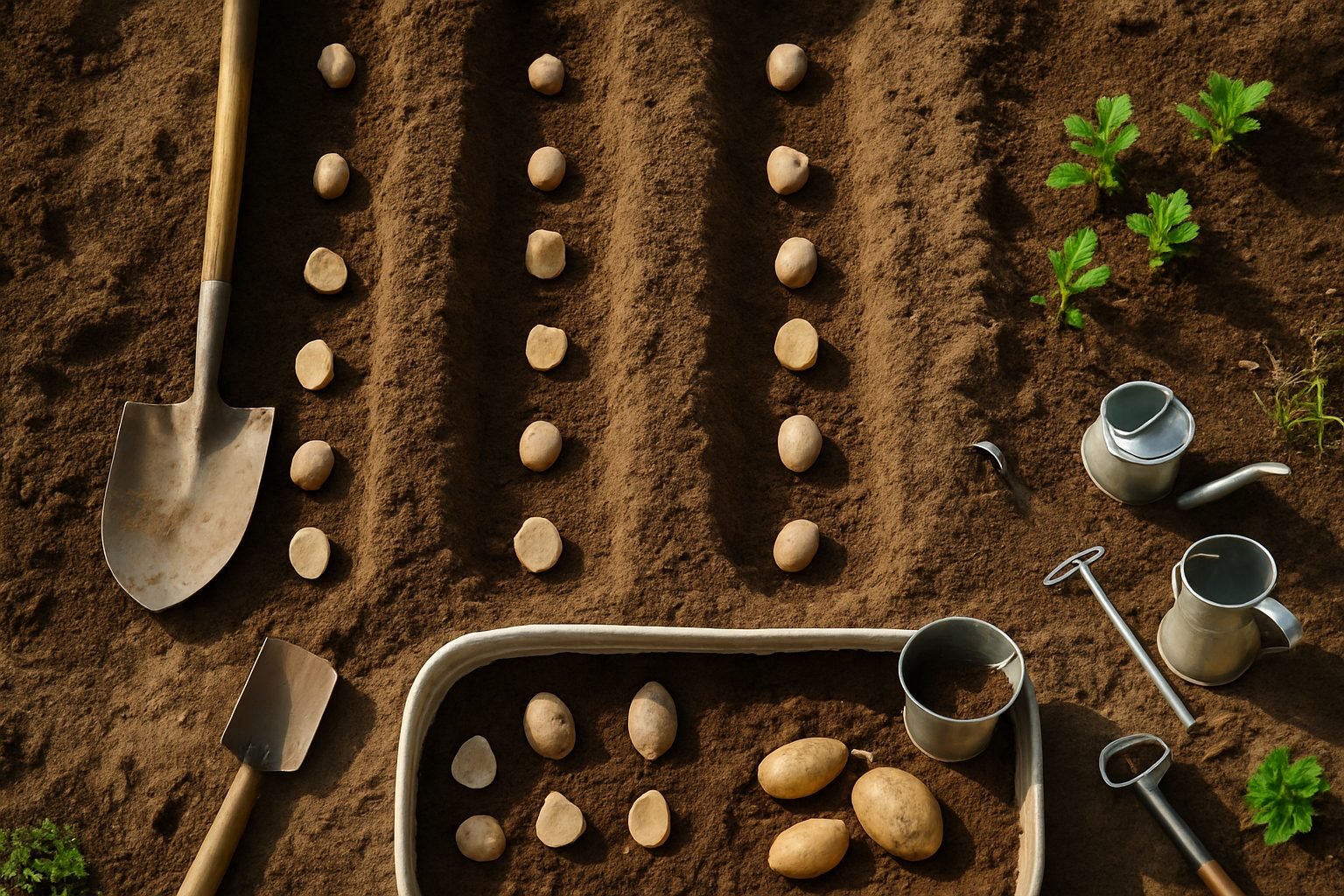
The best time to plant potatoes depends on your local climate and the last frost date. In most temperate regions, aim to plant potatoes two to four weeks before the last expected spring frost—soil should be workable and at least 45°F (7°C). In warmer areas with mild winters, plant potatoes in late winter or very early spring, while in cooler climates, wait until the danger of hard frost has mostly passed.
For a successful crop, choose a planting site with full sun, loose and fertile soil, and excellent drainage. Avoid areas where water pools after rain, as potatoes are prone to rot in soggy conditions. Raised beds or mounded rows work great if your garden soil is heavy or clay-based.
When planting, space seed potatoes (cut pieces with at least one or two eyes) about 12 inches apart in rows 2 to 3 feet apart. Bury them about 3 to 4 inches deep. Chitting—pre-sprouting seed potatoes in a cool, bright spot for a week or two before planting—can give them a head start and help you spot healthy sprouts.
Planting in Containers
For container growing, use large tubs or grow bags at least 16 inches deep, filled with loose, quality potting mix and equipped with drainage holes. Containers may dry out quicker and need more frequent watering, but they’re great for small spaces, and harvesting is often simpler—just tip the container out!
Adjust spacing in containers to allow each potato plant plenty of room for tubers to form, usually one to three seed potatoes per 5-gallon container.
Spacing, Care, and Maximizing Potato Yields
For the best potato yields, start by giving your plants enough space to thrive. If planting in rows, space seed potatoes about 12 inches apart, with rows set 2–3 feet apart. This allows roots and tubers room to develop and makes it easier to manage the plants.
In containers, use a large bin or grow bag (at least 10 gallons per two or three seed potatoes), ensuring each has adequate space—crowding can stunt growth and reduce yields.
As your potato plants grow, use hilling or ridging: when the plants reach 6–8 inches tall, gently mound soil around the stems, leaving some leaves exposed. Repeat this every couple of weeks. Hilling helps prevent sunlight from reaching the tubers (which causes greening) and encourages more potatoes to form along the buried stems.
Proper care is key—water deeply once or twice per week, aiming for moist but not soggy soil, as uneven watering can lead to misshapen potatoes or rot. Fertilize with a balanced, low-nitrogen fertilizer early in the season for healthy root growth.
To avoid common diseases like blight, rotate crops yearly, choose certified disease-free seed potatoes, and ensure good airflow by not overcrowding plants. If blight appears, remove and destroy affected foliage quickly to protect your crop.
Where to Buy Quality Seed Potatoes
Finding quality seed potatoes begins with choosing reputable sources like local nurseries, which often stock certified seed potatoes suited to your region and climate. Online sellers such as Johnny’s Selected Seeds or Seed Savers Exchange are also reliable options, especially when local sources are limited. Be sure to look for sellers that provide certification details and guarantee disease-free stock.
Farmers’ markets are another great option, allowing you to inspect the potatoes in person. Choose ones that are firm, plump, and free from visible signs of rot, soft spots, or shriveling. Always check for certification tags indicating disease-free status—an essential sign of quality.
The best time to buy seed potatoes is just before you plan to plant, typically from late winter to early spring, to get the freshest stock. If you need to buy in advance, store your seed potatoes in a cool (40–50°F), dark, and well-ventilated spot to prevent sprouting and spoilage until planting time.