What is Potato Scab?
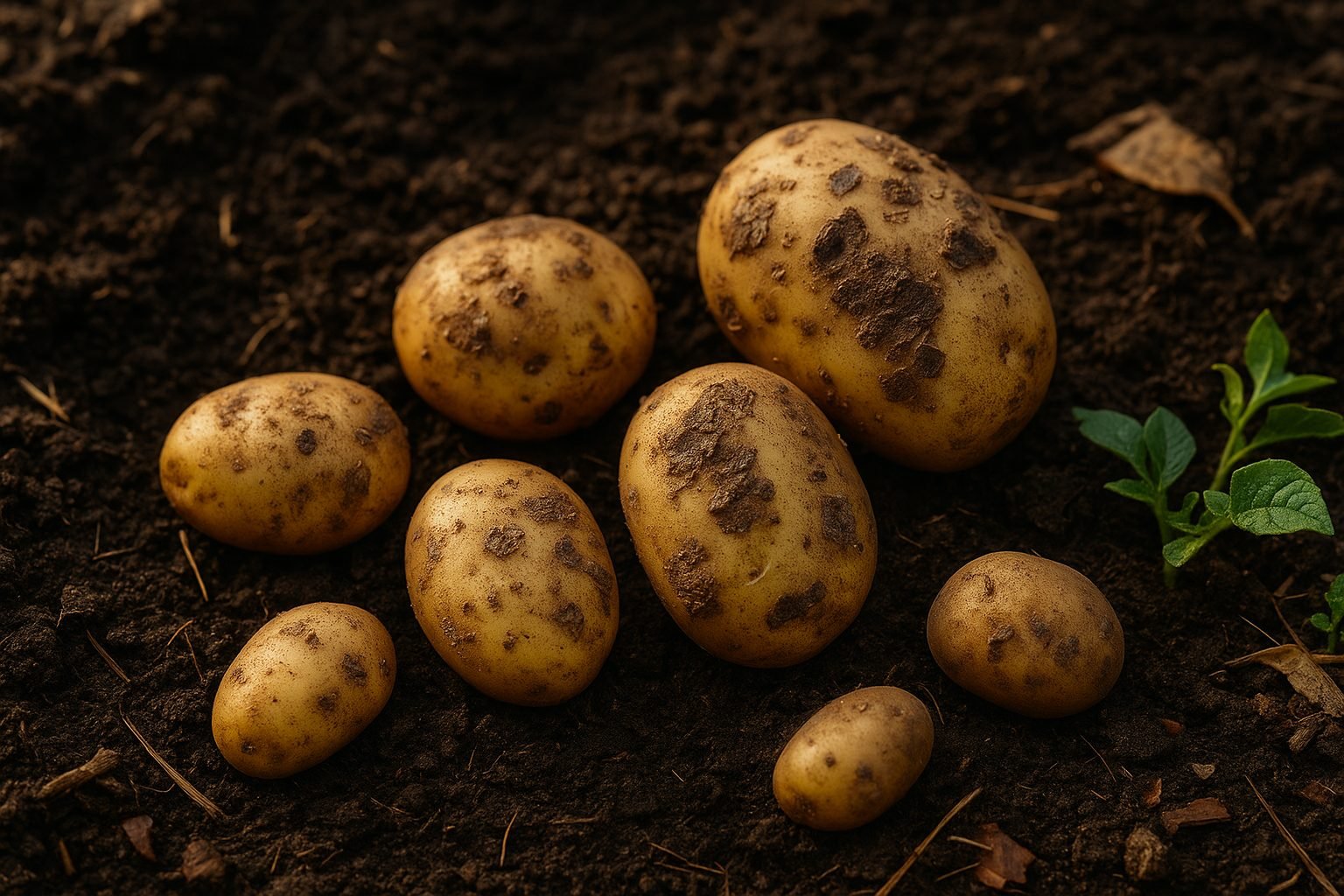
Dealing with a potato scab fix starts by understanding what this frustrating disease actually is. Potato scab is a common soil-borne infection mainly caused by the bacteria Streptomyces scabies. If you’ve ever dug up your potato crop and found rough, corky, brown patches or lesions on the tubers, you’ve likely encountered it. These blemishes can range from shallow, pitted spots to deep cracks, making the potatoes look unappealing and, in some severe cases, even difficult to peel.
Though potato scab doesn’t usually affect the taste or edibility of the potato, it can significantly reduce the quality and market value, especially if you’re hoping to sell your harvest or just want nice, clean spuds for your table.
Beyond looks, a serious case of scab can lead to more than just disappointment at harvest. The scabby patches may allow other diseases to invade or make potatoes difficult to store, increasing waste and reducing your overall yield. For commercial growers, this means economic losses, and for backyard gardeners, it can mean a lot of hard work going to waste.
That’s why finding an effective potato scab fix is so important. Addressing this disease helps you protect your crops, secure a healthy yield, and enjoy potatoes that are both tasty and attractive. Whether you’re growing a few plants or an acre, understanding potato scab is the first step in avoiding it and keeping your harvest in top shape.
Recognizing the Signs of Potato Scab
Potato scab is easy to spot if you know what to look for on your tubers. Typical symptoms include rough, corky patches or lesions on the potato skin, sometimes raised and tan or brown in color. These spots often have irregular, star-like shapes and can sometimes merge to form larger, crusty areas.
Unlike smooth discolorations or minor scratches from handling or other minor issues, scab lesions are usually textured and not easily scraped off. Another clue is that scab tends to stick mostly to the skin’s surface and, while unsightly, typically doesn’t affect the flesh inside unless very severe.
It’s important to distinguish potato scab from other skin problems—such as silver scurf, which appears as smooth, silvery patches rather than rough ones, or common bruising, which causes dark spots but not a rough texture.
Scab symptoms build up while potatoes are growing underground; you’re most likely to notice the full extent of the damage at harvest time, when you dig up the tubers. However, early signs sometimes show up mid-season if you sneak a peek at immature potatoes.
For gardeners, one useful tip is to keep notes on where in your plot scab shows up, as the bacteria causing it can persist in the soil. This makes crop rotation and soil management important for future harvests. Recognizing scab early means you can make better decisions for this and next season’s crops.
What Causes Potato Scab?
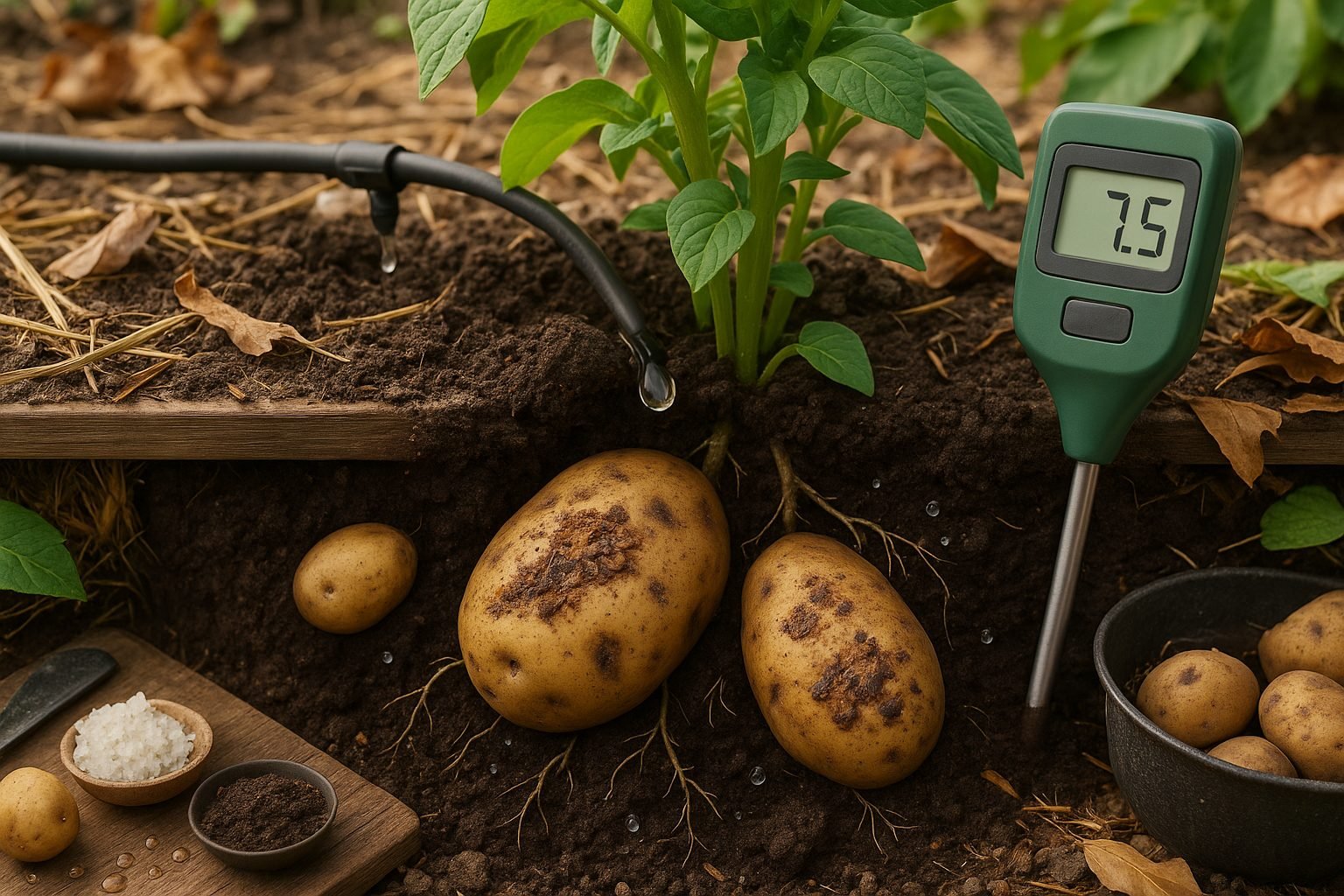
Potato scab is primarily caused by soil-dwelling bacteria from the Streptomyces genus, with Streptomyces scabies being the most common culprit. These bacteria invade young potato tubers through natural openings or wounds, leading to the rough, corky lesions characteristic of scab.
One major factor influencing scab development is soil pH: Streptomyces thrive in soils that are slightly alkaline (pH above 5.2), so potatoes grown in these conditions are at greater risk. On the other hand, acidic soils (pH below 5.2) can help suppress the bacteria.
Soil moisture also plays a crucial role—scab is more likely to occur in dry soils, especially during the period when potato tubers are forming. Practices like consistent watering and mulching can help maintain even moisture levels and reduce disease severity.
Another key tip is to rotate crops: avoid growing potatoes or other susceptible root vegetables like beets and carrots in the same patch each year, as this can increase the buildup of Streptomyces bacteria in the soil.
Environmental conditions that favor potato scab include warm temperatures, low rainfall or infrequent irrigation, and poor organic matter in the soil.
For home gardeners, testing your soil’s pH and amending it to be slightly more acidic, watering regularly during tuber development, and choosing disease-resistant potato varieties are simple yet effective tactics to prevent scab.
Keeping these factors in mind can help you grow smoother, healthier potatoes with fewer blemishes.
Prevention Strategies for Potato Scab
Preventing potato scab starts with smart soil management—aim to keep your soil pH between 5.0 and 5.2, as scab-causing bacteria struggle in slightly acidic environments. Test your soil before planting and, if needed, use sulfur or acidifying fertilizers to lower pH. Check local extension resources for safe application rates.
For crop rotation, avoid planting potatoes or other scab-susceptible crops (like beets and carrots) in the same spot for at least three to four years. This starves the bacteria of a host and gives your soil a chance to recover.
When it comes to seed potatoes, always choose certified, disease-free potatoes from reputable sources, as reused or supermarket potatoes can harbor scab pathogens.
Watering is another key factor: keep soil consistently moist during tuber formation, especially in the first six weeks after planting, since the disease thrives in dry conditions. Drip irrigation systems or soaker hoses make it easier to maintain even moisture without oversaturating the foliage or tubers.
Finally, consider planting scab-resistant varieties like ‘Russet Burbank,’ ‘Chieftain,’ or ‘Superior.’ These options may not always eliminate scab, but they dramatically reduce risk and keep your potato harvest looking and tasting its best.
Pulling all these strategies together—monitoring soil pH, rotating crops, using healthy seed potatoes, maintaining steady moisture, and choosing resistant varieties—will give you the best chance for scab-free spuds.
Effective Treatments and Management
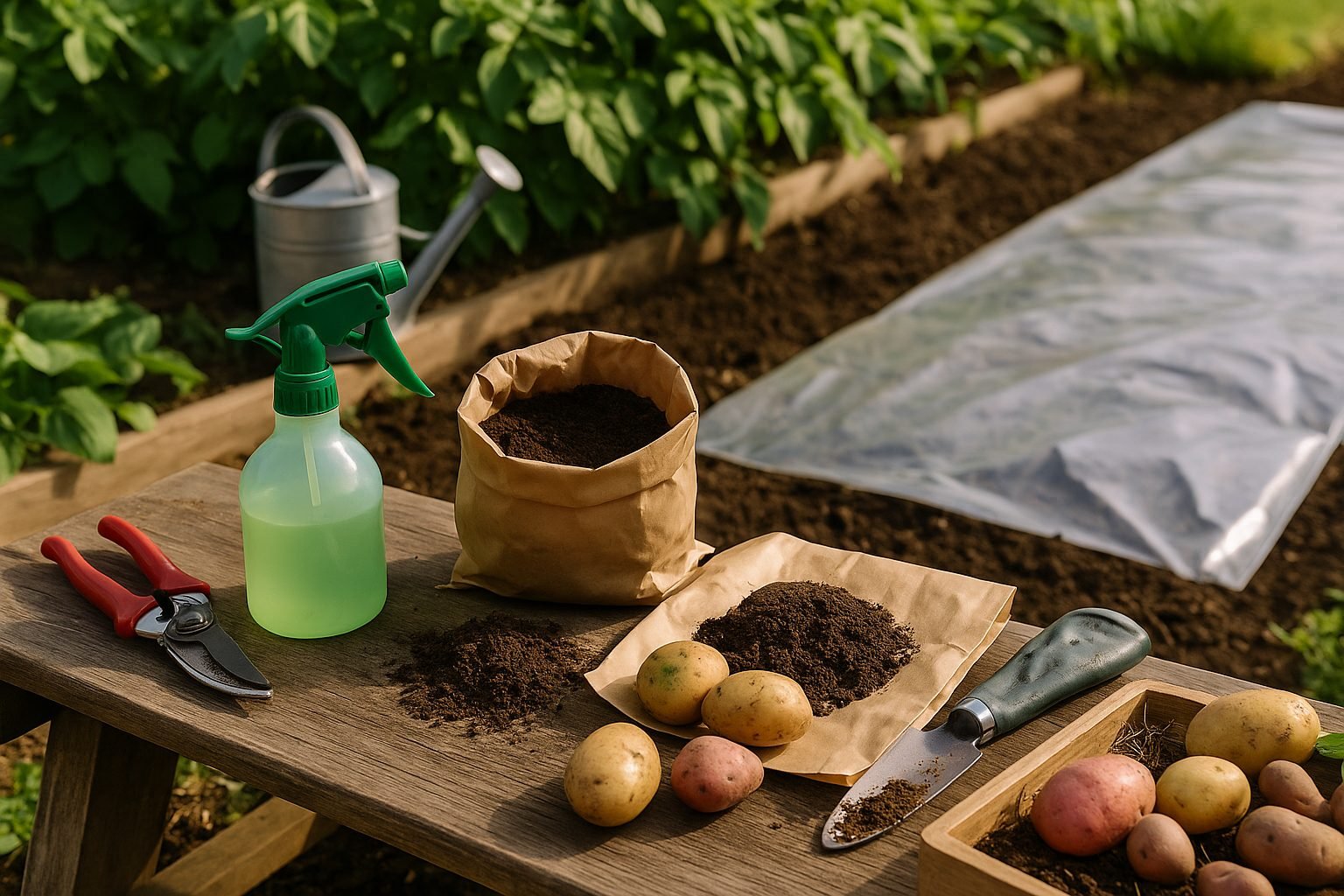
Managing plant infections starts with quick action—remove all visibly infected plants and debris from your garden to prevent further spread. Always clean your tools thoroughly after working in affected areas, as pathogens can easily hitch a ride on pruners or shovels.
For soil-borne diseases like blight or wilt, consider amending the soil with compost to encourage beneficial microbes, which can suppress harmful pathogens over time. Solarizing your soil by covering it with clear plastic during the hottest weeks of summer can also effectively kill lingering fungi and bacteria.
When it comes to controlling outbreaks, organic options like copper-based sprays and bio-fungicides containing Bacillus subtilis can help, especially when applied early. Neem oil is another popular choice, acting as both a fungicide and a preventive barrier. These organic solutions work best for mild to moderate infections and as part of a regular prevention routine.
Chemical fungicides, such as those containing chlorothalonil or mancozeb, offer more aggressive action against severe diseases but should be used judiciously to avoid resistance and environmental harm; always follow label directions closely.
Beyond removal and sprays, smart nutrient management boosts your plant’s natural defenses. Adding calcium to your soil can help prevent diseases like blossom end rot in tomatoes, while sulfur applications lower soil pH, making it less hospitable to some pathogens. Boron, though needed only in tiny amounts, supports cell wall strength and helps plants recover from disease stress—just be careful not to overapply, as excess boron can harm plants.
Regular soil tests and targeted amendments, rather than guesswork, are key to keeping plants resilient and reducing the severity and frequency of infections. By integrating these steps, you’ll create a healthier growing environment for long-term success.
How Potato Scab Affects Different Potato Varieties
Potato scab, caused by soil-borne bacteria, can impact different potato varieties in surprising ways. Some varieties, like ‘Russet Burbank’ and ‘Yukon Gold’, are especially susceptible and tend to develop rough, corky patches on their skins, making them less appealing for fresh markets.
On the flip side, resistant varieties such as ‘Caribou Russet,’ ‘Superior,’ or ‘Goldrush’ often show minimal symptoms even in infested soils. Gardeners and farmers should consult local extension services or seed suppliers to learn which varieties perform well in their area, since resistance can vary with soil type, climate, and scab strain.
If your region has a history of scab, prioritize resistant varieties, rotate your crops, and avoid planting susceptible ones to reduce disease severity. Remember, what works in one state or country may not work elsewhere, so experimenting with a few varieties side by side is a smart approach.
By matching your potato choice to local disease pressures, you can enjoy a healthier, more reliable harvest with less worry about ugly tubers.
Summary and Key Takeaways
Identifying pests early is crucial for successful control—watch for signs like chewed leaves, droppings, or sudden drops in plant health. Preventing issues often starts with regular inspections, keeping plants healthy, removing debris, and avoiding overwatering.
For treatment, combine natural methods like introducing beneficial insects with solutions such as neem oil or insecticidal soap, and use chemical pesticides as a last resort. Don’t rely on one approach; layering methods, like pairing physical barriers with targeted sprays, increases effectiveness and can help break pest cycles.
Rotate techniques and monitor outcomes to stay ahead of stubborn infestations. If problems persist despite your best efforts, or if the pest is hard to identify, don’t hesitate to consult a local extension office or a professional pest control expert. Their guidance can help diagnose the root of the issue and offer tailored solutions to protect your plants or property, saving you time, money, and frustration in the long run.