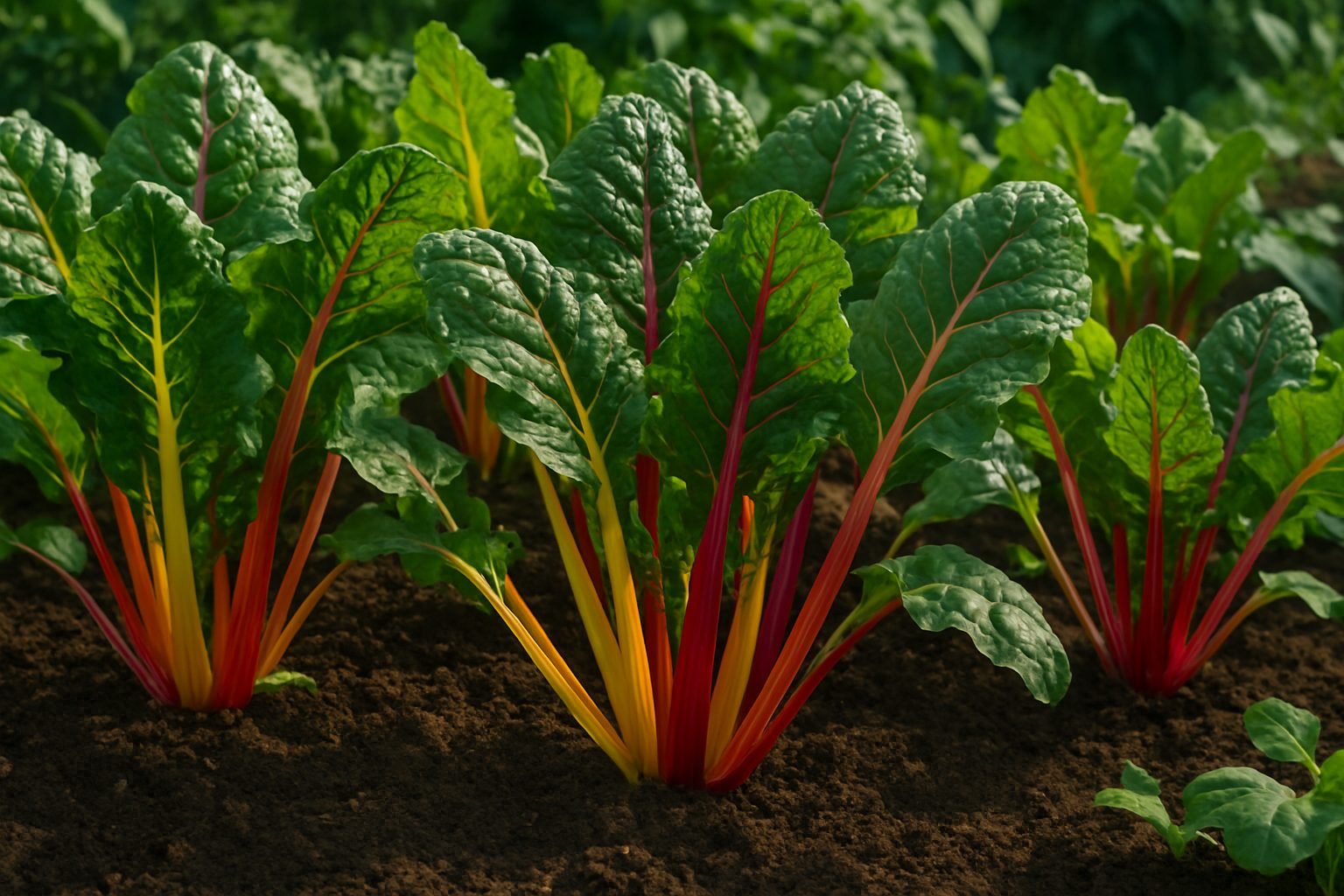
Intro to Growing Swiss Chard
If you’re looking for a vibrant, nutritious addition to your home garden, learning how to grow baby swiss chard is a rewarding place to start. Baby Swiss chard is an easy-to-grow leafy green that thrives even if you’re a beginner, making it perfect for anyone hoping to add more homegrown goodness to their meals.
Not only is Swiss chard packed with vitamins and minerals, but its tender leaves and colorful stems also make a beautiful statement, whether you plant it in neat garden beds or decorative containers. Plus, baby Swiss chard is versatile in the kitchen—perfect for tossing into salads, sautéing as a quick side, or slipping into soups and omelets for a pop of color and flavor.
Throughout this guide, we’ll walk you through everything you need to know, from picking the right variety and understanding its growing requirements to harvesting for maximum yield and discovering fresh culinary uses. Whether you have a small patio or a sprawling plot, growing baby Swiss chard can bring both flavor and beauty to your garden—and your plate.
Popular Varieties & Choosing Seeds
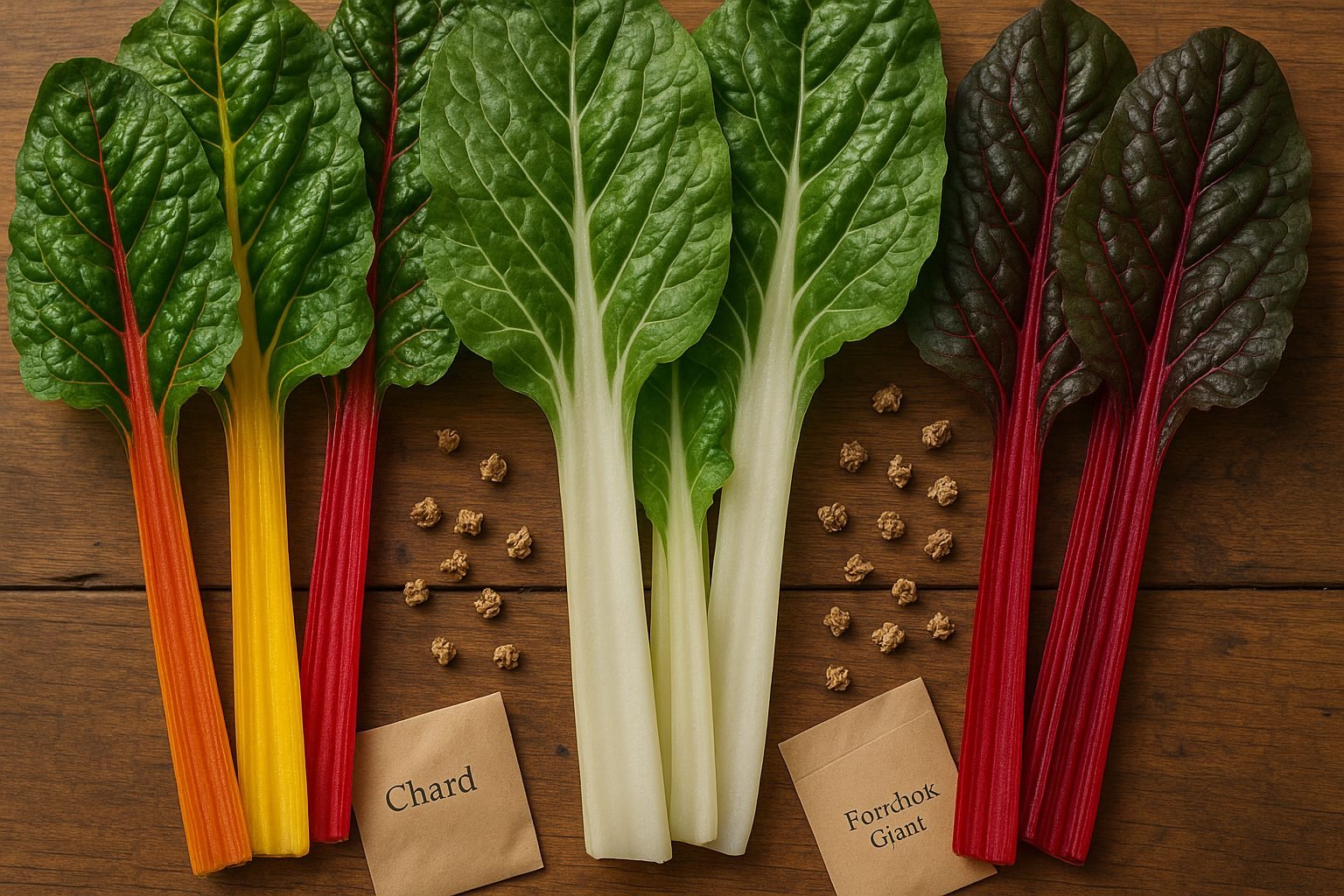
When selecting Swiss chard, you’ll find an appealing array of varieties that bring both beauty and versatility to your garden. Rainbow chard is a showstopper, with stems in vibrant yellows, pinks, oranges, and reds, adding color to garden beds and dinner plates. Its mild flavor makes it great for salads or quick sautés.
Fordhook Giant lives up to its name with exceptionally broad, dark-green leaves and thick white stems. It is renowned for its tender texture and slightly earthy taste—perfect for steaming or soups. This variety also boasts impressive heat and cold tolerance, making it a favorite for gardeners with unpredictable weather.
On the other hand, Ruby Red (or Rhubarb chard) stands out with stunning crimson stalks and veins. Its leaves tend to be more tender, and it offers a slightly sweeter, robust flavor ideal for grilling or adding to pastas.
As you choose your seeds or seedlings, consider your local climate—Rainbow and Fordhook Giant handle heat well, while Ruby Red may benefit from a bit of afternoon shade in hotter zones. If you’re new to gardening, Fordhook Giant is particularly forgiving and productive, making it a reliable pick.
Think about how you’ll use chard in the kitchen too:
- Rainbow: fresh salads or eye-catching garnishes
- Fordhook Giant: hearty cooked dishes
- Ruby Red: a pop of color and sweet flavor
Seed selection is personal, but starting with a mix of these varieties ensures both visual interest and a range of culinary options all season long.
Ideal Growing Conditions
Creating the ideal growing conditions for your plants sets the stage for healthy growth and a plentiful harvest. Start with the soil: aim for rich, well-draining earth with a neutral to slightly acidic pH, usually between 6.0 and 7.0. You can check this using a simple soil testing kit from garden centers.
For fertility, mix in generous amounts of organic compost to supply slow-release nutrients and improve soil structure—this is especially important for heavy feeders like tomatoes or peppers. Loose, crumbly soil allows roots to expand and prevents water from pooling, which reduces the risk of root rot.
When it comes to light, most vegetables and flowering annuals need at least six hours of direct sunlight per day; leafy greens can tolerate a bit more shade. Temperature preferences vary by plant, but most warm-season crops thrive when daytime temperatures sit between 65°F and 85°F (18°C-29°C), so timing your planting for late spring or early summer is usually best.
Space your plants according to the specific variety—crowding reduces airflow and increases disease risk. For example, tomatoes need about 18-24 inches between plants, while bush beans only require 6 inches.
If space is tight, container gardening is a great alternative. Just make sure your pots are large enough (typically 12 inches across for deeper roots) and have good drainage holes.
While garden beds allow roots to spread and retain moisture better, containers offer flexibility to move plants for optimal light or to protect them during heatwaves or cold snaps. Regularly check moisture levels in both cases, especially in containers, which tend to dry out faster.
With a little planning ahead, your garden—big or small—can be a lush, productive haven.
Planting & Early Care
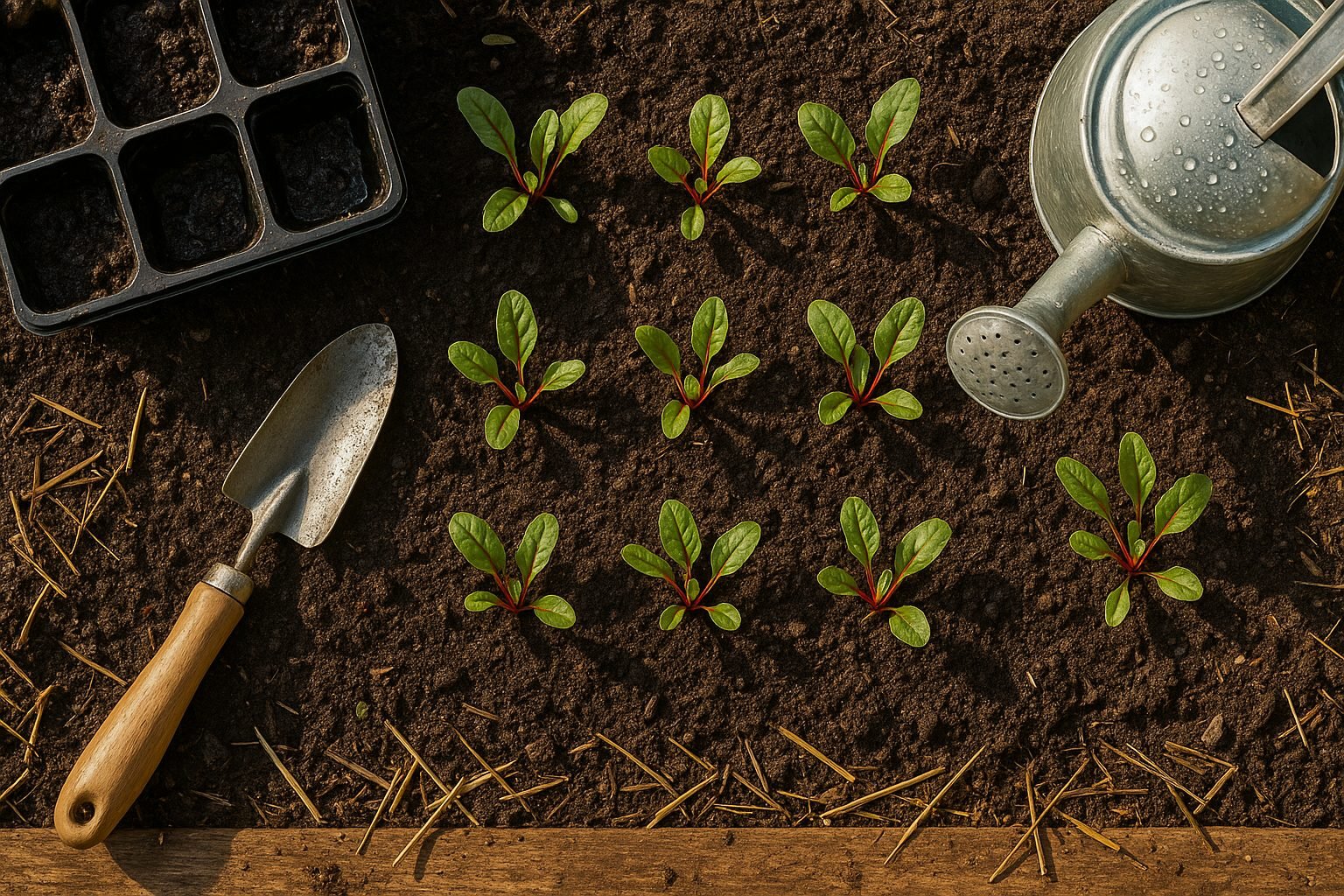
To start your garden off right, follow these easy steps for planting and early care. Begin by sowing seeds at the recommended depth, usually about ¼ to ½ inch into the soil—refer to your seed packet for best results, as some seeds, like lettuce, need light to germinate and should be barely covered.
Space the seeds according to plant type: for example, carrots need about 2 inches apart, while beans can be 4 to 6 inches apart. For timing, wait until after the last frost if planting outdoors, or sow seeds indoors 4–6 weeks before the expected transplant date to get a jump on the growing season.
If starting indoors, use clean seed trays filled with moist, seed-starting mix and place them in a sunny window or under grow lights, keeping the soil consistently damp but not soggy. Once seedlings have two true leaves, thin them so each has room to grow—snip extras with scissors rather than pulling to avoid disturbing roots.
Outdoors, water gently and keep the top inch of soil moist but not waterlogged; mulch can help retain moisture and regulate soil temperature. Be vigilant about weeds early on, as they compete with your delicate seedlings, and consider using a row cover to protect against pests.
Watch for signs of damping-off, a fungal problem where stems turn mushy, and provide good air circulation. By following these steps—sowing correctly, spacing well, watering wisely, and thinning as needed—you set up your young plants for a strong, healthy start.
Ongoing Care, Pests & Problems
Keeping your Swiss chard healthy and productive is all about consistent, simple upkeep. Water your plants regularly, aiming for about 1–1.5 inches per week—enough to keep the soil evenly moist but not soggy. Mulching beneath the plants with straw or leaf mulch helps conserve moisture, suppress weeds, and maintain a steady soil temperature.
When it comes to fertilizing, a balanced, slow-release fertilizer once or twice a season is usually enough; Swiss chard doesn’t need heavy feeding, especially if your soil was enriched with compost at planting time.
Watch out for common pests like leaf miners, aphids, and slugs:
- Leaf miners tunnel into the leaves, leaving winding trails—pinch off and discard affected leaves to stop the spread.
- Aphids cluster under leaves and can often be dislodged by a strong spray of water or deterred with insecticidal soap.
- Slugs love to munch on young chard; try setting out beer traps or creating rough barriers with crushed eggshells.
Swiss chard can also be affected by fungal issues like downy mildew or leaf spot, especially in humid conditions. To prevent these problems, water at the base of the plant and avoid wetting the foliage, and space your plants well to encourage airflow. If you spot diseased leaves, remove and discard them promptly—don’t compost them.
Crop rotation is another good practice—avoid growing chard or related greens in the same spot every year. Finally, encourage beneficial insects like ladybugs and lacewings in your garden—these natural predators help keep pest populations in check without the need for chemicals.
With these straightforward, eco-friendly habits, you’ll keep your Swiss chard thriving and your garden ecosystem healthy.
Harvesting, Storing & Using Your Swiss Chard
Swiss chard is ready to harvest when the leaves are about six to eight inches long and look fresh and vibrant—usually around 50-60 days after planting. For the best yield, try the “cut and come again” technique: use sharp scissors or a knife to snip the outer leaves about an inch above the base, leaving the smaller inner leaves to keep growing.
This approach encourages the plant to produce new leaves throughout the season, giving you a steady, long-lasting supply.
Once harvested, store unwashed chard in a loosely closed plastic bag in the fridge crisper—this keeps it crisp for up to a week. If you have a big harvest, blanch the leaves and stems in boiling water for a couple of minutes, cool quickly in ice water, and then freeze in airtight bags for months of use. Chard also works well in soups and stews for preservation.
In the kitchen, toss the tender leaves into salads, stir-fries, or scrambled eggs for quick nutrition, and don’t toss the stems—they’re great sautéed with a little olive oil, garlic, and salt, or chopped into soups.
Nutritionally, Swiss chard is a powerhouse: it’s loaded with vitamins A, C, and K, along with minerals like magnesium and potassium, making it a fantastic way to boost your antioxidant intake and support bone health.
Whether you sauté, steam, or freeze, Swiss chard is versatile enough to fit any meal and easy to keep on hand all year.
Swiss Chard Nutrition & Benefits
Swiss chard is a nutritional powerhouse, packed with vitamins A, C, and K, along with essential minerals like magnesium, potassium, and iron (USDA FoodData Central). Just one cup of raw Swiss chard provides over 200% of your daily vitamin K needs, which supports bone health and blood clotting. Meanwhile, vitamin C acts as a potent antioxidant that boosts your immune system (NIH Office of Dietary Supplements).
Eating Swiss chard raw maximizes its vitamin C content, but cooking can enhance the absorption of other nutrients like beta-carotene and magnesium by breaking down tough cell walls. However, boiling may reduce water-soluble nutrients, so lightly steaming or sautéing is a great middle ground.
Unlike spinach, Swiss chard is low in oxalates, making its iron and calcium easier to absorb (Harvard T.H. Chan School of Public Health).
Beyond nutrition, Swiss chard’s vibrant stalks—ranging from ruby red to bright yellow—make it an attractive and easy addition to any home garden. It grows quickly, resists pests, and thrives in cooler months, so you can enjoy fresh, nutrient-dense greens right from your backyard.
Planting Swiss chard is not only good for your health but also brings a splash of color and life to your garden beds.