
Is a Cucumber a Fruit or a Vegetable?
Learning how to grow cucumbers can be both fun and rewarding, whether you’re a gardening rookie or simply looking to add fresh flavors to your kitchen. But before you plant your first seeds, did you know cucumbers are technically fruits, not vegetables? Botanically, cucumbers develop from flowers and contain the seeds of the plant—just like melons and tomatoes—which classifies them as fruits.
On the other hand, in the culinary world, cucumbers are grouped with vegetables due to their crisp texture and savory taste, making them a common addition to salads and sandwiches rather than fruit bowls.
Understanding this difference isn’t just trivia: it can shape how you plan your garden since fruiting plants like cucumbers need full sun and pollination to thrive, while culinary context helps you pair them well with other dishes.
Cucumbers are also nutritional superstars—packed with antioxidants, hydrating water content, and essential vitamins like K and C. Their anti-inflammatory properties and low-calorie count make them an ideal snack for health-conscious eaters, and their mild flavor means they adapt easily to both raw and cooked recipes.
Appreciating the fruit-versus-vegetable distinction can deepen your gardening know-how and inspire creative meals, making the journey of growing and enjoying cucumbers even more delicious.
Choosing the Right Cucumber Variety for Your Garden
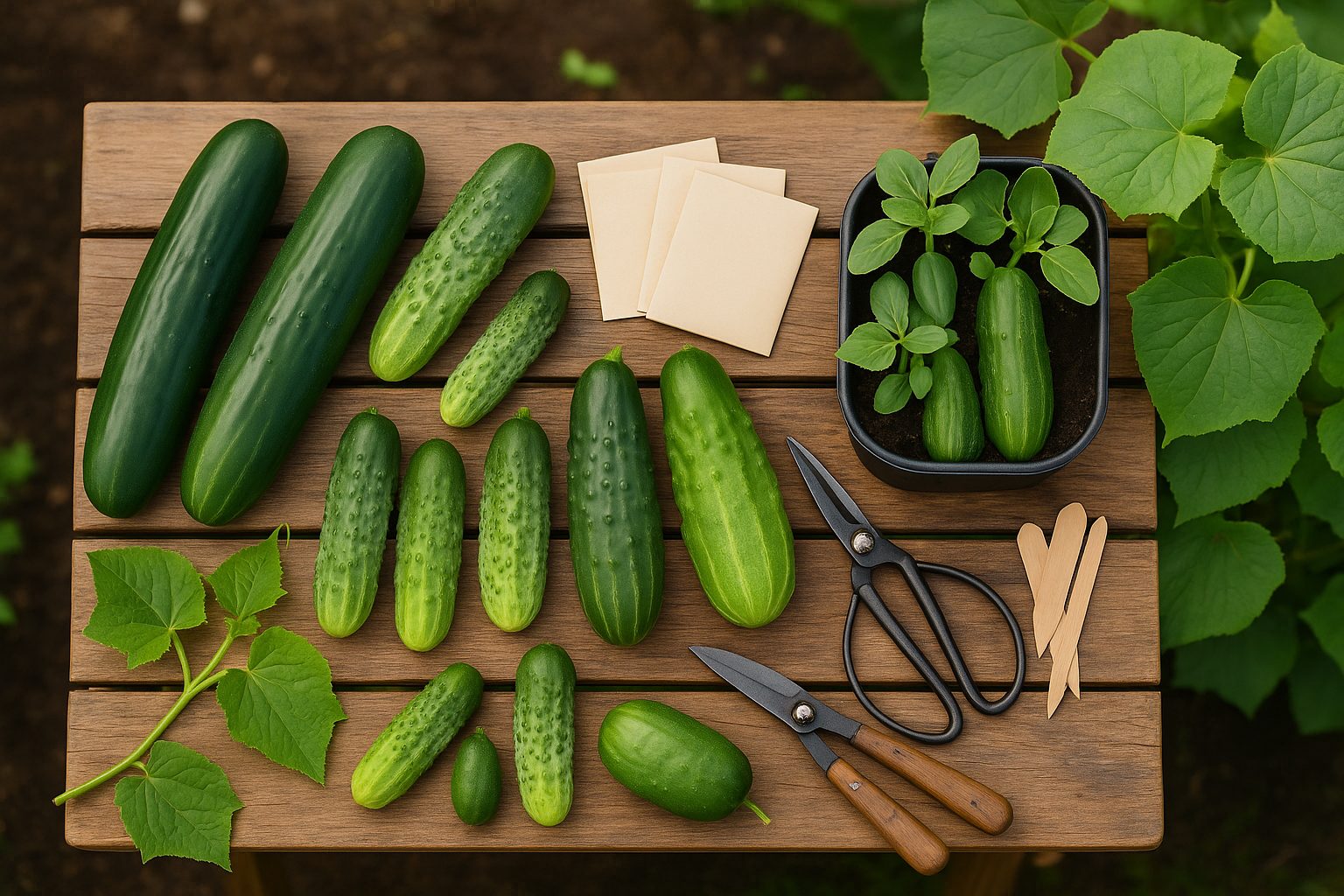
When picking the best cucumber for your garden, it’s helpful to start with the basics: slicing and pickling types. Slicing cucumbers, like ‘Marketmore 76’ or ‘Straight Eight’, grow bigger and have smooth, tender skins, making them perfect for fresh salads. Pickling cucumbers, such as ‘Boston Pickling’ or ‘National Pickling’, are shorter and firmer, so they stay nice and crunchy after brining.
Another choice is where you’ll grow: outdoor or in a greenhouse. Outdoor (sometimes called ‘ridge’ or ‘field’) cucumbers tend to be hardier and can tolerate more variable weather—great for most home gardens. Greenhouse varieties, like the popular ‘Telegraph Improved’, thrive in warmer, sheltered environments and often produce smoother, burpless fruit.
For beginners, disease resistance is a big plus. ‘Marketmore 76’ resists many common cucumber diseases and gives a steady yield—ideal for those new to veggie gardening. ‘Bush Champion’ is a compact, prolific option for containers. For pickling, ‘Bush Pickle’ and ‘Homemade Pickles’ offer high yields and reliable taste. Watch for varieties labeled ‘burpless’ if you’re sensitive to bitterness.
On the downside, specialty or gourmet varieties can be more finicky and may need more attention to watering and feeding.
When sourcing seeds or seedlings, check with local garden centers or reputable online seed companies—many offer collections specifically for beginners or for smaller garden spaces. Always opt for seeds suited to your region’s climate and growing season for the healthiest plants and biggest harvest. If you’re buying seedlings, pick stocky, disease-free plants with no yellowing or wilting.
By matching your chosen cucumber type and variety to your space and taste preferences, you’ll set up your garden for a summer of crisp, homegrown success.
Preparing the Soil and Planting Your Cucumbers
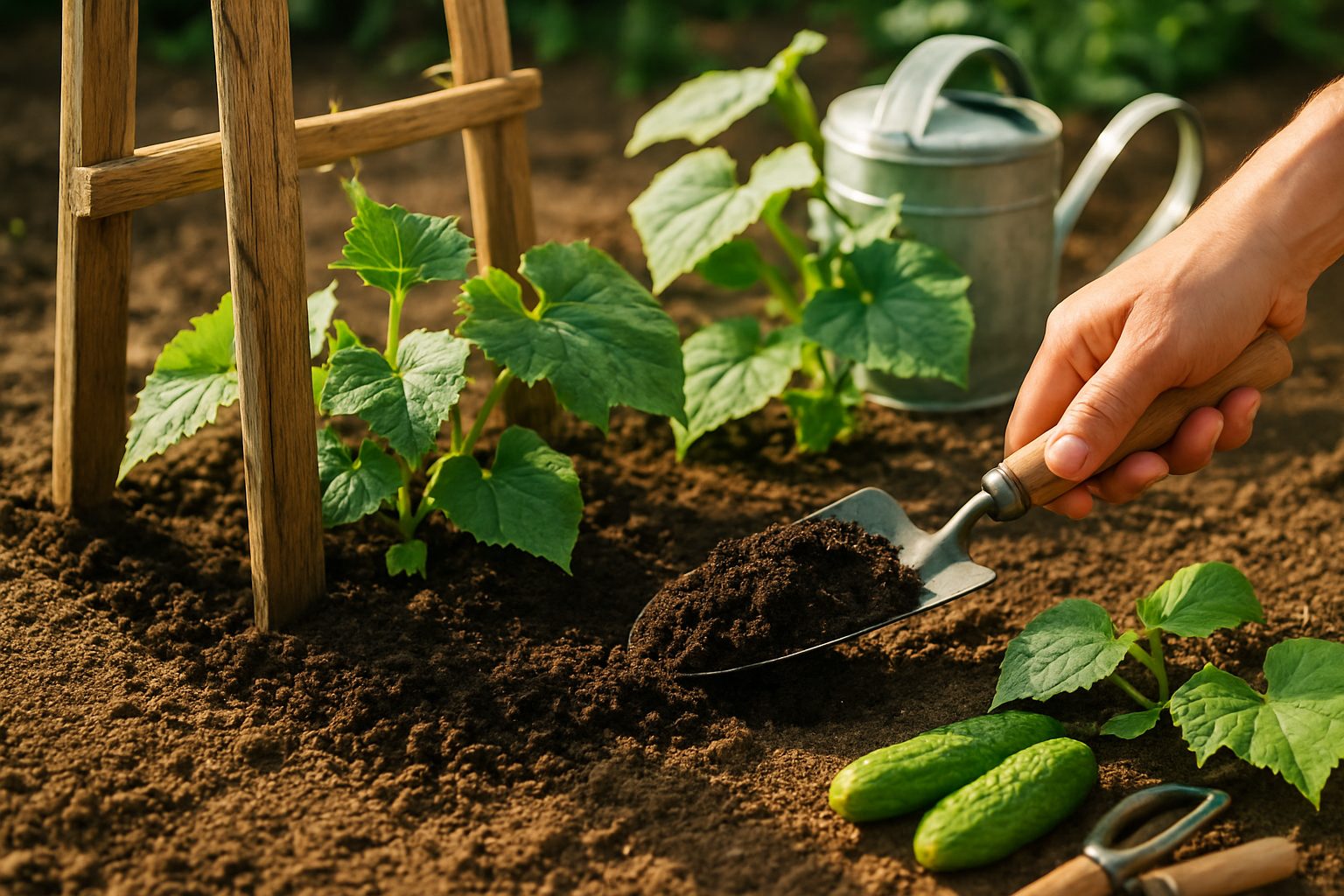
To set your cucumbers up for success, start by picking a sunny garden spot—they need at least six to eight hours of direct sunlight per day for vigorous growth and abundant fruit. Choose an area with well-draining soil, avoiding any place where water might pool after rain.
Cucumbers are sensitive to crowding, so allow 12–18 inches between plants and about three feet between rows if you’re growing bush types. For climbing varieties, you can space them a bit closer and train them vertically. Trellising not only saves space but also keeps fruits cleaner, improves air circulation, and makes harvesting easier. A simple A-frame or vertical trellis using netting or sturdy wire works well—just plant at the base of the support and gently guide your vines as they grow.
Before planting, amend your soil by working in a couple of inches of compost or well-rotted manure; cucumbers love rich, loose soil with a slightly acidic to neutral pH (6.0–7.0 is ideal). Loosen the soil to about 8–12 inches deep so roots can spread easily.
When it comes to planting, you can sow seeds directly in the garden once soil temperatures stay above 65°F (usually a couple of weeks after the last frost) or get a jump on the season by starting seeds indoors three to four weeks earlier. Transplants should be hardened off before moving outdoors. Direct sowing is simpler and causes less root disturbance, but transplanting young seedlings can help you beat a short growing season.
No matter which method you choose, water cucumber seeds gently after planting and keep the soil consistently moist but not soggy—mulching around your plants helps retain moisture and prevent weeds. By preparing the ground properly and giving your cucumbers enough space, light, and support, you’ll boost your chances for a healthy, productive harvest.
Caring for Cucumber Plants: Watering, Feeding, and Pollination
Properly caring for cucumber plants starts with understanding their need for consistent, even moisture. Cucumbers have shallow roots and thrive when the top inch of soil stays moist but not soggy. Water deeply two or three times a week rather than giving them a light sprinkle each day, as shallow watering leads to weak root systems and bitter-tasting fruit.
Always water at the base to avoid wetting the leaves, which can encourage powdery mildew and other diseases. Early morning is the best time for watering since it gives leaves time to dry out before nightfall. Avoid overhead sprinkling during the heat of the day, which can shock plants and evaporate quickly, leaving roots thirsty.
Feeding Your Cucumbers
Cucumbers are heavy feeders and will benefit from a balanced, all-purpose fertilizer (such as 10-10-10 NPK) once seedlings have two true leaves. When flowering begins, switch to a fertilizer higher in potassium and phosphorus to promote fruit development. Compost tea or diluted liquid seaweed are gentle, organic options.
Be careful not to over-fertilize, especially with nitrogen, as this can cause lush vines at the expense of fruits.
Pollination for a Bountiful Harvest
Pollination is another critical step for a successful cucumber harvest. Many cucumber varieties rely on bees and other pollinators to transfer pollen from male to female flowers (female flowers have a small swelling at the base). Some parthenocarpic types are self-pollinating and can fruit without pollinators—a great choice for greenhouses or urban balconies.
If you notice lots of flowers but few cucumbers, manual pollination can help. Simply use a small paintbrush or cotton swab to transfer pollen from the center of a male flower (no swelling at the base) to the center of a female flower. Repeat this on several flowers to improve yields, especially during cold or rainy weather when pollinator activity is low.
By paying attention to watering, feeding at the right growth stage, and being proactive about pollination, you’ll set your cucumbers up for a healthy, productive season.
Common Problems and How to Troubleshoot Them
Growing healthy cucumbers can be challenging, especially when pests, diseases, or environmental stressors strike. Aphids and cucumber beetles are two common pests to watch for, often gathering on the undersides of leaves or around the stems. You might notice tiny, soft-bodied bugs or yellow-and-black striped beetles nibbling holes in the foliage.
To prevent infestations, encourage beneficial insects like ladybugs and lacewings in your garden and use fine mesh row covers over young plants. If aphids or beetles appear, try rinsing them off with a strong spray of water or using insecticidal soap—both are considered organic-friendly.
Diseases also threaten cucumbers, with powdery mildew being especially notorious. It shows up as white, powdery spots on leaves and spreads quickly in warm, humid conditions. Good airflow, proper plant spacing, and watering at the base in the morning all help prevent mildew. Remove affected leaves promptly, and try spraying with a solution of one tablespoon of baking soda in a gallon of water to slow the spread organically.
Environmental stressors like bitterness or misshapen fruits often stem from inconsistent watering or temperature extremes. Make sure the soil stays evenly moist and mulch around plants to regulate moisture and temperature. Harvest cucumbers promptly, as overripe or stressed fruit tends to turn bitter.
If your cucumbers are curling or deformed, it may be due to poor pollination. Attract pollinators by planting flowers nearby and avoid overhead watering during bloom time.
Early detection is key—regularly inspect both sides of leaves and fruit, especially during hot, humid weather. Keeping a simple garden journal to note any changes can help you spot problems quickly and apply remedies while they’re still manageable. With consistent care, an observant eye, and organic solutions, you can handle most cucumber challenges and enjoy a healthier harvest.
When and How to Harvest Cucumbers for Peak Flavor
Knowing exactly when to harvest cucumbers makes all the difference in flavor and texture. The ideal time is when they are firm, uniformly green, and measure about six to eight inches long for slicing varieties, or two to four inches for pickling types. Check the skin for a bright color with a slight gloss—dullness or yellowing means the cucumber is overripe and may taste bitter or seedy.
Harvesting frequently, every other day or so, encourages the plant to keep producing more fruit since mature cucumbers left on the vine can signal the plant to slow or stop flowering.
When you’re ready to pick, grab a clean pair of garden shears or scissors and snip the stem about a half-inch above the fruit, which reduces the risk of tearing vines or damaging the plant’s roots. Handle cucumbers gently, as their skin bruises easily, and avoid twisting or pulling, which stresses the plant.
Once harvested, store cucumbers in the refrigerator, ideally wrapped in a paper towel inside a plastic bag to keep them crisp and prevent moisture loss; they’ll stay fresh for up to a week this way.
For a longer shelf life—and a delicious treat—consider making refrigerator pickles: slice your cucumbers, tuck them into a jar with dill and garlic, then cover with vinegar and brine. Homemade pickles are a great way to enjoy your harvest for months and add a zesty crunch to any meal.
With attentive harvesting and proper storage, you can enjoy garden-fresh cucumbers at their best all season long.