Introduction
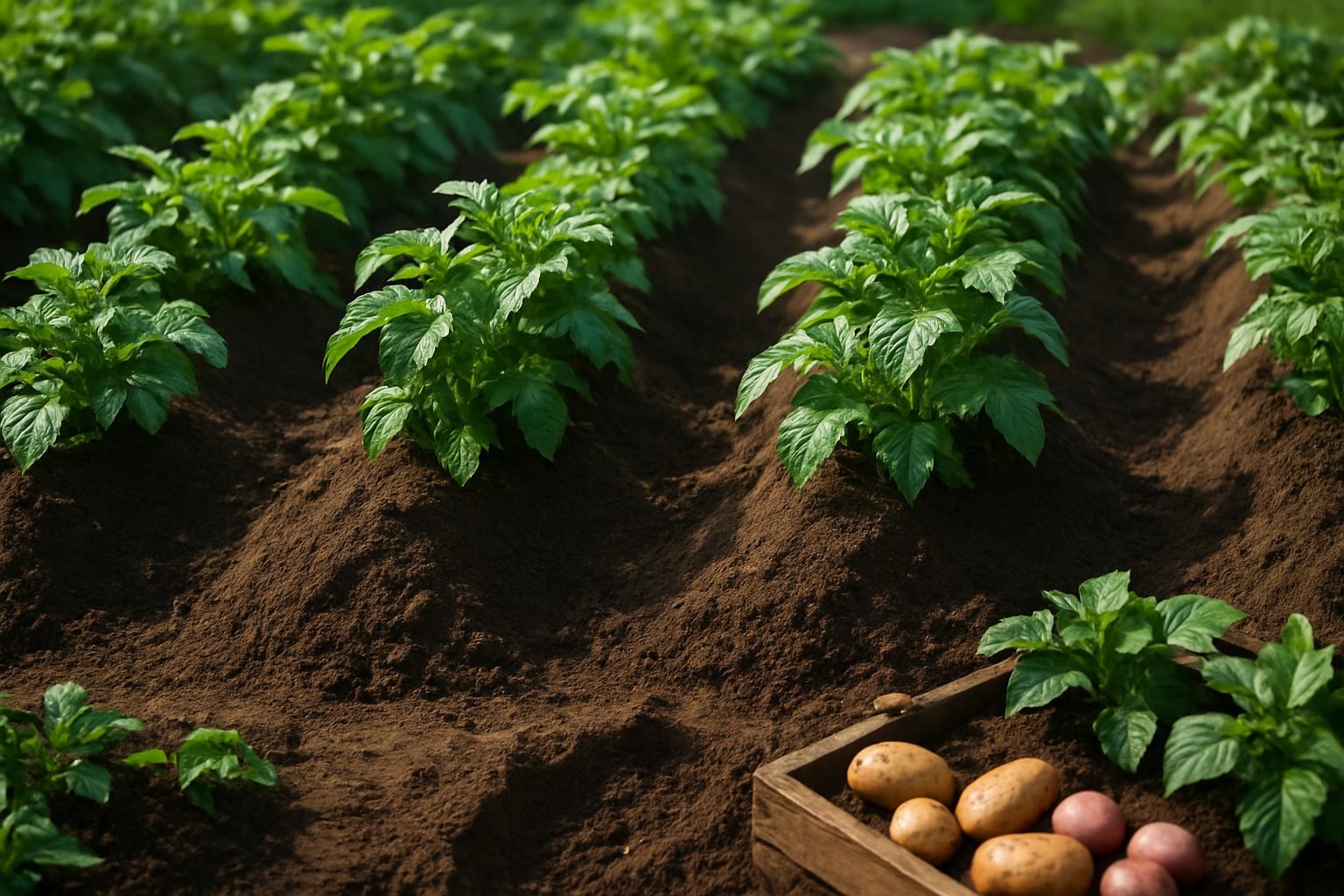
When planning your vegetable garden, understanding the right space for potatoes is crucial for a thriving harvest. Giving your potato plants enough room isn’t just about being neat; proper spacing allows each plant to develop healthy tubers, absorb enough nutrients, and get plenty of sunlight.
Have you ever noticed small, misshapen potatoes or yellowing leaves crowding together in the soil? That often points to not providing enough space, which can also increase the risk of diseases spreading between closely packed plants. By allowing adequate space for potatoes, gardeners can significantly maximize their yield and improve the size and quality of each potato harvested.
Airflow improves when plants aren’t competing for room, helping to ward off issues like blight and rot. In addition, well-spaced crops make weeding, watering, and harvesting much easier. The right spacing isn’t guesswork; it’s a proven way to ensure your efforts pay off when you dig up beautiful, abundant potatoes.
In this article, we’ll walk you through exactly how much space potatoes need at every stage—from initial planting to maintenance—so you can confidently set up your garden for the best results possible. Let’s dig into the details and set your potato crop up for success!
Understanding Potato Plant Growth
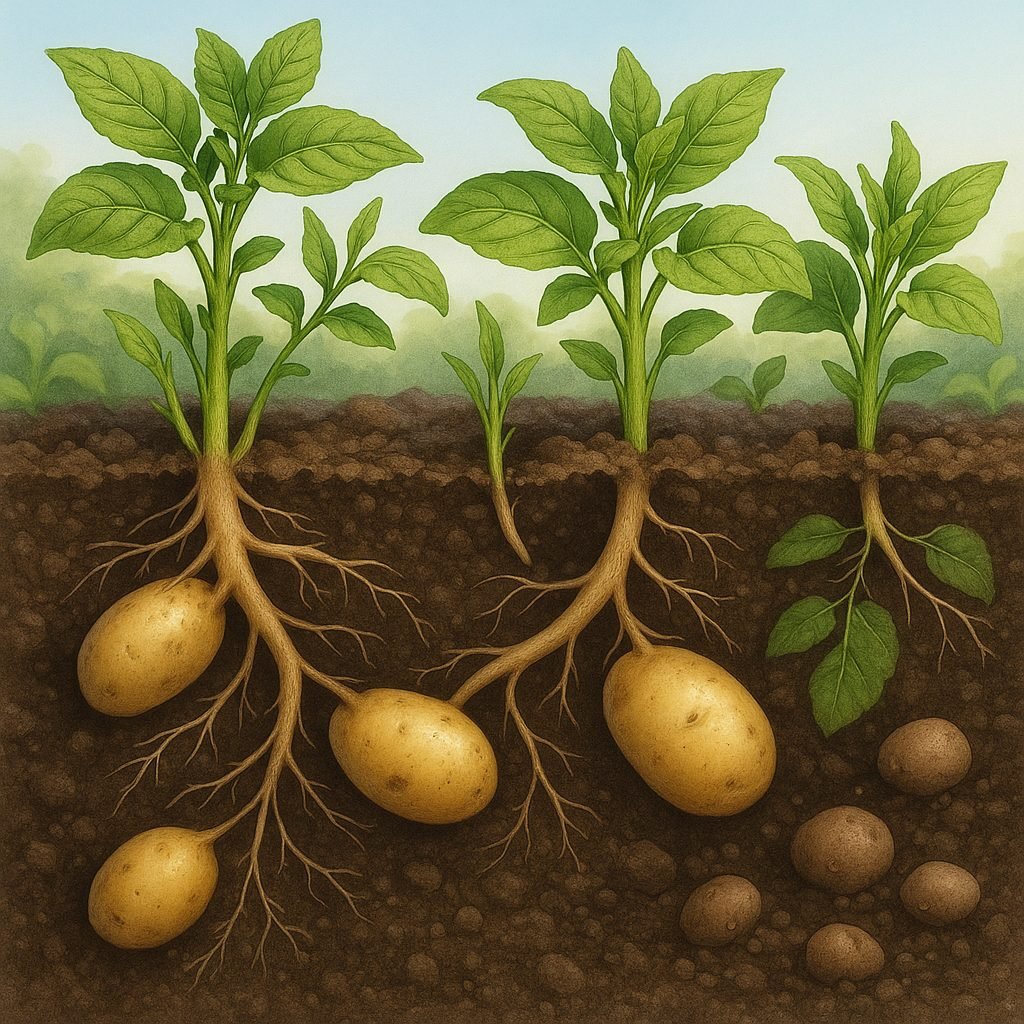
Potato plants go through several distinct growth stages, each playing a crucial role in determining overall yield and health. It all starts with sprouting, where the seed potatoes—often called “sets”—begin sending out shoots after being planted in well-prepared soil. These shoots break through the soil surface and develop into leafy stems, which gather sunlight and fuel the plant’s rapid growth during the vegetative stage.
Next comes tuber initiation, a phase where specialized underground stems (known as stolons) thicken and begin forming the tubers that will eventually become harvestable potatoes. This stage is especially important because tuber swelling requires plenty of loose, spacious soil. Crowded conditions below ground can lead to smaller or misshapen potatoes and increase the risk of disease.
As the plant enters the bulking stage, tubers rapidly increase in size. Sufficient spacing ensures each plant has ample access to nutrients and water, leading to healthy, uniform potatoes. Finally, during plant maturation, the leaves yellow and die back as the tubers reach their full potential and the plant prepares for harvest.
Real-world experience shows that giving potato plants about 12 inches of space between each set at planting—not just in rows but also between rows—makes a noticeable difference in the harvest. Adequate spacing not only reduces competition for light and nutrients but also improves airflow around plants, which helps resist fungal diseases.
If you’re planting in containers or raised beds, make sure to use wide containers and avoid planting too many sets in a single spot. All in all, understanding these growth stages and prioritizing proper spacing gives your potatoes the best chance to thrive, resulting in a bountiful and healthy crop at harvest time.
Potato Plant Spacing by Variety
Proper spacing is crucial when planting potatoes, and different varieties have unique needs based on their growth habits and harvesting timelines.
Early-season potatoes, which mature quickly and produce smaller plants, can be planted closer together—about 10 to 12 inches apart in rows spaced 24 inches apart works well. This tight spacing helps maximize yield in a smaller area and is perfect for gardeners with limited space or those who want an early summer harvest.
Mid-season potatoes require a bit more room, generally 12 to 14 inches between plants and 30 inches between rows, to accommodate their larger vines and slightly longer growing period.
For late-season varieties, which tend to grow the largest plants and stay in the ground the longest, aim for 14 to 16 inches between each potato plant and 36 inches between rows. This provides ample space for vigorous vines and allows for larger tubers to develop without overcrowding.
If you’re growing compact types like fingerlings or “new potatoes,” you can shave a couple of inches off all recommendations, while unusually large varieties, like some baking potatoes, may benefit from adding a few extra inches of space.
Always consider airflow, sunlight, and ease of harvest—overcrowding leads to smaller potatoes and a higher risk of disease, while giving each plant enough room encourages a healthier, more productive crop.
How Far Apart to Plant Potatoes – Outdoor Beds & Raised Beds
Getting the spacing right when planting potatoes is key for a healthy, productive harvest. In traditional outdoor garden beds, the standard advice is to space seed potatoes about 12 inches apart within the row, with each row separated by 30 to 36 inches. This gives every plant plenty of room to spread out underground and develop large, healthy tubers.
For example, if you have a 10-foot-long row, you’ll generally fit about 10 potato plants spaced at foot intervals, with enough space between rows to easily move and mound up soil as they grow.
Raised beds, which tend to maximize garden space, allow a bit closer spacing: seed potatoes can be spaced 10 to 12 inches apart in all directions, creating a grid pattern rather than traditional rows. In a 4’ x 8’ raised bed, you could fit about 30 to 32 potato plants, but be sure to leave at least 10 inches between each to allow for airflow and ease of hilling.
Gardeners with limited space or those practicing intensive techniques like square foot gardening can push spacing even closer—sometimes as little as 8 inches between plants—though you may get smaller potatoes or need to be extra watchful for disease due to the tighter quarters.
Regardless of bed type or spacing method, always start with healthy, disease-free seed potatoes and mound up soil or mulch around the plant stalks as they grow. This not only supports tuber development but also protects them from sunlight, which can turn potatoes green and bitter.
By tailoring spacing to your specific garden setup, you maximize both harvest size and plant health.
Spacing Potatoes in Containers and Small Gardens
Growing potatoes in containers and small gardens is a smart way to enjoy fresh spuds even when space is tight. For the best results, choose containers that are at least 16 inches deep and 12–15 inches wide per seed potato—you can use large buckets, fabric grow bags, or deep planters.
Start by placing 4–6 inches of quality potting mix at the bottom, then space seed potatoes 8–10 inches apart, allowing each tuber enough room to grow. In small garden plots, keep rows 24–30 inches apart and plant seed potatoes 12 inches apart within the row. This spacing helps avoid overcrowding, which can lead to smaller potatoes and an increased risk of disease.
As the plants grow, gradually mound soil or mulch up around the stems to encourage more tuber production. Consider companion plants that thrive in close quarters:
- Bush beans, which can boost potato yields by fixing nitrogen in the soil
- Marigolds or basil, which help repel pests naturally
Avoid planting potatoes near tomatoes or peppers since they share diseases and compete for nutrients. Rotate your potato location yearly—even in containers—to reduce the risk of soil-borne problems.
With the right spacing, thoughtful companion selection, and regular watering, you’ll make the most of your limited garden real estate and harvest plenty of homegrown potatoes.
Common Potato Growing Problems Linked to Spacing
Improper spacing can cause a variety of issues when growing potatoes, often starting with overcrowding. When plants are too close together, their leaves and stems compete for sunlight and airflow, leading to stunted growth and smaller tubers. You might notice potatoes with fewer and smaller tubers or plants that appear leggy and weak—a clear sign they’re fighting for resources.
Another common problem related to poor spacing is an increased risk of fungal diseases, like blight and powdery mildew, which thrive in damp, poorly ventilated conditions between tightly packed plants. If you notice yellowing leaves, moldy spots, or wilting, it could be due to restricted air movement.
Overcrowded potatoes also attract more pests, such as aphids and potato beetles, who find it easier to move from one plant to another without gaps slowing them down.
How to Prevent Spacing Issues
Preventing these problems starts with proper planting:
- Space your seed potatoes about 12 inches apart.
- Keep rows at least 24 to 36 inches apart to ensure good airflow and sunlight exposure.
If you’ve already planted too closely and notice symptoms, try thinning the rows or carefully transplanting some seedlings to create more space.
Additional Tips for Healthy Potato Plants
- Monitor leaf moisture and water early in the day so foliage has time to dry.
- Remove affected leaves promptly to reduce disease risk.
By following these steps, your potato plants will thrive, disease risk will decrease, and you’ll set yourself up for a bigger, healthier harvest.
Harvesting and Storing Potatoes
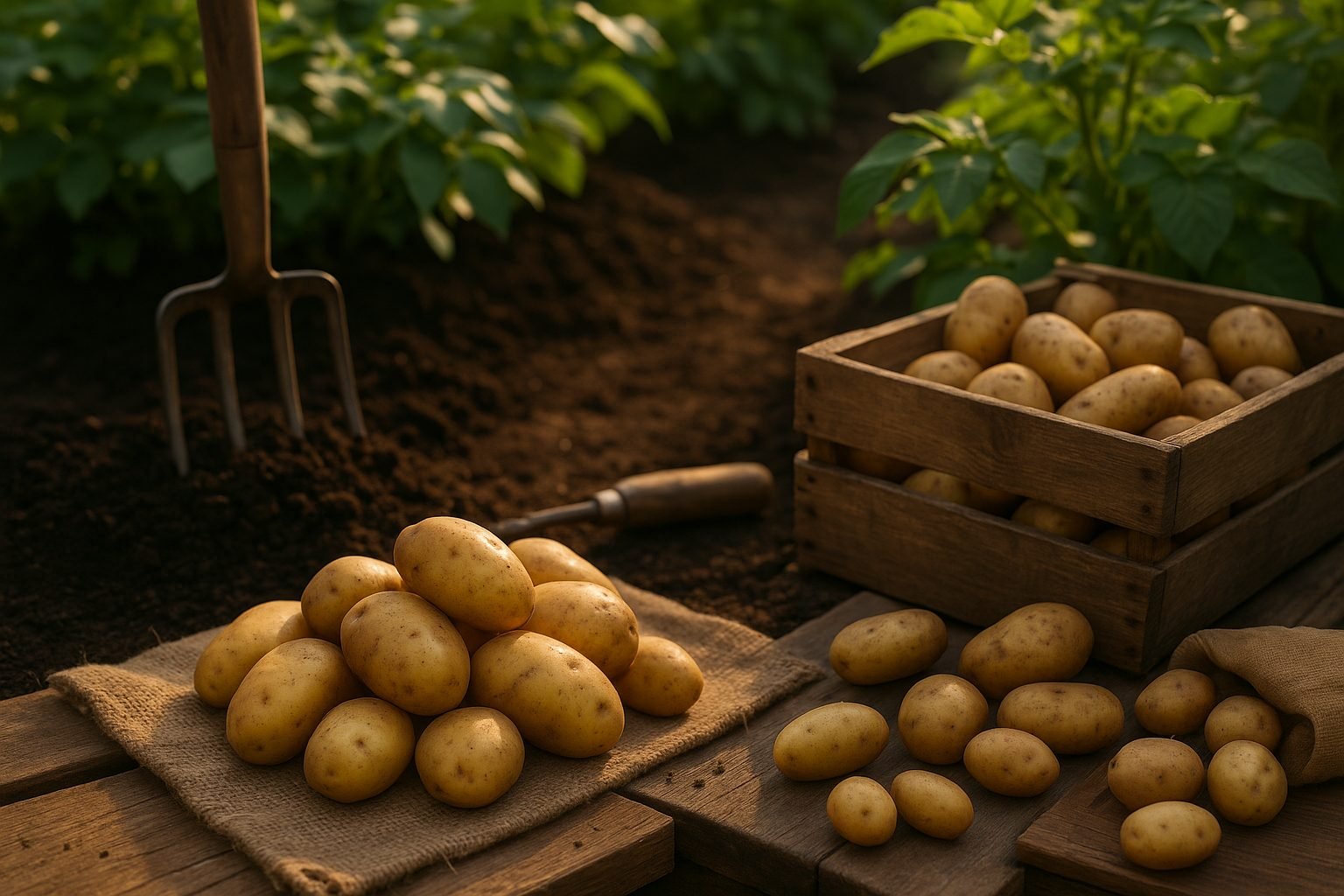
Proper spacing plays a crucial role in making your potato harvest easier and more efficient. When tubers have enough room to grow—generally about 12 inches apart in well-loosened rows—they develop more evenly and are less likely to get tangled. This makes them much simpler to dig up without accidentally slicing through them.
For the cleanest harvest, use a garden fork or shovel to gently lift the plant from the outer edge of the hill or row instead of digging directly where the potatoes might be. Carefully brush away soil with your hands to reveal the tubers, and avoid dropping or bruising them, as damaged potatoes won’t store well.
Once dug, lay your potatoes out in a cool, dark, and well-ventilated space—like a shed or garage—for about 1–2 weeks to cure. This toughens their skins and heals minor scrapes, extending their storage life. After curing, gently rub off excess dirt but don’t wash them—moisture can lead to rot.
Store the cured potatoes in breathable containers like paper bags or crates, keeping them in a dark area between 40–50°F. Make sure to keep them away from onions and sunlight, which can cause sprouting. By following these steps, you’ll keep your potato harvest fresh, flavorful, and ready to enjoy longer through the season.
Frequently Asked Questions
How close can I plant potatoes if I only want a small harvest?
For a modest crop or limited space, you can plant seed potatoes about 8 to 10 inches apart in rows. This tighter spacing works well in raised beds or small gardens when you don’t need a huge yield.
What’s the minimum spacing for growing potatoes in containers?
In buckets or tubs, try one or two seed potatoes per 5-gallon container, spacing them at least 6 inches apart—this gives the plants enough room to develop healthy tubers without crowding.
Can I plant potatoes even closer to save space?
While it might be tempting, planting too close together can lead to smaller potatoes and a higher risk of disease. Aim for at least 6 inches between seed potatoes, even in small spaces, to balance space-saving with harvest quality.
What if I want to maximize my yield?
For the biggest harvests, stick to the classic recommendation: 12 to 15 inches apart in rows that are around 2 to 3 feet apart. This spacing lets the plants spread and produce more potatoes.
No matter your method, always use healthy seed potatoes and fresh soil to prevent disease and get the best results.