Choose the Right Tomato Varieties
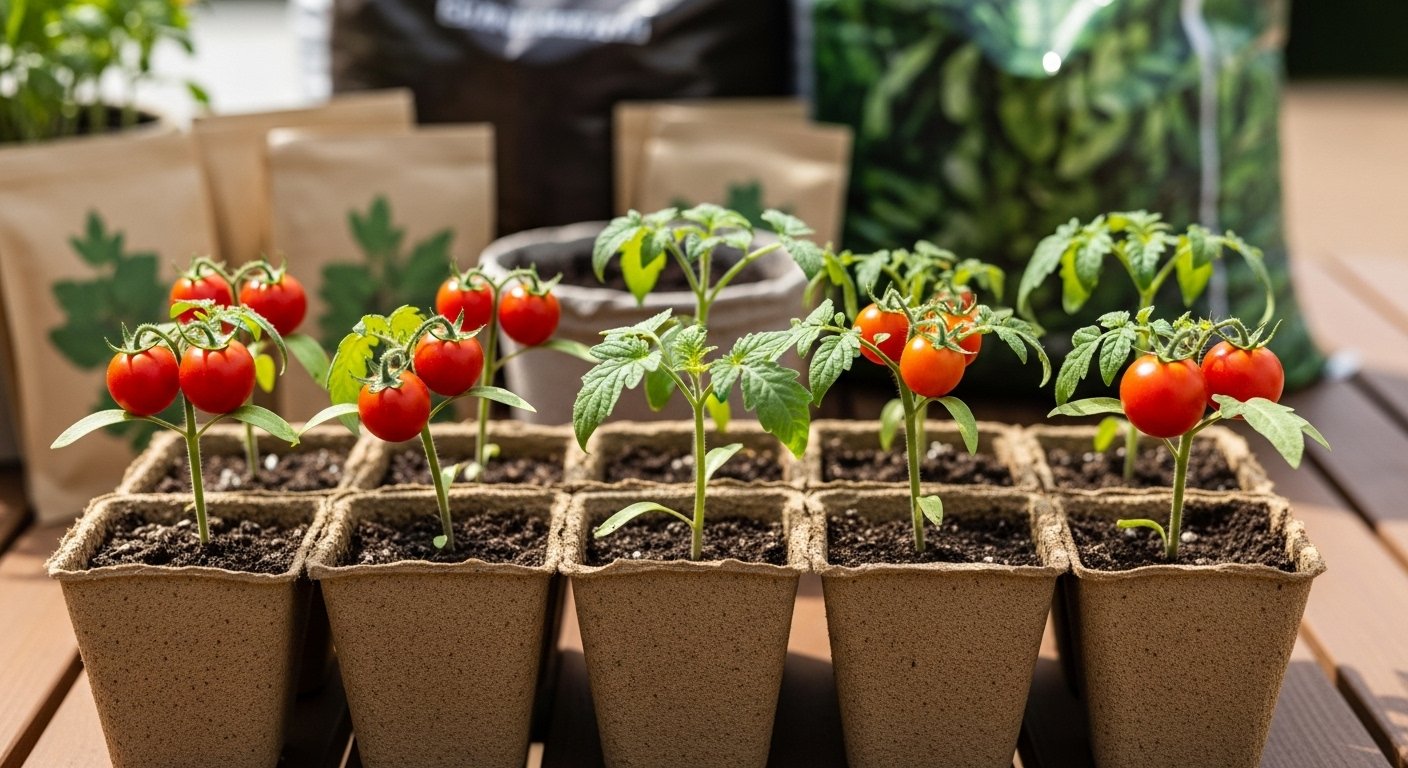
Growing tomatoes in hot climates can be challenging, but the rewards of flavorful, sun-ripened fruit make it well worth the effort—especially when you choose the right varieties. In scorching summers, not all tomatoes thrive. Some crack, wilt, or stop setting fruit once temperatures soar above 90°F (32°C). That’s why it’s essential to seek out tomato varieties bred specifically for heat tolerance and disease resistance.
Varieties like ‘Solar Fire’, ‘Heatmaster’, and ‘Phoenix’ are known for their ability to set fruit even when the mercury rises, making them smart picks for gardeners in the South, Southwest, and other sun-soaked regions.
Disease pressure is higher in hot, humid climates, so selecting cultivars with built-in resistance to common issues like Fusarium wilt, Verticillium wilt, and nematodes is a must. ‘Celebrity’ and ‘Bella Rosa’ are reliable choices that combine heat tolerance with impressive disease resistance, reducing your chances of crop loss and the need for chemical interventions.
Consider your specific region as well—what works in arid Texas might differ from what thrives in muggy Florida. Consulting local extension offices or experienced gardeners in your area can guide you toward varieties that offer the best results in your unique microclimate.
Choosing hot climate tomatoes tailored to your growing conditions means more than just bigger harvests—it’s about less frustration, healthier plants, and tastier fruit. Reliable, heat-tolerant, and disease-resistant varieties help you beat the heat and avoid common pitfalls, so you can enjoy homegrown tomatoes all summer long.
Don’t hesitate to experiment with a few different cultivars to see which ones perform best in your backyard. With the right tomato varieties, even sizzling summers can produce baskets of juicy red rewards.
Prepare the Ideal Planting Location
Choosing the right planting location is key to growing healthy tomato plants, especially in hot climates where extreme temperatures can stress your crop. Look for a spot that gets at least six hours of direct morning sunlight, but consider shielding tomatoes from the harsh afternoon rays, which can cause leaf scorch and fruit sunscald.
You can achieve this by placing taller plants or shade cloth on the western side, or even planting your tomatoes beside a fence that offers filtered shade later in the day. Proper airflow is just as important—staking or caging your plants and spacing them 18 to 24 inches apart helps reduce disease risk by allowing humidity to dissipate quickly.
When it comes to soil, tomatoes thrive in loose, well-draining loam or sandy-loam, rich in organic matter. Avoid low-lying spots where water collects, as soggy roots invite rot. If you have heavy clay, amend it with compost, aged manure, or coconut coir to boost drainage without sacrificing moisture retention.
Mixing in mulch or shredded leaves at planting will further help the soil hold onto water, a crucial benefit when summer heat causes rapid evaporation. Don’t forget to test your soil’s pH; tomatoes prefer a range between 6.0 and 6.8, so add lime or sulfur as needed.
By carefully choosing and preparing your site, you’ll give your tomatoes the best shot at a long, productive season, even in the hottest weather.
Provide Adequate Shade and Protection
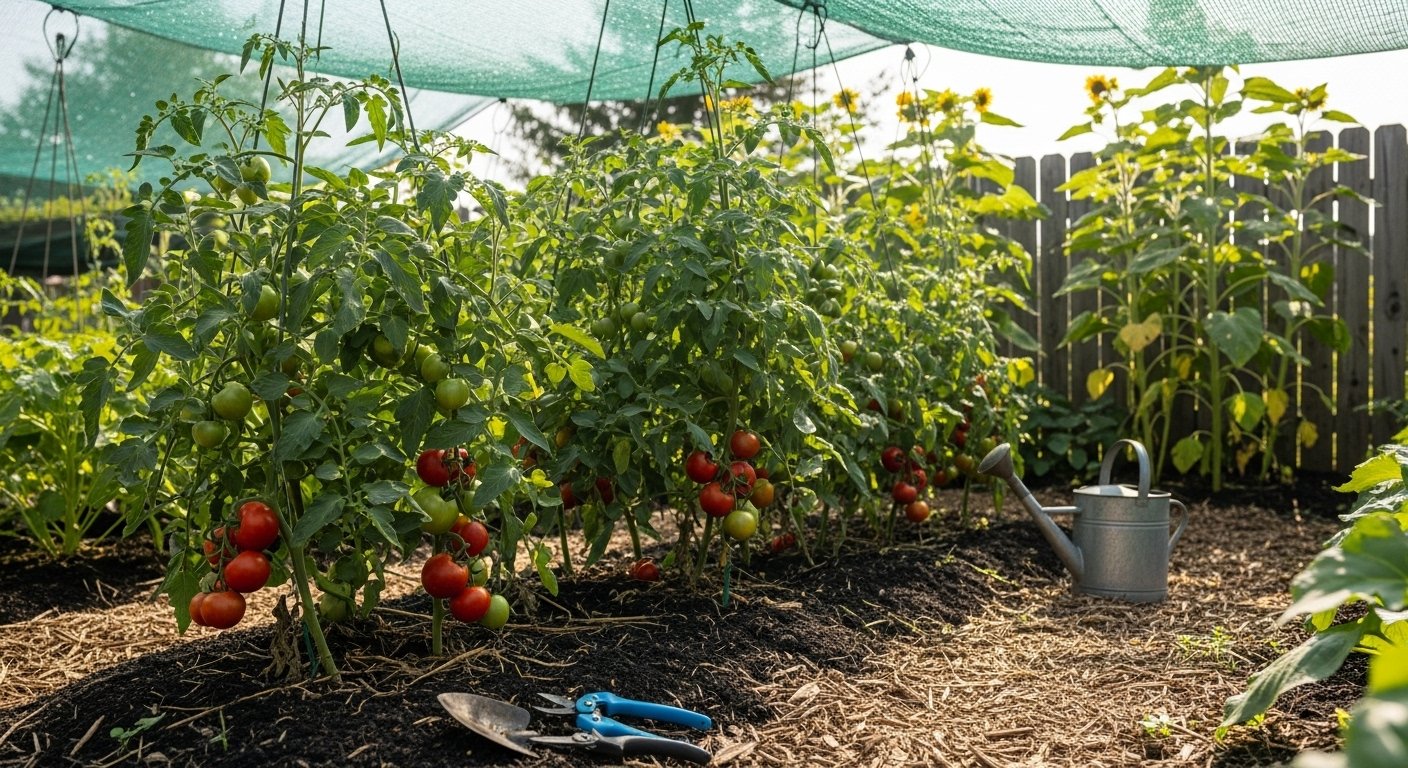
Protecting your tomato plants from intense summer sun is essential to prevent leaf scorch, fruit sunscald, and overall stress—especially during heatwaves. One of the most effective methods is to use shade cloth, which can be easily draped over hoops or stakes above the plants. A shade cloth offering 30-50% shade is usually ideal—enough to shield tomatoes during the peak midday heat but not so much that it stunts growth.
Install the cloth during forecasted heatwaves or when temperatures regularly rise above 90°F (32°C), particularly from noon to late afternoon when the sun is strongest. Row covers offer another temporary fix; lightweight covers provide protection without restricting airflow but should be lifted during cooler mornings to encourage pollination.
For a more permanent approach, consider companion planting with taller crops like sunflowers or corn, which act as living umbrellas, filtering sunlight and creating a gentler microclimate for your tomato beds. You can also plant tomatoes on the east side of structures or shrubs so they receive gentle morning sun and protection during the harshest afternoon rays.
Remember, tomatoes generally need 6–8 hours of direct sun daily for healthy fruiting, so aim to shield them only during those extremely sunny hours rather than all day. In addition, mulching around the base of the plants keeps roots cool and helps reduce heat stress. In a pinch, even propping up an old bedsheet or umbrella can give your tomatoes some much-needed respite during unexpected hot spells.
By combining temporary fixes with long-term strategies, you’ll help ensure your plants thrive and produce abundant, healthy fruit all summer.
Maintain Soil Moisture with Mulching and Watering
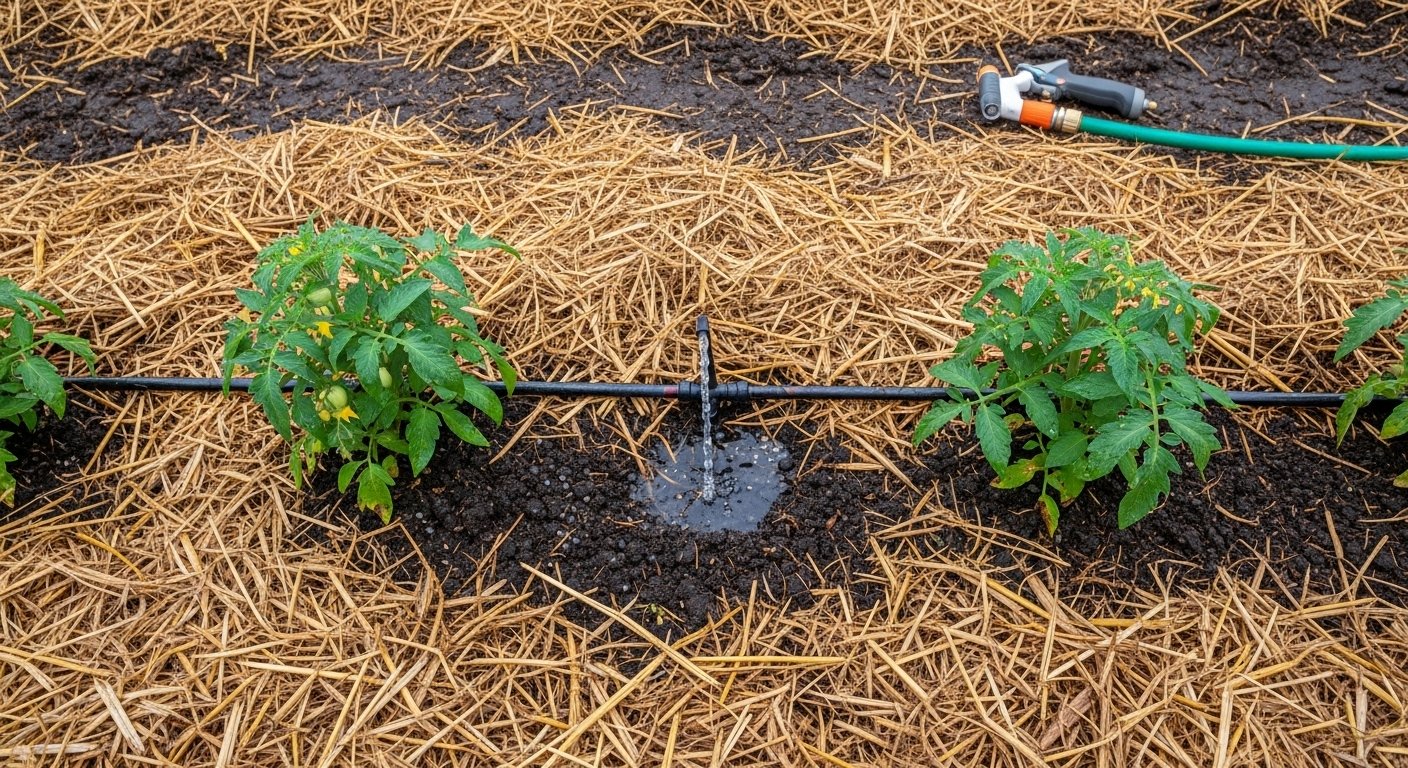
Keeping your tomato plants healthy during hot weather means paying close attention to both mulching and watering. Mulching is a simple yet powerful way to conserve soil moisture and keep roots cool as temperatures rise. By covering the soil surface with materials like straw, wood chips, compost, or even plastic sheeting, you create a barrier that reduces water evaporation and buffers the soil from extreme heat.
Straw is a popular choice for tomatoes because it’s lightweight, widely available, and allows water to penetrate easily, while wood chips last longer and break down more slowly, providing insulation throughout the season. Compost serves as mulch and feeds the soil, though it may need to be replaced more often. Plastic mulch effectively holds in moisture but can raise soil temperatures, so it’s best used in cooler climates.
Alongside mulching, watering your tomatoes correctly is critical, especially on hot, dry days. Aim to water deeply and at the base of the plant in the early morning to minimize water loss through evaporation. Generally, providing one to two inches of water per week is a good target, but during heat waves, you may need to water every day or two, ensuring the moisture reaches six to eight inches deep where most roots grow.
Watch out for signs that your watering routine needs adjusting:
- Tomatoes that wilt in the afternoon but recover by evening may be slightly dry.
- Persistent drooping, dry leaves, or blossom-end rot indicate underwatering.
- Yellowing leaves, cracked fruit, or a musty smell hint at overwatering.
Regularly check the soil moisture by sticking your finger an inch or two into the soil—water only when it feels dry. This simple habit will help you find the right balance and keep your tomato plants thriving.
Monitor for Pests and Diseases
As temperatures rise, your vegetable garden faces a higher risk of infestations and infections, especially from common pests like aphids, spider mites, and whiteflies, as well as diseases such as blossom-end rot and wilt. Aphids and spider mites thrive in hot, dry weather, often forming large colonies on the undersides of leaves and draining plants of sap, which leads to curled, yellowing, or stippled leaves. Whiteflies also multiply rapidly in heat, causing leaves to yellow and become covered with a sticky residue called honeydew, which can attract mold.
Blossom-end rot worsens with extreme heat due to fluctuating soil moisture and calcium uptake problems—look for water-soaked spots at the blossom end of tomatoes and peppers that quickly turn brown and leathery. Wilting, yellowing leaves may also signal temperature-related root or vascular diseases, especially fusarium or verticillium wilt, which become more aggressive under hot conditions.
Early detection is crucial, so inspect your garden daily. Pay close attention to the undersides of leaves, sudden leaf discoloration, or droopy plants even when the soil is moist.
Dealing with Pests
- At the first sight of pests, wash them off with a strong jet of water or spray with insecticidal soap for an organic approach.
- Introduce beneficial insects like ladybugs and lacewings to naturally control aphid and mite populations.
- For stubborn infestations, conventional options like neem oil or pyrethrin sprays can be effective, but always follow label directions to avoid harming beneficial insects.
Preventing Problems
- Mulch to retain soil moisture.
- Water early in the morning to reduce plant stress.
- Rotate crops to break disease cycles.
Managing Diseases
- Remove and destroy affected plant parts.
- Choose resistant varieties.
- Avoid overhead watering to reduce leaf wetness and stress.
Combining vigilant monitoring with proactive, integrated pest management strategies helps keep your garden thriving even in the hottest months.
Harvest and Plant Care Tips for Hot Weather
During hot weather, it’s crucial to adjust your harvesting schedule to early morning or late evening when temperatures are cooler and fruits are less likely to crack due to rapid water uptake. For instance, tomatoes and cucumbers can split if picked during the hottest part of the day, so plan ahead to prevent losing your crops.
Regular pruning helps by improving air circulation around plants, reducing the risk of fungal issues that often arise in humid, hot conditions; simply remove excess lower leaves and any suckers on tomatoes.
Staking or caging tall plants provides stability during sudden storms or wind gusts, which are common in summer and can stress already heat-strained stems.
Consistently check your plants for signs of heat stress—like wilting, leaf curling, or sunscald, particularly on fruit surfaces facing west.
Installing temporary shade cloth or using row covers during peak sun hours offers quick relief for delicate vegetables and prevents sunburn on fruits like peppers and eggplants.
Mid-season, balanced fertilization is essential because fast-growing plants need nutrients to recover from stress; opt for a slow-release fertilizer and water deeply, but less often, to encourage roots to grow down where the soil stays cooler.
Finally, at the first sign of sunscald—cute creamy patches or blisters on fruit—pick affected ones to prevent rot and help the plant focus energy on healthy growth.
With these small adjustments, your garden can thrive through even the hottest weeks of summer.
Troubleshooting Common Heat Stress Issues
Heat stress in plants often shows up as wilting leaves, yellowing, drooping, or even blossom drop, and it’s easy to mistake these symptoms for problems like underwatering, pests, or nutrient deficiencies. The key difference is the timing and conditions—if symptoms worsen during hot, sunny afternoons and your soil is not bone dry, heat is likely the culprit.
For an immediate response, shade your plants with a lightweight cloth or move containers out of direct sun. Water deeply in the early morning to help roots access moisture, but avoid splashing leaves to prevent burns.
Over the long term, mulch around plants to keep soil cool, and group heat-prone varieties together where you can provide extra care. Stubborn issues like sunburned leaves or fruit may look alarming—white, papery patches on leaves or discolored spots on tomatoes, for example—but these can often be trimmed away without hurting the plant.
For quick fixes, boost humidity with a gentle mist (not during peak heat), ensure your pots aren’t too small (roots overheat faster), and avoid fertilizing stressed plants.
FAQ
- If leaves are still curling after shade and water, check for pests or root rot.
- If flowers keep dropping, try lighter afternoon shade and don’t overwater—blossom drop often fixes itself as heat passes.
Remember, a little stress is normal in summer, but with prompt action, most plants recover quickly.