
Introduction
Growing zucchini in hotbed setups has quickly become a smart solution for gardeners with limited space. If you’re working with a balcony, patio, or compact backyard, vertical gardening lets you make the most of every available inch. Not only does this approach help maximize your yield, but it can also reduce issues like soil-borne diseases and overcrowding—common problems in small gardens.
Zucchini, with its vining habit and fast growth, adapts perfectly to vertical structures like trellises or frames within a hotbed or cold frame system. By training your zucchini upwards rather than outwards, you’ll enjoy healthier plants and easier harvesting.
In this post, we’ll walk you through the basics of growing zucchini in hotbed environments: from choosing the right support and preparing nutrient-rich soil to watering tips and pest prevention. You’ll discover how vertical gardening improves airflow, uses sunlight efficiently, and even extends your growing season with the added warmth of a hotbed.
Whether you’re a beginner or an experienced urban gardener, you’ll find actionable steps to create a productive zucchini patch—even in the smallest spaces. Get ready to see your zucchinis thrive skyward!
Choosing the Right Zucchini Varieties for Vertical Growth

When planning to grow zucchini vertically, choosing the right variety is crucial for a successful, space-saving harvest. Not all zucchini plants grow the same way: bush types stay compact and spread outward, making them less suitable for trellises. Instead, look for vining or climbing zucchini varieties, which produce long, flexible stems that can easily be trained upward.
Vining types, sometimes labeled as “trailing” or “indeterminate,” naturally develop long vines equipped with tendrils that can grip trellises, poles, or sturdy netting. Popular vining varieties include Tromboncino—a favorite for its long, curved fruits and vigorous vertical growth—as well as Black Forest, which is specifically bred for container and vertical gardening. Another good choice is Raven zucchini, which can be trellised with some encouragement.
While bush types like Black Beauty or Golden are common in home gardens, they are better reserved for traditional beds or large containers.
When sourcing seeds, look for reputable seed companies that provide detailed growth habits on packaging—many online retailers allow filtering by plant type or growth habit. Local nurseries and seed swaps can also be helpful, particularly if you’re seeking varieties proven to perform well in your region.
If you can’t find “vining zucchini” at first glance, try looking under “summer squash” or seek heirloom seed specialists, as these often carry more unique or less common climbing varieties. To get the best results, always start with fresh seeds; older seeds may have spotty germination, limiting your success.
Preparing the Perfect Location and Soil
Selecting the right spot for your plants can make all the difference in their success. Most vegetables and flowers thrive in locations that get at least six hours of direct sunlight a day, so observe your garden, balcony, or patio at different times to find areas with consistent sun exposure. For gardeners short on space, sunny windowsills, balconies, or patios are perfect for pots or raised beds that you can move to follow the sun.
Good soil is just as crucial as sunlight. Choose loose, well-draining soil to prevent waterlogging, which can lead to root rot. Most garden centers offer bagged soil designed for specific plant types, but you can boost fertility by mixing in compost or well-rotted manure before planting—this supplies essential nutrients and encourages strong root growth.
If you’re gardening on concrete or have poor soil, raised beds filled with quality garden mix or large pots with drainage holes are smart options. Pots let you control the soil blend precisely, and some models even come with self-watering features.
Remember, whether you’re working in a traditional garden or a small patio, taking time to set up a sunny, well-prepared spot with rich, healthy soil sets you—and your plants—up for a thriving season.
Constructing Supportive Trellises and Climbing Aids
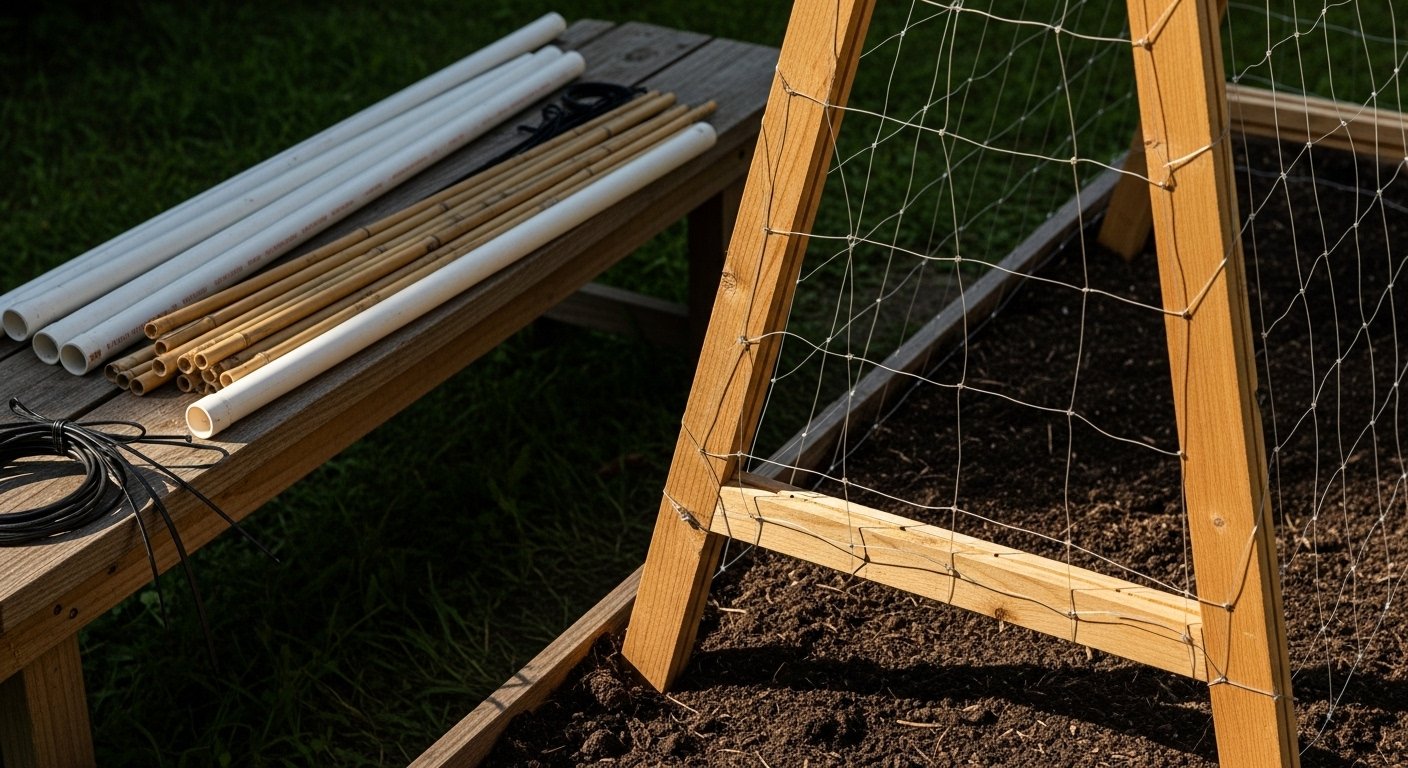
When training zucchini vines upward, the right support can make all the difference in plant health and harvest size. Classic A-frame trellises, crafted from sturdy wood or metal, offer broad support and are easy to build at home using two wooden panels connected at the top with hinges. Zip-tie some garden netting or string between the frames for extra grip.
For small spaces, vertical trellises made from galvanized steel mesh or wire fencing are compact and can be anchored directly into the ground or planters. These are sold pre-made at most garden centers. Simple bamboo stakes or tomato cages are also great for supporting single stems—just drive them several inches into the soil a couple of inches away from the base, then gently tie the vine as it grows using soft, stretchy garden ties to avoid damaging stems.
For DIY enthusiasts, even a few repurposed PVC pipes or old ladder sections can function as strong, reliable zucchini supports. Regardless of the structure you choose, it’s crucial to install it at the time of planting to avoid disturbing the roots later.
Position trellises so the base is slightly tilted away from prevailing winds for extra stability, and always secure structures deep into the soil to withstand summer storms and the weight of heavy fruit. Regularly check and adjust ties as vines grow, making sure zucchini leaves have space to spread and ample access to sunlight and airflow. This helps reduce the risk of disease and encourages healthy, productive plants.
With a bit of planning, both homemade and store-bought solutions can turn your zucchini patch into a tidy, bountiful vertical garden.
How to Plant, Train, and Tie Vertical Zucchini
To grow zucchini vertically, start by choosing a sturdy trellis or vertical support that stands at least 4-6 feet tall, such as a fence panel or a teepee made from bamboo poles. Plant seeds or seedlings 12-18 inches apart at the base of your structure, making sure the soil is loose, well-drained, and enriched with compost.
As seedlings emerge and develop their first few leaves, begin gently guiding the main stem upward, using soft garden ties or plant clips every 8-10 inches. Avoid anything too tight, which can restrict growth. Always tie loosely so stems have room to expand, and opt for fabric strips or coated wire to prevent damage.
Water consistently, aiming for moist but not soggy soil, and try to water at the base to keep leaves dry, which helps prevent disease. Because zucchinis have large flowers that need pollination, plant in a spot that gets plenty of sun. Consider hand-pollinating by moving pollen between male and female flowers using a small paintbrush if you notice fruit aren’t developing.
Keep an eye out for vines that sag or slip from their ties—re-secure gently before stems become heavy with fruit. If you spot leaves wilting despite adequate water, check for too-tight bindings or signs of mildew and adjust as needed.
Finally, regularly inspect for any broken stems or vines that resist training. These can be loosely tied or redirected, but don’t force sharp bends, as this risks cracking the plant and making it susceptible to disease.
Vertical growing not only saves space but makes zucchini harvesting easier and helps prevent pests—just give your plants a bit of early attention, and they’ll reward you all season long.
Maintaining and Caring for Vertical Zucchini Plants
Keeping your vertical zucchini plants healthy starts with consistent care, especially since growing upwards can slightly change their needs. Water deeply at the base every few days, allowing the soil to dry slightly between sessions to prevent root rot. Drip irrigation or a soaker hose works perfectly and keeps leaves dry, which helps deter mildew issues.
For fertilizing, apply a balanced vegetable fertilizer every four weeks during the growing season, as vertical setups may drain nutrients quicker than ground beds. A layer of straw or shredded bark mulch helps retain soil moisture and keeps roots cool while also suppressing weeds—just keep mulch a couple of inches away from the stem to avoid rot.
Vertical arrangements naturally improve airflow, but regular inspection for powdery mildew and squash bugs remains crucial. Pick off pests by hand, wipe leaves with a damp cloth, and use insecticidal soap only if needed.
To boost circulation and fruit output, prune away yellowing bottom leaves and overcrowded stems. Snip off any leaves touching the soil, which reduces disease risk and frees the plant to focus energy on fruit.
Train vines to their trellis with soft ties every week to prevent drooping or breakage, giving fruits plenty of support and sun to thrive.
Remember, happy vertical zucchini grow vigorously—stay attentive, and you’ll enjoy healthy plants and abundant harvests all summer.
Companion Planting and Maximizing Small Spaces
Companion planting is a smart way to boost your zucchini harvest, especially when you’re working with small or vertical spaces. Zucchini thrives alongside herbs like basil and oregano, which can deter harmful insects while fitting neatly into the spaces under or around your main plant.
Try tucking nasturtiums or calendula at the edges of your zucchini container—they not only look pretty but also attract pollinators and can repel pests like aphids and squash bugs. For more edible variety, interplant bush beans, which add nitrogen to the soil and don’t compete much for root space.
If you have a trellis or vertical frame, let your zucchini grow upward and use the base for shallow-rooted lettuce or radishes. On balconies, a large planter with a teepee made of bamboo stakes lets zucchini climb, leaving room for chives or marigolds at the bottom to help with pest protection. Hanging baskets nearby can be filled with strawberries or herbs to take advantage of vertical real estate.
Rotate these combinations each season to keep the soil healthy and reduce disease risk. With a thoughtful mix of plants and creative layouts—like stacking planters or combining upright supports with ground covers—even the smallest garden can be productive, pest-resistant, and beautiful.
Harvesting and Common Mistakes to Avoid
To get the best zucchini harvest from vertically grown plants, timing and technique are key. Pick zucchinis when they’re about 6 to 8 inches long—waiting too long can make them tough and reduce overall yield. Use a sharp knife or pruning shears to cut them from the stem, being gentle to avoid damaging the plant.
One common mistake is letting too many fruits grow at once, which can stress the plant and stunt further production. Pick regularly to encourage new blooms. Overcrowding is another pitfall—make sure each plant has enough space and airflow to limit disease, and prune excess leaves if needed.
Many gardeners also underestimate the importance of sturdy vertical support; as zucchinis grow, their vines and fruits become heavy. Use strong trellises or cages, and tie stems loosely to prevent snapping.
To prolong your harvest season, pick zucchinis every few days and remove any damaged or overly mature fruits. Mulch around the base to retain moisture, and add a balanced fertilizer after each major harvest to keep plants producing. With a little attention to detail, you’ll enjoy a longer, healthier zucchini season with fewer mishaps.
Conclusion / Final Thoughts
Growing zucchini vertically is a win-win solution for gardeners with limited space. It saves valuable ground room, improves airflow, and reduces pest issues. Using vertical supports like trellises or cages allows you to harvest more zucchini from a small patio or balcony, and the fruits tend to be cleaner and easier to spot.
Vertical gardening also minimizes bending and ground clutter, making plant care simpler and more enjoyable. Whether you have a small yard or just a sunny balcony, give vertical zucchini growing a try—it’s beginner-friendly and rewarding.
For further learning, check out online videos or community workshops on vertical gardening techniques. You might also consider joining local gardening groups where you can ask questions and get advice from experienced growers. With a little creativity and the right support structures, anyone can enjoy a bountiful zucchini harvest, no matter how small their gardening space.