What is Powdery Mildew?
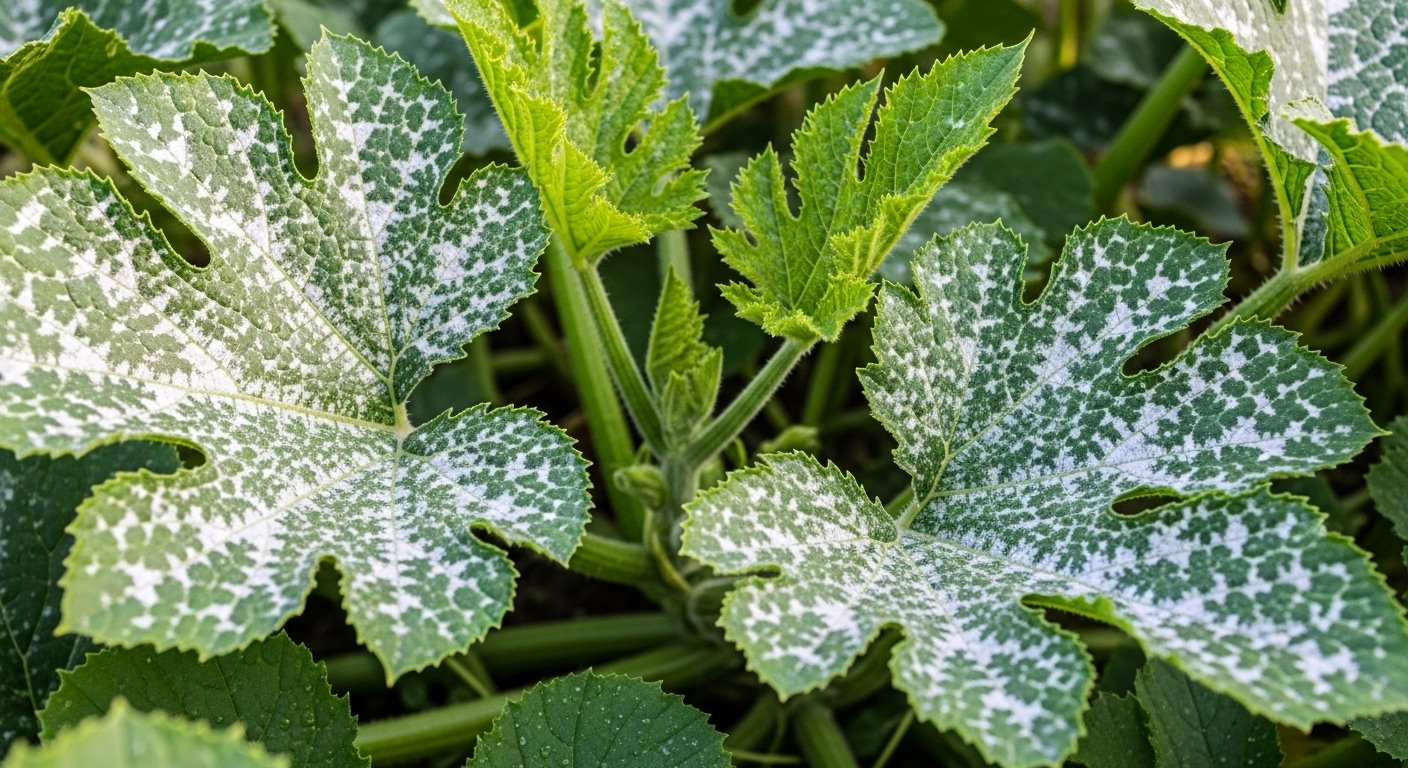
Powdery mildew on zucchini is a common—and frustrating—problem for gardeners, but understanding what powdery mildew actually is can make tackling it much easier. Powdery mildew is a fungal disease that appears as white or gray, powdery spots on the leaves, stems, and sometimes fruit of plants. The spots usually start small but can quickly spread, covering entire leaves and giving the plant a dusty or flour-coated look.
If left unchecked, powdery mildew hampers photosynthesis by blocking sunlight, causing leaves to yellow, curl, and eventually die. This weakens the plant, stunts growth, and can drastically reduce your zucchini yield.
Along with zucchini, you’ll often spot powdery mildew on other susceptible plants like squash, cucumbers, pumpkins, melons, roses, lilacs, and zinnias. Easy giveaways include white splotchy areas on upper leaf surfaces, distorted or dropping leaves, and sometimes a fuzzy coating on flower buds.
Since the fungus thrives in warm, dry weather with high humidity around leaf surfaces, it’s important to act quickly when you see early symptoms. By learning to recognize these early warning signs, you can take action before powdery mildew on zucchini spreads to the rest of your garden.
What Causes Powdery Mildew?
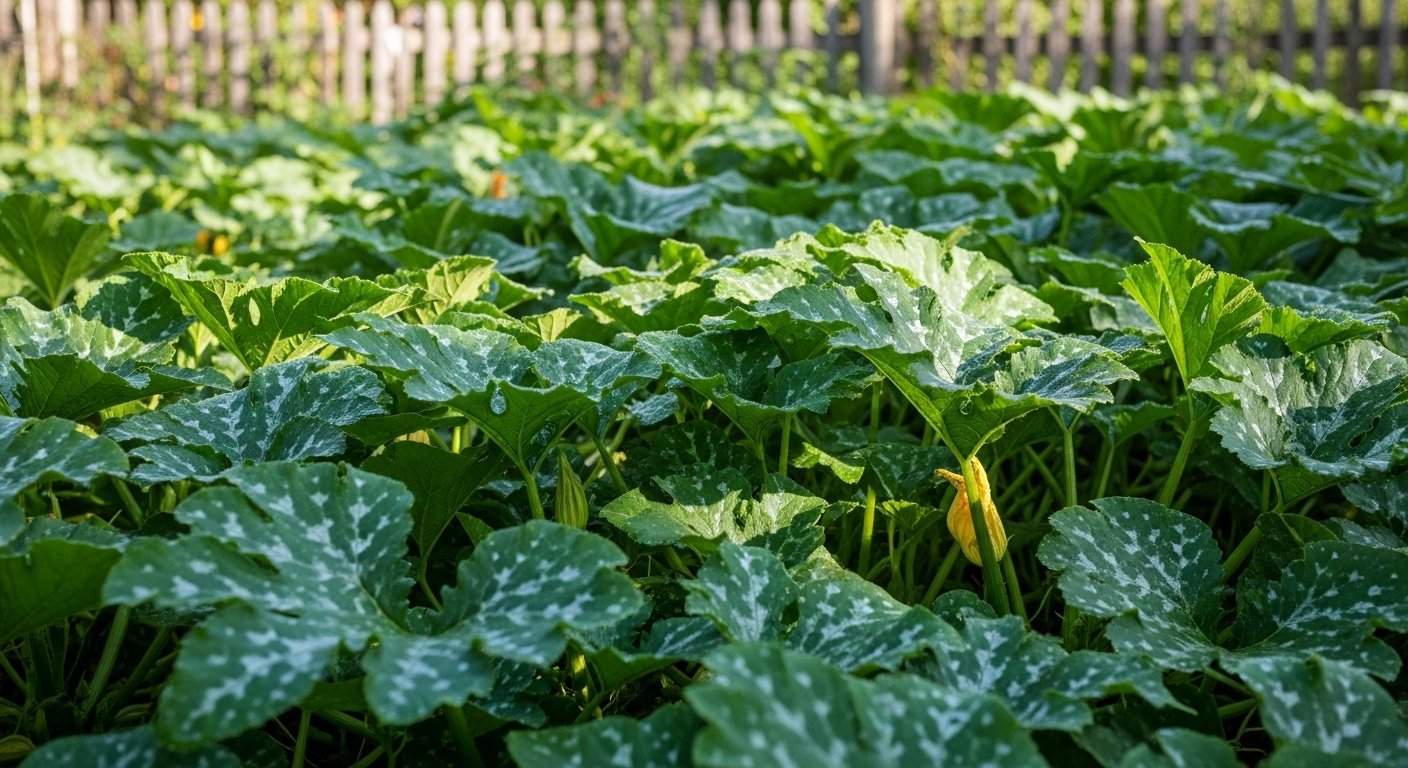
Powdery mildew thrives in environments where humidity is high but the air remains relatively still, creating the perfect storm for fungal spores to quickly multiply on plant surfaces. Poor air circulation—often caused by crowding plants too closely together or placing them against walls and fences—means moisture lingers longer on leaves, further encouraging fungal growth.
This is especially important for plants like squash and zinnias, which are particularly vulnerable when their leaves are dense and overlapping; without space for air to move freely, spores easily find places to settle. Additionally, overhead watering can leave leaf surfaces damp, especially in the evening, providing yet another opportunity for powdery mildew to take hold.
Gardeners can help prevent outbreaks by:
- Spacing plants according to their mature size recommendations
- Pruning for better airflow
- Watering at the soil level in the early morning so foliage has time to dry
If you’ve noticed white, powdery spots on your squash leaves or zinnias, it might be time to rethink your planting layout and watering habits. By reducing humidity and improving ventilation, you can make your garden much less inviting to this pesky fungus and keep your plants healthier throughout the season.
How to Prevent Powdery Mildew
Preventing powdery mildew in your garden starts with smart planting practices. Make sure to space your plants properly to allow good air circulation; overcrowded areas trap humidity, which encourages fungal growth.
Prune regularly to remove crowded branches or leaves, especially in dense plants like squash, roses, or cucumbers, so sunlight can reach all parts of the plant.
When it comes to watering, always target the soil at the base of the plant instead of wetting the leaves. Using drip irrigation or a soaker hose is especially effective. Overhead watering leaves foliage damp, creating the perfect environment for powdery mildew.
Selecting mildew-resistant varieties is also a game-changer. Many seed catalogs and nurseries list resistant strains for popular veggies and ornamentals, so a little research before planting can save headaches later.
For added protection, consider organic treatments like spraying a mix of baking soda and water (about one tablespoon per gallon) or neem oil; both can help prevent spores from taking hold. Chemical fungicides are available, but always use them as directed and opt for targeted products to minimize environmental impact.
Timing is critical, so start watching for powdery mildew when temperatures are between 60–80°F (16–27°C), especially during periods of high humidity or in shady garden areas. Check your plants’ leaves each week during spring and summer—catching the problem early is your best defense.
Integrating these practices into your routine not only helps prevent powdery mildew but also improves the overall health and yield of your garden.
Recognizing and Managing Early Symptoms
Spotting powdery mildew early makes all the difference in keeping your plants healthy and your garden thriving. Look for small, white or gray powdery spots on the tops and sometimes undersides of leaves—often these look like someone dusted the leaves with flour.
These marks usually start on new growth or lower leaves and can quickly spread if ignored. Catching this fungus in its earliest stage is vital because it multiplies fast and can move from plant to plant via wind, insects, or simple touch.
The sooner you act, the easier it is to control and avoid a larger outbreak. At the first sign, remove and dispose of affected leaves—don’t compost them, as the spores can persist. Increase air circulation around your plants by pruning crowded branches and avoid overhead watering, which creates humidity powdery mildew loves.
You might also want to spray plants with a diluted solution of baking soda or a commercial fungicide as a preventative step. Keep a close eye on your garden for new spots, checking daily if possible, so you can respond right away and keep your plants looking their best.
Treating Powdery Mildew
Treating powdery mildew effectively starts with early detection and choosing the right remedy based on your plant’s needs and the severity of the infection.
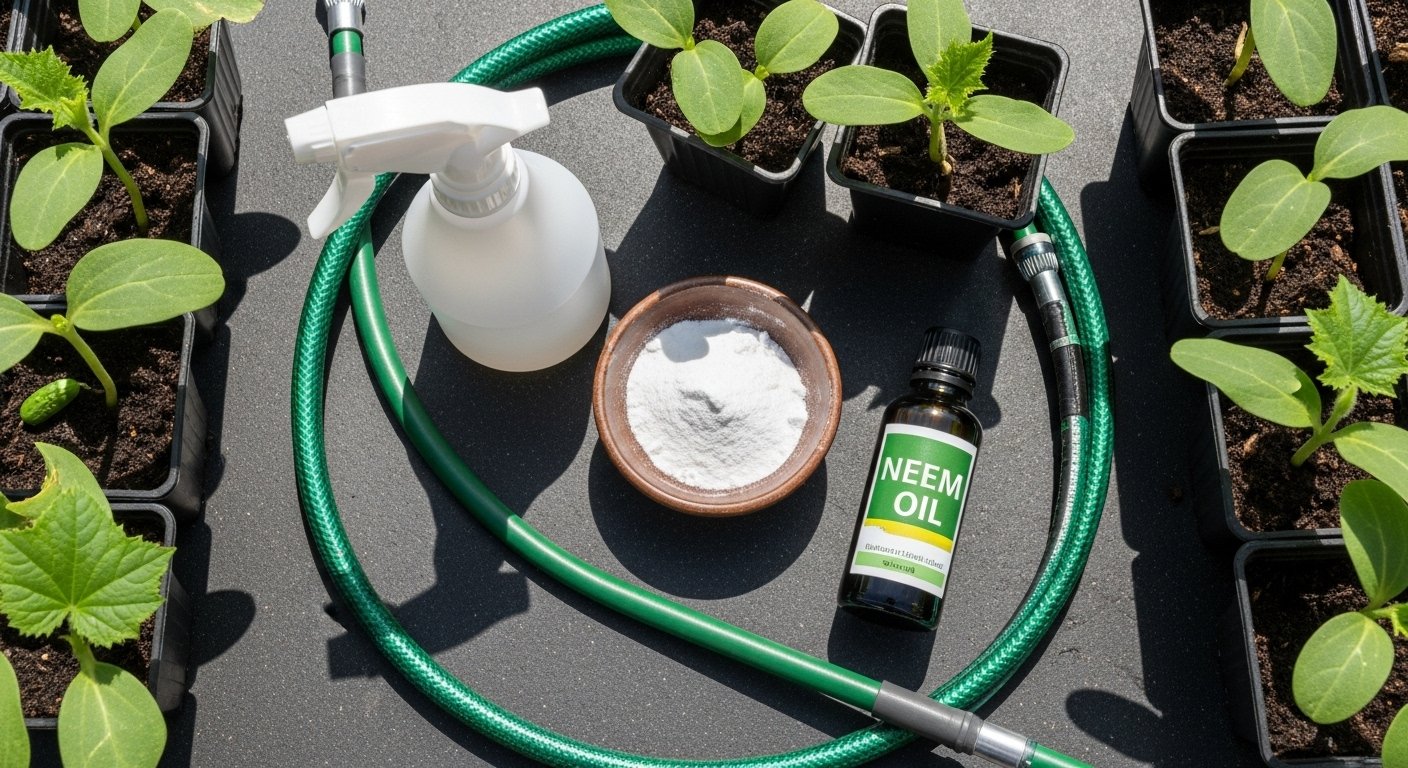
For mild outbreaks, home remedies like a baking soda spray can help create a less hospitable environment for the fungus. Mix one tablespoon of baking soda, half a teaspoon of liquid soap (not detergent), and a gallon of water. Spray the mixture evenly on affected leaves every 7–10 days.
Neem oil, another natural option, not only targets powdery mildew but also deters other pests. Apply it as directed, typically once a week, early in the morning or late afternoon to avoid leaf burn.
If home solutions aren’t enough or the infection spreads, consider organic commercial fungicides containing potassium bicarbonate or sulfur. These are effective yet gentle on most garden plants.
For severe or persistent infections—especially in fruit orchards or vegetable gardens—stronger commercial fungicides might be necessary. Make sure to follow label instructions closely for safety and effectiveness, wear gloves, and apply the product to completely coat both upper and lower leaf surfaces.
To prevent future outbreaks:
- Increase air circulation around your plants by pruning overcrowded branches.
- Avoid overhead watering; water at the base instead.
- Clear away fallen infected leaves promptly.
Regularly inspect your garden so you can act fast at the first sign of powdery residue. By combining immediate treatment with proactive care, you can keep powdery mildew at bay and help your plants thrive season after season.
Mildew-Resistant Plant Varieties
Choosing mildew-resistant plant varieties is one of the simplest ways to protect your garden from powdery mildew, a common fungal disease that affects everything from squash to zinnias.
For squash, look for varieties like ‘Success PM Straightneck’ or ‘Dunja’ zucchini, both bred specifically for mildew resistance. Zinnia lovers can try the ‘Profusion’ or ‘Zahara’ series, which have shown impressive resilience against powdery mildew, keeping blooms vibrant longer through the season. Other popular resistant options include cucumber varieties like ‘Marketmore 76’ and snapdragons such as the ‘Rocket Series’.
The benefit of planting these resistant varieties is clear: you’ll spend less time battling disease and enjoy healthier, more productive plants without heavy reliance on fungicides.
When sourcing seeds or starter plants, check catalogs and online retailers for tags like “PMR” (Powdery Mildew Resistant) or certifications from reputable breeders. Local nurseries often label resistant varieties, or you can ask staff for suggestions tailored to your region. Starting with disease-resistant selections gives your garden a strong foundation, especially in areas where powdery mildew is a recurring issue.
Frequently Asked Questions About Powdery Mildew
Powdery mildew is a common fungal disease that affects many garden plants, often appearing as a white or gray powdery coating on leaves and stems. If you’re worried about safety, rest assured that while powdery mildew isn’t typically harmful to humans or pets through casual contact, it’s best to wash your hands after touching affected plants and keep pets from chewing on infected leaves.
When it comes to eating produce with powdery mildew, most fruits and vegetables are safe to eat if you peel or thoroughly wash them. However, mild fungal residues can affect flavor and quality, so it’s best to harvest before infections spread.
Don’t confuse powdery mildew with downy mildew—downy mildew causes yellow or brown leaf spots with fuzzy growth on the undersides, whereas powdery mildew appears white and powder-like on the top of leaves.
If you’re struggling with persistent outbreaks, try these tips:
- Increase air circulation by spacing plants properly.
- Avoid overhead watering.
- Remove infected leaves as soon as you notice them.
Organic treatments like diluted milk sprays or neem oil can help control mild cases. For chronic issues, choose resistant plant varieties and rotate crops each season to reduce fungal buildup.
Prompt, consistent care is key to keeping powdery mildew at bay in your garden.