Introduction
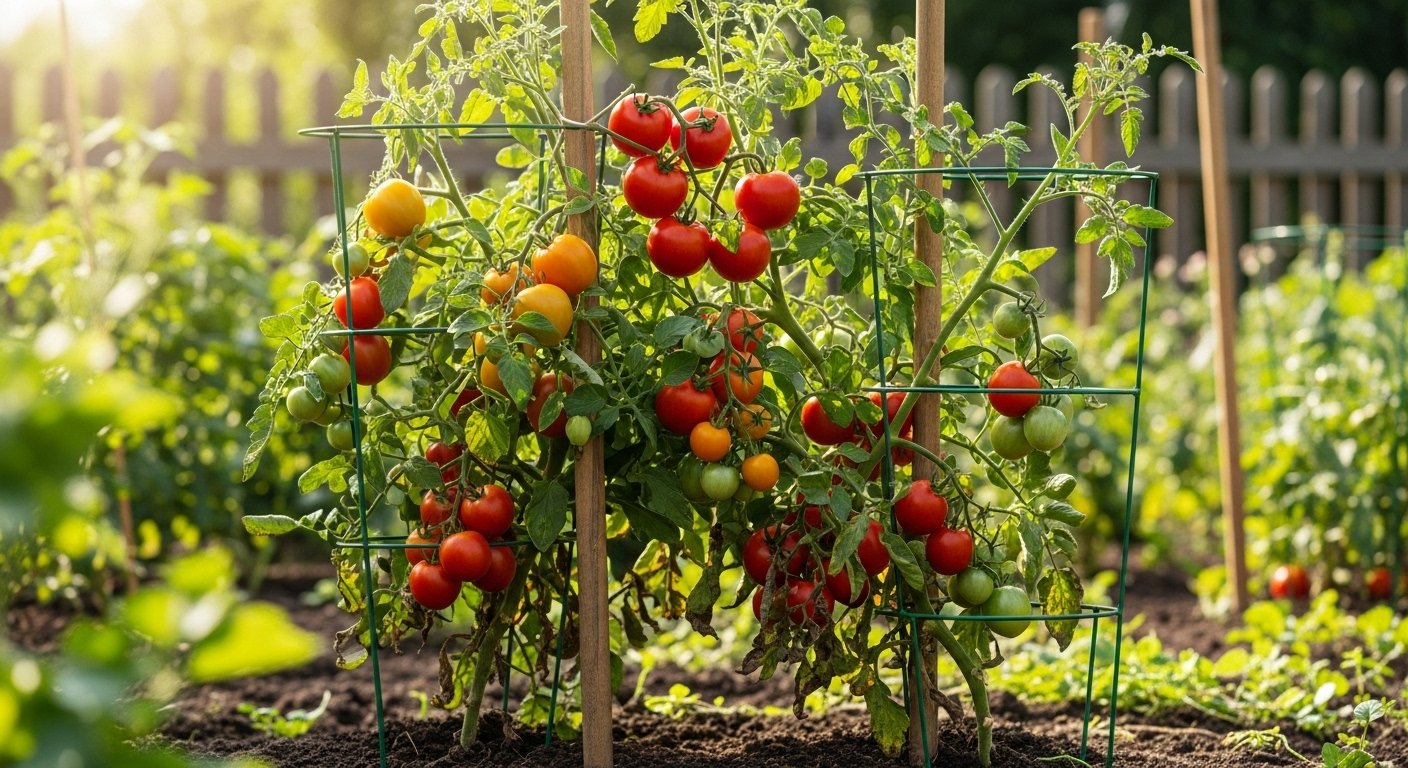
Knowing how to grow tomatoes isn’t just a rewarding gardening project—it’s your ticket to the unbeatable flavor and freshness that only homegrown produce can provide. There’s a reason tomatoes are a top choice for home gardeners everywhere. Whether you dream of slicing a sun-warmed tomato for your salad or want to impress friends with home-cooked sauce, a thriving tomato plant delivers.
Store-bought tomatoes often travel thousands of miles before landing in your kitchen, losing both taste and nutrients along the way. By growing your own, you get vine-ripened fruit packed with juiciness and flavor, plus a sense of pride and accomplishment. Tomatoes are famously productive too, sometimes yielding more fruit than you can eat or share—perfect for homemade salsas, sauces, or canning for winter.
The good news? Anyone can do it, no matter your gardening experience or available space. In this complete guide, we’ll walk you through every step—from selecting the right variety to seed starting, transplanting, staking, watering, and addressing common pests and diseases. Whether you’re a first-timer or a seasoned gardener looking for expert tips, you’ll find all you need to successfully grow a bumper crop of delicious tomatoes right at home.
Choosing the Best Location & Soil
Getting your tomato plants off to a great start begins with picking the right spot and providing the best possible soil. Tomatoes absolutely love sunlight, so choose a location that receives at least 6-8 hours of direct sun each day. Without enough light, plants grow leggy and produce fewer, less flavorful fruits.
When it comes to soil, tomatoes thrive in loose, well-draining dirt that’s rich in organic matter. Avoid heavy clay or super sandy soils. Ideally, your soil should be slightly acidic to neutral, with a pH between 6.0 and 7.0; you can easily test this with an affordable soil kit from the garden center.
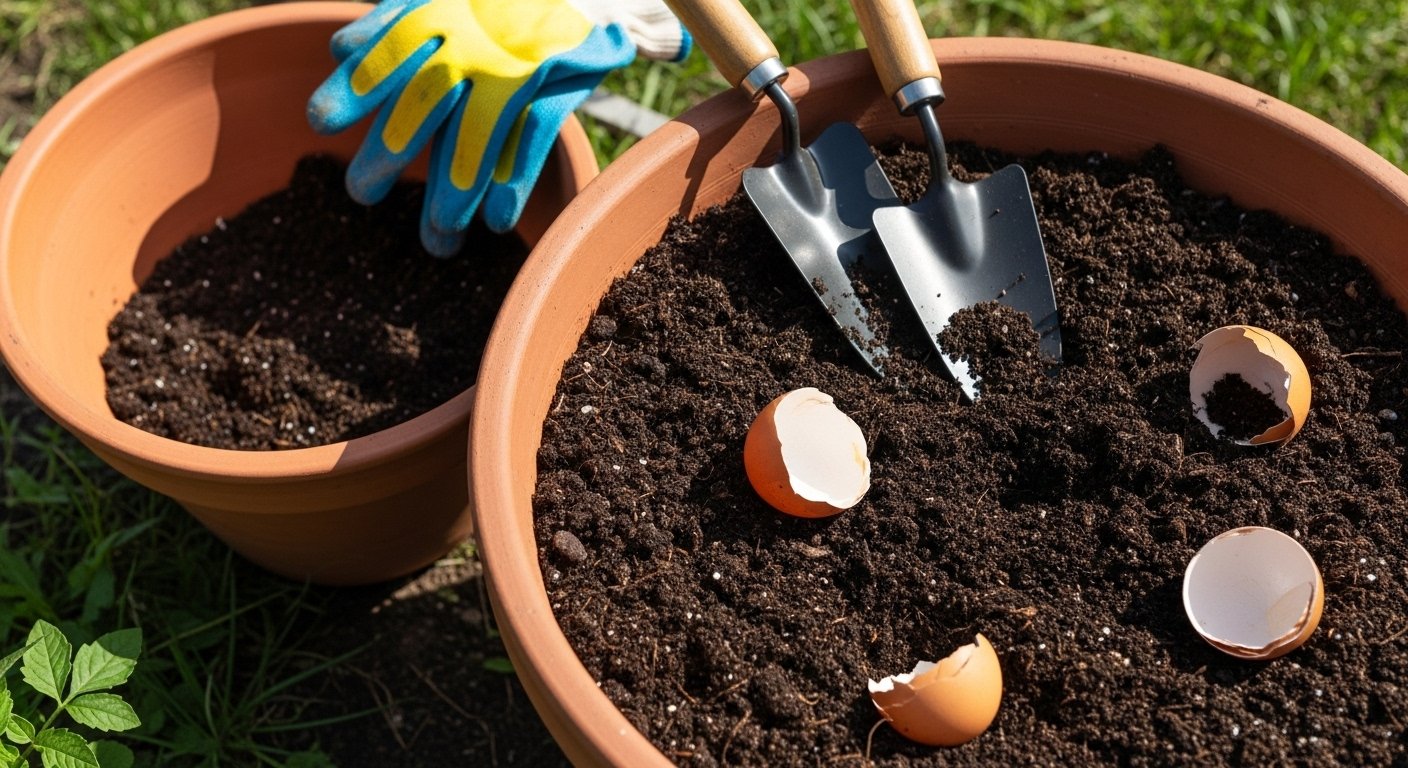
Before planting, work plenty of compost or well-rotted manure into the top 8-12 inches of soil to boost nutrients and improve texture. If you’re planting in garden beds, mound the soil a bit to promote drainage, and rotate your tomato patch each year to minimize disease.
For container growing, choose pots at least 18 inches wide and deep, and fill them with a high-quality potting mix made for vegetables. As a bonus tip, adding a handful of crushed eggshells or garden lime to the soil provides extra calcium, helping prevent blossom end rot later in the season.
By starting with the right location and well-prepared soil, you set your tomatoes up for a bountiful, healthy harvest.
Selecting Tomato Varieties
Choosing the right tomato variety for your garden can make a big difference in your harvest and meals. Start by considering growth habits:
- Determinate tomatoes, often called “bush” types, grow to a set height (usually around 3-4 feet) and produce their fruit all at once. They’re ideal if you want a big harvest for canning or sauces.
- Indeterminate varieties grow and produce fruit continuously until frost, often reaching 6 feet or more. These are perfect if you like to pick fresh tomatoes for salads over several weeks.
Next, think about heirloom versus hybrid tomatoes. Heirlooms are traditional varieties passed down through generations, prized for unique flavors, colors, and shapes—think of the rich taste of ‘Brandywine’ or the rainbow hues of ‘Cherokee Purple.’ However, they can be less disease-resistant and sometimes yield less than hybrids.
Hybrids, such as ‘Early Girl’ or ‘Big Boy,’ are bred for traits like higher yields, uniform fruit, and resistance to common tomato diseases. This makes them a practical choice for beginners or gardeners with limited space.
Climate also plays a big role:
- In cooler regions, choose early-maturing varieties like ‘Stupice’ or compact determinates.
- In warmer, longer-season areas, try late-bearing indeterminates or bigger beefsteaks.
Finally, match your tomato choice to how you want to use them:
- Plum or Roma tomatoes are perfect for thick sauces thanks to their meaty texture.
- Cherry or grape tomatoes are sweet, bite-sized options for snacking and salads.
- Classic slicers like ‘Better Boy’ stand out for sandwiches and burgers.
By understanding these differences and considering your garden space, climate, and cooking plans, you can select tomato varieties that fit both your garden and your table.
Planting & Supporting Your Tomatoes
Planting tomatoes outdoors should begin after the danger of frost has passed and nighttime temperatures consistently stay above 50°F (10°C), since cold soil can stunt growth or damage young plants. If you’re starting from seeds, sow them indoors 6-8 weeks before your last frost date, then gradually harden off the seedlings by exposing them to outdoor conditions over the course of a week before transplanting.
When planting, choose a sunny spot with well-draining soil. Dig each hole deep enough to bury the stem up to the first set of leaves, which encourages a stronger root system. For spacing, leave 18-24 inches between plants for determinate varieties, and 24-36 inches for indeterminate types, with rows spaced at least 36 inches apart. This ensures plenty of airflow—a simple but crucial step to help prevent diseases like blight.
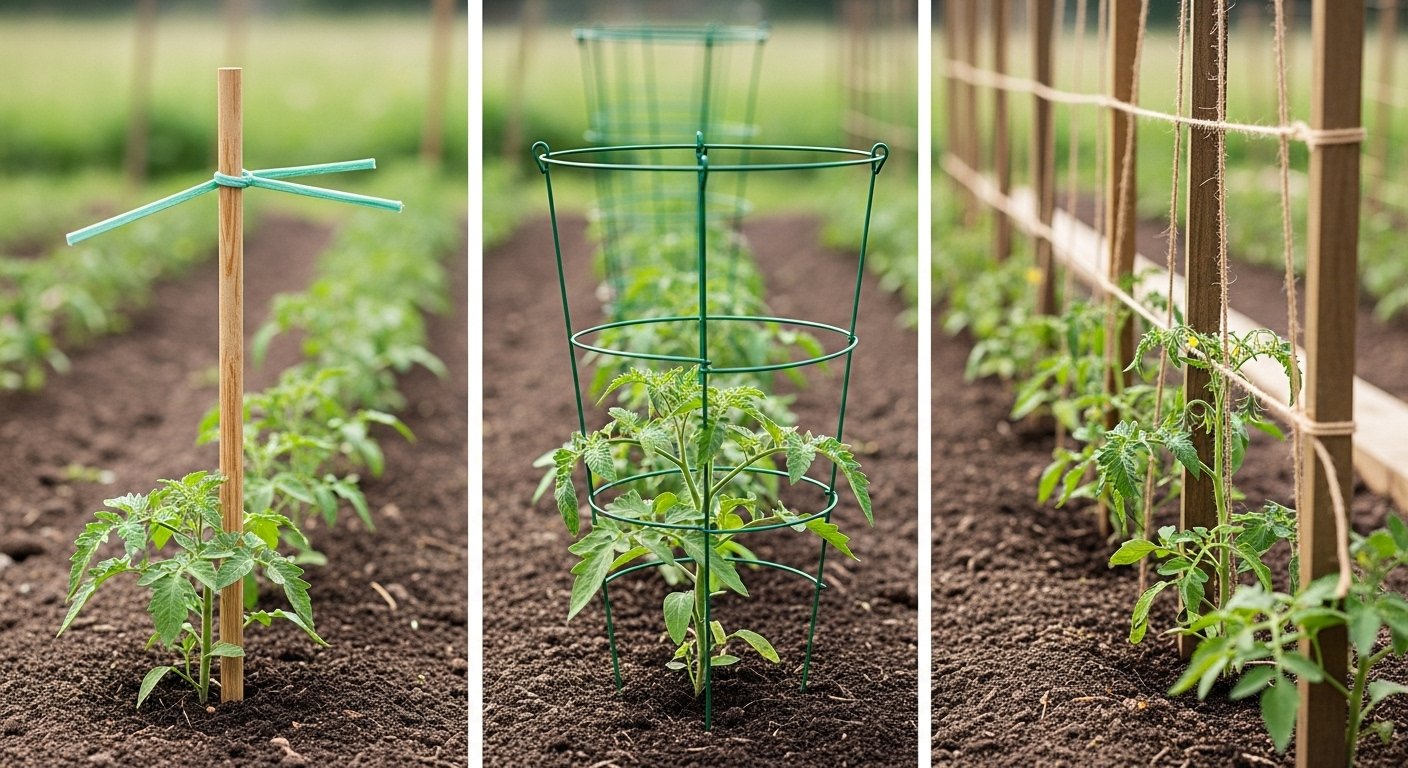
As your tomatoes grow, they’ll need support to keep the vines and fruit off the ground. Here are some popular support options:
- Staking: A budget-friendly method where you push a sturdy stake about 6 feet tall into the ground next to each plant and loosely tie the main stem as it grows.
- Tomato Cages: Great for bushy, determinate types; simply place the cage over your young plant and let it fill out the space.
- Trellising: Ideal for larger, vining indeterminate tomatoes; run strong twine or wire between posts along the row and gently tie or clip the vines as they grow upward.
Each method keeps fruit cleaner, improves sun exposure, and makes harvesting easier, while also minimizing the risk of pests and disease. Whichever support you choose, set it up soon after planting so you don’t disturb the roots later on. This will help set your tomatoes up for a healthy—and delicious—season.
Watering, Feeding, and General Care
Proper care is key to healthy, productive tomato plants, starting with watering. Aim to water deeply about 1–2 inches per week, adjusting for rainfall and heat—use a soaker hose or water at the base rather than overhead to prevent fungal issues. Early morning is best, giving leaves time to dry.
Mulching with straw, shredded leaves, or compost conserves moisture, suppresses weeds, and keeps soil temperatures stable.
For feeding, tomatoes are heavy feeders: begin with a balanced fertilizer when planting, then switch to one higher in phosphorus and potassium (like 5-10-10) once fruit sets, applying every 3–4 weeks according to label instructions. If your plants look lush but produce little fruit, cut back on nitrogen.
Pruning plays a big role too—pinch off “suckers” (the shoots in leaf axils) when they’re small, especially on indeterminate varieties, as this channels the plant’s energy into fruit production and improves air circulation, helping to prevent disease.
For plant health, space your tomatoes two feet apart to boost airflow, rotate crops each year to avoid soil-borne illnesses, and watch for signs of trouble like yellowing leaves (possibly a sign of overwatering or nutrient deficiency), brown spots (which may indicate blight), or curling leaves (sometimes from pests like aphids or heat stress). Remove affected leaves promptly and use organic sprays or insecticidal soap if needed.
With these simple habits, you’ll encourage a robust, fruitful crop and nip common tomato woes in the bud.
Harvesting & Enjoying Your Tomatoes
To get the best flavor from your tomatoes, harvest them when they’re fully colored but still firm to the touch. Sun-ripened fruit picked at its peak will always taste better than store-bought alternatives. For most varieties, that means picking once the tomato has reached its mature color (deep red, yellow, or even purple, depending on the type) and yields just slightly when you press it.
Use a gentle twisting motion or garden shears to avoid damaging the plant or bruising the fruit. After picking, store unwashed tomatoes at room temperature, away from direct sunlight—refrigeration can dull their flavor and make the texture mealy. If you have more than you can use right away, lay them in a single layer, stem side up, in a box lined with newspaper or paper towels.
When it comes time to enjoy your harvest, keep it simple to highlight their fresh taste:
- Slice tomatoes for sandwiches and salads
- Drizzle with olive oil and sprinkle with salt as a stand-alone snack
- Layer thick slices with mozzarella and fresh basil for a classic Caprese
- Top warm toast with diced tomato, garlic, and a sprinkle of sea salt for a quick burst of flavor
Homegrown tomatoes also shine in homemade salsas, simple pasta sauces, or just eaten straight off the vine. Remember—fresh-picked tomatoes need little more than a dash of seasoning to steal the show in any meal.
Troubleshooting Common Tomato Problems
Growing tomatoes can be highly rewarding, but even the hardiest plants sometimes fall victim to common problems like pests and diseases. One frequent issue is blight, marked by dark spots and yellowing leaves—usually thriving in cool, wet conditions.
To help prevent blight, water tomato plants at the soil level instead of overhead, give them plenty of space for air circulation, and mulch around the base to minimize soil splashing.
Blossom-end rot, another headache for gardeners, appears as sunken, dark spots on the bottom of the fruit and is often caused by inconsistent watering or a lack of calcium in the soil. Keep your soil moisture steady and test it if needed; crushed eggshells or bone meal can add calcium organically.
Pests like aphids, whiteflies, and hornworms can weaken tomato plants, so inspect leaves regularly and try spraying them with a homemade soap solution or releasing beneficial insects like ladybugs.
For both pests and diseases, crop rotation is a smart prevention strategy: avoid planting tomatoes or their relatives (peppers, eggplant, potatoes) in the same spot each year, which breaks the cycle of soil-borne troublemakers.
Whenever you spot seriously affected plants, remove them promptly and dispose of the debris far away from your garden—this limits the spread of infection.
Applying compost and keeping a tidy, weed-free bed will also support overall plant health, making tomatoes less likely to succumb to common threats.
By taking these straightforward, organic steps, you’ll give your tomatoes the best chance of making it from garden to table, unscathed and delicious.
Conclusion & Final Tips
Growing robust, healthy tomatoes starts with choosing the right variety for your climate, prepping rich soil, and giving plants plenty of sunlight and water. Regularly prune and stake your tomatoes to boost air circulation and prevent disease, and keep an eye out for pests or signs of trouble.
Don’t be discouraged if your first harvest isn’t picture perfect—gardening is as much about learning as it is about growing. Try experimenting with different planting techniques or exploring unique heirloom tomato varieties to see what thrives in your garden. Patience pays off, especially as every growing season brings new challenges and rewards.
If you run into issues, local gardening groups or online forums can offer great advice. We’d love to hear from you—share your own tomato-growing stories, ask questions, or leave tips for fellow readers in the comments below. Whether your goal is juicy slicers for summer salads or cherry tomatoes straight from the vine, there’s always more to discover in the world of tomato gardening!