Introduction
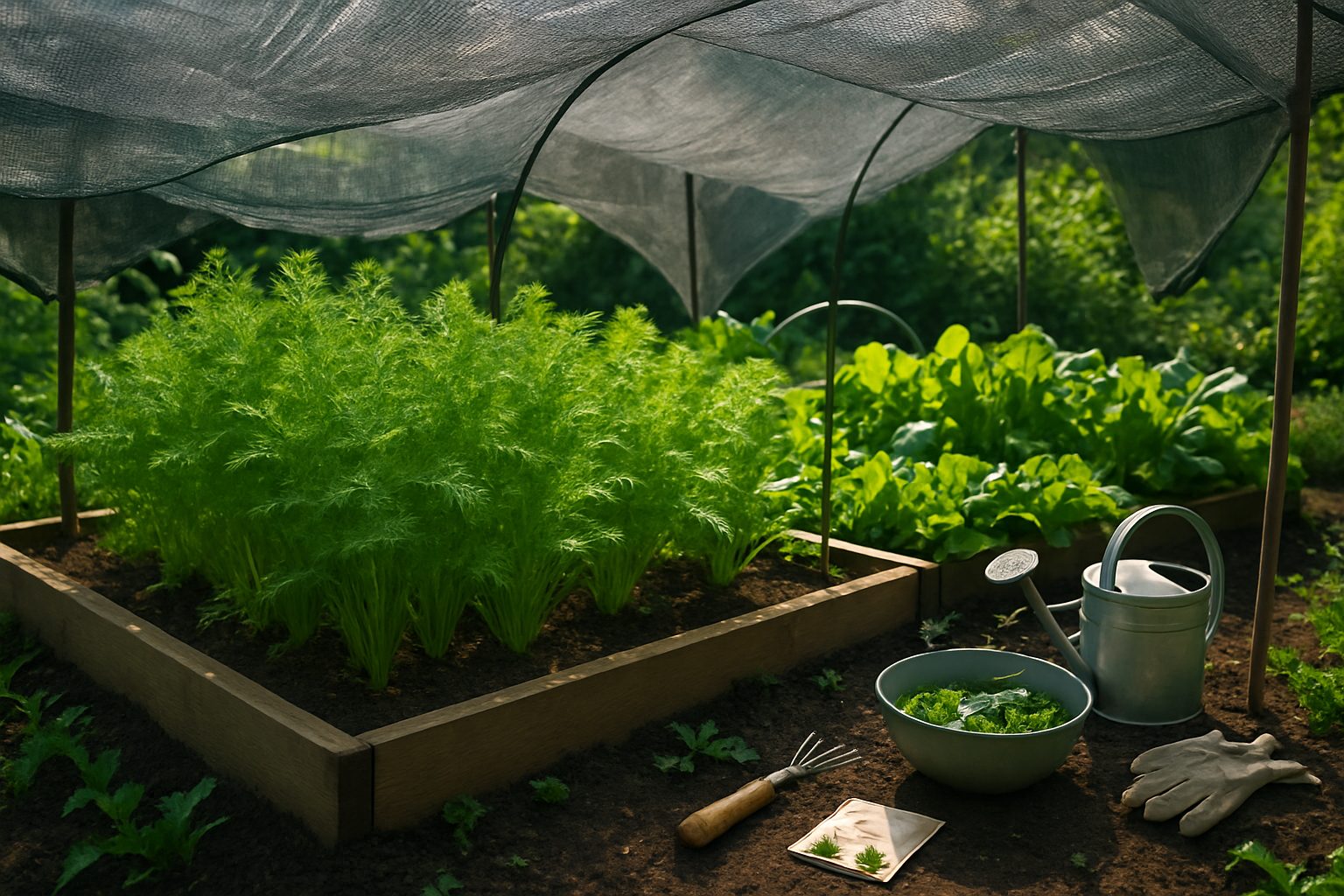
If you’re growing carrots in a sun-soaked garden, you’ve probably wondered if using shade cloth for carrots could make a real difference. As summer temperatures climb, even the hardiest carrot patches can struggle—heat stress and sunscald often turn tender tops yellow or stunt the crunchy roots. Shade cloth acts as a simple, effective solution, creating a microclimate that shields your vegetables from the harshest rays, reduces water loss, and prevents the soil from drying out too quickly.
Many gardeners in hot climates swear by this approach, finding it especially useful during heatwaves or when planting delicate seedlings that need a gentle start. In this guide, we’ll unpack why shade cloth for carrots can be a game changer, walk you through the best types of fabric and installation methods, and share expert tips on caring for heat-sensitive crops.
Whether you’re new to shade cloth or curious about boosting your carrot yields, you’ll find practical, research-backed advice and real-world examples to help you protect your harvest, no matter how scorching your summer gets.
How Shade Cloth Works in a Vegetable Garden

Shade cloth is a flexible, lightweight fabric that gardeners use to protect delicate vegetables from harsh sun, especially during hot summer months. Its main purpose is to filter sunlight, reducing the intensity that reaches your plants. This helps prevent leaf scorch, wilting, and heat stress—a real lifesaver for crops like lettuce, spinach, or tomatoes that can struggle in full, blazing sun.
Shade cloth comes in several materials, with polyethylene being the most common due to its durability and weather resistance. You can choose between woven and knitted fabrics:
- Woven cloth: Strong and lasts several seasons, making it ideal for fixed installations.
- Knitted shade cloth: More flexible, resists tearing, and is easier to drape or move—perfect for gardeners who want something lightweight and reusable.
One of the best features of shade cloth is its permeability; the tiny gaps between fibers allow a steady flow of air and rainwater to reach your crops, preventing overheating and promoting healthy growth. Plus, while it blocks out a certain percentage of the sun’s rays (available in varying densities like 30%, 50%, or 70%), it still lets in enough light for photosynthesis, ensuring your vegetables continue to thrive rather than merely survive.
Gardeners often attach shade cloth to hoops or frames above raised beds, or even use it as a temporary cover for seedlings. If you notice your plants’ leaves looking scorched or droopy under the summer sun, installing a layer of shade cloth can make a dramatic difference, keeping your vegetable garden happy, cooler, and more productive through even the hottest days.
Key Factors When Choosing Shade Cloth
When selecting shade cloth for your garden, there are a few essential factors to keep in mind to ensure your plants thrive.
First, consider the shade percentage—this refers to how much sunlight the cloth blocks. For most vegetables, a 30-50% shade cloth is ideal, offering enough protection without stunting growth. Delicate leafy greens like lettuce and spinach benefit from 50-60% shade, while fruiting vegetables such as tomatoes, peppers, and squash usually perform best with lighter coverage around 30-40%.
UV protection is equally important; look for shade cloth labeled as UV-stabilized, as this will last longer in the sun and provide better protection against plant stress.
Good airflow is another key criterion to prevent heat buildup and fungal diseases. Choose cloth with a loose weave that balances coverage and ventilation.
When installing shade cloth, secure it tightly above the plants—using poles, wire hoops, or frames can create a tent-like structure. Make sure not to lay it directly on the crops, as this can trap moisture and encourage mold.
One common mistake is choosing a cloth with an overly high shade percentage, which can limit photosynthesis and stunt vegetable growth. Be sure to match the shade level to your plant’s specific needs.
Another pitfall is neglecting to anchor the cloth securely, leading to damage from wind or sagging over time.
By carefully considering shade percentage, UV rating, and proper installation methods, you’ll create a more resilient and productive vegetable garden.
Black vs. White Shade Cloth: Which is Better?
Choosing between black and white shade cloth is about more than just personal preference—it’s about how the material performs in your garden or greenhouse.
Black shade cloth is a common choice because it effectively absorbs sunlight, reducing the amount of light and heat that reaches your plants. This makes it ideal for protecting crops from intense sun and heat stress, especially in hot, sunny climates. For example, gardeners in Arizona often use black cloth to shield delicate greens from scorching afternoon rays. However, because black cloth traps more heat, it can make covered areas warmer, which may not suit all plants.
In contrast, white shade cloth reflects sunlight, diffusing it more evenly and keeping the temperature underneath cooler. This cooler environment can be a game-changer for crops like lettuce or spinach that thrive in moderate conditions, or for starting seedlings in areas with high ambient temperatures. While white cloth allows more ambient light, it may not protect as well against harsh sunlight, making it better suited for cooler climates or for crops needing plenty of diffused light without the risk of overheating.
In general, consider the following:
- Choose black shade cloth if your goal is to block intense sunlight and raise temperatures, such as for heat-loving crops or in very sunny regions.
- Opt for white shade cloth if you need to protect from sunburn while keeping things cool, especially for tender or shade-loving plants, or when starting young plants in a greenhouse.
Ultimately, the best choice depends on your local climate and the specific needs of the crops you’re growing—don’t be afraid to experiment or combine both for optimal results.
Picking the Right Shade Percentage for Vegetables
Choosing the right shade percentage for your vegetable garden can make a noticeable difference in how well your plants grow, especially during hot summers or in sunny climates. Shade cloths commonly come in 30%, 50%, and 70% densities, each serving a unique purpose.
A 30% shade cloth is light and works well for sun-loving crops like tomatoes and peppers—these plants need lots of sunlight to fruit well but can benefit from a slight reduction during midday heat. For example, using 30% shade in the hottest part of the day can prevent blossom drop or sunscald on tomatoes.
Lettuce and other leafy greens, however, prefer cooler conditions and are more prone to wilting and bitterness if overheated. Here, a 50% shade cloth can provide the right balance, helping lettuce stay crisp and slow to bolt when temperatures rise. Plants like spinach, arugula, and cilantro also thrive under 50% shade, especially in late spring and summer.
Heavier shading, such as 70%, is mainly reserved for very delicate seedlings or in extremely hot environments where even shade-loving crops need respite. However, more is not always better: too much shade can slow photosynthesis, causing spindly growth, pale leaves, and decreased yields in fruiting plants.
On the flip side, too little shade leaves sensitive crops vulnerable to leaf burn, early bolting, or stress, which can result in poor flavor and smaller harvests. The key is to match your shade cloth to both your crop’s natural sunlight preference and your local conditions. For example, in a temperate climate, you might only need 30% shade, but in deserts or southern gardens, 50% could be essential for lettuces, herbs, or seedlings.
Always monitor how your plants respond—if you notice leggy growth or a lack of flowering, try decreasing the shade, but if leaves look scorched or plants wilt easily, a heavier cloth may help. Adjusting shade in response to both the weather and your crops’ feedback helps ensure strong, healthy vegetables all season long.
Shade Cloth Alternatives and Advanced Options
While traditional shade cloth is a staple in many gardens for shielding plants from intense sun, emerging alternatives like aluminum netting are gaining attention for their unique advantages. Aluminum netting reflects sunlight rather than simply blocking it, which helps lower the temperature underneath and offers better heat reduction—ideal for areas with extreme heat waves.
It’s also highly durable, resists tearing, and does not degrade from UV exposure as quickly as standard polyester or polyethylene shade cloth, saving gardeners money and effort on replacements. However, aluminum netting typically costs more upfront and can be harder to install due to its rigidity, making it less accessible for beginners or those on a tight budget. Additionally, its highly reflective nature isn’t suitable for all plants; sun-sensitive species might benefit, but shade-loving varieties could receive too much indirect light.
Other alternatives, such as knitted mesh tarps or UV-stabilized fabric panels, offer varying degrees of light filtration and durability but may lack the specific cooling properties of aluminum.
Choosing the Right Shade Solution
Gardeners should consider these advanced options for high-value or heat-sensitive crops, greenhouses in extremely hot regions, or situations where long-term durability outweighs initial cost. Conversely, traditional shade cloth remains a flexible, cost-effective solution for everyday gardening and seasonal setups, especially for hobbyists or those renting their space.
Ultimately, the best choice depends on your climate, budget, and long-term gardening plans—always assess how much sun protection your plants need before investing in new materials.
Real-World Tips: Installation and Usage for Best Results
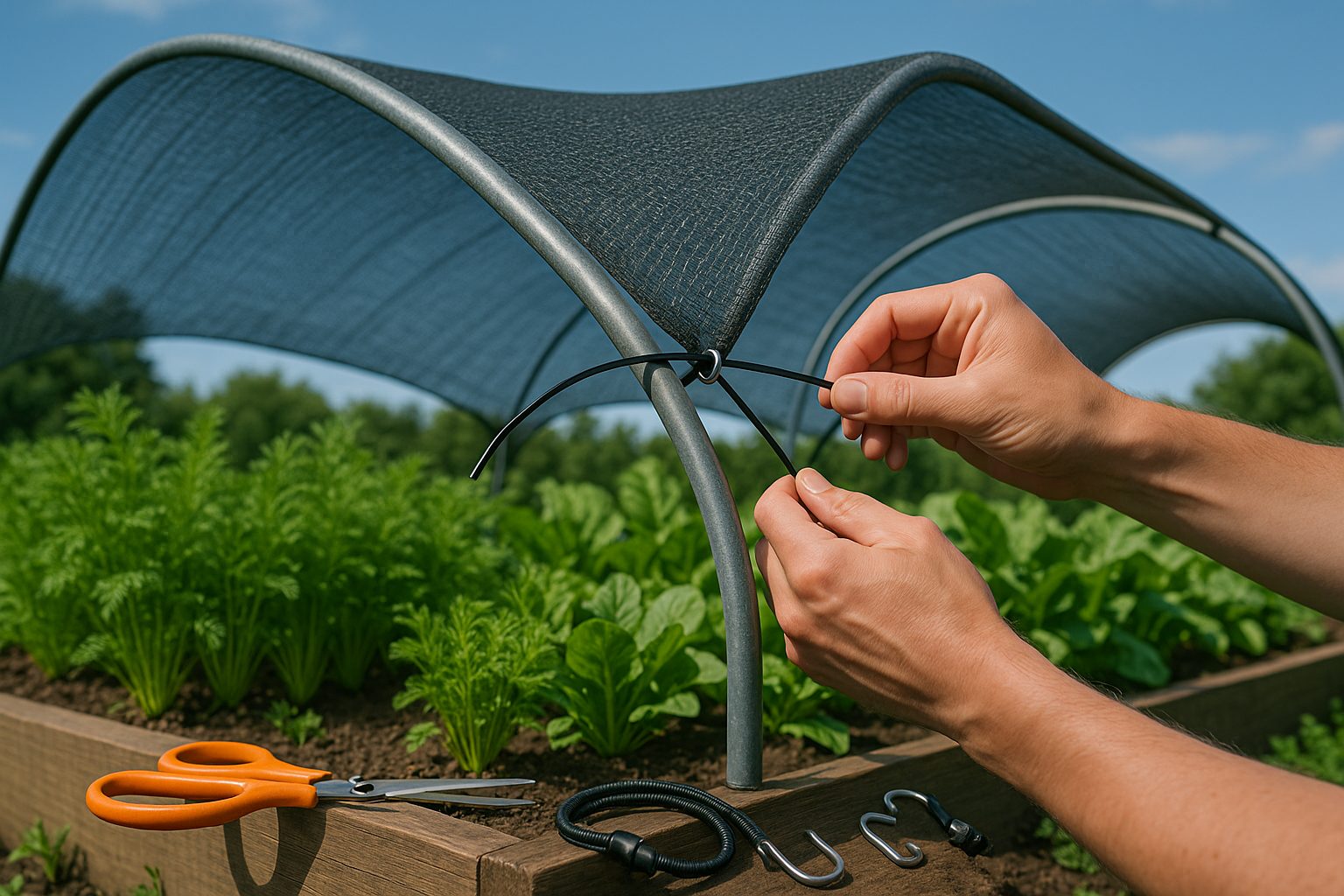
Installing shade cloth effectively starts with measuring your space and choosing the right density for your plants or patio—lighter fabrics (30-50%) are best for delicate flowers and veggies, while heavier ones (70-90%) suit intense summer sun.
Mount shade cloth above your area rather than directly on plants to allow for airflow, using sturdy fixings like UV-resistant cable ties, bungee cords, or snap hooks attached to posts, fences, or pergolas. For areas prone to wind, add extra tie-downs along the edges to prevent flapping or tearing.
Seasonal adjustment is key; in spring, you might want less coverage to let in more light, gradually increasing the shading as summer intensifies. Removable fasteners, such as hook-and-loop tape or simple hooks, make it easy to reposition or temporarily remove your cloth as needed for cleaning or weather changes.
If you notice sagging, tighten the fabric and check that supports haven’t shifted—proper tautness ensures rainwater runs off rather than pooling and stretching the fabric.
Regular maintenance goes a long way:
- Hose off dust and pollen every few weeks.
- Check for rips or frayed seams, patching small holes promptly with weatherproof tape to extend the cloth’s life.
- If mildew forms, gently scrub with diluted mild soap and always let the fabric dry thoroughly before reinstalling.
Finally, at the end of the season, take down the cloth, roll or fold it loosely, and store it in a cool, dry place to prevent UV or moisture damage during winter. By following these simple tips, you’ll keep your shade cloth in top shape and ensure your garden or outdoor space stays comfortable all season.
Conclusion
Choosing the right shade cloth for your vegetable garden can make a big difference in the health and productivity of your plants. Proper shade cloth helps shield vegetables from harsh sun, reduces water loss, and protects against extreme temperatures—all of which contribute to better growth and higher yields.
For example, leafy greens thrive with 30–50% shade cloth in hot climates, while fruiting vegetables like tomatoes may need less coverage. It’s important to evaluate your garden’s unique conditions—such as location, sun exposure, and the specific needs of your crops—before investing in shade cloth.
Take time to observe your vegetables throughout the day and consider their sensitivity to heat and light. By experimenting with different shade percentages and monitoring plant health, you’ll discover what works best for your space. Staying curious and willing to adjust your approach is key to gardening success.
If you’re new to using shade cloth, don’t hesitate to keep learning—browse expert blogs, join local gardening groups, or try small-scale tests in your own beds. A tailored shading strategy not only protects your vegetables but can also lead to bigger harvests and less stress for both you and your plants.