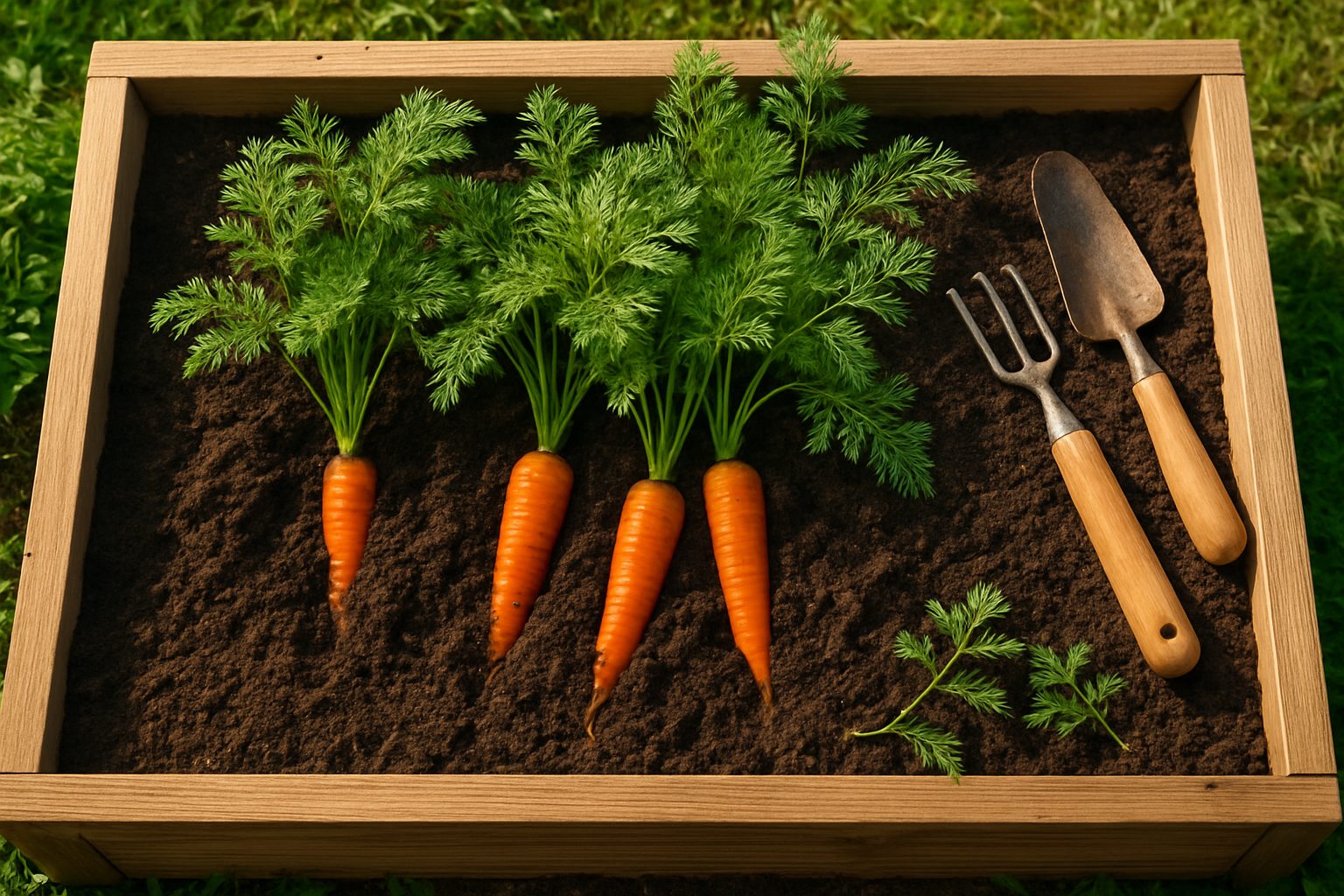
Why Grow Carrots in Raised Beds?
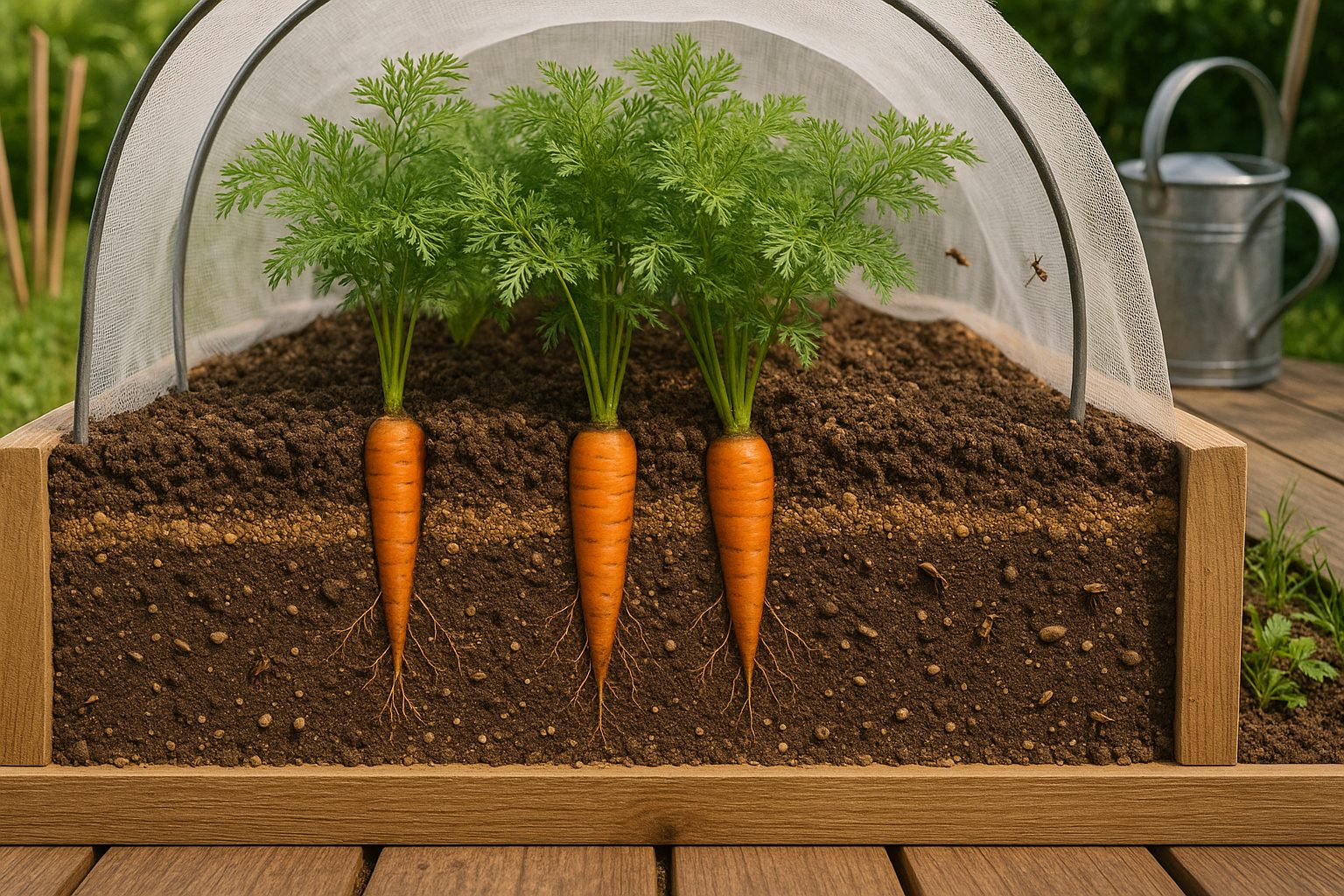
Growing carrots in raised beds can completely transform your vegetable gardening experience, especially if you’ve struggled with stunted or misshapen carrots in the past. Carrots in raised beds benefit from loose, well-draining soil that you can tailor every season—no more battling heavy clay or compacted ground that twists or stunts your roots. By controlling the soil mixture, you create the perfect fluffy environment that allows carrot roots to grow long and straight, boosting your harvest quality and consistency. Drainage is another win: raised beds shed excess moisture efficiently, preventing waterlogged soil—a common culprit behind rot and forked carrot shapes.
Raised beds also offer a practical solution to age-old carrot problems. For example, their elevation makes them less susceptible to invasions from ground-dwelling pests like carrot flies, whose larvae often target roots in open ground. The well-defined bed boundaries also make it easier to use row covers or fine mesh, creating an even more secure barrier for your crop. You’ll also find that weeds are far less of an issue in raised beds, letting your carrots thrive without competition for nutrients.
Limited on space? Raised beds let you maximize every square foot. You can plant carrots more intensively, as the improved soil allows for closer spacing without sacrificing growth. This method is ideal for those with small yards or urban gardens—simply build or buy a compact bed, fill it with the ideal carrot soil mix, and enjoy a surprisingly productive harvest right outside your door. Whether you’re a new gardener or an old pro, starting carrots in raised beds is a smart, efficient way to ensure healthy, delicious roots all season long.
Choosing the Best Location & Sun Conditions
Getting the location right is vital if you want your carrots to thrive—these root veggies need full sun, which means at least 6 to 8 hours of direct sunlight each day. Sunlight not only fuels leafy, healthy plants, but it also boosts root development and intensifies that signature sweet flavor.
When choosing a spot for your carrots, look for areas that won’t be shaded by trees, fences, or buildings during key daylight hours. Raised beds are an excellent choice here because you have more control over placement—simply situate your bed where you know the sun hits strongest. Plus, raised beds provide naturally superior drainage compared to regular ground soil, which is important since carrots don’t tolerate soggy roots.
Another bonus is that the soil in a raised bed warms up faster in spring, speeding up germination and allowing for an earlier start in the growing season. The elevated structure also creates a barrier that can help suppress weeds, meaning your carrots have less competition for nutrients and water.
For best results, align your raised bed north to south to maximize sun exposure throughout the day, and make sure it’s not in the path of water runoff to avoid accidental flooding. With these tips, you’ll set your carrots up for the healthiest growth and best flavor possible.
Preparing Ideal Soil for Carrots in Raised Beds
Creating the perfect soil for carrots in raised beds starts with selecting a loose, sandy loam that’s free of stones and clumps—anything that might cause those roots to fork or become misshapen. Carrots thrive in well-drained soil with a neutral to slightly acidic pH between 6.0 and 6.8, so it’s worth testing before you plant.
If your native soil is on the heavier side, mix in plenty of coarse sand and well-rotted compost to boost both drainage and organic matter. This not only gives the growing roots room to expand but also encourages the deep, straight growth needed for healthy carrots.
Raised beds should be at least 12 to 18 inches deep; the deeper depth is ideal if you’re planting longer varieties. For shorter or rounder carrot types, you can get away with the lower end of that range.
As you prep your beds, remove any rocks or debris that could block root growth, and skip high-nitrogen fertilizers—these encourage lush tops but can result in stunted roots. Instead, opt for a balanced organic fertilizer or side-dress with compost midseason to gently feed your crops.
Real-world gardeners often sift their soil with a mesh screen or rake before planting to catch any remaining pebbles. By focusing on these simple adjustments, you’ll be setting your carrots up for strong, sweet roots and a bountiful harvest.
Sowing & Spacing: How and When to Plant
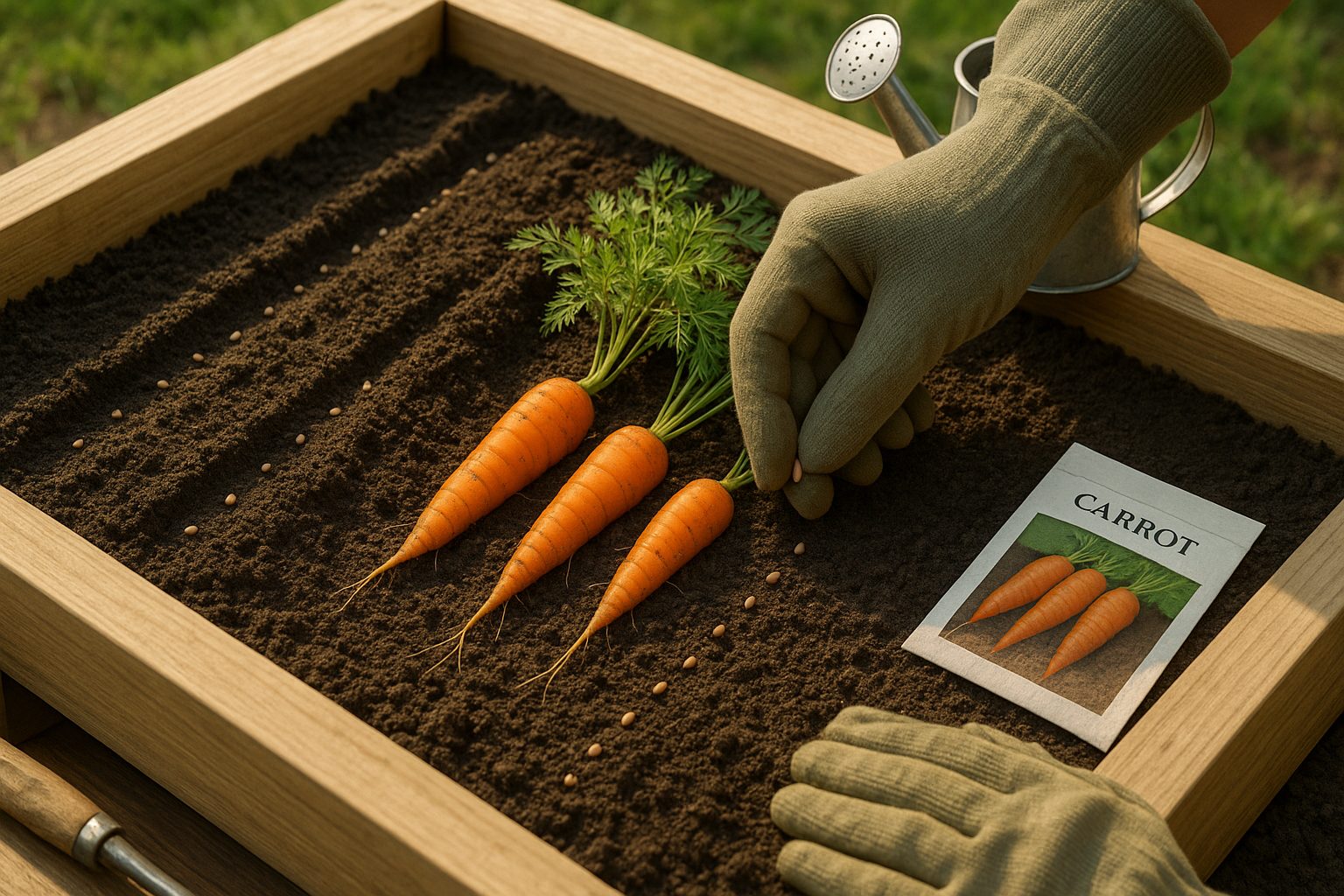
Getting the timing right for your sowing and spacing is key to healthy crops, especially if you want tasty, straight roots and a bountiful harvest. For most temperate climate zones, early spring—just as the soil can be worked—is an ideal time for sowing seeds like carrots, beets, or radishes. These crops can also be sown in late summer for a fall harvest, typically about 8-10 weeks before your first expected frost.
Before sowing, loosen the soil to at least 12 inches deep to help long roots grow straight and true. When planting, follow the packet’s advice for seed depth—most root veggies like to be sown about 1/4 to 1/2 inch deep. Space seeds according to their mature size:
- Carrots: 1-2 inches between seeds
- Beets: 2-3 inches apart
- Radishes: 1 inch apart
Overcrowding leads to twisted or stunted roots, so if you seed thickly, thin seedlings as soon as they have two sets of leaves. Don’t skip this step—it might seem harsh, but thinning is crucial for straight, market-worthy roots.
Consistent soil moisture helps seeds germinate evenly, so water gently and regularly to avoid drying out the top inch of soil. In unpredictable spring weather or in areas prone to pests, row covers can help keep soil warm, moist, and safe from hungry critters until seedlings are established.
Using these practical tips—proper timing, careful seeding, and good aftercare—you’ll set yourself up for a productive, stress-free growing season.
Carrot Varieties Suited for Raised Beds
When growing carrots in raised beds, choosing the right variety can make all the difference in your harvest. Nantes carrots are a top pick for raised beds because of their cylindrical shape and blunt ends, which thrive in the loose, well-drained soil typically found in these setups. They’re known for their crisp texture and sweet flavor—perfect for fresh snacking.
If your raised bed is on the shallower side (less than 12 inches deep), try Chantenay carrots. These grow shorter and stubbier with broad shoulders, making them less likely to hit the bottom of the bed and fork.
Danvers varieties, with their classic tapered shapes and rich orange color, are great all-purpose carrots. They tolerate heavier soils but produce best in the fine-textured soil of raised beds.
Gardeners short on space or seeking fast results often choose mini or ball-type carrots like ‘Paris Market’ or ‘Thumbelina.’ These small, round carrots mature quickly—sometimes in as little as 55 to 60 days—allowing for multiple harvests throughout the growing season.
When selecting carrot varieties, consider your bed’s depth:
- Deep beds (12+ inches) allow for longer types like Nantes or Danvers.
- Shallower beds cater to Chantenay and mini carrots.
For color variety, try rainbow mixes, purple ‘Cosmic Purple,’ or yellow ‘Solar Yellow’ carrots. These not only brighten up your garden but can also offer subtle differences in sweetness. For example, some purple carrots contain extra antioxidants and have earthier notes, while orange Nantes types tend to be the sweetest.
To make your raised bed carrot crop even more enjoyable, experiment with a few different varieties to find the flavor and color that delights your palate and best suits your garden setup.
Caring for Carrots: Watering, Feeding, and Maintenance
Carrots thrive when their care is consistent and tailored to their needs. Start with watering: carrots prefer soil that’s evenly moist but not soggy. Check the soil frequently and water when the top inch feels dry. Too much water can lead to rot, while too little can cause the roots to split.
Mulching is a gardener’s secret weapon—a thin layer of straw, grass clippings, or compost helps retain moisture and keeps soil temperatures stable, reducing how often you need to water.
When it comes to feeding your carrots, focus on nutrients that build strong roots. Phosphorus is vital because it promotes healthy root development, so choose a balanced fertilizer or one labeled for root crops. Avoid fertilizers high in nitrogen, as these encourage leafy tops instead of fat, sweet carrots.
Apply your chosen fertilizer a couple of weeks after your seedlings have sprouted, then repeat once or twice during the growing season—just be sure not to overdo it, as carrots are sensitive to excess nutrients.
Keeping beds weed-free is another key to success; weeds compete for moisture and nutrients, so a quick hand-pulling session once a week goes a long way.
Be on the lookout for the carrot fly, a common pest whose larvae can damage roots. Raised beds offer some protection, especially if you install fine mesh netting about 18 inches high around your carrot patch—carrot flies tend to fly low and struggle to get over barriers.
Rotate your beds each year to prevent pest buildup, and avoid thinning or harvesting when the air is still, as bruised carrot tops can attract carrot flies.
With these simple watering, feeding, and maintenance steps, your carrots will have the best chance for a healthy, flavorful harvest.
Harvesting & Storing Your Homegrown Carrots
Knowing when to harvest your homegrown carrots can make all the difference in flavor and storage longevity. Typically, carrots are ready to pick about 60 to 80 days after sowing in raised beds, but instead of just relying on the calendar, look for visual cues:
- Mature carrots often reveal their shoulders—about 1/2 to 3/4 inch in diameter—poking slightly above the soil.
- Rich orange color is a good sign, though some varieties may be red, purple, or yellow.
- Foliage is equally telling; when the leafy tops start to droop or yellow a bit, it’s a hint that your carrots are mature.
For a gentle harvest, water the bed lightly beforehand to soften the soil, then use a hand fork or trowel to loosen the earth around each carrot. Grasp the tops close to the root and wiggle as you pull to avoid breaking or bruising.
If you enjoy fresh carrots throughout the season, try succession sowing—plant small batches every 2-3 weeks—so you’ll always have a new crop maturing.
For storage, carrots can stay in the ground, protected by mulch, until a hard freeze. Alternatively, remove the leafy tops (these sap moisture from the roots), gently brush off excess soil, and let the carrots air-dry.
For short-term storage, keep unwashed carrots in a perforated bag in the fridge crisper—they’ll last a few weeks. For longer periods, consider storing them in damp sand or sawdust in a cool cellar or garage: layer the carrots so they aren’t touching, which helps prevent rot.
Always inspect stored carrots regularly and remove any that show signs of decay. When ready to eat, wash thoroughly and, if desired, peel them for a crisp, sweet snack or addition to your favorite dish.
Careful harvesting and mindful storage ensure your homegrown carrots remain delicious and nutritious all year round.