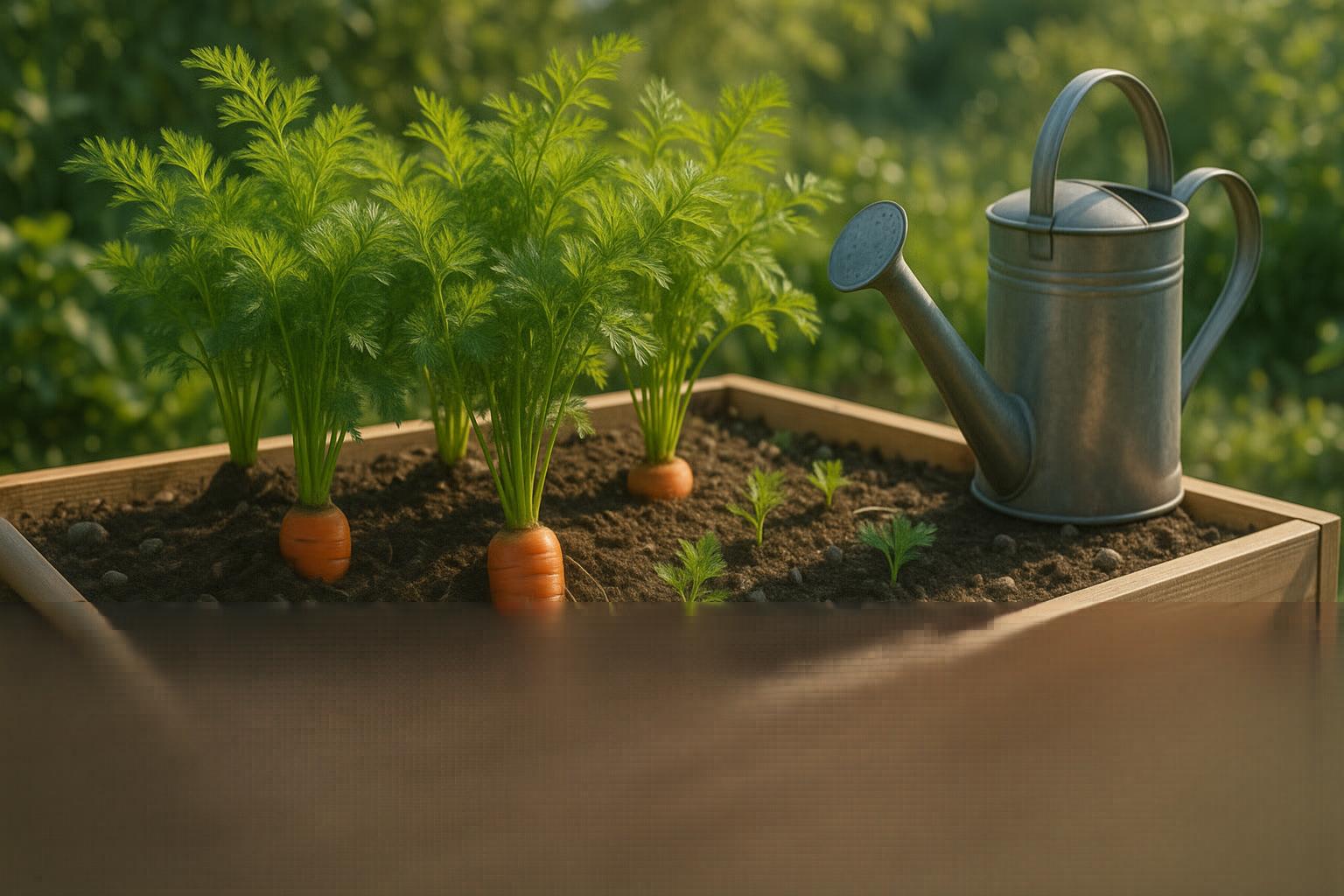
Understanding Carrot Sunlight Requirements
Carrots are a favorite in many home gardens, loved for their crisp texture and sweet flavor. But getting the most delicious harvest depends on meeting the proper carrot sunlight requirements. Sunlight fuels photosynthesis, which is essential not only for strong, lush carrot tops but also for developing the fleshy orange roots we eat. Many new gardeners are surprised to learn that, even though carrots grow underground, the leafy green tops above the soil play a critical role in capturing sunlight and converting it into the energy the plant uses to create roots.
Proper sunlight exposure doesn’t just help the plant grow bigger—it’s a key factor in boosting both yield and flavor. Carrots with ample sunlight tend to develop more sugars, creating that signature sweet and snappy taste home gardeners love. Inadequate sun, by contrast, can lead to spindly tops and small, pale roots with underwhelming flavor.
For thriving carrot crops, understanding that the entire plant relies on sunlight is crucial. Whether you’re planting in raised beds, garden plots, or containers, aim to provide a spot where carrot tops get at least six hours of direct sunlight per day. In shadier spots, try thinning nearby plants and removing obstacles to let more light reach your carrot patch. By paying attention to carrot sunlight requirements, you’ll set yourself up for a garden bounty that’s both tasty and rewarding.
Ideal Sunlight Hours for Carrots
Carrots thrive best when they receive 6 to 8 hours of direct sunlight each day, making full sun the ideal environment for healthy growth and strong root development. This is at the heart of carrot sunlight requirements, though these needs can vary slightly depending on your local climate.
In cooler or northern regions, maximizing sunlight is essential because the warmth and light help carrots photosynthesize efficiently, resulting in sweeter, larger roots. Conversely, gardeners in hot southern areas might find that some afternoon shade protects tender carrot tops from scorching. However, too much shade can slow growth and lead to smaller, paler carrots.
When carrots grow in partial shade, expect lower yields and slower maturation since reduced sunlight limits their ability to store energy in their roots. That said, a couple of hours of light dappled shade—especially during the harshest midday sun—usually won’t harm your crop but shouldn’t replace most of the direct sun exposure.
For urban or small-space gardeners, selecting the sunniest spot is crucial. Consider using raised beds or containers that can be moved to follow the light, and trim back any overhanging branches that cast unnecessary shade. Reflective surfaces like light-colored stones or walls near your beds can help bounce extra light onto your carrots if your planting area gets only partial sun. Another helpful tip is orienting rows north-south, so each plant receives equal sunlight as the sun moves.
Ultimately, understanding and providing the right carrot sunlight requirements will reward you with crisp, sweet carrots—even if you need to get a bit creative to make the most of the available sunshine.
Signs Your Carrots Aren’t Getting Enough Sun
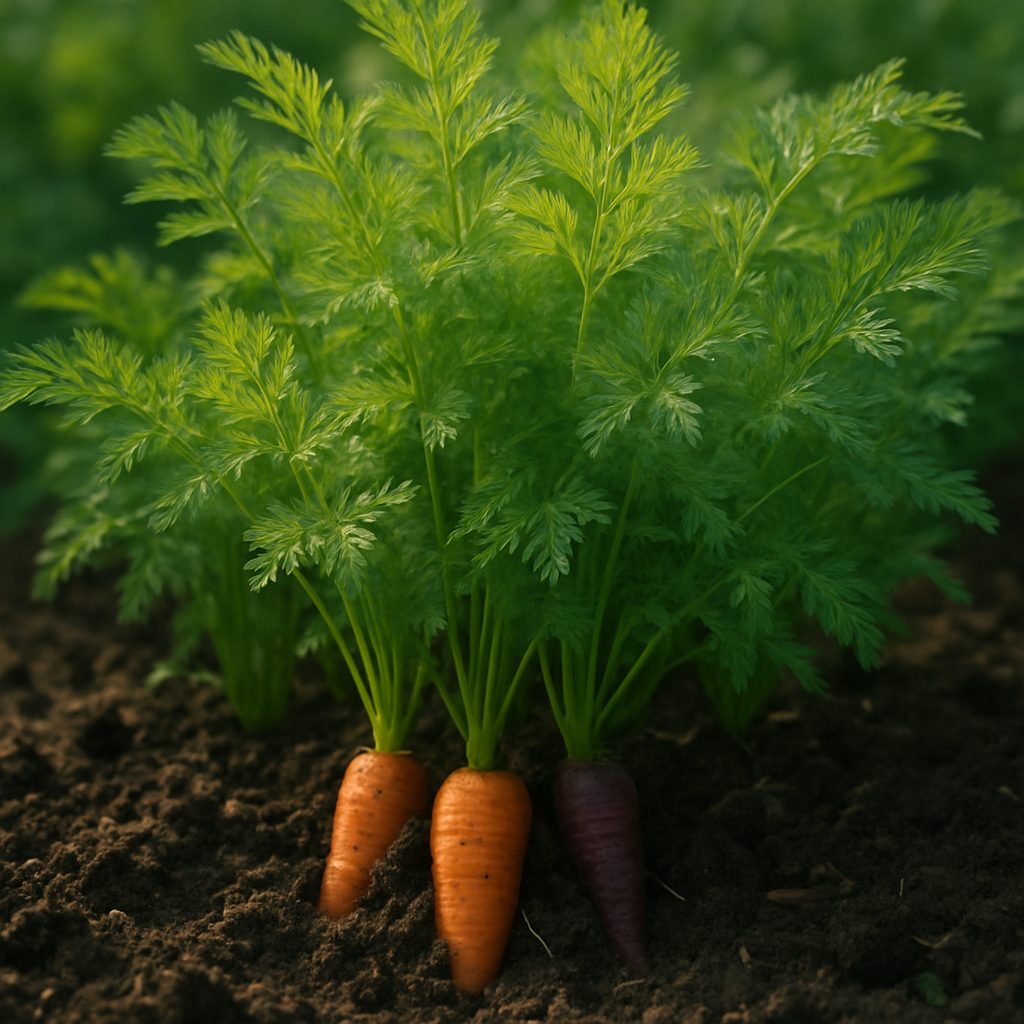
One of the clearest signs your carrots aren’t meeting their carrot sunlight requirements is weak, sparse foliage. Carrots that don’t get enough sun often have leaves that are thin, pale, and tend to flop over instead of standing upright and lush. Another common symptom is slow or stunted growth—if your carrots take much longer than the usual 70-80 days to mature, or if the edible roots remain small and spindly, a lack of light might be the cause.
You might also notice that the carrot tops (the part that grows above ground) stay a light green or yellow shade, rather than developing a rich green color. Insufficient sunlight affects not only growth but also the flavor and texture of the root; carrots grown in shade can be bland, fibrous, and lack the natural sweetness that healthy photosynthesis produces.
It’s worth noting that some issues look similar to nutrient deficiencies—both can cause pale foliage or slow growth—but nutrient problems often show specific markings, like yellowing between veins or purplish leaves, rather than a general lack of vigor. To rule out sunlight as the problem, consider how many hours of direct sunlight your carrot patch receives daily. Aim for six to eight hours of sun for the best results.
If you spot these symptoms, try moving containers to a sunnier spot or trimming nearby plants to let in more light. Monitoring your carrots’ appearance and adjusting their environment promptly can help you grow sweeter, healthier roots.
How to Choose the Best Spot for Carrots
Selecting the right location for your carrot patch is crucial since carrots thrive with at least 6-8 hours of direct sunlight per day. To meet these carrot sunlight requirements, start by observing your yard throughout the day. Note where the sun shines longest in the morning, midday, and late afternoon, and watch for shadows cast by trees, fences, or buildings.
The ideal spot will be clear of tall structures and dense foliage, offering maximum exposure—especially during the afternoon when sunlight is strongest. In many gardens, south-facing areas receive the most consistent light, but every yard is different, so spend a day mapping where shadows move.
If you prefer container gardening or have limited ground space, place your planters or raised beds on patios, decks, or driveways that aren’t shaded by overhangs. Choose lightweight pots for containers, so you can move them if sunlight patterns shift with the seasons. Raised beds can be oriented north-to-south for even sun coverage or positioned alongside a sunny fence line.
Remember, carrot roots need loose soil to grow well, so pick locations that not only meet carrot sunlight requirements but also offer well-drained, deep soil—whether that’s native earth, a raised bed, or a pot with quality potting mix. Finally, if sunlight is limited in your space, try shorter carrot varieties that tolerate slightly less sun than full-sized ones.
With careful observation and a flexible approach, you’ll find the perfect spot to give your carrots the sunlight they need to thrive.
When Carrots Can Tolerate Partial Shade
Carrots are known for their preference for full sun, but there are plenty of instances where partial shade can actually work in your favor. In regions with intense summer heat or relentless afternoon sun, giving your carrots some relief from direct rays can help prevent issues like bolting or wilting. This makes partial shade not just acceptable, but sometimes beneficial.
Gardens with tall buildings or canopy trees often create pockets of dappled light that keep carrot roots cooler during peak warmth. However, it’s important to know that carrots grown in partial shade usually grow a bit slower, resulting in smaller roots and a milder flavor. While you might not get bumper yields, the trade-off is often worth it if the alternative is stressed or sun-scorched plants.
Using Companion Planting for Natural Shade
For gardeners looking for natural shade solutions, companion planting is a smart approach. Try growing carrots alongside taller, yet airy crops like peas, pole beans, or corn, which cast gentle shadows without crowding the soil. Marigolds and lettuce are also good neighbors—marigolds repel pests, and lettuce matures quickly, providing some initial shade when carrots are most vulnerable.
With a bit of planning, carrot sunlight requirements can be managed effectively, and partial shade doesn’t have to hinder your carrot harvest; it can actually help in the right situation.
Tips for Maximizing Sunlight for Better Carrots
To ensure your carrots get the ideal amount of sunlight for healthy growth, it’s important to follow some practical steps based on carrot sunlight requirements. Begin by evaluating the location where you plan to grow your carrots. If shadows from trees, fences, or other plants cover your carrot bed for much of the day, consider trimming overhanging branches or thinning dense shrubs nearby. This simple pruning lets more direct sunlight reach your carrots, which thrive with at least six hours of sun daily.
Another effective strategy is to rotate your crops each year, placing carrots in the sunniest spot in your garden. This not only maximizes their light exposure but also helps reduce disease risks and prevents soil nutrient depletion. If tall plants or permanent structures cast unavoidable shade, get creative with your garden layout. Plant carrots in raised beds or containers that can be moved to follow the sun throughout the season.
You can also boost available light by positioning reflective surfaces—such as white-painted boards, garden mirrors, or aluminum foil panels—on the north side of your carrot rows. These materials bounce extra sunlight onto your carrots, filling in shadowy areas and encouraging straight, vibrant growth. By combining smart plant placement, regular crop rotation, and clever light reflection techniques, you’ll greatly improve sun exposure and set your carrots up for a healthy, abundant harvest.
Frequently Asked Questions About Sunlight and Carrots
Many gardeners wonder if carrots can be grown indoors. The good news is yes—they can, as long as their carrot sunlight requirements are met. Carrots need at least 6-8 hours of direct sunlight daily. If you’re growing them indoors, place containers near a south-facing window or use a strong grow light to provide enough light.
Do all carrot varieties have the same sunlight requirements? Most do, needing similar amounts of light. However, some shorter, rounder varieties like ‘Parisian’ can tolerate a bit more shade compared to long-rooted types that benefit from maximum sunlight. Regardless of the variety, the basics remain the same: carrots need plenty of light to develop strong roots and sweet flavors.
Here are some key tips for healthy carrot growth:
- Choose a sunny spot in your garden or on your balcony.
- Rotate containers regularly if the light source is uneven.
- Thin seedlings to prevent crowding and shading among plants.
Watch for signs of insufficient sunlight, such as leggy leaves or pale, stunted roots, and adjust their location or lighting as needed. Every garden is a bit different, so don’t hesitate to experiment with sunlight conditions to find what works best for your carrots.
By paying close attention and making small adjustments, you’ll uncover the ideal setup for growing sweet, crunchy homegrown carrots no matter where you plant them.