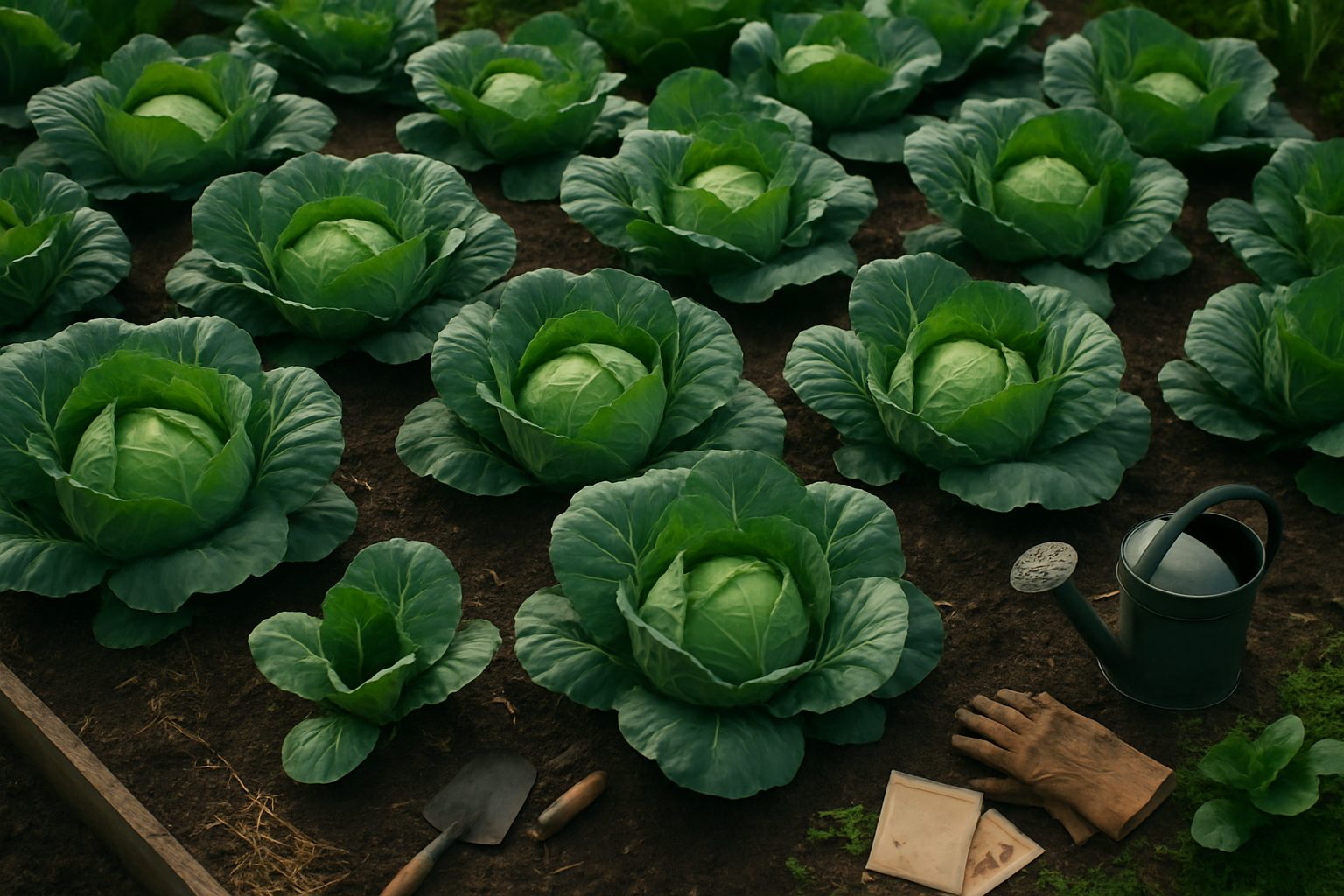
Introduction to Common Cabbage Diseases
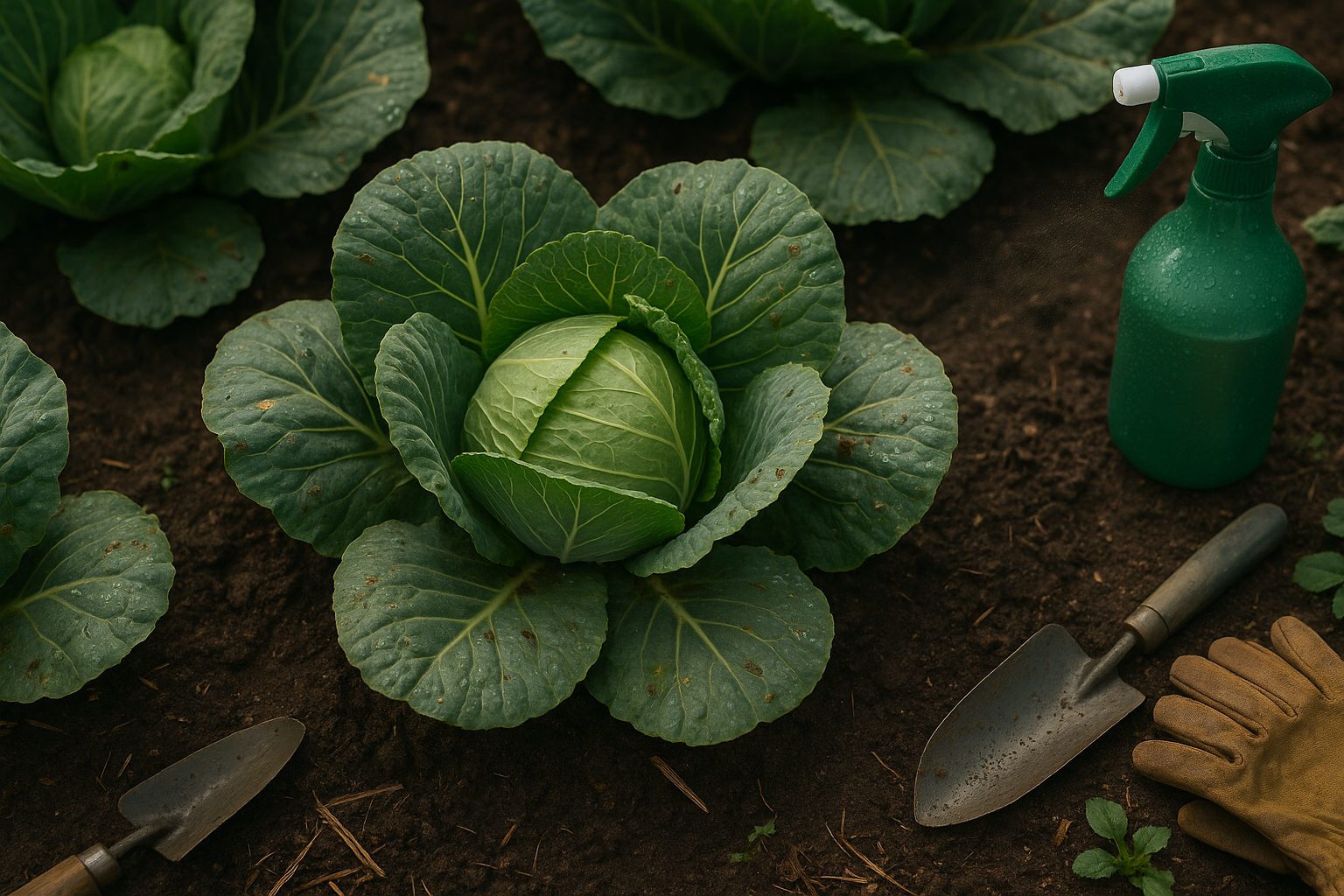
cabbage diseases are a major concern for both home gardeners and commercial farmers, often making the difference between a thriving harvest and disappointing crop losses. From tiny backyard plots to large agricultural fields, few vegetables are as vulnerable to disease as cabbage, which is prone to a range of threats like black rot, clubroot, and downy mildew. When left unchecked, these diseases can devastate cabbage yields and significantly reduce the quality of the heads, resulting in stunted growth, unsightly blemishes, and even total crop failure. For gardeners hoping to put healthy, crisp coleslaw on the table or market growers aiming to meet customer demand, even one outbreak can mean financial loss and frustration.
Early detection of cabbage diseases is crucial—not just for saving this season’s crop, but also for preventing lingering pathogens from affecting future plantings. Experienced growers recommend checking plants regularly for signs such as wilted leaves, dark spots, or distorted roots, and addressing issues the moment they arise. Practical management strategies can make all the difference. For example, rotating crops helps minimize soil-borne infections, while watering at the base limits the spread of airborne spores. Proactive use of disease-resistant cabbage varieties and proper spacing between plants can also help reduce risk.
Healthy cabbage crops don’t happen by accident. They require vigilance, informed decision-making, and the right interventions at the right time. Whether you grow cabbage for your own kitchen or for local markets, understanding the most common cabbage diseases and their treatments is the first step toward a more resilient, bountiful harvest. In the following sections, we’ll dive into the key diseases threatening cabbage plants, what warning signs to look for, and practical steps you can take to protect your cabbage patch—and your peace of mind.
Fungal Diseases Affecting Cabbage
Fungal diseases are a major threat to cabbage crops, causing damage that can reduce both yield and quality. Among the most common culprits is Alternaria leaf spot, which appears as small dark spots with concentric rings on older leaves and often leads to yellowing and premature leaf drop. Downy mildew, another frequent issue, shows up as yellowish patches on upper leaf surfaces with fuzzy white or gray growth underneath, especially during cool and damp weather. Blackleg is notorious for causing dark, sunken lesions at the base of stems, sometimes girdling them entirely and leading to plant collapse. White mold is identifiable by its white, cottony growth on stems and leaves, eventually producing hard, black structures called sclerotia. Powdery mildew creates a dusty, white coating on leaves and stems, while ring spot appears as circular, target-like spots with brown or purple margins. Bottom rot, typically seen in humid or waterlogged soils, causes lower leaves to brown, wilt, and develop a wet or slimy rot that can spread upward.
Conditions That Favor Fungal Diseases
These diseases thrive in conditions common to many gardens and fields: high humidity, prolonged leaf wetness, frequent rain, overhead irrigation, and dense plantings with poor air circulation are all risk factors. For example, downy mildew favors cool and moist environments, making early morning dew or frequent fog particularly problematic. Likewise, powdery mildew can spread rapidly when daytime temperatures are warm but humidity remains elevated at night.
Prevention and Management
To minimize fungal outbreaks, start with good garden hygiene:
- Remove plant debris after harvest
- Avoid planting new cabbage in the same spot every year (crop rotation helps break disease cycles)
- Choose disease-resistant varieties whenever possible
- Give plants plenty of space to ensure airflow—usually 12 to 24 inches apart, depending on the variety
- Water plants early in the day and aim at the soil, not the leaves, to keep foliage dry
- Mulch under plants to prevent soil-borne spores from splashing onto leaves during rain or watering
Where problems persist, consider using fungicides as a last resort, following label directions carefully. However, prioritize preventative strategies to keep your cabbage healthy and thriving. Regularly inspecting your plants for early signs of disease can help you act quickly and prevent problems from spreading.
Bacterial Diseases to Watch For
Bacterial diseases can wreak havoc in your garden if left unchecked. Some of the most serious threats to crops like cabbage, lettuce, and tomatoes include black rot, bacterial leaf spot, and bacterial soft rot.
Black rot often appears as yellow, V-shaped lesions that start at the leaf edges and move inward. Bacterial leaf spot causes small, dark, water-soaked spots that may merge and kill plant tissue. Bacterial soft rot takes a different approach by aggressively breaking down stems and roots, leaving behind mushy, foul-smelling plant parts.
These bacteria usually hitch a ride on contaminated water, gardening tools, or even infected seeds and transplants—so always clean your equipment and source healthy plant material.
How to Identify Bacterial Diseases
To tell if you’re dealing with a bacterial disease (instead of a fungal one), look for symptoms like wet, greasy, or mushy spots. Fungi tend to create dry, powdery, or fuzzy growths instead. Another giveaway is the rapid rate at which bacteria spread, especially after rainy weather or overhead watering.
Prevention Tips
- Avoid working with plants when they’re wet.
- Rotate crops each year to prevent bacteria from building up in the soil.
- Destroy any infected plants immediately instead of composting them.
- Mulching helps prevent soil splashing onto leaves, which is a common way bacteria spread.
- Use disease-resistant varieties whenever possible.
- Make sanitation a regular habit—think of it as “spring cleaning” for your garden tools and pots after each use.
Prevention is much easier than managing bacteria once they take hold, so stay vigilant and act fast at the first sign of trouble.
Viral and Soil-Borne Threats
Viral and soil-borne diseases can silently devastate plant health, often before growers even notice the first symptoms. Mosaic virus, a notorious viral disease, causes leaves to twist and develop mottled yellow-green patterns, stunting growth and reducing yields. Because viruses spread through insects like aphids or mites rather than direct contact, eradicating them is more complicated than controlling many fungal or bacterial diseases.
Soil-borne diseases pose an equally tough challenge:
- Clubroot distorts roots into swollen knots, causing plants to wilt and yellow.
- Yellows causes widespread yellowing and stunted growth.
- Phytophthora root rot leads to water-soaked, decaying roots.
- Wirestem results in thin, weak seedlings prone to collapse.
Unlike viruses, many soil-borne pathogens can persist in the soil for years, waiting to infect new crops. Effective prevention depends on several key strategies.
Prevention Strategies
- Practice strict garden sanitation: Remove and destroy infected plant debris after harvest to reduce disease sources.
- Rotate crops each season: Avoid planting the same plant families in the same spot for at least three years to disrupt the life cycle of persistent pathogens.
- Manage insect vectors for viral diseases: Use row covers, sticky traps, or reflective mulches, and keep weeds (which often host viruses) under control around your garden.
- Use fungicides wisely: While they can sometimes protect against soil-borne fungi, there are no cures for viral infections—infected plants must be removed immediately.
- Select disease-resistant varieties: Always choose resistant plants when available.
- Disinfect tools regularly: Clean your gardening tools between uses to prevent spreading pathogens.
For both home gardeners and commercial growers, combining these practical steps and staying vigilant early in the season offers the best defense against the often invisible threats lurking in the soil and garden.
Integrated Disease Management Tips

Managing cabbage diseases effectively calls for a smart, integrated approach that blends cultural, biological, and chemical methods.
Start by rotating your crops; avoid planting cabbage or related brassicas in the same spot year after year, as this helps break the life cycles of soil-borne pathogens. Opt for disease-resistant cabbage varieties whenever possible—they provide built-in protection against common threats like black rot or clubroot.
Proper plant spacing goes a long way too: well-spaced plants have better air circulation, reducing humidity that can foster fungal diseases. Water early in the day and use drip irrigation rather than overhead sprinklers to keep leaves dry and limit disease spread.
Don’t overlook the power of biological controls; introducing beneficial insects or applying biofungicides can keep disease-carrying pests in check without harsh chemicals. Of course, sometimes chemical controls are necessary, but they should be used as a last resort and always follow label directions to avoid resistance and protect pollinators.
Regularly inspect your plants for signs of trouble—yellowing leaves, dark spots, wilting, or unusual growth—and act quickly with targeted treatments if you spot a problem.
Keeping a garden journal can help track disease patterns and improve your strategies season to season. For diagnosis and up-to-date advice, consult local agricultural extension offices or university websites, which often offer free resources and field guides specific to your region.
The combination of these techniques not only protects your cabbage crop but also keeps your garden ecosystem healthier year after year.
Healthy Garden, Healthy Cabbage
Keeping your cabbage plants healthy and productive starts with proactive care, even before you sow the first seed. Choose high-quality, disease-free seeds or seedlings from reputable sources to give your cabbage a strong foundation, reducing the risk of introducing pests or infections right from the start.
Prepare your soil by working in plenty of organic matter like compost, as nutrient-rich, well-drained soil promotes strong root development and helps the plants resist disease. Practice regular crop rotation, planting cabbage and other brassicas in a different location each season to disrupt pest cycles and prevent soil-borne issues.
Mulching around your cabbages not only conserves moisture but also acts as a barrier against weeds and common soil diseases. Make a habit of inspecting your plants weekly for signs of trouble, such as yellowing leaves, holes, or unusual spots, and remove any affected leaves immediately.
Water at the base of the plant to keep foliage dry and avoid fungal issues—early morning watering is best. By catching problems early and keeping your garden clean of debris, you’re far more likely to enjoy robust, flavorful harvests.
Ultimately, a little prevention goes a long way. Healthy care habits not only ensure your cabbages thrive but also make the whole gardening experience more rewarding, providing you with crisp, homegrown produce you can be proud of.