Introduction
cabbage not growing as you’d hoped can be incredibly frustrating, especially since cabbage is such a popular and nutritious addition to home gardens. Renowned for its vitamin-rich leaves and hearty texture, cabbage promises hearty coleslaws, crunchy salads, and delicious stir-fries—but getting from seed to harvest isn’t always as simple as it seems.
Many gardeners encounter stumbling blocks like slow growth, tiny heads, yellowing leaves, or plants that just seem to stall out altogether. Sometimes, the reasons are environmental—unpredictable weather patterns, soil that’s too compact or too sandy, or inconsistent watering. Other times, pests like cabbage worms and aphids quietly wreak havoc beneath the foliage, or nutrient deficiencies prevent those leafy heads from forming at all.
Even experienced growers can overlook subtle warning signs until it’s too late and the growing season is nearly over. That’s why nipping problems in the bud is so crucial. Early troubleshooting not only gives your cabbage a fighting chance, but it can mean the difference between a lush, prolific crop and a patch of disappointing, stunted plants.
In this article, we’ll walk you through the most common reasons why cabbage struggles in so many gardens and offer practical, real-world solutions. Whether you’re new to growing brassicas or you’ve faced cabbage setbacks before, our troubleshooting tips can help you spot issues sooner and get your garden back on track for a successful, bountiful harvest.
Choosing the Right Cabbage Variety and Planting Time
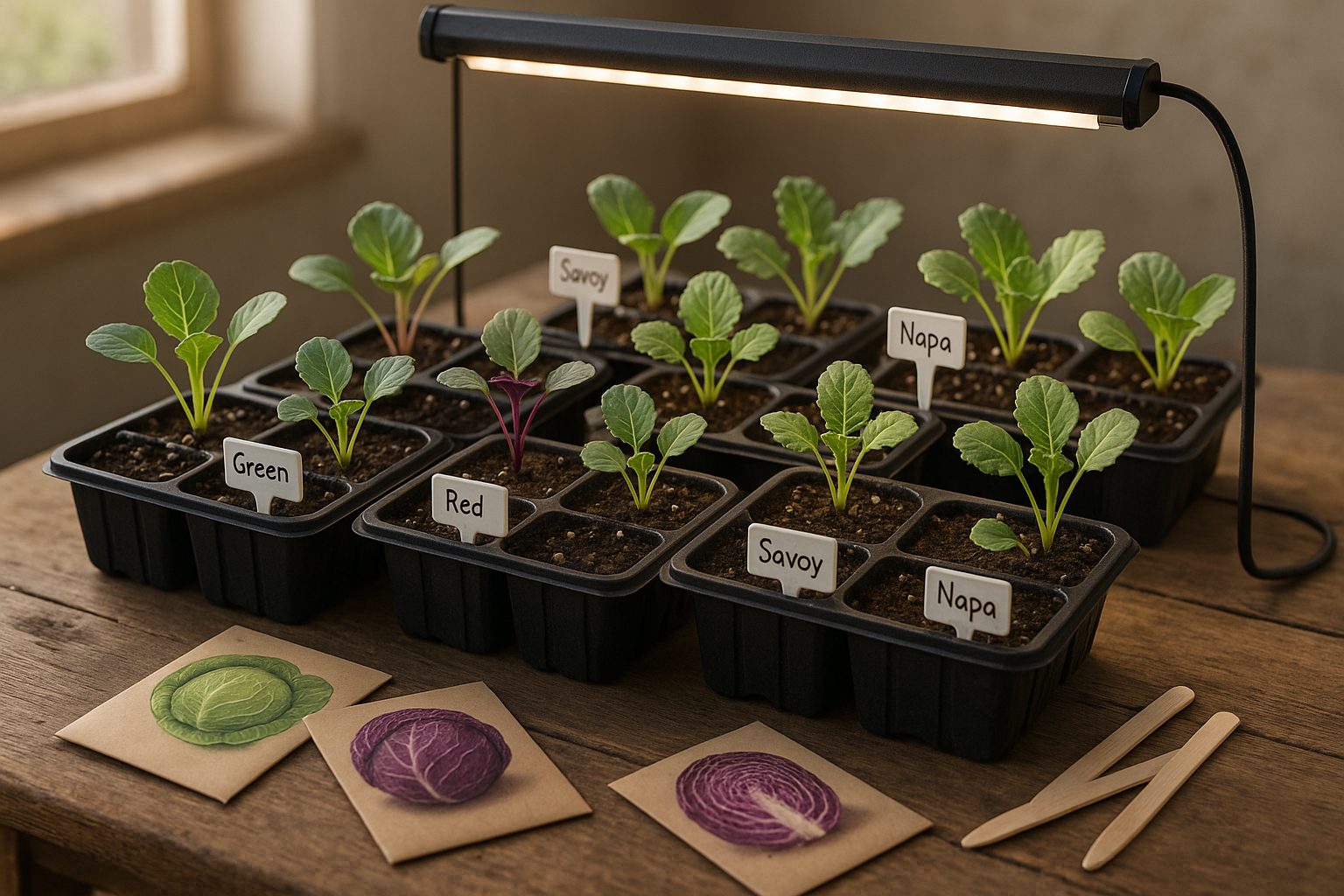
Picking the right cabbage variety for your garden is one of the most important steps to ensure a healthy, abundant harvest. Different cabbage varieties thrive under different climate and soil conditions, so it’s essential to match your choice to the environment you’re planting in.
For example, if you live in a northern region with a short growing season, early or fast-maturing varieties like Golden Acre or Early Jersey Wakefield are ideal, as they mature quickly and tolerate cooler temperatures. On the other hand, gardeners in warmer areas might opt for heat-tolerant varieties like Savoy Ace or Green Boy, which can better handle late-spring or fall heat.
Your soil matters as well—heavy clay soils benefit from varieties bred for disease resistance, while looser, sandy soils can support almost any cabbage, provided irrigation is managed well.
Timing also plays a huge role in cabbage success. In most regions, starting seeds indoors 6-8 weeks before the last frost and transplanting seedlings outside 2-3 weeks before the final frost date allows them to establish roots before heat spikes or pest pressure increases. For fall crops, direct sow or transplant when temperatures start to cool in late summer.
Planting too early exposes young plants to damaging freezes, while planting too late in warm climates may lead to bolting—where the plant flowers prematurely instead of forming a tight head.
Selecting the wrong variety or planting at the wrong time can mean poor germination, stunted growth, reduced yields, or even crop loss to pests and disease. To avoid these issues, check local extension service recommendations or consult experienced gardeners in your area for reliable, climate-proven cabbage choices and an optimal planting calendar—they’re often more accurate than generic seed packet instructions.
By carefully matching both variety and planting time to your garden’s unique conditions, you set yourself up for vigorous plants and crunchy, flavorful cabbage heads come harvest.
Soil Quality and Fertility Problems
Growing healthy, high-yielding cabbages starts with understanding what the crop needs from the soil. Cabbage thrives best in loamy, well-drained soil that’s rich in organic matter—think soil that crumbles easily in your hands, holds moisture without being soggy, and drains excess water after a heavy rain. The ideal pH for cabbage falls between 6.0 and 6.8, and soils outside this range can make key nutrients less available.
Unfortunately, many gardeners and farmers face challenges like compacted or heavy clay soils that don’t drain well, sandy soils that dry out too quickly, or soils worn-out from years of planting that have lost fertility. Low organic content is a frequent problem, resulting in poor structure and limited nutrient and water retention. On top of that, improper pH levels can lead to stunted growth or nutrient lockout, making it tough for cabbage to thrive.
Key Nutrients for Cabbage Growth
For cabbages, balanced fertility is crucial, but some nutrients play an especially important role. Nitrogen is the star here—cabbage is a heavy feeder, and nitrogen fuels that lush, leafy growth cabbages are known for. If your plants have pale leaves or slow development, they might be lacking nitrogen. However, too much nitrogen causes excessive leaf growth at the expense of forming tight heads and can make cabbages more susceptible to diseases.
Don’t overlook phosphorus and potassium either; phosphorus supports root development and head formation, while potassium helps with disease resistance and moisture regulation. Magnesium and calcium are other key players, and deficiencies show up as yellowing between the leaf veins or distorted leaf growth.
Soil Testing and Amendments
The best way to get ahead of soil fertility issues is to do a soil test before planting. A simple DIY kit from a garden center can give you a general idea about pH, but lab testing will detail specific nutrient levels and organic matter content. Once you know what your soil is missing, you can tailor your amendments:
- Add compost or well-rotted manure to boost organic matter and overall fertility.
- Mix in lime to raise soil pH if it’s too acidic, or sulfur to lower it if it’s too alkaline.
- For nitrogen, look to blood meal, cottonseed meal, or controlled-release fertilizers.
- If potassium or phosphorus is deficient, use wood ash (for potassium) or rock phosphate (for phosphorus).
After amending, check soil structure—break up any compacted areas and incorporate organic matter to improve drainage and air flow. By monitoring soil regularly and making targeted adjustments, you’ll create the ideal conditions for cabbage to flourish season after season.
Watering Issues: Too Little, Too Much, or Inconsistent
Getting your cabbage watering routine just right is key to growing healthy, robust heads. Under-watering leads to droopy, wilted leaves and stunted growth, while over-watering can suffocate roots, cause heads to rot, or trigger diseases like clubroot and black rot. Inconsistent watering is another silent culprit, often resulting in split cabbage heads or leafy growth with little actual development.
Watch out for signs of water stress: if you notice limp, yellowing leaves, slow growth, or heads cracking open, your plants are likely struggling. To prevent these issues, water cabbage deeply at the base once or twice a week—aim for about 1 to 1.5 inches of water, adjusting for rainfall and weather. Avoid wetting the leaves whenever possible, as this encourages fungal problems.
Mulching with straw or shredded leaves helps maintain even soil moisture, reducing evaporation and keeping roots cool. Also, improve drainage by mixing in compost or sand before planting, especially if your soil tends to hold water. If you garden in heavy clay, consider raised beds to keep roots from sitting in soggy soil.
With steady moisture and a little attention to drainage, your cabbage crop will thrive instead of struggle.
Temperature Extremes and Weather Stress
Cabbage is notably sensitive to temperature extremes, which can significantly impact its growth, yield, and quality. When exposed to high temperatures—typically above 80°F (27°C)—cabbage is prone to heat stress, a common issue in summer gardens or warm regions. Heat stress often causes bolting, where the plant prematurely sends up a flowering stalk, making the head unusable for harvesting and drastically altering its flavor and texture.
Additionally, hot weather disrupts head formation, resulting in loose or misshapen heads, and can scorch leaves, leading to browning and stunted plants. On the flip side, cabbages are vulnerable to sudden cold snaps or late spring frosts, especially as young seedlings. While mature cabbages tolerate mild frosts, early exposure to freezing temperatures may damage delicate outer leaves or kill seedlings outright.
Protecting Your Crop
To protect your cabbage, try hardening off transplants by gradually exposing them to cooler temperatures before planting them outside. Use frost cloths or lightweight row covers to shield young plants during sudden temperature drops. Incorporating season extension tools like floating row covers, cold frames, or simple homemade hoop structures can make a big difference. These help create a buffer against both daytime heat and nighttime cold.
For example, row covers trap heat and block strong sun, reducing temperature swings around your plants, while cold frames—essentially mini-greenhouses—offer a more stable microclimate during chilly transitions in spring and fall.
Practical Tips
- Set up row covers as soon as you plant out young cabbages and leave them in place until temperatures stabilize.
- Secure the edges snugly to block drafts.
- Check weather forecasts frequently and be proactive with protective measures instead of waiting for damage to occur.
By planning around your local climate and using simple, effective weather-proofing strategies, you can help your cabbage plants thrive, no matter what the forecast brings.
Pest and Disease Threats
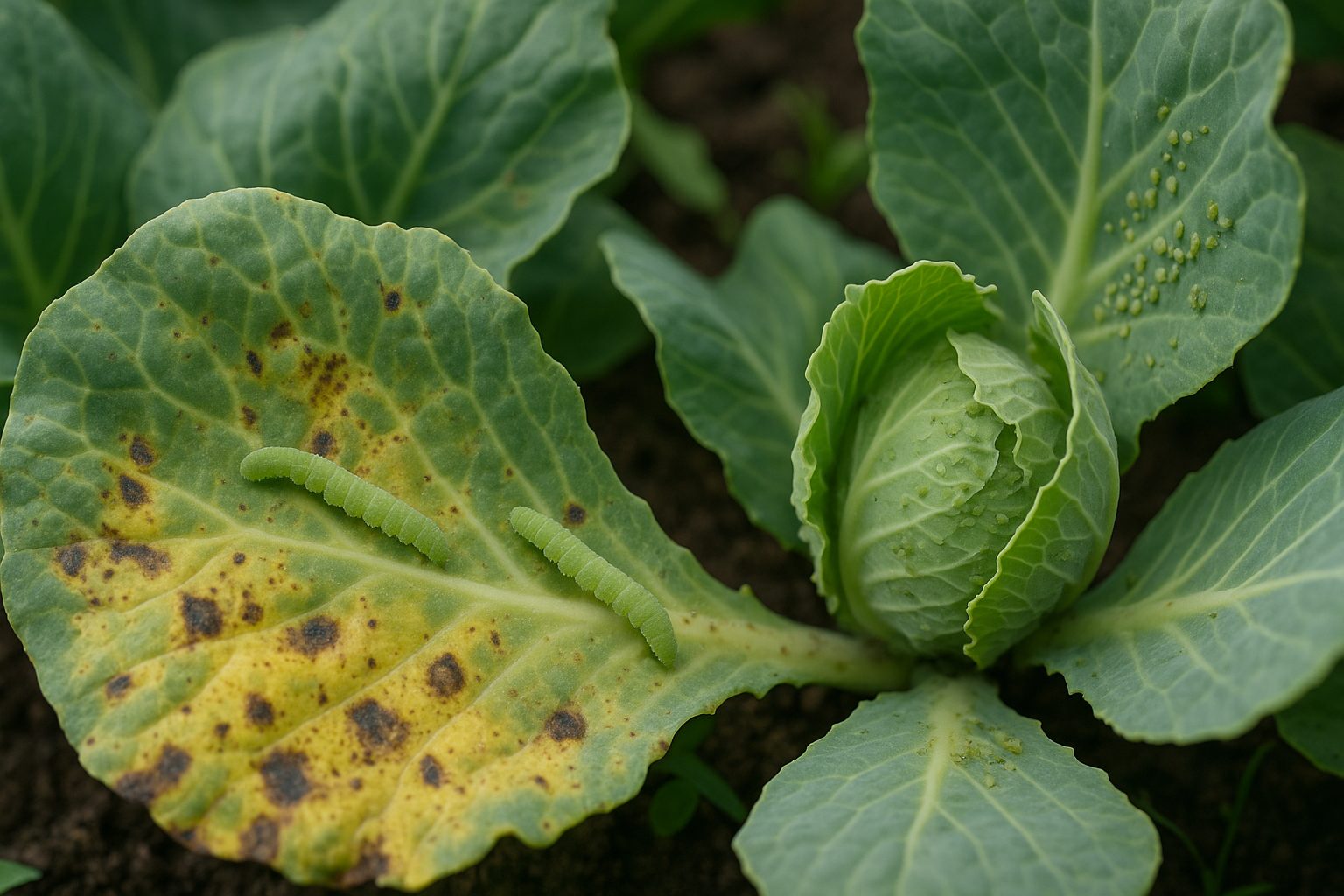
Cabbage growers often face persistent threats from a variety of pests and diseases that can quickly damage crops if left unchecked. Among the most common pests are aphids—small green or black bugs that cluster on the undersides of leaves and suck plant juices, leading to curled, yellowing foliage. Cabbage worms—green caterpillars frequently hiding in heads or amid leaves—can chew large holes and leave behind frass, tarnishing heads and making them unmarketable. Root maggots, the larvae of certain flies, tunnel through roots and stunt plant growth, causing sudden wilting.
On the disease front, clubroot stands out as a particularly stubborn enemy; this soil-borne disease causes roots to swell and deform, ultimately stunting or killing affected plants. Fungal rots, such as black rot and downy mildew, thrive in moist conditions, discoloring leaves and creating soft, mushy spots that spread quickly if untreated. The impact of these threats goes beyond cosmetic damage: severe infestations can decimate yields and affect storage life.
Prevention Strategies
To prevent these problems, it’s essential to take proactive measures.
- Crop rotation: Avoid planting cabbage or other brassicas in the same spot more than once every three years to disrupt pest and disease cycles.
- Physical barriers: Use fine mesh row covers to prevent cabbage worms and root maggot flies from reaching your plants.
- Organic solutions: Employ neem oil, insecticidal soaps, or beneficial insects like ladybugs to curb aphid populations without harming pollinators or the environment.
- Disease management: Ensure good air circulation between plants, avoid overhead watering, and promptly remove any diseased leaves or plants to reduce spread.
- Regular inspection: Check your cabbages at least once a week for small holes, wilted sections, or discoloration to catch problems early.
Dealing with Pest and Disease Damage
If you notice pest or disease damage, act quickly:
- Aphids: Use a strong spray from the hose or dab with soapy water to remove early infestations.
- Cabbage worms: Pick them off by hand or apply Bacillus thuringiensis (Bt), a naturally occurring soil bacteria safe for humans but lethal to caterpillars.
- Root maggots: Lift and destroy infested plants to protect the rest of your crop, and apply beneficial nematodes to the soil in spring to reduce larvae.
- Clubroot: Remove and deeply bury affected plants far from your garden, amend the soil with lime to raise pH (clubroot prefers acidic soil), and choose resistant varieties when possible.
- Fungal diseases: Prune affected leaves and consider preventative sulfur or copper-based sprays, preferably organic.
Remember, persistence pays off: with regular monitoring and an integrated approach, you can keep cabbage pests and diseases in check and enjoy healthy, robust harvests.
Spacing, Overcrowding, and Competition
Proper spacing is a simple but critical factor for growing healthy plants, especially those like lettuce, cabbage, or broccoli that need plenty of room to develop large, sturdy heads. When plants have enough space, they benefit from better airflow, which helps prevent problems like powdery mildew and fungal diseases. Their roots also have more room to access water and nutrients, supporting strong, vigorous growth.
On the other hand, overcrowding creates intense competition for sunlight, water, and nutrients, often resulting in smaller, underdeveloped heads and spindly, stressed plants. Plus, moisture can get trapped among tight leaves, increasing the chances of diseases spreading quickly.
For optimal results, always follow the recommended spacing on your seed packet or plant tag. For example, lettuce typically needs 8-12 inches between plants, while cabbage and broccoli benefit from 18-24 inches. It’s tempting to squeeze in more seedlings to maximize yield, but this can backfire.
If your seedlings come up thickly, thin them early by gently pulling out the weakest ones or snipping them at the soil line, aiming for strong, evenly spaced survivors. Using a ruler or your hand span to measure can make spacing easy. Thinning is best done in the evening or when the soil is moist to reduce plant shock.
Remember, giving each plant enough personal space now leads to a bigger, healthier harvest later.
Harvest Timing and Signs of Maturity
Knowing exactly when to harvest cabbage is key to maximizing both its flavor and longevity in storage. Cabbage heads are usually ready to pick when they feel firm and solid to the touch—gently squeeze the head with your hand; if it feels dense and full, it’s likely mature. For most varieties, this typically occurs 70–90 days after transplanting.
Keep an eye on the size as well; mature cabbages will reach the variety’s expected diameter, often between 4 and 8 inches. Avoid harvesting too early, as immature heads can be loose, airy, and lack flavor or crunch. On the other hand, waiting too long can cause heads to split, especially after heavy rains, which makes them prone to rot and attracts pests like slugs and caterpillars.
Cracking is a sign you’ve waited too late, but if you spot it early, harvesting immediately can save your crop. To harvest, use a sharp knife to cut the cabbage at the base, leaving some of the outer leaves attached to protect the head.
Try to harvest during the cooler parts of the day to prevent wilting. After cutting, remove any damaged or loose outer leaves, and store the heads in a cool, humid space—ideally, a refrigerator crisper drawer or a root cellar with high humidity. Don’t wash cabbages before storage, as excess moisture can encourage decay; instead, brush away soil and only wash them right before use.
Under the right conditions, fresh cabbage can last several weeks to two months, giving you plenty of time to enjoy your harvest.
Conclusion: Setting Up for Future Success
Diagnosing and addressing cabbage growth challenges starts with understanding the plant’s needs and observing your garden regularly. Healthy cabbage thrives in nutrient-rich, well-drained soil with consistent moisture, so check your watering practices and consider a soil test if growth stalls.
Watch for common pests like cabbage worms or aphids, and use row covers or handpicking to minimize damage before it gets out of hand. If you notice yellowing leaves or stunted heads, review your fertilizing routine or adjust plant spacing to improve airflow.
Remember, no two growing seasons are exactly the same—weather, soil conditions, and pest pressures can all shift from year to year. Keeping a simple gardening journal helps track what works and flag potential problems early.
Don’t get discouraged by setbacks; even experienced gardeners face challenges. By regularly checking your cabbages and staying flexible with your approach, you’ll become better at adapting to changes and spotting issues before they escalate.
With patience, careful observation, and a willingness to learn, each season will bring improved results and healthier, more productive cabbage crops.