Introduction
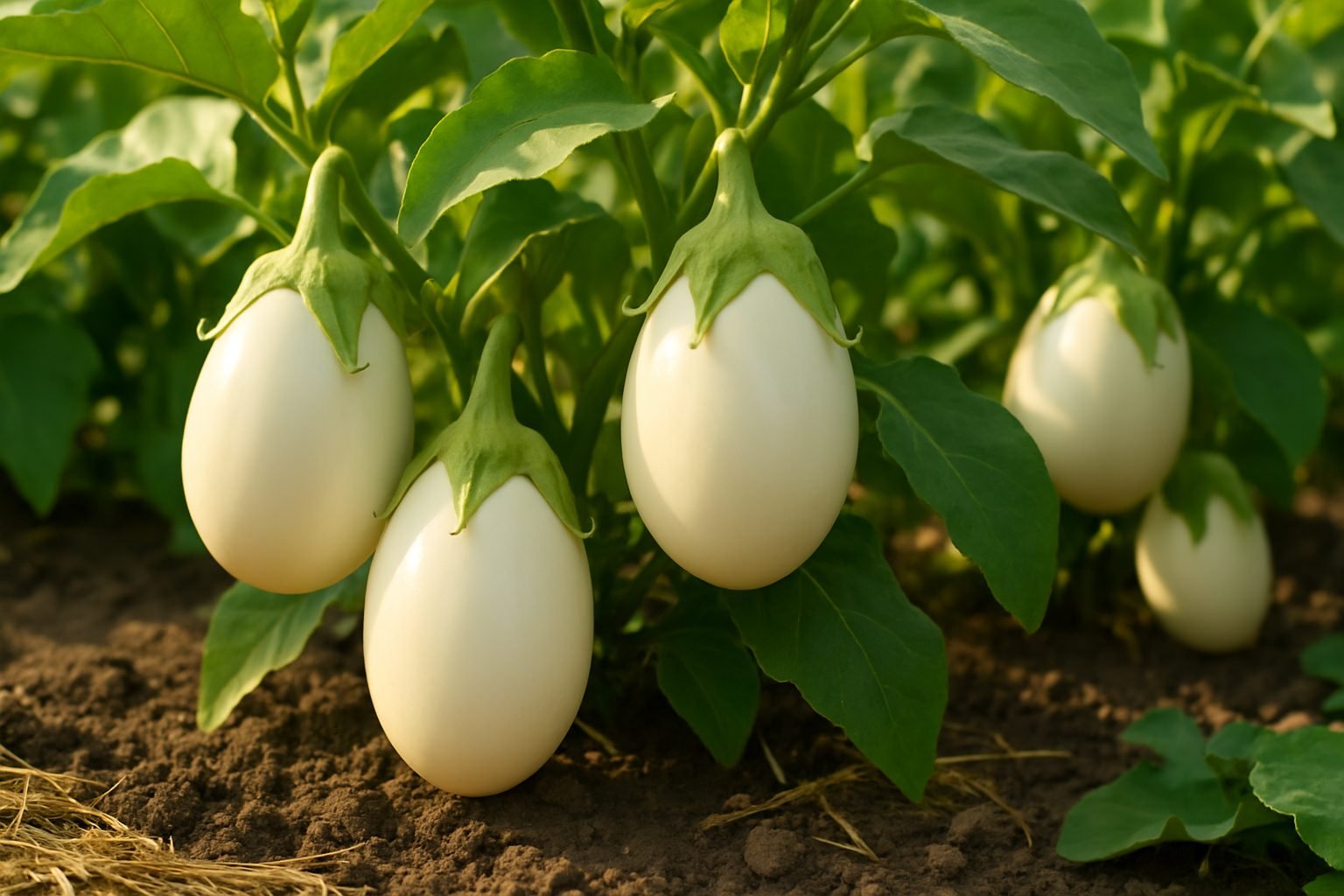
White eggplant growing is becoming increasingly popular among home gardeners and food enthusiasts, thanks to its striking white skin and mild, creamy flavor that adds a unique twist to traditional eggplant recipes. Unlike their deep purple cousins, white eggplants bring a distinctive visual appeal to your garden and table, making dishes like ratatouille or grilled vegetable platters stand out.
They’re not just about looks—white eggplants are packed with fiber, antioxidants, and vitamins, promoting heart health and supporting digestion. Whether you’re a seasoned gardener or trying your hand at something new, this guide will walk you through everything you need to know—from understanding white eggplant characteristics and ideal growing conditions to step-by-step planting, daily care, and when and how to harvest for the best flavor.
Plus, you’ll pick up practical tips to help your crop thrive and maybe even discover a new garden favorite!
Understanding White Eggplant: Characteristics and Varieties
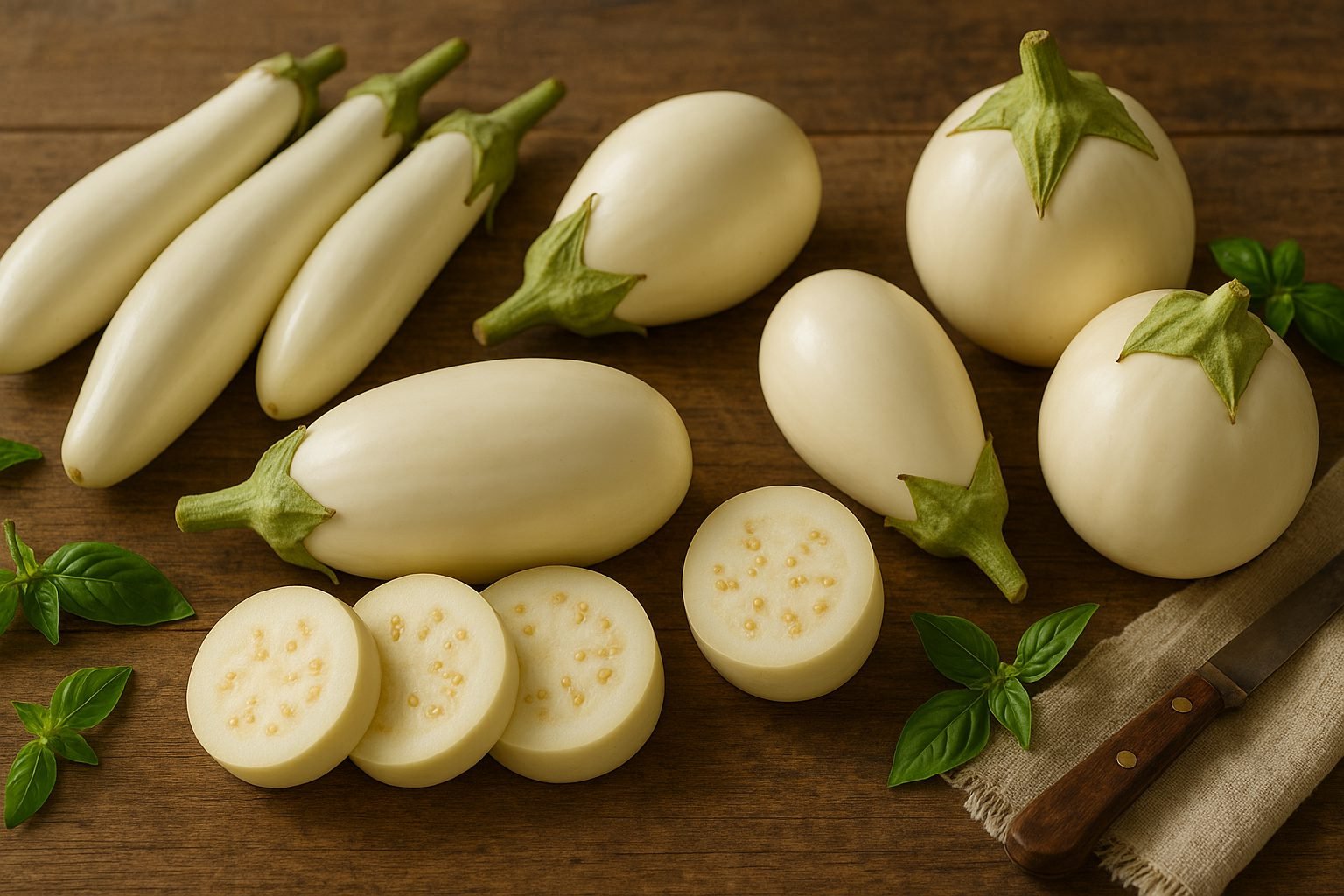
White eggplants stand out with their creamy, pale skin that ranges from pure white to a slight ivory shade, giving them an eye-catching look in summer markets. They generally have an oval or teardrop shape, though some varieties are round or elongated. Sizes vary from small, egg-shaped fruits (hence the name) to larger forms similar to their purple counterparts. The skin is typically smooth and glossy, sometimes a bit tougher than purple eggplant, but still easy to work with in the kitchen.
Slicing into a white eggplant reveals firm, tender flesh that’s milder and less bitter, with fewer and smaller seeds. This makes it less likely to absorb oil and become mushy when cooked. Popular varieties include:
- Casper: Elongated shape with thin skin, ideal for grilling.
- Ghostbuster: Large, mild, almost seedless fruits perfect for stuffing and roasting.
- White Beauty: A rounder option great for slicing and sautéing.
Many people assume white eggplants are more bitter or bland than purple varieties, but the opposite is true. They’re often praised for their delicate, almost sweet flavor and creamy texture after cooking. Compared to traditional purple eggplants like ‘Black Beauty’ or ‘Globe,’ white types are generally softer, have fewer seeds, and less chance of developing a tough or stringy consistency.
Their mild profile makes them especially versatile in the kitchen, shining in dishes like eggplant parmesan, curries, or simple stir-fries. If you’ve only cooked with purple eggplants, try swapping in a white variety—you’ll likely notice both a striking plate and a subtly improved taste and texture.
Best Growing Conditions for White Eggplant
White eggplant thrives best in warm climates, preferring daytime temperatures between 70°F and 85°F and nighttime temperatures that don’t drop below 60°F. Cold weather can stunt growth or even kill young plants. If you live in a cooler area, consider starting seeds indoors 6 to 8 weeks before the last frost and transplanting them once nighttime temps stay reliably warm.
For soil, white eggplants prefer rich, loamy ground with good drainage—think garden beds amended with compost and well-rotted manure. Aim for a slightly acidic to neutral pH between 6.0 and 6.8, and test your soil if you’re unsure.
Consistent moisture is key, but avoid letting roots sit in soggy soil. Applying mulch helps retain moisture while preventing disease. White eggplants need at least six to eight hours of direct sunlight daily for strong yields, so pick a sunny spot or supplement with grow lights indoors.
As companions, try planting basil, beans, or marigolds nearby—these can help deter pests like aphids and flea beetles, which are common nuisances. Keep an eye out for verticillium wilt and spider mites by rotating crops yearly and using organic pest controls as needed.
When deciding between indoor and outdoor growing, outdoor beds usually offer better airflow and space for root development. However, containers or greenhouses can provide a boost in cooler regions—just be sure to use large pots and stake plants as they grow.
No matter where you grow them, regular feeding with balanced fertilizer and careful watering (at the base, not over the leaves) will keep your white eggplants healthy and productive throughout the season.
Planting White Eggplant: From Seed to Seedling
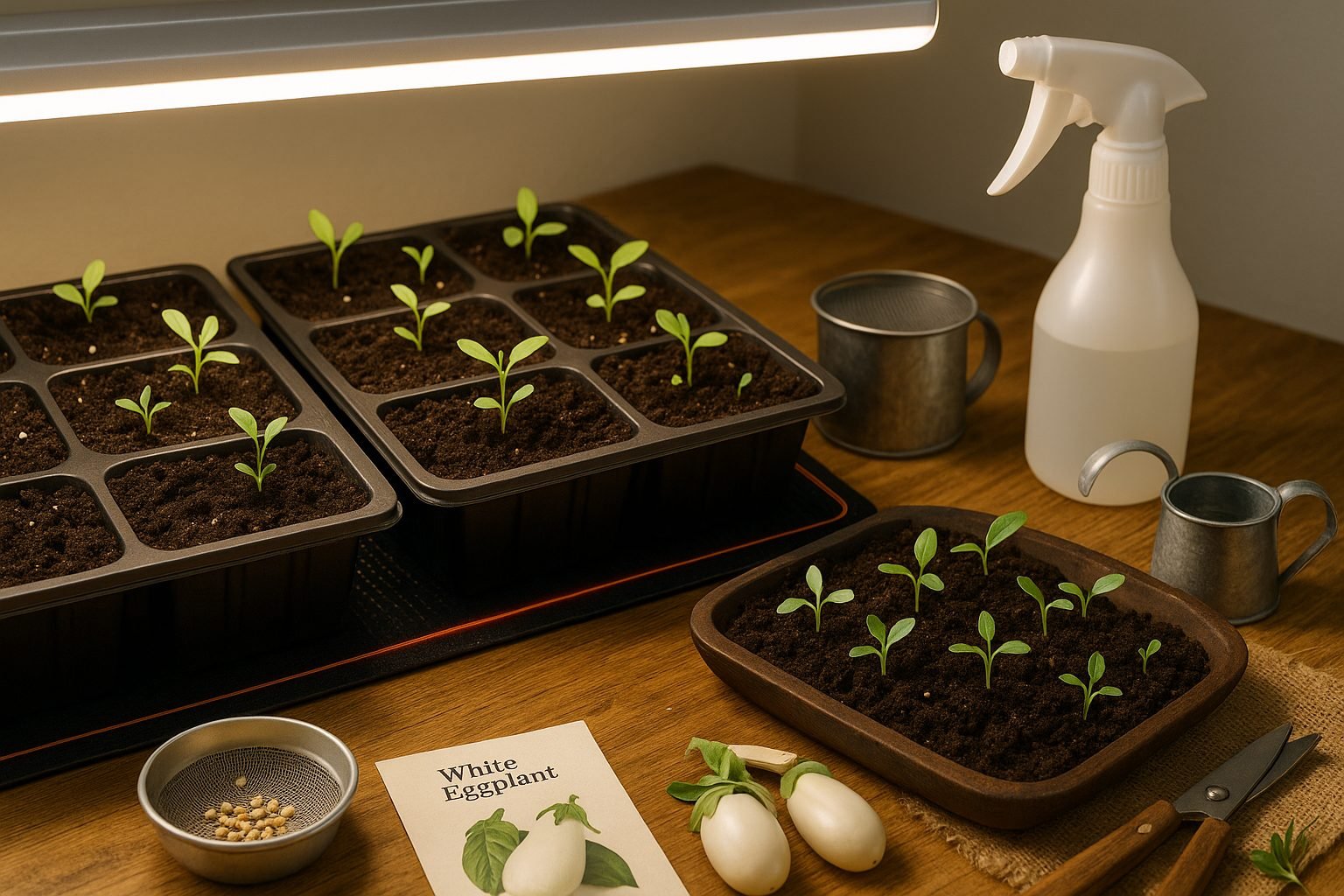
Starting white eggplant from seed is both rewarding and straightforward if you follow a few key steps. Begin by sowing seeds indoors 6-8 weeks before your area’s last expected frost, as white eggplants require a long growing season and warmth to flourish.
Use a high-quality seed starting mix in trays or small pots, planting seeds about 1/4 inch deep and keeping the soil consistently moist but never soggy. To boost germination, maintain temperatures between 75-85°F (24-29°C) and use a seedling heat mat if your indoor space runs cool—eggplant seeds germinate slowly unless kept warm.
Once seeds sprout, move them to a bright spot or under grow lights to avoid leggy, weak seedlings. Thin weaker seedlings, leaving only the healthiest in each cell or pot.
When seedlings have two sets of true leaves and outdoor temperatures consistently hit 60°F (16°C), begin the crucial hardening off process: set trays outside for a few hours daily, gradually increasing exposure over one week. This helps prevent transplant shock.
To transplant, choose a sunny, sheltered garden spot and plant seedlings 18-24 inches apart, allowing airflow and space for maturity. Direct sowing white eggplant seeds outdoors is tricky and not recommended in cooler regions or short seasons—use starter plants if you need a head start.
Common Mistakes to Avoid
- Overwatering, which can lead to root rot
- Keeping seeds too cold during germination
- Skipping the hardening off process before transplanting
- Overcrowding seedlings, which stunts early growth
By following these tips, you give your white eggplant the strong start it needs for a healthy and productive season.
Caring for White Eggplant Throughout the Season
Consistently caring for white eggplant throughout the season helps ensure healthy growth and a bountiful harvest. Start by watering deeply once or twice a week, allowing the soil to dry slightly between sessions. White eggplants dislike soggy roots, so aim for soil that is moist but not waterlogged.
Mulching with straw or chopped leaves keeps the soil temperature stable, conserves moisture, and prevents weeds. Just make sure to keep mulch a few inches away from the stems to discourage rot.
Fertilize every 4–6 weeks with a balanced organic fertilizer. Avoid heavy high-nitrogen feeds that can lead to lush leaves but sparse fruit.
Prune the lower few leaves to boost airflow around the base, reducing humidity and disease risk. Pinch off early flowers to help the plant focus on robust growth.
Staking is especially helpful as the plants mature—gently tie stems to bamboo canes or tomato cages to keep fruit off the ground and minimize breakage.
Pest and Disease Management
To manage pests, use row covers until flowering to deter flea beetles, and invite beneficial insects with companion plants like marigolds. For fungal diseases, water at the soil level to keep leaves dry and space plants well apart.
Common Issues and Solutions
- If leaves turn yellow, check for overwatering or nitrogen deficiency, and amend the soil as needed.
- Stunted growth can point to poor soil or root disturbances, so plant in rich, well-tilled beds.
- For poor fruiting, make sure plants get at least six hours of sun and avoid excessive nitrogen.
Regular inspection helps catch problems early—handpick pests, trim affected leaves, and clean up debris promptly to keep white eggplants thriving all summer long.
Harvesting and Using White Eggplant
Knowing when to harvest white eggplants is key to enjoying their mild, creamy flavor. Look for glossy, firm skin that’s free of dullness—ripe white eggplants will feel heavy for their size and give slightly under gentle pressure. Avoid letting them grow too large, as oversized fruits can turn bitter and seedy; ideal lengths range from four to six inches, depending on the variety.
To harvest, use sharp garden shears or a knife to cut the stem about an inch above the cap rather than twisting, which can damage both the fruit and the plant. Handle the eggplants carefully to avoid bruising their tender skin.
After harvesting, keep them in a cool, dry place—ideally in the fridge’s crisper drawer, unwashed and loosely wrapped in paper towels—to extend freshness for up to a week.
Using White Eggplant
For quicker use, white eggplant’s delicate flavor shines when sliced and sautéed with olive oil and garlic, grilled in thick rounds as a meaty side, or cubed into curry. Try adding raw cubes to salads for a subtle crunch, or create a creamy dip by roasting and pureeing with herbs. Their versatility and gentle, less bitter taste make white eggplants a standout in simple, fast recipes.
Frequently Asked Questions and Expert Tips
New growers often wonder if white eggplants produce as much as their purple counterparts—good news: when given plenty of sunlight, regular watering, and rich soil, white varieties can yield just as well. Taste is another concern; many find white eggplant milder and less bitter, making them great for grilling or roasting.
If you’re short on space, white eggplant thrives in containers. Choose a pot at least 12 inches wide, use high-quality potting mix, and stake plants as they grow for support. For top results, pick eggplants when they’re glossy and firm, before the skins yellow or toughen.
Rotate crops yearly to prevent disease buildup, and check for pests often. For even more in-depth guidance, the University of California’s Master Gardener Program and the Old Farmer’s Almanac offer reliable, beginner-friendly advice on eggplant care and troubleshooting.