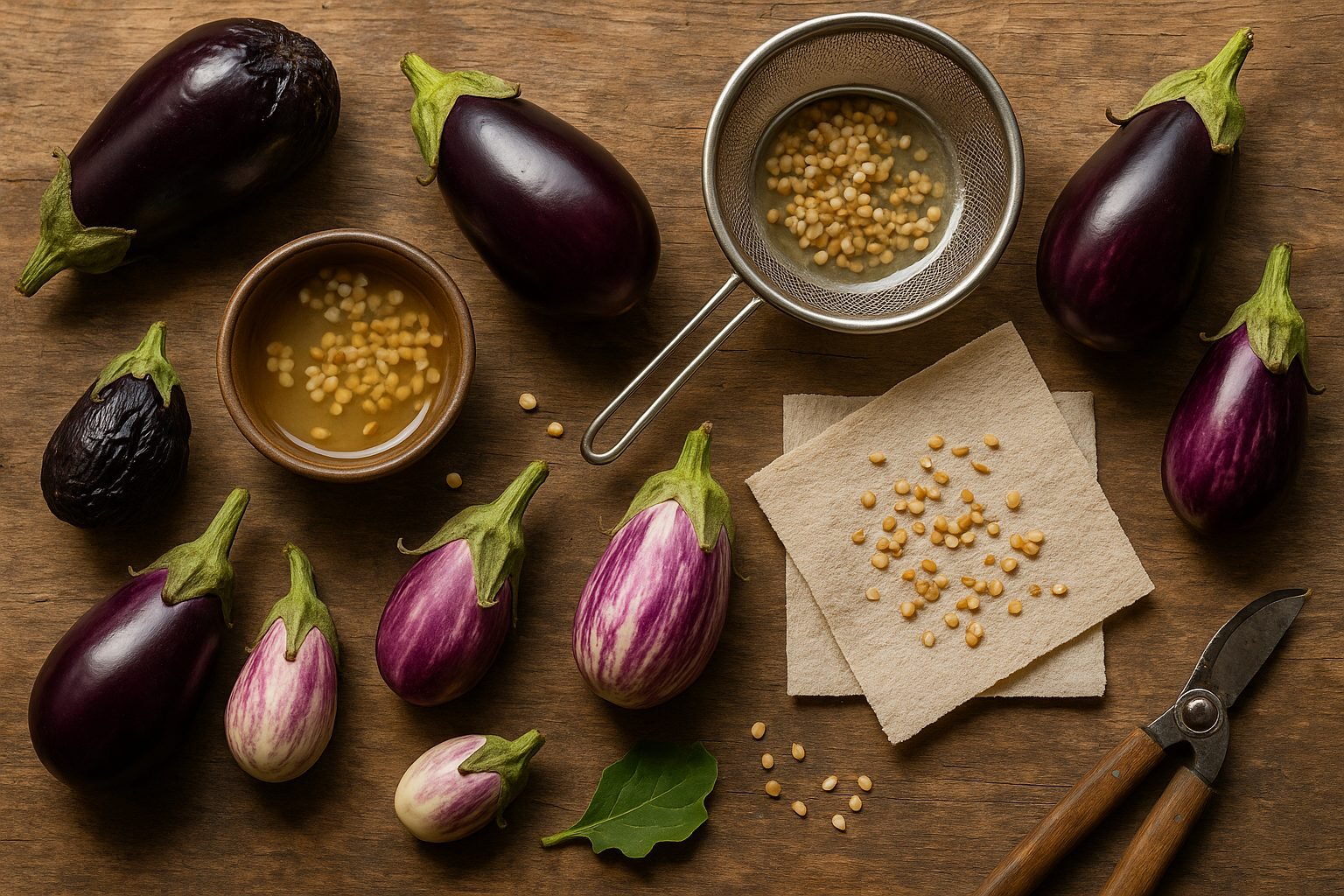
Why Save Eggplant Seeds?
Saving eggplant seeds isn’t just a practical way to cut down on yearly gardening expenses—it’s also a smart move for anyone looking to grow more resilient plants and create a sustainable garden. By saving seeds from your healthiest, most robust eggplants, you encourage traits like disease resistance and higher productivity in the next generation.
For gardeners and homesteaders, this self-reliant approach reduces dependence on commercial seed sources, which can sometimes be unreliable or costly. Over time, home-saved seeds adapt to your local growing conditions, making them tougher and better suited to your unique climate.
For the best results, focus on heirloom or open-pollinated eggplant varieties—these ensure your saved seeds will produce true-to-type plants year after year, maintaining your garden’s diversity and reliability.
Choosing the Right Eggplants for Seeds
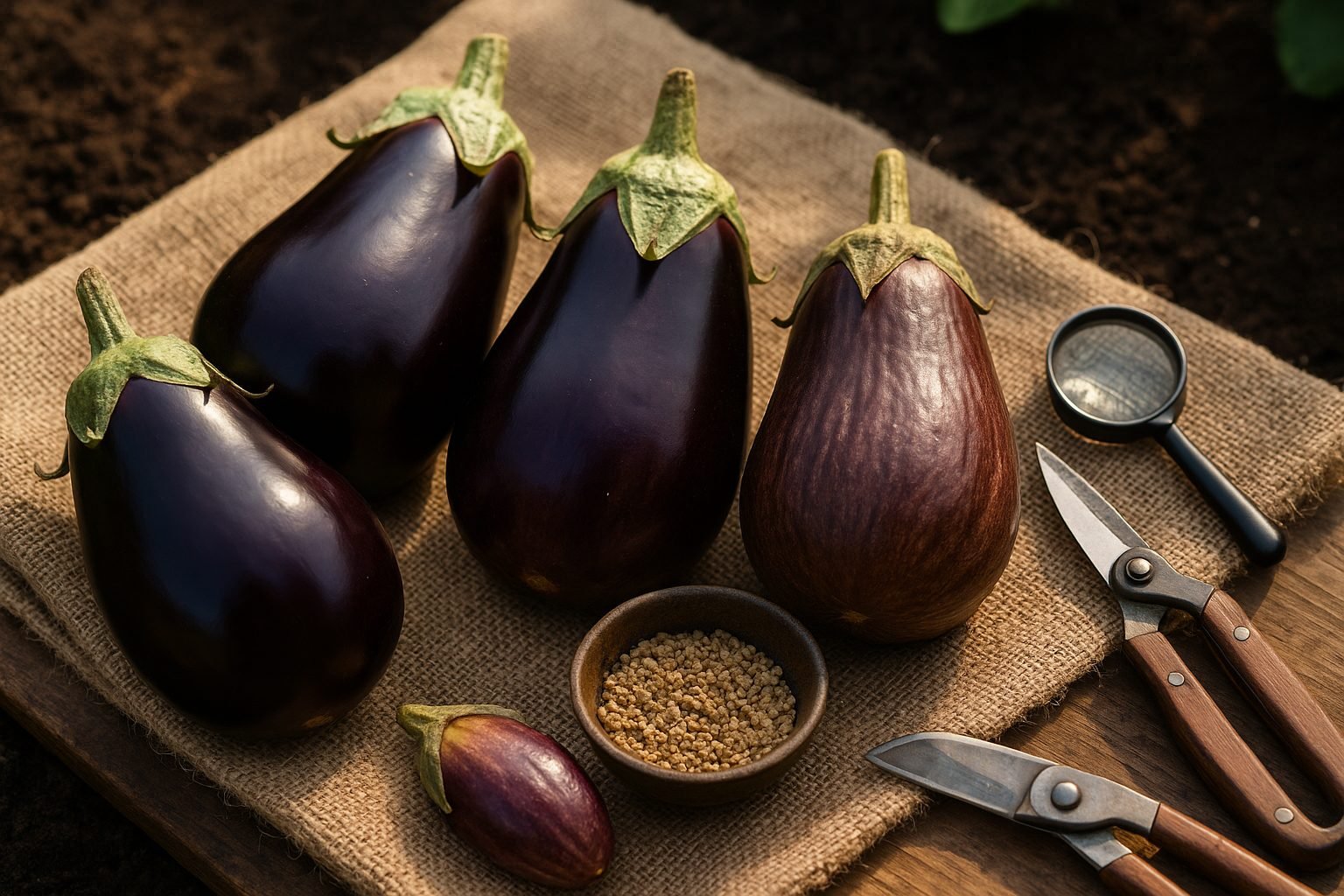
When saving eggplant seeds, it’s crucial to understand the difference between hybrid and open-pollinated (or heirloom) varieties. Hybrids are created by crossing two different parent plants, which means their seeds won’t reliably produce true-to-type eggplants next season. Instead, choose open-pollinated or heirloom varieties, which pass on consistent traits.
For the best results, select fruits from healthy, vigorous plants free of disease—they should look robust and typical for their variety. Only use fully mature eggplants, which may look dull and slightly wrinkled compared to those harvested for eating. These mature fruits ensure the seeds inside are fully developed and viable for the next growing season.
Taking time to pick the right plants and fruits now means a stronger, more reliable crop later.
When and How to Harvest Eggplants for Seeds
To harvest eggplants for seeds, wait until the fruit is overripe—well past the stage you’d normally pick them for eating. Look for eggplants with dull, matte skin that may be turning yellow or brown, and a slightly shriveled texture; these signs indicate the seeds inside are fully mature.
The best time of day to harvest is early morning when temperatures are cool. Use clean, sharp garden shears or a knife to cut the eggplant, leaving a short stem attached to avoid damaging the fruit. Rinse off any dirt, pat the eggplants dry with a towel, and let them rest at room temperature for a day or two to soften slightly—this makes seed extraction easier.
Always handle the eggplants gently to prevent bruising, which can lead to mold during seed processing.
Extracting and Cleaning the Seeds
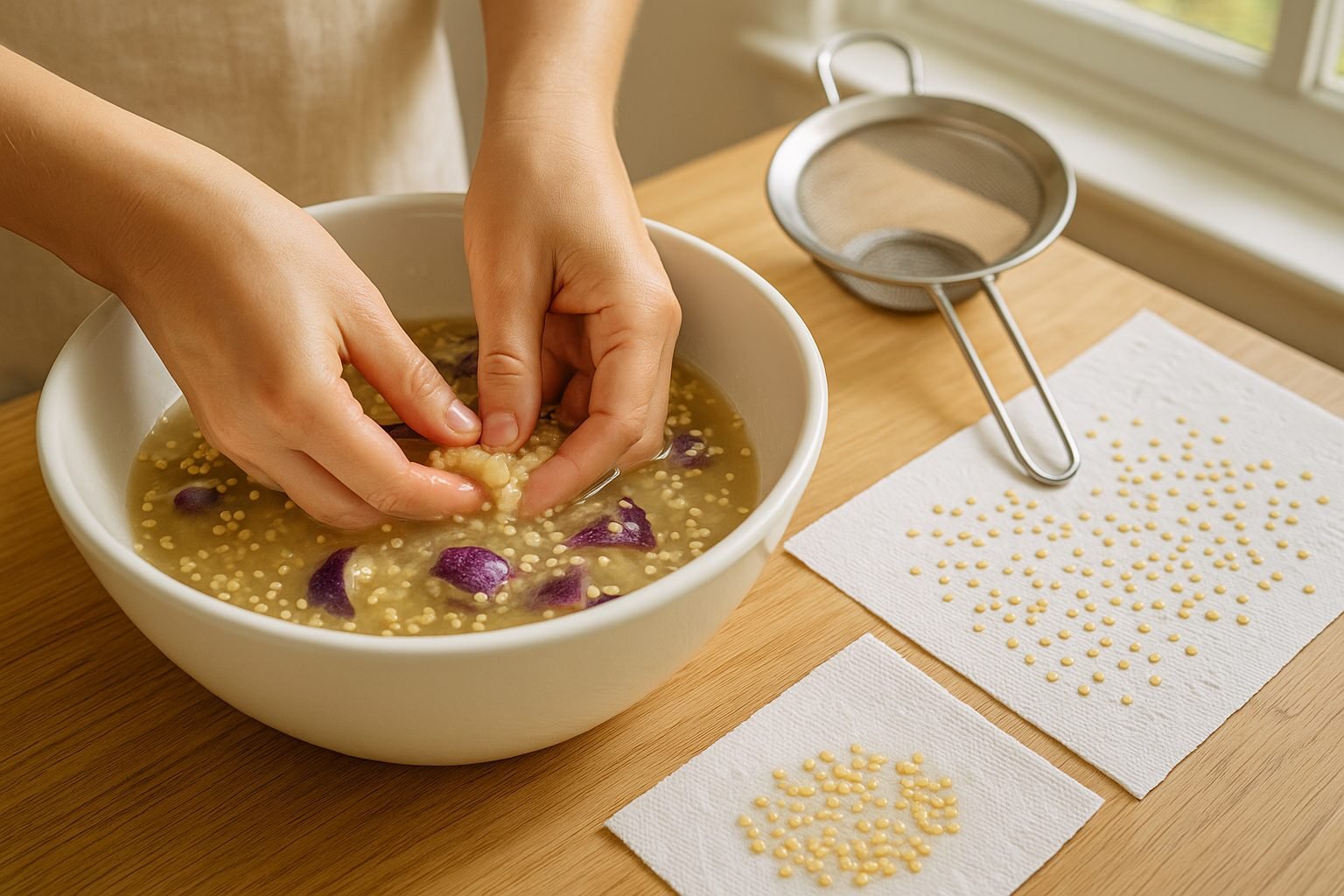
Start by cutting your ripe eggplant in half and scooping out the seedy pulp with a spoon. Place the pulp into a bowl of cool water and gently massage it with your hands to loosen the seeds.
Most good seeds will sink, while pulp, undeveloped seeds, and debris tend to float. Carefully skim off the floating matter and discard it.
For extra cleaning, pour the water and seeds through a fine mesh strainer, then rinse under running water to remove any lingering pulp.
If you notice any sticky residue, you can ferment the seeds by leaving them in water at room temperature for one to two days; this breaks down the gel coating and makes cleaning easier.
After rinsing, lay the seeds on a paper towel or coffee filter to dry in a single layer. Always label your seeds and store only the plump, mature ones for planting next season.
Drying and Storing Eggplant Seeds
After extracting your eggplant seeds, start by spreading them in a single layer on clean paper towels. Place the towel in a warm, dry room with good airflow, away from direct sunlight, for at least a week. Stir the seeds gently every day to ensure all sides dry evenly—this prevents moisture pockets that can cause mold or rot.
To check if they’re dry enough, pinch a seed between your fingers; properly dried seeds will feel hard and brittle rather than soft or bendable. Once thoroughly dried, transfer the seeds to paper envelopes or small glass jars with tight lids.
Always store them in a cool, dark place like a cupboard or even your fridge to extend their shelf life. Don’t forget to label each packet with the eggplant variety and harvest date, so you can easily keep track in future seasons. Dried and stored correctly, eggplant seeds remain viable for up to four years, ensuring you always have a healthy supply for planting.
Planting Saved Eggplant Seeds Next Year
Planting saved eggplant seeds is a great way to kickstart your garden with homegrown success. Begin by soaking the seeds in warm water for 24 hours before planting to help jumpstart germination.
Start seeds indoors about 8–10 weeks before the last frost, using seed trays filled with a light, well-draining soil mix. Aim for a soil temperature of at least 75°F (24°C), as eggplants thrive in warmth.
When seedlings have developed two true leaves and nighttime temperatures remain reliably warm, they’re ready to be moved outdoors.
Experimenting with saved seeds can lead to stronger, more resilient plants and gives you the satisfaction of growing from your own harvest.