Introduction
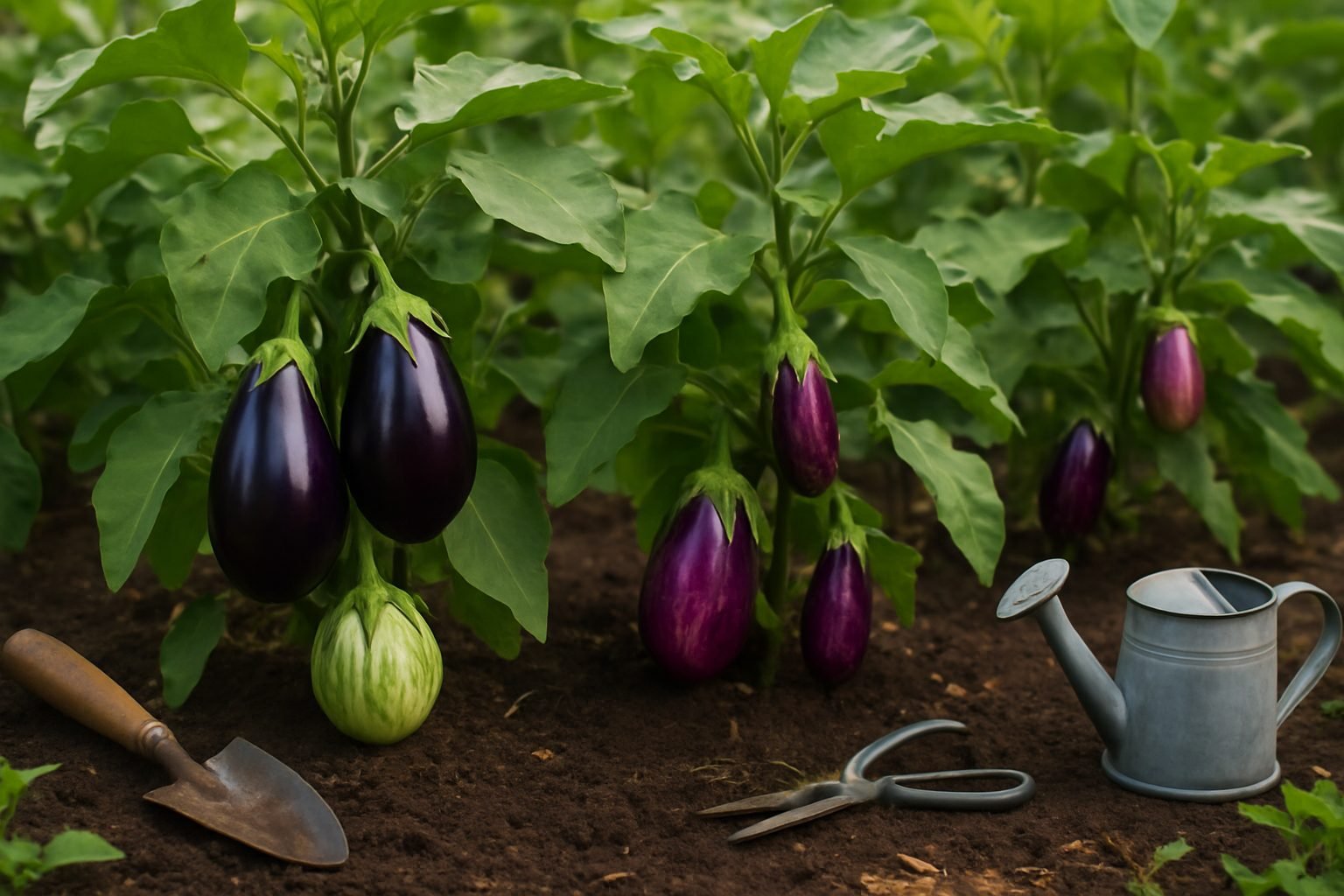
Cold climate eggplant might sound like a contradiction, but with the right strategies, you can enjoy this versatile and rewarding vegetable even in regions with chilly weather. Eggplant, also known as aubergine, brings a distinctive flavor to dishes ranging from hearty ratatouille and Mediterranean moussaka to simple grilled slices in a summer salad. Its creamy texture and ability to absorb spices make it a favorite in global cuisines.
However, if you’ve ever tried growing eggplant yourself, you know these plants love warmth—they thrive in hot, sunny conditions and can be fussy when temperatures drop. For gardeners in cold climates, challenges like short growing seasons, chilly nights, and unpredictable frosts can make cultivating eggplant feel daunting.
But don’t write it off just yet! By selecting the right varieties, starting seeds indoors, using tools like cloches or row covers for extra warmth, and timing your planting carefully, you can harvest plump, flavorful eggplants even up north. Learning how to adapt your approach can unlock a new level of homegrown food satisfaction.
Ready to turn your cold garden into an eggplant oasis? Let’s explore how to overcome the hurdles and reap a bumper crop of cold climate eggplant.
Choosing Eggplant Varieties
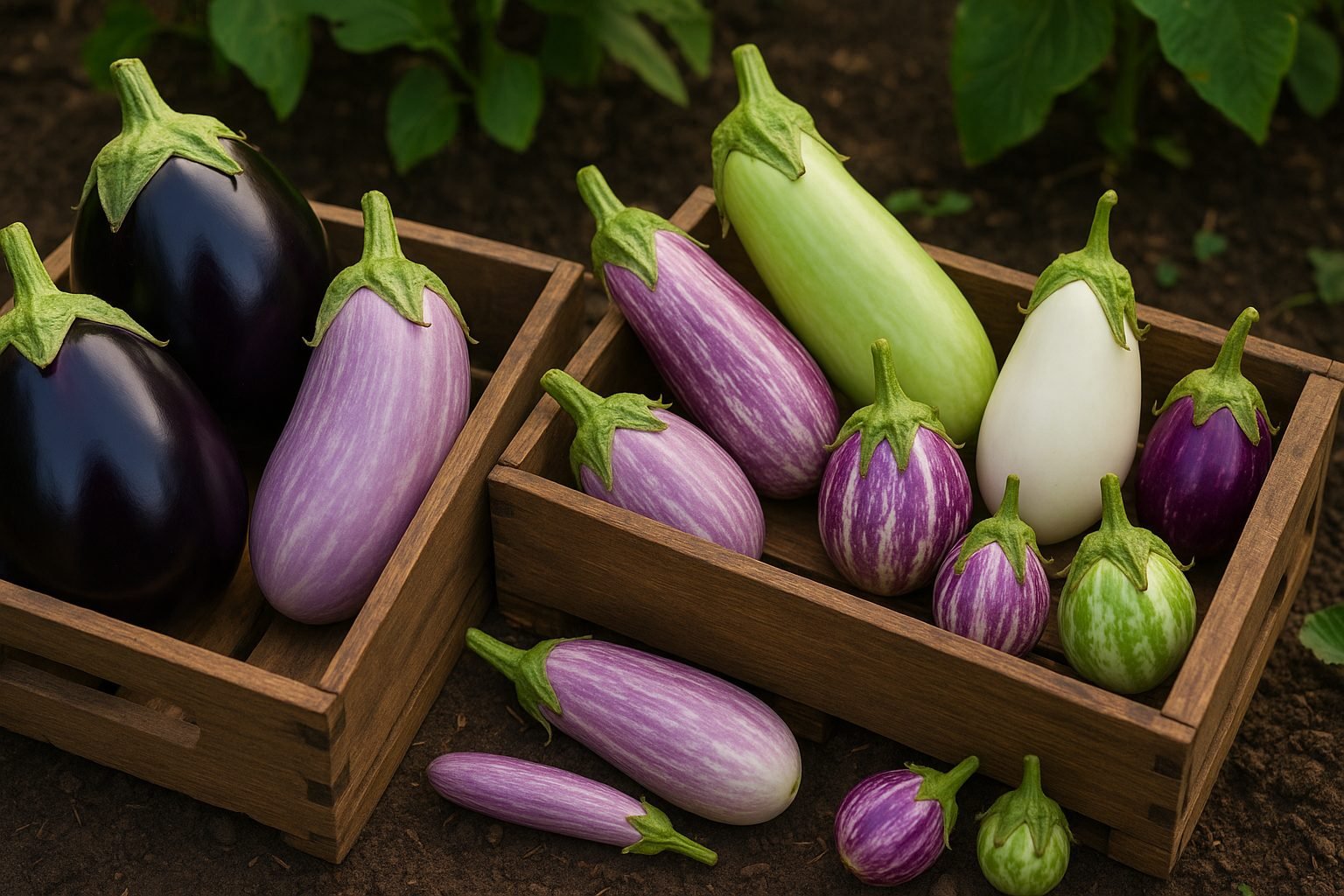
When it comes to picking the right eggplant variety for your garden, you’ll find a diverse lineup to suit every taste and climate. Globe eggplants are the large, glossy, deep purple types you’ll spot in most supermarkets. Their meaty texture and mild flavor shine in grilling or roasting recipes, making them a great pick for those who love classic dishes like eggplant parmesan.
If you’re short on garden space or want something a bit more delicate, Asian eggplants—like Japanese and Chinese types—offer slender shapes and thinner skin, with sweeter, less bitter flavors and fewer seeds. These work wonderfully for stir-fries and quick sautés, plus they tend to mature faster and thrive in both cool and warm conditions.
Heirloom varieties open the door to a rainbow of colors, from creamy white ‘Casper’ to striped ‘Rosa Bianca’ and even tiny, flavorful Turkish or Indian eggplants—perfect for growers looking to experiment or add visual flair to their harvest.
For beginners, starting with nursery seedlings is often easier—they’re less fussy and give you a head start, especially if local frost lingers into spring. Experienced gardeners, meanwhile, might enjoy the adventure of starting seeds indoors, since this unlocks more choice among unique and rare eggplant cultivars.
Just remember, eggplants need steady warmth and plenty of sunlight, so match your variety to your region’s climate: choose heat-loving globe or Asian types for hot summers, or opt for shorter-season heirloom varieties if you garden somewhere cooler. Whether you go for seeds or seedlings, picking a variety that matches your taste and environment sets you up for a beautiful—and delicious—eggplant harvest.
Starting Eggplants Indoors
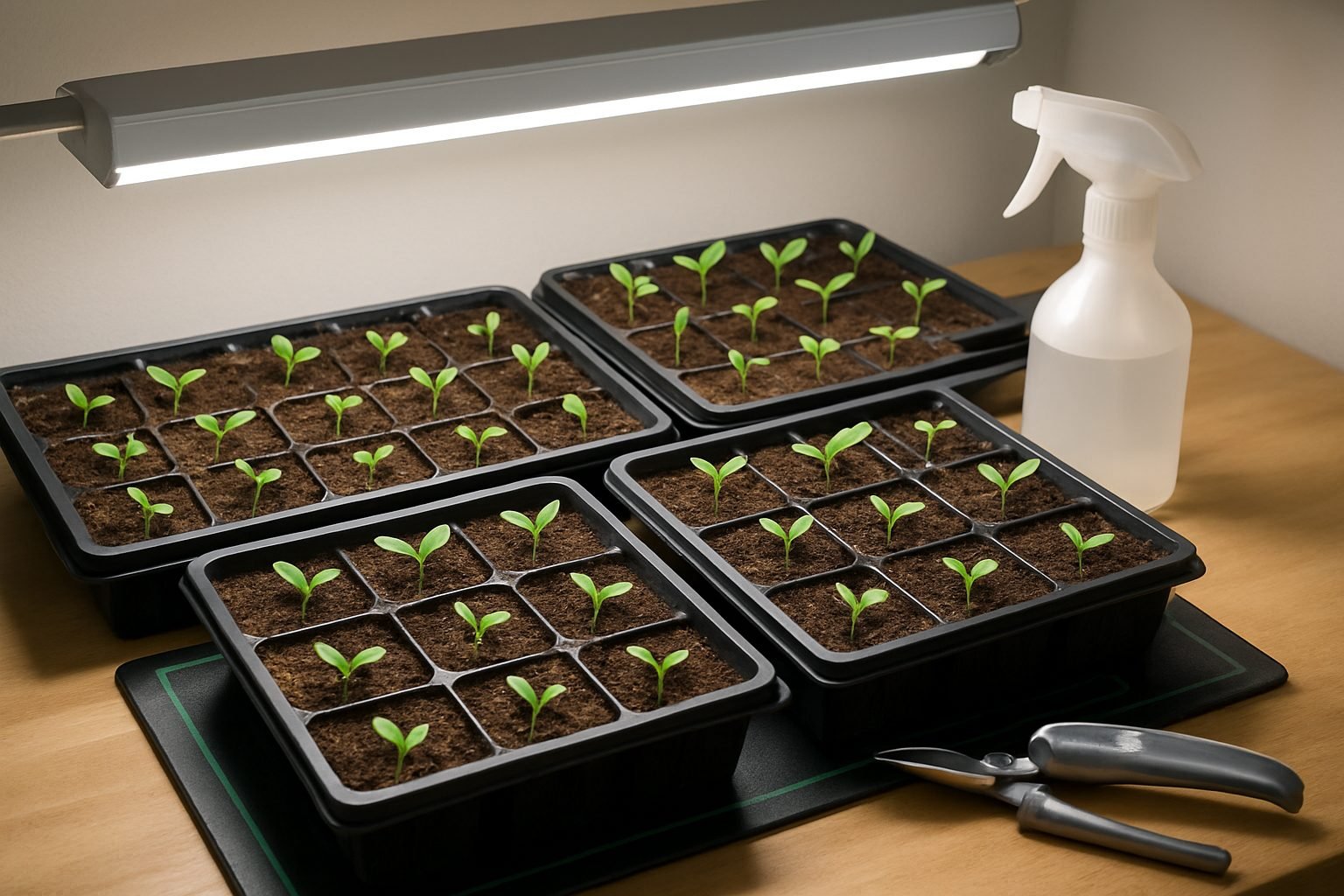
Starting eggplants indoors gives you a jump-start on the season, but these seedlings need specific conditions to thrive. Eggplants love warmth—aim for a consistent soil temperature of 75–85°F (24–29°C) for reliable germination. Using a heat mat can help if your home is cool.
Begin sowing seeds 8–10 weeks before your area’s last expected frost; check a local planting calendar for accuracy. Use a quality seed-starting mix that drains well and lightweight containers, like seed trays or clean yogurt cups with holes punched in the bottom for drainage. Sow seeds about a quarter inch deep, and cover lightly with soil.
Once sprouts emerge, ensure your seedlings get 14–16 hours of bright light daily—placing them under grow lights or right up against a south-facing window works best, since eggplants stretch and become leggy in low light. Water gently to keep the soil moist but never soggy; overwatering can quickly rot tender roots.
As plants grow their first true leaves, thin crowded seedlings by snipping weaker ones at the soil line, leaving the strongest in each container to reduce competition. Rotate trays every few days to keep growth even, and gently brush your hand across the tops to encourage sturdy stems.
With a bit of care and the right setup, you’ll raise robust eggplant seedlings ready for their garden debut.
Transplanting and Outdoor Planting
Transplanting seedlings outdoors is all about timing and gentle handling. Wait until after the last expected frost; check your local frost dates, as these can vary widely by region. Seedlings should have at least two to three sets of true leaves and sturdy stems before moving them outside.
To ease the shock, “harden off” your plants by introducing them to outdoor conditions gradually over a week—start with a couple of hours in dappled shade, extending their time and sun exposure each day.
Before planting, prepare your soil by ensuring it’s loose, rich in organic matter, and drains well. Mix in compost and remove rocks or clumps. Most vegetables thrive in soil with a pH between 6.0 and 7.0; test your soil with an affordable kit and amend as needed with lime to raise pH or sulfur to lower it.
Good drainage is crucial, so if your spot tends to get soggy, build raised beds or mounds. Plant spacing depends on each species—tomatoes, for instance, need at least 18-24 inches between plants to encourage airflow and prevent disease, while lettuce can be spaced closer, around 8-10 inches.
Choose a location with at least 6 hours of direct sun daily, as most edibles and flowers need full sun for vigorous growth. Consider companion planting to get the most from your garden:
- Basil pairs well with tomatoes to boost flavor and deter pests.
- Marigolds can be tucked among veggies to repel nematodes.
Planning your layout with these details in mind sets seedlings up for more resilient, productive outdoor growth.
Caring for Eggplants as They Grow
Eggplants thrive when given consistent care, especially during the crucial growing season. Start by watering regularly—about one to two inches per week—keeping the soil evenly moist but not waterlogged. Mulching with straw or compost helps retain moisture and suppress weeds.
Incorporate a balanced, slow-release fertilizer at planting time, then apply a liquid fertilizer high in potassium every two to three weeks once flowers appear. As eggplants develop, their branches can get heavy with fruit, so gently stake each plant using bamboo canes or tomato cages to prevent them from toppling over. Tie stems loosely with soft garden twine to avoid damage.
Pruning is also key: remove any lower leaves that touch the soil and pinch off small, weak shoots growing from the main stem so the plant can focus energy on healthy fruit production.
Keep an eye out for common pests like flea beetles and aphids, which can be managed by spraying plants with a mild soap solution or introducing beneficial insects such as ladybugs. Applying row covers early in the season can deter many insects before they take hold.
Eggplants are also susceptible to diseases like verticillium wilt or powdery mildew. Prevent these by rotating crops each year, avoiding overhead watering, and promptly removing any yellow or spotted leaves.
With regular attention to these needs, your eggplants will reward you with abundant, healthy fruits throughout the summer.
Protecting Eggplants from Cold and Heat
Protecting eggplants from temperature extremes is key to getting a strong harvest since both cold and heat can stunt growth or ruin blossoms.
For early-season frost protection, start seeds indoors 6-8 weeks before your last frost date—eggplants hate the cold and need a warm, sheltered beginning. Once you move seedlings outside, use row covers or garden fabric to trap warmth at night and shield young plants from surprise chills. If a late frost threatens, plastic jugs (with the bottom cut off) or even an old sheet can work in a pinch.
Heat can be just as big a problem: when temperatures soar above 90°F (32°C), blossoms often drop and fruits may not set. To combat this, create afternoon shade using lightweight shade cloth or plant eggplants where they get some relief from the hottest sun.
Consistent, deep watering helps too, as dry soil can make heat stress worse—early morning is the best time to water, allowing leaves to dry and roots to stay cool. Mulching with straw or chopped leaves will buffer root zones against both cold snaps and hot spells, holding in moisture during heatwaves and insulating against nighttime chills.
Look for signs of stress, like dropped flowers or curled leaves, and adjust your care routine quickly—eggplants can bounce back with the right protection. These hands-on strategies create a flexible, resilient environment, helping your plants thrive despite unpredictable weather.
Harvesting and Using Eggplant
Knowing when to harvest your eggplant makes all the difference in texture and taste. Look for glossy, firm skin and a vibrant color—if the fruit starts to turn dull or feels hard as wood, it’s past its prime. A good trick is to press your thumb gently against the skin; if it bounces back without leaving an imprint, it’s ready to pick.
Use clean garden shears or a sharp knife to cut the stem about an inch above the fruit, being careful not to tug or twist, which can damage the plant and affect future yields.
Once harvested, eggplant is best used within a few days for peak flavor—try slicing it for grilling, tossing into a stir-fry, or layering in classic dishes like eggplant parmesan.
If you can’t use them right away, store eggplants unwashed in the crisper drawer, ideally in a paper bag to reduce moisture build-up. For longer storage, you can cube and blanch them for the freezer or preserve slices by pickling.
Freezing works well for stews and sauces, while pickled eggplant makes a tangy topping for salads and sandwiches. With the right timing and care, you’ll enjoy your homegrown eggplants for weeks to come.
Conclusion and Next Steps
Successful eggplant cultivation hinges on a few key practices: start with healthy seedlings, give them plenty of sun, and water consistently, especially during dry spells. Mulching helps retain soil moisture, and regular checks for pests like flea beetles can keep plants thriving.
Don’t be afraid to experiment with different varieties—whether you try classic Black Beauty or long, slender Ichiban, each brings a unique flavor and look to your garden. Share your experiences with fellow gardeners; learning from each other’s successes and missteps is invaluable.
Once you’re comfortable with eggplants, consider trying related crops like peppers or tomatoes, which have similar growing needs. For further learning, local extension services, gardening books, and online forums can offer a wealth of advice tailored to your climate. With a bit of curiosity and care, your edible garden will only get better each season.