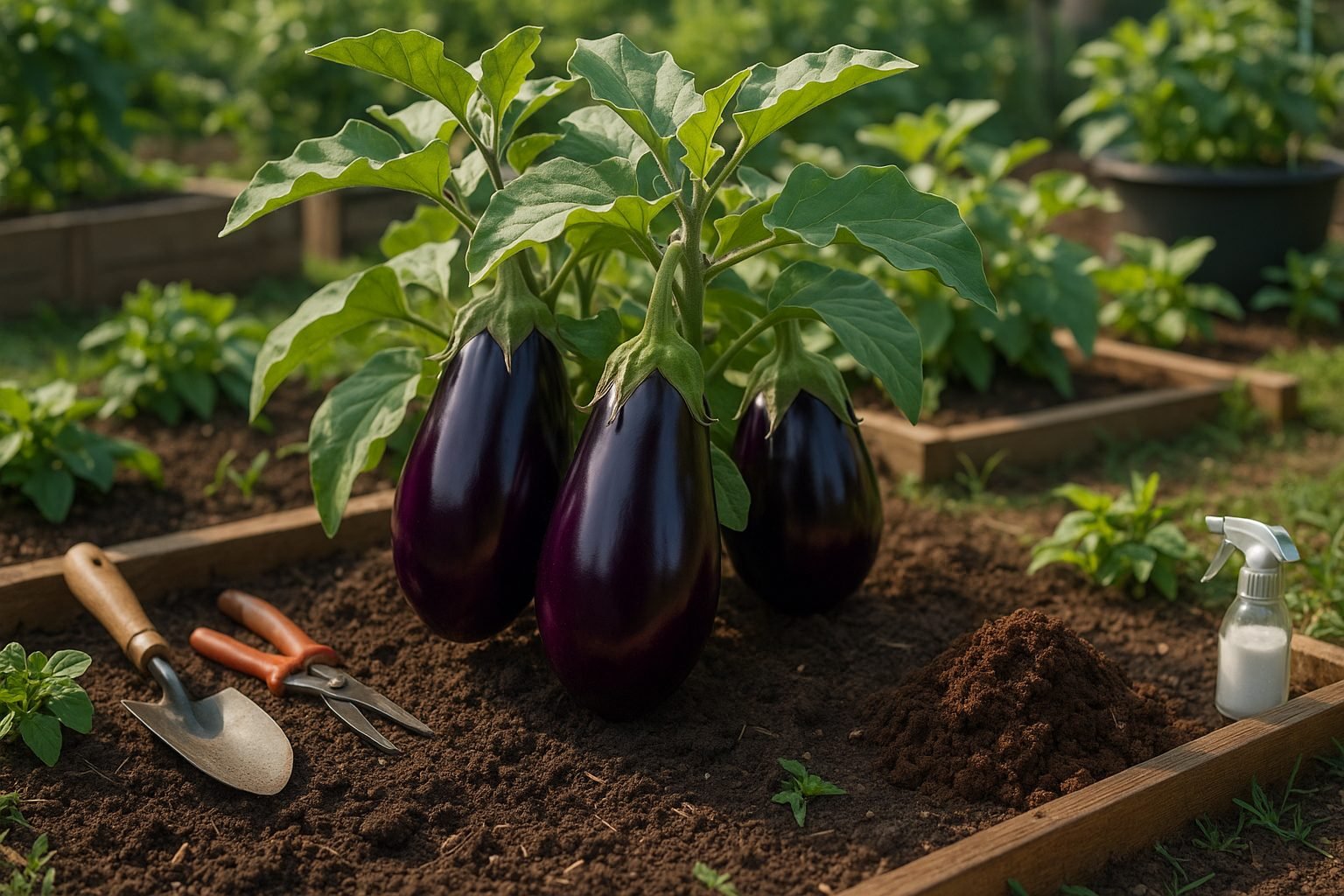
Getting Started
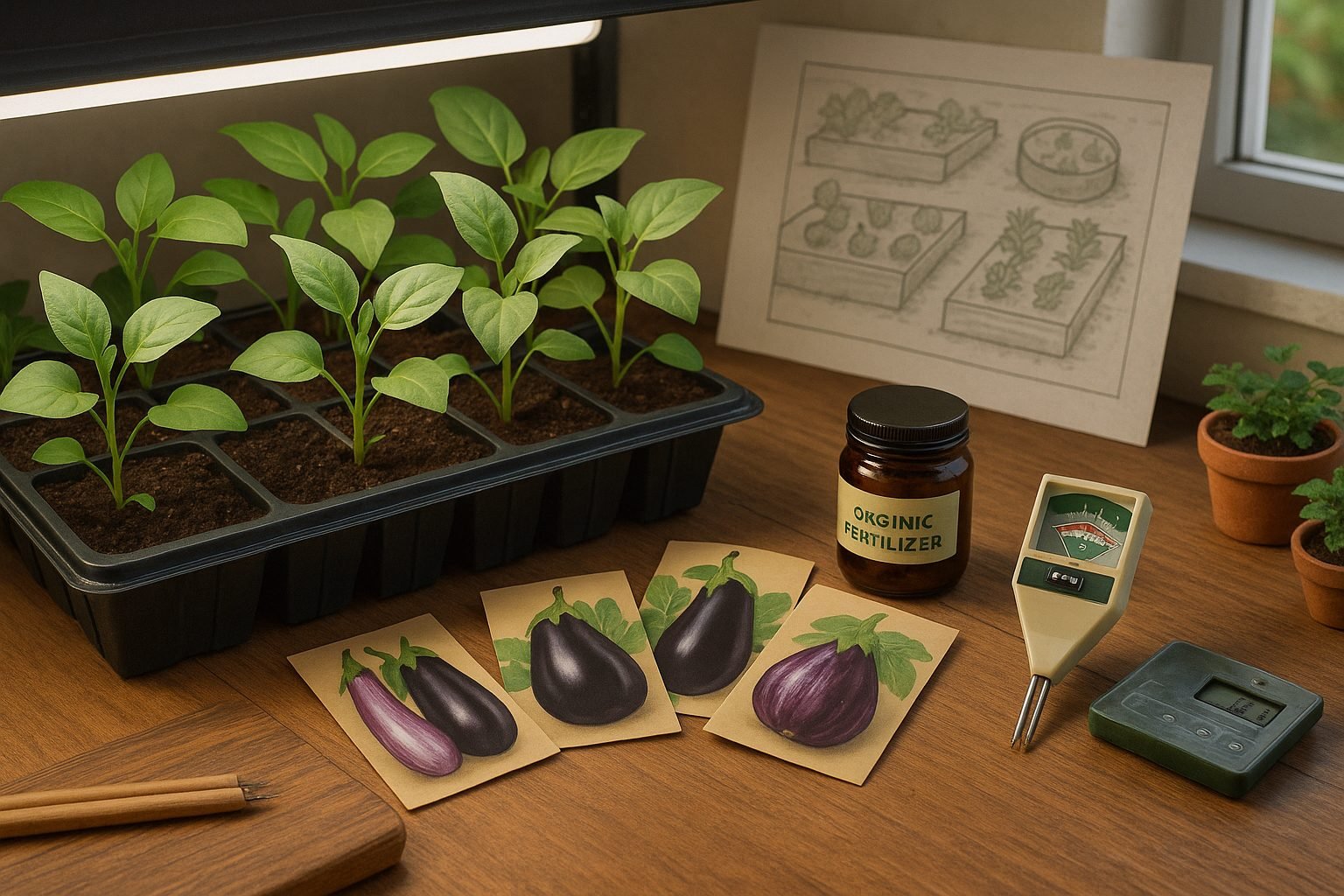
When setting out to grow your own delicious aubergines, avoiding common eggplant growing mistakes can make all the difference between a thriving harvest and a garden letdown. One of the first missteps many gardeners make is choosing an eggplant variety that isn’t well-suited to their local climate or garden setup.
For instance, while classic ‘Black Beauty’ or compact ‘Hansel’ varieties work well in cooler regions and small spaces, heat-loving types like ‘Ping Tung Long’ or ‘Listada de Gandia’ flourish in longer, warmer seasons. Look for varieties labeled as disease-resistant or early-maturing if your area has a short summer, and consider your available space—some eggplants sprawl, while others stay bushy and contained, making them ideal for raised beds or containers.
Getting the planting process right is also key. Eggplants are sensitive to cold, so start seeds indoors about 8-10 weeks before your last frost date. Harden off seedlings by gradually exposing them to outdoor conditions over a week, and only transplant when nighttime temperatures reliably stay above 55°F (13°C).
Whether you’re planting in a traditional garden bed, a raised bed, or even a greenhouse for season extension, choose a location with at least six hours of direct sunlight each day and shelter from strong winds.
Soil health is often overlooked but is central to success. Eggplants need well-draining, loose soil with rich organic matter—think compost or well-rotted manure—and a pH between 5.5 and 7.0. Heavy clay can stunt growth and encourage root rot, while sandy soil may require extra nutrients and more frequent watering.
A simple soil test before planting can help you fine-tune pH and fertility. By thoughtfully selecting varieties and preparing both your seedlings and soil, you’ll set the stage for vigorous plants and a bountiful eggplant harvest—all while sidestepping the most common eggplant growing mistakes.
Essential Eggplant Care Tips
Caring for eggplants starts with getting your watering routine just right. Eggplants need consistent moisture, so water them deeply once or twice a week, depending on rainfall and soil type—aim for about 1–2 inches per week. Avoid letting the soil dry out completely or, conversely, overwatering, which can cause root rot and fungal problems. A big mistake gardeners make is watering too lightly or only wetting the leaves; always focus on soaking the soil directly at the base of the plant.
Sunlight is equally crucial—eggplants crave at least six to eight hours of direct sunlight each day, which helps them produce robust, flavorful fruits. Another key is proper spacing: set your plants about 18–24 inches apart. Crowded plants can struggle with poor airflow, making them more susceptible to pests and diseases, while well-spaced eggplants grow larger and healthier.
When it comes to feeding, eggplants are heavy feeders that thrive on a balanced fertilizer. Use a slow-release granular fertilizer at planting, then supplement with a high-potassium liquid fertilizer (like tomato food) every three to four weeks to encourage strong flowering and fruiting.
As your eggplants grow, don’t forget about physical support—tall varieties heavy with fruit often need staking. Install stakes or cages early, so you don’t disturb the roots later, and use soft ties to gently secure stems. This prevents branches from snapping under the weight of maturing eggplants, allowing the plant to focus on healthy fruit development rather than repairing injuries.
With a little attention to these basics, your eggplants will reward you with an impressive harvest all season long.
Companion Planting and Crop Rotation
Companion planting gives eggplants a natural boost by attracting beneficial insects, deterring common pests, and even improving overall plant health. For example, basil is a classic partner for eggplants—its strong scent repels pests like aphids and spider mites while enhancing growth and flavor.
Marigolds are another excellent choice; their vibrant flowers attract pollinators and drive away nematodes and beetles that could damage your crop. Beans and peas also make reliable companions, enriching the soil with nitrogen that helps eggplants thrive.
However, not all neighbors are helpful—avoid planting eggplants near fennel, which can stunt their growth, or near potatoes and other nightshades, as they can share diseases and pests such as the Colorado potato beetle.
When it comes to crop rotation, shifting eggplants and other nightshades (like tomatoes, peppers, or potatoes) to different garden beds each season is key to disrupting pest and disease cycles. Avoid planting them in the same spot for at least three years. Instead, rotate with non-nightshade families such as leafy greens, root vegetables, or legumes.
This simple practice reduces soil-borne pathogens like verticillium wilt and lessens the risk of recurring pest outbreaks. By combining thoughtful companion planting with strategic crop rotation, you’ll create a healthier, more productive garden for your eggplants year after year.
Troubleshooting Common Eggplant Problems
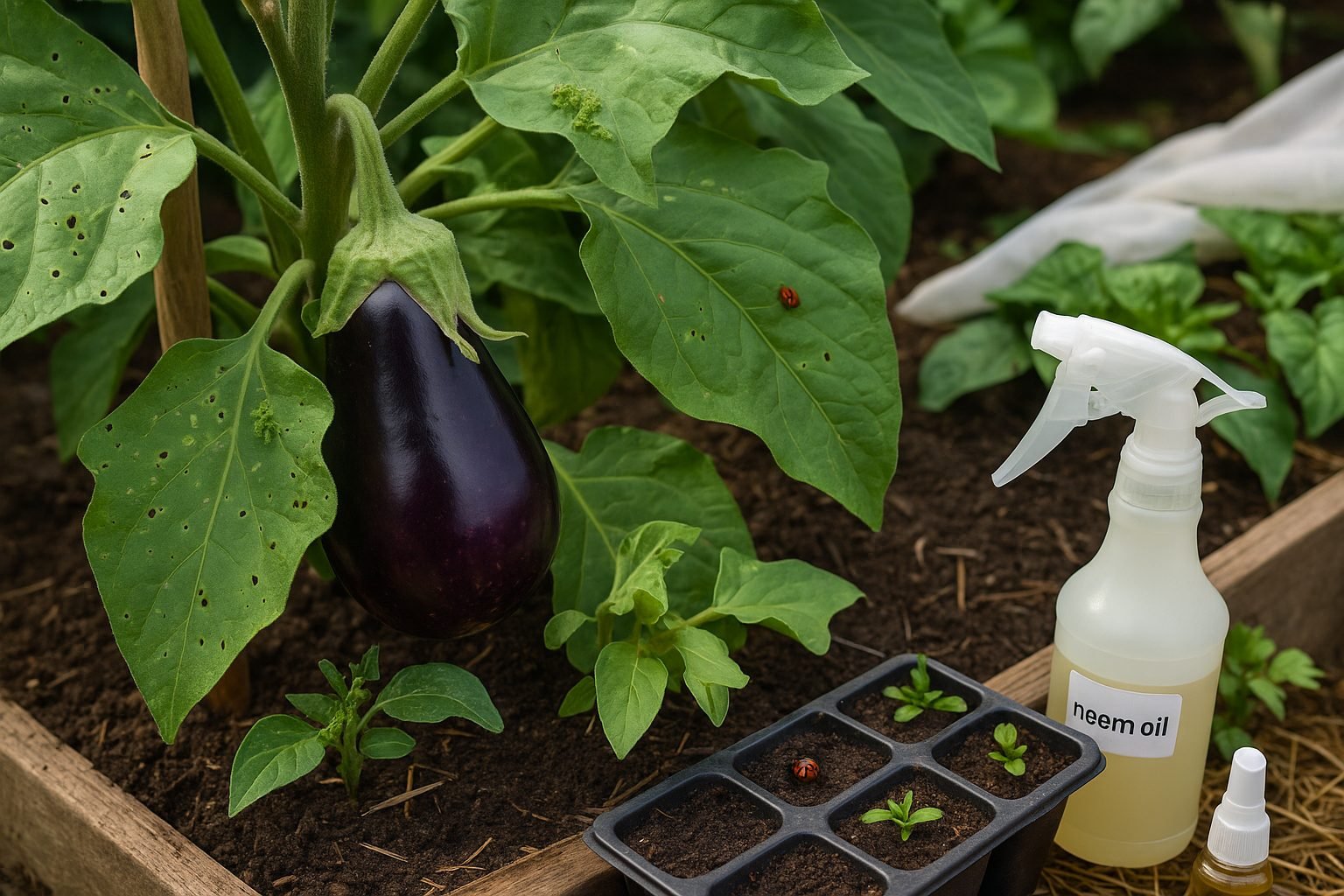
Eggplants are generally hardy, but they aren’t immune to problems—identifying symptoms early is key to a good harvest. One frequent issue is pest infestations, especially by flea beetles, which leave tiny holes in leaves, making plants look lacy. To manage them, use row covers early in the season, regularly check for pests, and apply neem oil spray as a safe deterrent.
Aphids and spider mites can also be a nuisance, causing curled or yellowed leaves. Rinse them off with a strong jet of water or introduce beneficial insects like ladybugs to control populations naturally.
On the disease front, verticillium wilt is a serious threat, causing leaves to yellow, wilt, or drop prematurely—plants also tend to look stunted overall. Since there’s no cure, it’s crucial to rotate crops each year and choose disease-resistant eggplant varieties wherever possible.
If you spot brown, sunken spots on fruit, this could be blossom end rot, usually due to inconsistent watering and calcium deficiency. Prevent this by mulching to maintain even soil moisture and occasionally using a calcium-rich fertilizer.
High temperatures or sudden cold snaps may cause flowers to drop or fruits to be misshapen—try to plant in a sheltered, sunny spot and use garden fabric if a late chill is forecast. Mulching helps moderate soil temperature and moisture while discouraging weeds and soil-borne diseases.
Above all, practice good garden hygiene—clear away old foliage, never compost diseased plants, and sanitize your tools between uses. By paying close attention to plant health and creating an environment that supports healthy growth, you’ll help your eggplants resist pests, diseases, and stress for a bountiful season.
Harvesting and Storing Eggplants
Knowing the right moment to harvest eggplants makes all the difference in capturing their best flavor and texture. Instead of waiting for eggplants to grow as large as possible, look for glossy, deep-colored skin. Gently press your thumb against the surface—if the skin springs back without leaving a mark, the eggplant is ready to pick. Dull, faded, or easily indented skin signals overripeness, which can lead to bitter, tough flesh.
Use clippers or a sharp knife to cut the fruit with a short stem attached to avoid tearing the plant. Once harvested, eggplants are best enjoyed within a few days for peak taste, but they can be stored in the refrigerator crisper drawer for up to a week—ideally in a paper bag to prevent moisture buildup.
If you need to store them longer, you can blanch sliced or cubed eggplant for a few minutes, then freeze them in airtight containers. This method helps preserve both texture and flavor, though the end result is best for cooked dishes.
Remember that eggplants are sensitive to both chilling and ethylene-producing fruits (like apples or tomatoes). Keep them separate and avoid very cold temperatures, which can cause pitting and browning. By using these cues and storage tips, you can enjoy garden-fresh eggplants long after picking day.
Quick Success Tips for Beginners
Getting started with gardening can feel overwhelming, but a few practical strategies will help you sidestep common beginner pitfalls and see better results right away.
Start by choosing easy-to-grow plants matched to your climate and available sunlight—herbs like basil or veggies like lettuce are forgiving for first-timers. Avoid the temptation to plant too early; wait until after your area’s last frost date to prevent stunted seedlings. Stagger your planting times so crops aren’t all ready at once—this prevents waste and keeps your workload manageable.
For simpler care, group plants with similar light and water needs together, and use mulch to conserve moisture and deter weeds. Feeding with a balanced, slow-release fertilizer gives your plants the nutrients they need without complicated schedules. Don’t crowd your plants, even if you’re eager to maximize every inch; proper spacing ensures good airflow, which helps prevent disease and encourages stronger growth.
Watch your garden daily for early signs of pests or problems—a quick response keeps issues from spreading. Most importantly, keep expectations flexible and don’t get discouraged by minor setbacks; every gardener has a learning curve, and your skills will sharpen with each season.
Stay patient, jot down what works (or doesn’t), and remember that adapting your approach is part of the fun. Even small successes add up, and consistent tweaks lead to bigger yields and more robust plants over time.