Introduction
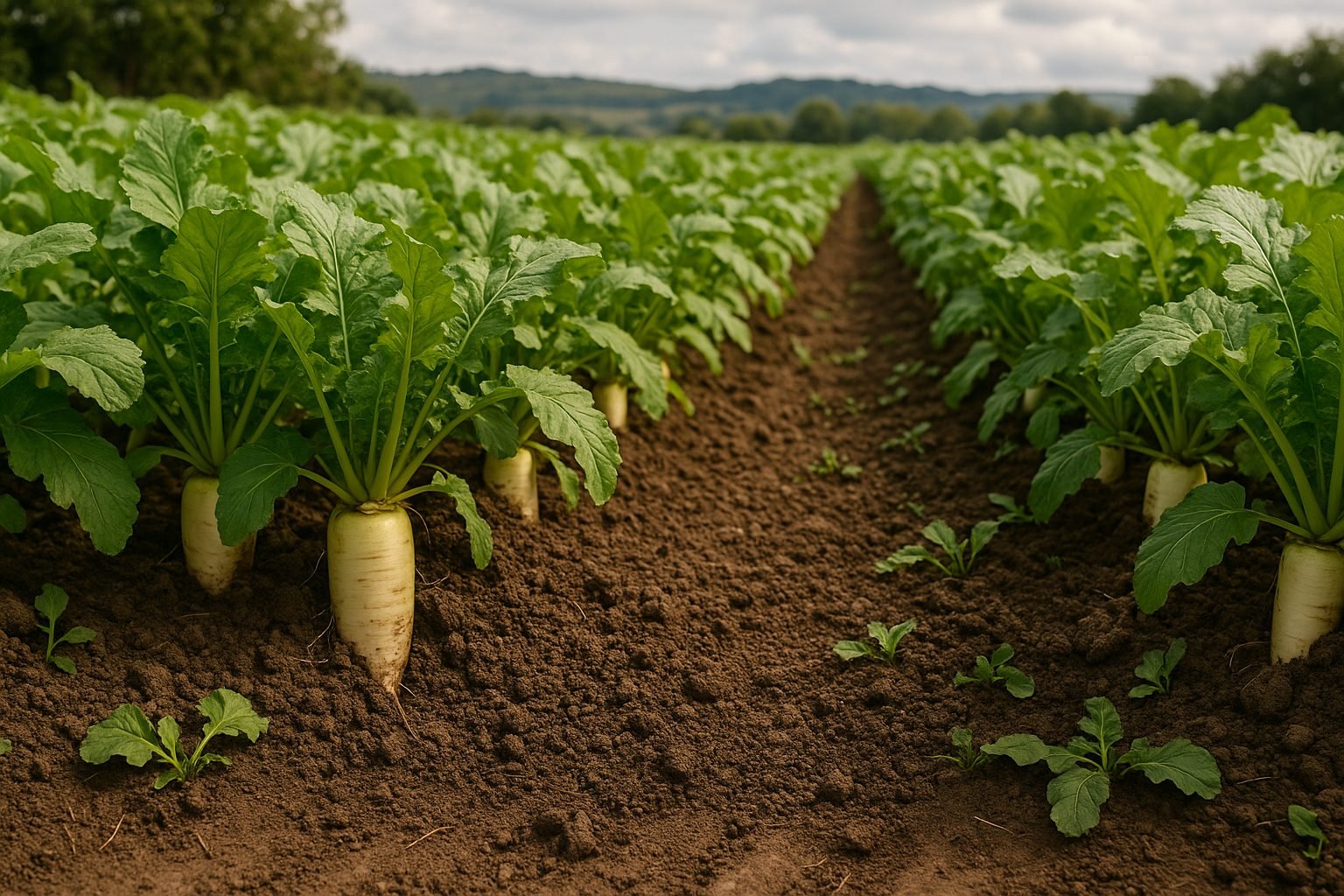
radish soil health is quickly becoming a hot topic among gardeners and farmers looking to boost productivity and sustainability. One radish in particular—the daikon radish—has seen a surge in popularity for its role as a cover crop, especially in no-till gardening and regenerative agriculture practices.
Known for its fast-growing, deep taproot, the daikon radish naturally breaks up compacted soil, improves water infiltration, and brings valuable nutrients closer to the surface. This simple root vegetable doesn’t just offer benefits for your next harvest; it fosters lasting improvements for soil structure and microbial life, making it a cornerstone in modern sustainable farming.
In this article, we’ll explore how daikon and other radishes contribute to radish soil health, explain their use in no-till systems, and share real-world examples of successful adoption on both small and large scales. You’ll also learn practical tips for integrating radishes into your own soil-building routines, whether you’re managing a backyard plot or a commercial field. Discover why more growers are planting radishes not just for their own plates, but for the long-term health and resilience of their soil.
Why Choose Daikon Radish as a Cover Crop?
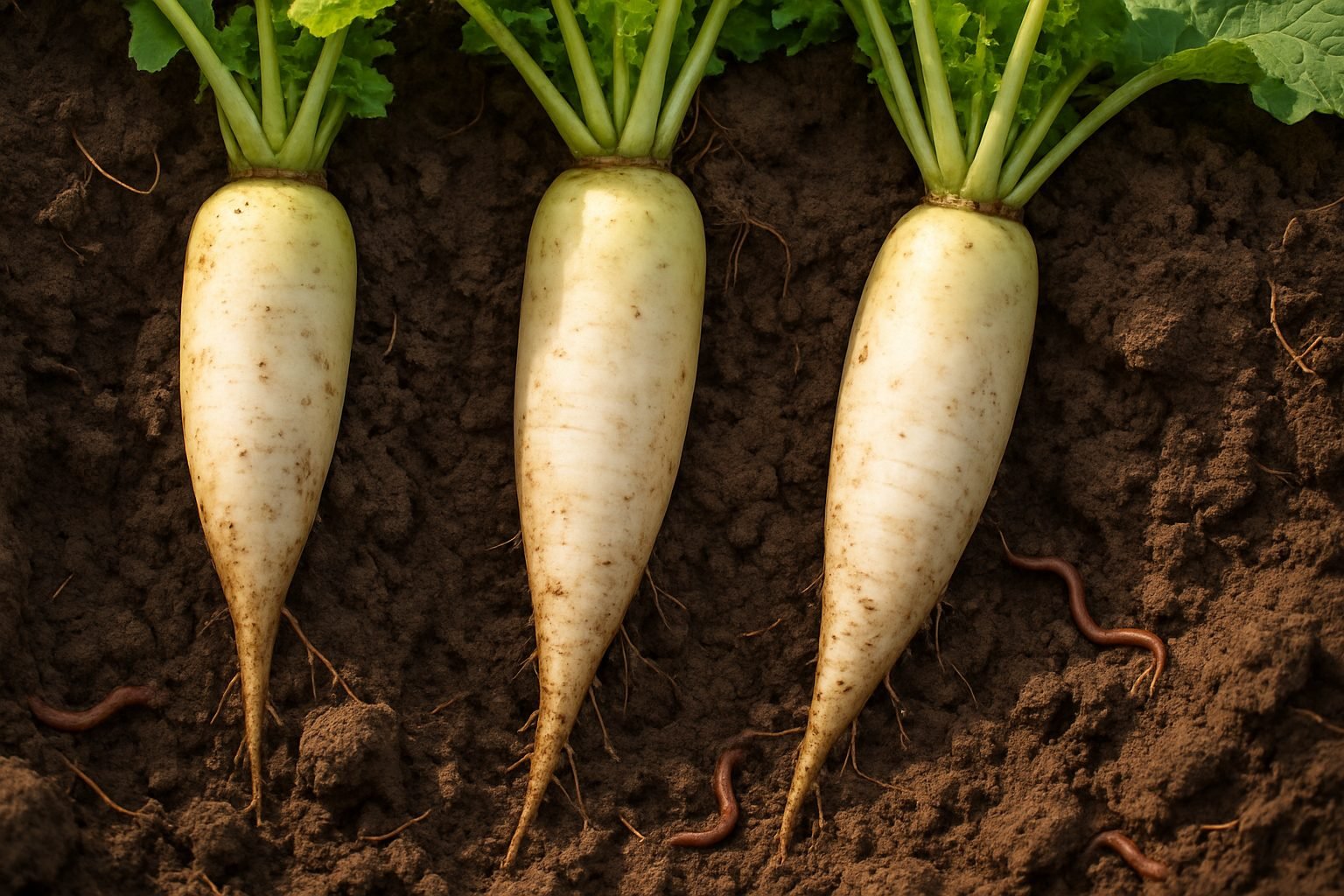
Daikon radish is quickly becoming a favorite among gardeners and farmers as a cover crop because of its powerful ability to improve soil from the ground up. One of its standout features is the deep, sturdy taproot, which acts like a living drill—breaking through compacted soil layers and creating natural channels for water, air, and roots of future plants to penetrate more easily. This means healthier soil structure and better drainage, especially in fields that tend to get hard and crusted.
As daikon grows, its leafy canopy shades the ground, making it tough for weeds to gain a foothold—saving you work and reducing the need for herbicides. Daikon also excels at scavenging residual nutrients like nitrogen from deeper soil layers, pulling them up into its roots and leaves so they aren’t lost to leaching over the winter. When the plant dies back, these nutrients are released in a form that’s easier for crops to use next season.
On top of all this, decaying daikon roots add valuable organic matter, boosting microbial life and enhancing overall soil health. The strong scent and compounds in daikon can even help disrupt the life cycles of soil-borne pests and reduce populations of root-knot nematodes, giving your next crop a healthier start.
Whether you’re managing a backyard garden or acres of farmland, using daikon radish as a cover crop is a low-effort, natural way to build stronger soil, cut back on weeds, recycle nutrients, and keep pests in check for seasons to come.
How Daikon Radish Improves Soil Health
Daikon radish is a powerhouse when it comes to improving soil health, thanks to its unique growth habits and biology. With its long, sturdy taproot, daikon can pierce compacted soil layers—known as hardpan—that often block water, roots, and air from penetrating deeper soil levels.
This natural soil aeration not only loosens the ground, making it easier for future plants to root, but also improves water infiltration, reducing surface runoff after rain. As the daikon plant grows, it acts like a living drill, tunneling through tough dirt and breaking up compaction in places where heavy machinery or repeated foot traffic might have squeezed the earth too tightly for healthy plant growth.
When harvest time is over or if the radish is left to winterkill, the thick roots decompose underground, adding a valuable dose of organic matter right where plants need it most. This natural composting feeds beneficial microbes, boosts soil structure, and helps the earth retain more moisture for longer periods.
Another major benefit of daikon radish is its knack for nutrient scavenging. As it grows, its deep roots pull up nutrients—especially nitrogen, phosphorus, and potassium—that might otherwise wash away or sit out of reach for shallow-rooted plants. When the daikon dies back, these nutrients are released slowly as the roots break down, cycling them back into the soil in a plant-available form.
This process not only prevents nutrient leaching but also results in healthier, more nutrient-rich soil for whatever you plant next, whether it’s vegetables, flowers, or cover crops. Gardeners and farmers alike find daikon to be a low-effort way to reboot tired, compacted soils, reduce the need for synthetic fertilizers, and set up their land for more robust growth year after year.
Simply sow daikon seeds in early fall, let nature do the heavy lifting, and reap the benefits of richer soil come spring.
How to Plant Daikon Radish as a Cover Crop
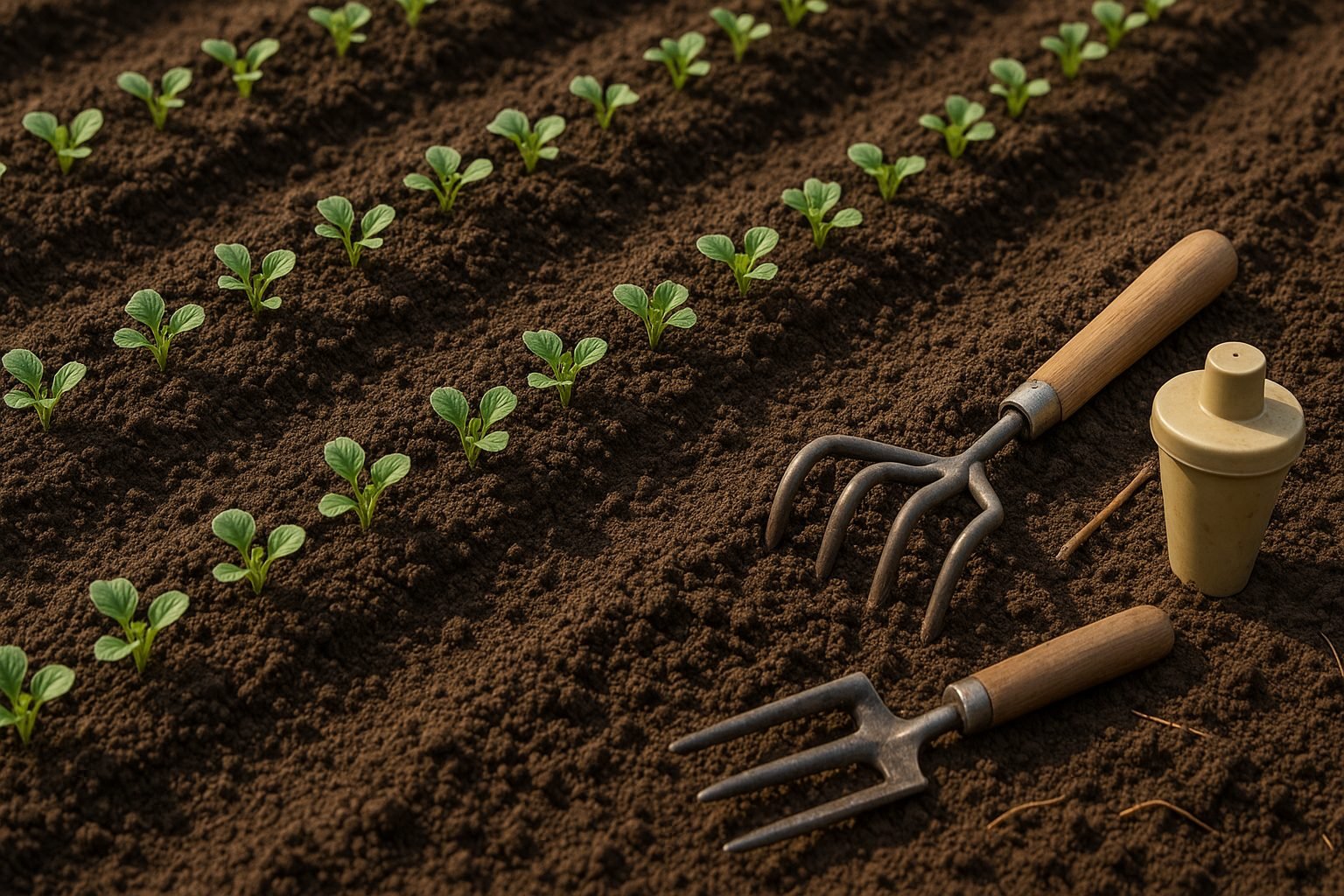
To successfully plant daikon radish as a cover crop, timing and climate are key. Daikon thrives in cool weather, so aim to sow seeds in late summer or early fall—about 4 to 6 weeks before your first expected frost. This allows the roots to grow large enough to break up soil and scavenge nutrients before winter sets in.
Daikon prefers well-drained, loose soil and full sun, though it can tolerate partial shade. For direct seeding into bare ground, scatter seeds at a rate of about 10 to 12 pounds per acre, or roughly 0.5 ounce per 100 square feet in gardens. Plant seeds ½ inch deep, spacing them 2 to 6 inches apart in rows that are 12 to 18 inches apart. This spacing gives roots room to expand and maximizes soil coverage.
If you’re overseeding into existing beds or between crops, broadcast the seeds evenly, then gently rake them in to ensure good soil contact. Lightly water after planting to help with germination.
In compacted soils, daikon’s deep taproots are especially effective at breaking up hardpan—making it a favorite among organic gardeners. For weed suppression, sowing thicker—up to double the normal rate—can provide a denser canopy. Watch for any dry spells and provide a good soaking once a week if there’s no rain.
Since daikon is fast-growing, you’ll see leafy tops within a week and robust roots forming over the next two months. In regions with harsh winters, the foliage will naturally die back after frost, but the roots will keep benefiting your soil until spring.
When used as a cover crop, let the radishes winterkill and decompose where they grew, adding organic matter and leaving channels in the soil for better drainage and future root growth—no need to pull them up unless you want a few for the kitchen.
Planting daikon this way not only improves your soil’s structure but also makes for an easy, low-maintenance cover crop option for most gardens.
Caring for Daikon Cover Crops
Caring for daikon cover crops is straightforward with a bit of attention to their needs. Daikon radishes require consistent moisture, especially during germination and root development. Aim to water regularly when rainfall is light—about an inch per week is a good guideline.
Watch for overcrowding, as daikons grow best when thinned to 4 to 6 inches apart. This spacing ensures each plant has enough room for optimal root growth and helps prevent stunted, twisted radishes.
Regularly check the bed for weeds, which can quickly compete with young daikon for nutrients and water. Mulching between rows is an effective way to suppress weeds.
Be alert to pests like flea beetles, which leave tiny holes in the leaves, and root maggots, which can damage radishes underground. Using floating row covers and rotating crops each season helps minimize these threats.
Downy mildew and root rot are common diseases, often caused by overly wet soil or poor air circulation. Avoid overwatering and thin seedlings as needed to prevent these issues.
A regular walk-through every few days—looking for chewed leaves, yellowing, or wilting—can help catch problems early before they get out of hand.
Keeping a simple garden journal to track watering, thinning, and pest sightings is a hands-on way to prevent neglect and keep your daikon thriving.
With a little attention, your daikon cover crop will enrich your soil while producing robust, healthy roots.
Managing Daikon After Growth: Termination & Residue Handling
Knowing when and how to terminate daikon after growth is crucial for maximizing its soil-building benefits. Ideally, termination should occur before the plants set seed but after they’ve developed their hallmark deep taproots—often six to ten inches long or more. In most regions, this means mowing or chopping the daikon when the leaves are still green but the threat of a hard frost is near. This timing encourages maximum root penetration without allowing the plants to become weedy or difficult to handle.
If you’re in a climate with cold winters, you can also rely on winter kill, as daikon typically succumbs to hard freezes, leaving the dead plant material in place. Whichever method you choose—mechanical mowing, flail chopping, or simply letting frost do the job—it’s important to manage the resulting plant residue to maximize its benefits.
Chopped or winter-killed daikon decomposes quickly due to its tender tissues and high water content. Leaving the residue on the soil surface acts as natural mulch, suppressing spring weeds and returning organic matter directly to the topsoil. As the plant breaks down, its carbohydrate-rich tissues feed soil microbes, boosting biological activity and nutrient cycling.
The decomposing roots leave channels in the soil, which can be a game-changer for the next crop: they improve drainage, make it easier for young roots to grow, and help capture and retain moisture. If you plan to plant early spring crops, lightly incorporating the residue with a shallow till or a pass of a harrow can speed up decomposition while protecting soil structure.
The overall result is a boost in soil tilth, moisture retention, and fertility, giving your next planting a strong, healthy start without relying on synthetic inputs.
Important Factors & Potential Challenges
Before planting cover crops like radishes, timing is everything—especially when rotating with cash crops. Aim to sow radishes after your main harvest but early enough in the season to ensure they grow before cold weather sets in. Planting too late risks poor root development or winterkill.
Be sure to terminate radishes before they bolt or flower, as uncontrolled seeding can lead to volunteer radishes popping up in subsequent seasons, complicating crop management and herbicide planning. Additionally, radishes decompose rapidly and may release compounds that suppress the germination and growth of sensitive crops, a phenomenon called allelopathy.
For example, if you’re planning to plant small-seeded vegetables like carrots or lettuce right after radishes, allow the soil a buffer period of a few weeks between termination and replanting.
Also, watch out for local pest patterns: radishes can attract flea beetles or root maggots, which might persist and affect your cash crops. On the wildlife front, deer and groundhogs are known to graze on leafy cover crops, so keep an eye out if your area experiences frequent animal traffic.
By considering these timing, competition, and pest/wildlife factors upfront, you’ll set your next crop up for success and avoid unnecessary headaches.
Frequently Asked Questions & Tips for Success
New to daikon as a cover crop? Start by planting seeds in late summer to early fall, since daikon radishes prefer cooler weather and will die back in winter, leaving behind nutrient-rich organic matter.
Many beginners ask if daikon can handle their soil type—fortunately, daikon is excellent at breaking up compacted clay but also thrives in loam and sandy soils.
Wondering about planting depth and spacing? Sow seeds about half an inch deep and space them 2–4 inches apart for the best root growth.
Some worry about pests: while daikon is relatively pest-resistant, flea beetles can be a challenge. Use row covers or interplant with aromatic herbs to deter them.
Gardeners also ask if daikon will reseed—if roots aren’t pulled before flowering in spring, you may see volunteer plants next season.
To get the most out of your cover crop, mow or cut down tops before seeds form, and chop up the residue to boost soil health.
If gardening in raised beds, scale down seeding rates and try growing daikon among other cover crops for diversity.
Every garden is unique, so start with a small test patch and adjust planting time, spacing, and management methods as you learn what suits your space best. Experimentation is key—don’t be afraid to tweak your approach as you discover what helps your soil and crops thrive!