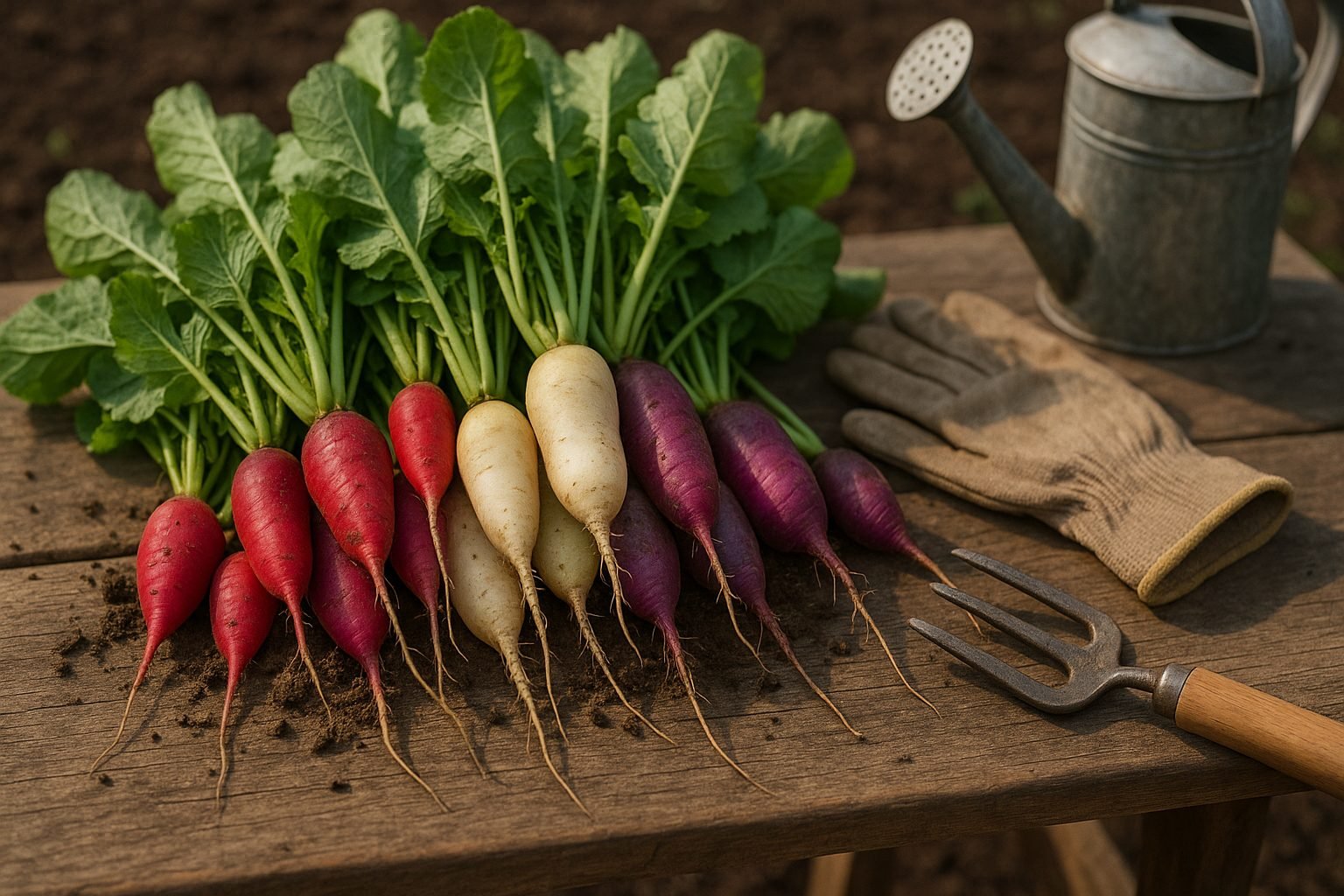
Why Are My Radishes Spicy or Bitter?
If you’ve ever taken a bite and wondered why your radishes taste bitter, you’re not alone. Radishes are meant to be crisp, slightly peppery, and refreshingly mild, but sometimes homegrown ones pack a spicy or downright bitter punch that’s hard to swallow. It’s common for gardeners and food lovers to ask why their radishes taste hotter, stronger, or just not as pleasant as expected. Maybe you harvested a fresh batch from your garden and found they were almost too spicy for your salad—so what’s going on here?
Most radishes develop flavor based on their variety and growing conditions, with factors like weather, soil, and timing playing surprisingly big roles. For example, hot spells or slow growth can lead to chemical changes in the root, making it spicier or more bitter than store-bought ones. Both beginner and experienced gardeners often face this problem and wonder how to get consistently mild, crisp radishes for snacking or recipes.
The good news? With a little know-how, you can tame those fiery roots. In this post, we’ll dig into the real reasons behind spicy or bitter radishes and share practical tips for prevention—like ideal planting times, watering routines, and which varieties to choose. Whether you want to avoid tough, sharp-tasting crops or just enjoy your homegrown vegetables more, we’ll help you turn every harvest into a flavorful success.
Common Reasons Radishes Turn Spicy or Bitter
If you’ve ever bitten into a radish expecting a crisp, mild crunch but were instead met with an intense spicy or bitter punch, you’re not alone—this is a common issue with homegrown and even store-bought radishes. Several key factors can cause radishes to develop that strong flavor.
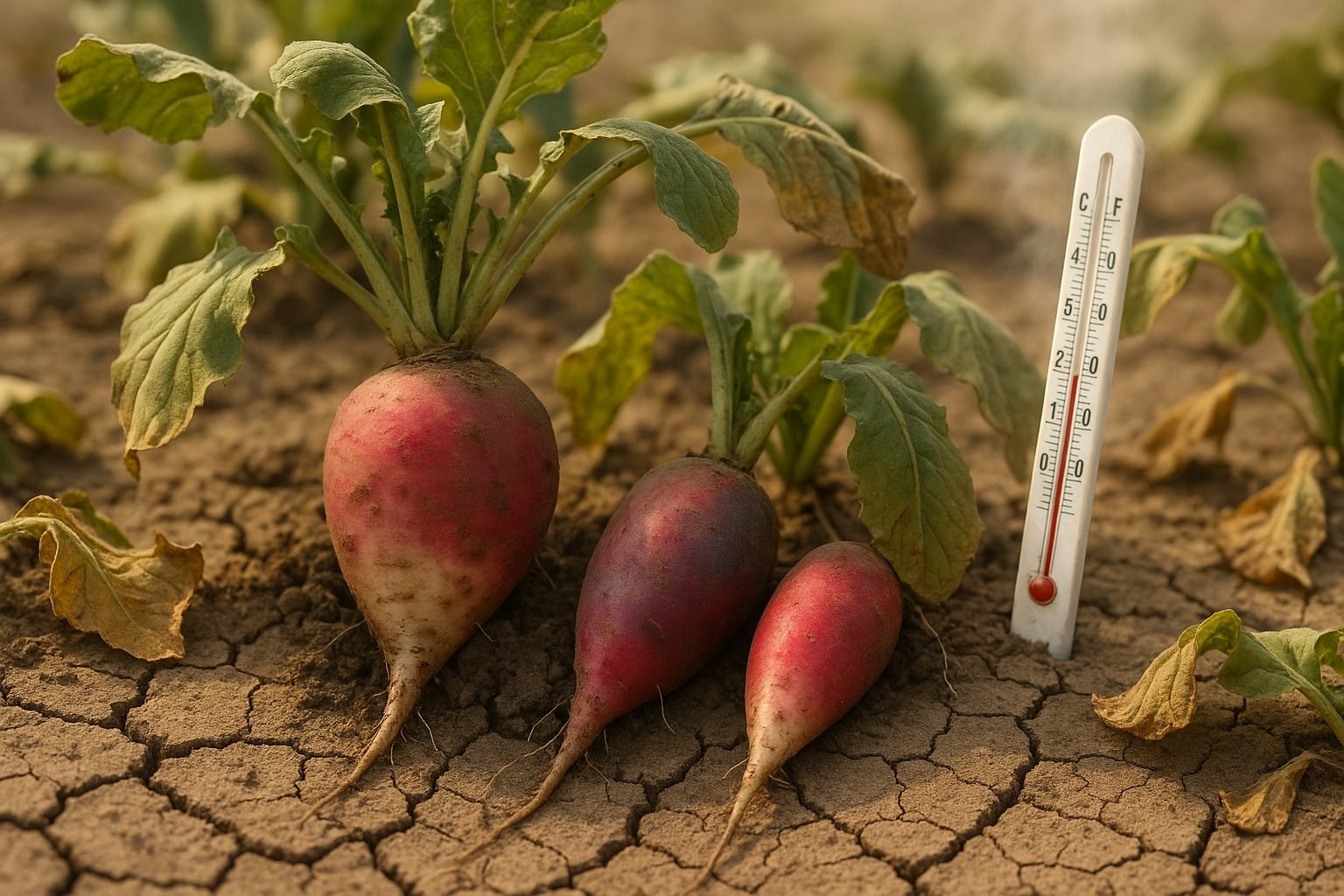
Hot weather is a major culprit; when temperatures climb, radishes become stressed, leading them to ramp up production of glucosinolates—natural spicy compounds that protect the plant but also increase heat in the roots. Drought stress and insufficient watering have a similar effect; without enough moisture, radishes struggle and concentrate these sharp-tasting substances as a survival response.
Harvest timing also makes a big difference: leaving radishes in the ground too long, beyond their peak maturity, allows the roots to become woody and amplifies both spicy and bitter flavors. It’s best to pick them promptly at their recommended harvest time for a milder taste.
Poor soil conditions shouldn’t be overlooked either—compacted, nutrient-poor, or heavy clay soils can stress plants and impact flavor. Aim for loose, fertile soil with consistent watering to promote better taste.
Even with perfect care, your choice of radish variety plays a big role; some types, like ‘French Breakfast’ or ‘Cherry Belle,’ are bred for mildness, while others, like ‘Black Spanish,’ are naturally hotter due to their genetic makeup.
To avoid unpleasantly spicy or bitter radishes:
- Choose mild varieties
- Plant during cooler weather
- Keep them well-watered
- Harvest promptly for the best flavor
Growing Conditions for Milder, Sweeter Radishes
To grow mild, sweet radishes, start by picking the right spot and prepping your soil. Radishes thrive in loose, well-draining soil with plenty of organic matter—think compost or old manure—for healthy root development and better taste. Heavy or compacted soils can produce tough, bitter roots, so take a few minutes to loosen the top 6 inches before sowing seeds.
Choose a sunny location with at least 6 hours of direct light a day, as radishes crave sun but will bolt (and taste hotter) in excessive heat. This brings us to the importance of timing—radishes grow best in cool weather, so plant them in early spring or fall when temperatures range from 50-70°F. Heat stress is a common culprit behind those overly spicy, pithy radishes.
Space your seeds about an inch apart or thin sprouting seedlings to avoid overcrowding. When plants are crammed together, they get stressed and develop a sharper flavor. Keep the soil consistently moist—don’t let it dry out, but avoid waterlogging—to ensure crisp, juicy roots. Mulching can also help maintain steady moisture and keep the soil cool.
Most radish varieties are ready to pick in as little as three to four weeks; don’t wait too long, or the roots may turn tough and bitter. For the gentlest, sweetest taste, check your radishes frequently and harvest as soon as they reach a usable size, about the diameter of a quarter. With just a little attention to timing, spacing, and soil, you’ll be rewarded with crunchy, mild radishes perfect for salads and snacking.
Harvesting and Storage Tips to Avoid Hot Radishes
To keep your radishes crisp, tender, and pleasantly mild rather than tough or overwhelmingly spicy, timing is everything. Harvest radishes when their roots are about one inch in diameter—check their size by gently brushing away a little soil near the top. Waiting too long leads to woody textures and hotter flavors; younger radishes are milder and crunchier.
Use garden scissors or gently pull up by the greens to avoid damaging the root. Immediately after harvest, snip off the leafy tops to keep the roots from becoming soft or spongy, but save the greens for cooking or salads if they look fresh.
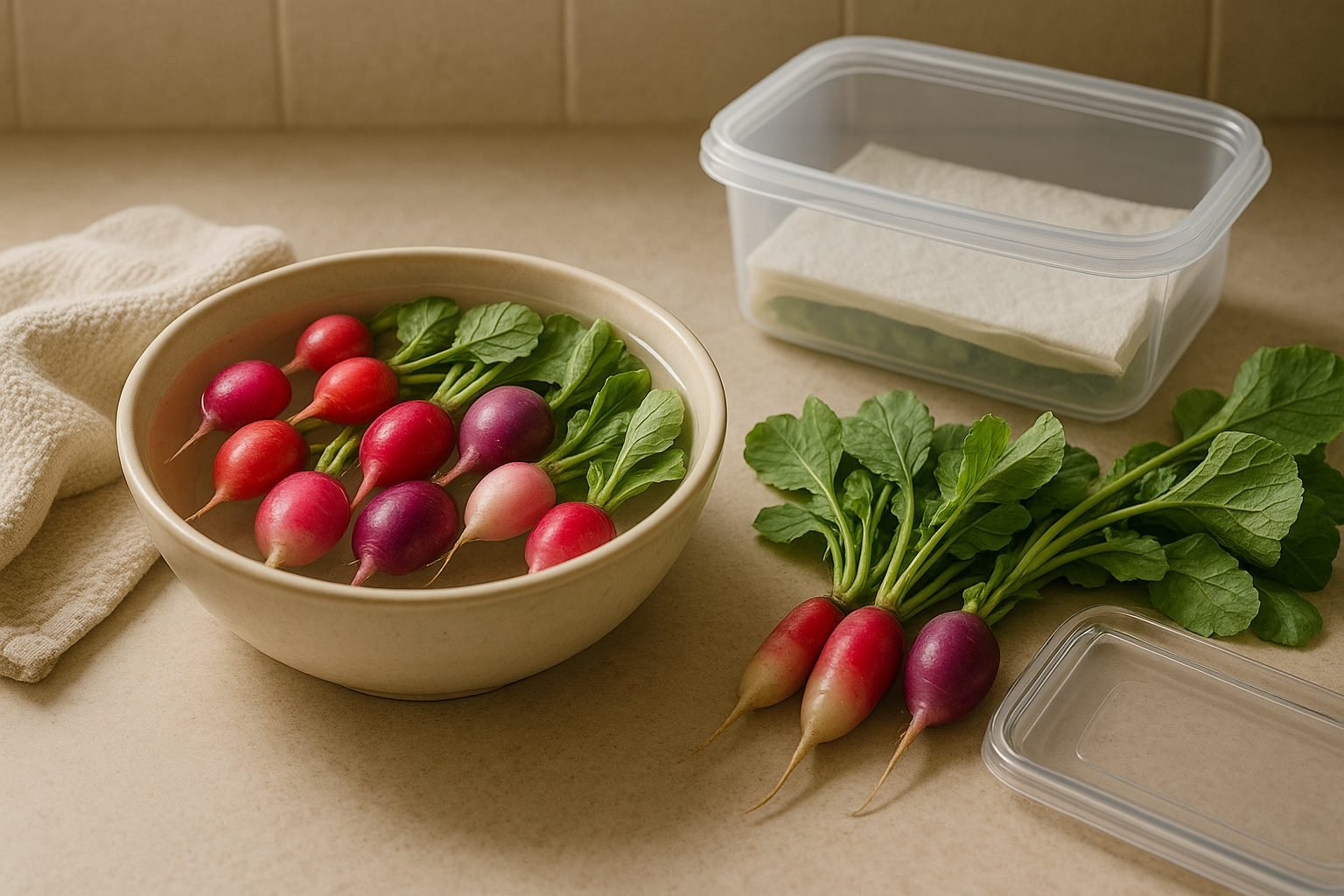
Once harvested, clean dirt off the radishes with cool water, then dry them before storage. For best results, place roots in a sealed container or plastic bag with a damp paper towel and refrigerate—they’ll stay crisp and mild for up to two weeks. Alternatively, you can submerge uncut radishes in a bowl of cold water in the fridge, changing the water every couple of days for a refreshing crunch.
Radish greens wilt quickly, so store them separately in a container with a paper towel and use within a few days. Be on the lookout for soft spots, blackening, or a strong odor—these are signs your radishes are past their prime.
With these tips, you’ll enjoy mild, crunchy radishes and get the most out of your harvest.
How to Fix or Use Spicy/Bitter Radishes in the Kitchen
If you’ve bitten into a radish and found it too spicy or bitter, don’t toss it—there are easy ways to tame its flavor and make it a kitchen superstar.
Start by soaking sliced radishes in ice water for 15-30 minutes; this helps mellow out their bite and boosts their crispness, making them perfect for snacking or salads. Salting is another trick: sprinkle cut radishes with a pinch of salt, let them sit for 10 minutes, then rinse—this draws out some of the heat and softens their texture.
Roasting radishes is also a game changer; just toss them with olive oil, salt, and pepper, then roast at 400°F until tender. This method turns their sharpness into a subtle sweetness, similar to roasted turnips or potatoes.
If you’re looking for recipe inspiration, spicy radishes are fantastic pickled—just submerge sliced radishes in a simple vinegar brine with sugar and spices, and in a few hours, you’ll have tangy, crunchy pickles to top tacos and sandwiches.
For hot stir-fries, use quartered radishes instead of (or alongside) other veggies; their kick pairs well with ginger and garlic. If salads are more your style, combine spicy radishes with creamy dressings (like ranch, blue cheese, or yogurt-based sauces) to offset the heat and add balance.
Don’t forget the greens—radish tops are edible and delicious! Try sautéing them with garlic as a quick side, adding to pestos, or stirring into soups for a peppery punch, even if you find the roots themselves too intense.
With these tips, spicy radishes can easily become one of your most versatile kitchen ingredients.
Quick Troubleshooting: FAQ on Radish Taste Problems
If you’ve ever bitten into a radish and recoiled at its spiciness or bitterness, you’re not alone—these are some of the most common radish taste problems gardeners and shoppers encounter.
First off, can bitter or spicy radishes still be eaten? Absolutely. The “bite” in radishes is caused by natural compounds called glucosinolates, which actually have health benefits and are completely safe to eat. Some people even enjoy the kick!
If your radishes are extra spicy, try slicing them thinly and soaking them in cold water for about an hour; this mellows their flavor and crunch, making them perfect for salads or sandwiches. Roasting or pickling radishes also tones down their heat.
Radishes may bolt and turn bitter if they’re exposed to too much heat, inconsistent watering, or crowded growing conditions. Bolting means the plant has started to flower early and shifted energy away from root development.
To avoid this, plant them early in spring or late in the season when it’s cooler and keep the soil moist but well-drained. If only some of your radishes are spicy, it’s likely due to uneven growing conditions—try thinning seedlings and providing more consistent moisture next time.
Despite many myths, storing radishes in water or salt won’t “draw out all the heat,” but it can reduce it a bit. Rest assured, spicy radishes are still edible and can even be the secret ingredient in salsas, tacos, or quick pickles for an extra flavor punch.
Conclusion: Getting Perfect-Tasting Radishes Next Season
Growing perfect-tasting radishes boils down to a few essential practices: plant them in cool weather, provide consistent moisture, use loose, fertile soil, and harvest as soon as they reach mature size. Try sowing seeds in early spring or late summer to avoid the heat, which can make radishes woody and overly spicy.
Water regularly, but don’t flood the soil—radishes like things just right. Thinning seedlings also makes a difference, ensuring roots have space to grow round and crisp rather than crowded and misshapen. If your radishes turn out spicier than expected, don’t get discouraged—see it as an opportunity to tweak your timing, watering, or even try new varieties.
Remember, spicy radishes have their own charm in salads, pickles, or roasted for a mild, sweet flavor. Each harvest teaches you more, so keep experimenting until you find the techniques—and taste—you love. With a little patience and observation, you’ll have a season of bright, sweet, satisfying radishes to look forward to next time.