Introduction
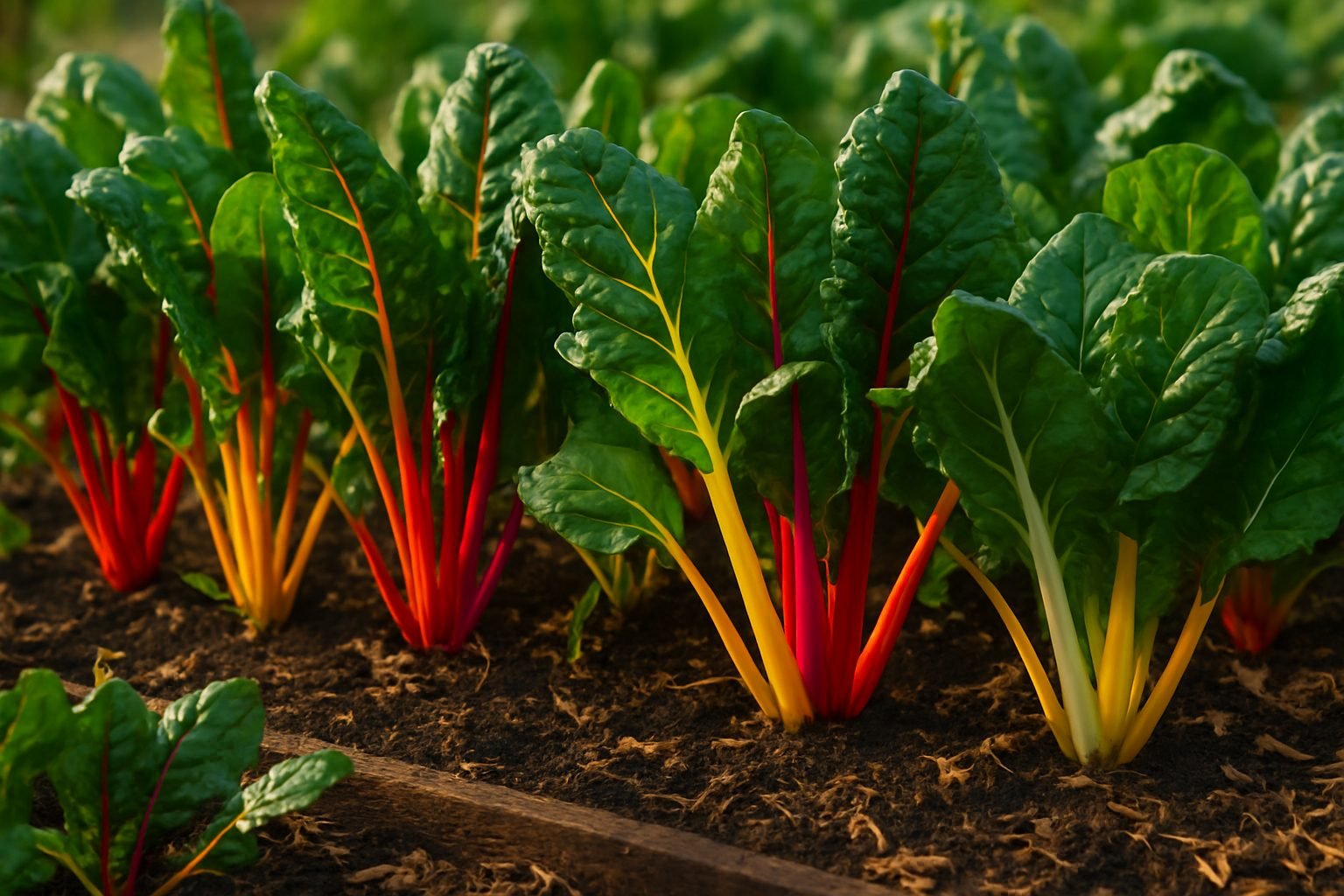
Fertilizing swiss chard is a crucial step for anyone wanting vibrant, productive plants bursting with flavor and nutrients. Swiss chard—a colorful, hardy leafy green—has become a favorite among home gardeners due to its resilience, versatility in the kitchen, and impressive nutritional benefits. But no matter how well you care for your garden, swiss chard needs the right nutrients at the right time to truly thrive. Without proper fertilization, even the healthiest-looking chard may produce lackluster harvests or underdeveloped leaves.
The good news is, you don’t need to rely on harsh chemicals or synthetic solutions to give your plants what they crave. In this post, you’ll discover easy, natural ways to provide optimal nourishment for your swiss chard. We’ll explore eco-friendly fertilizers, composting tips, and practical strategies you can use right in your own backyard. Whether you’re a beginner or an experienced gardener, you’ll find actionable ideas to help your swiss chard reach its full, leafy potential—without compromising the health of your soil or the environment.
Understanding Swiss Chard’s Nutritional Needs
Fertilizing Swiss chard requires knowing its nutritional needs to ensure robust leaves, vibrant color, and great yields. Swiss chard is a fast-growing leafy green that thrives on a steady supply of key nutrients: nitrogen (N), phosphorus (P), potassium (K), and a balance of essential micronutrients like magnesium, calcium, iron, and boron. Nitrogen is especially important for Swiss chard’s lush leafy growth, so a deficiency often shows up as stunted, pale, or yellowing leaves. Without enough nitrogen, the plant struggles to produce the large, flavorful foliage that gardeners love. Phosphorus supports healthy root development and energy transfer; when it’s lacking, you might notice poor root systems and reduced vigor. Potassium helps regulate water balance in the plant and improves stress resistance; potassium deficiency can cause weak stems and scorched-looking leaf edges. Micronutrient shortages—such as yellow striping from magnesium deficiency or dull, pale leaves from low iron—can also limit both appearance and harvest quality.
Because Swiss chard produces leafy greens rather than fruits or roots, its fertilizer needs differ from those of tomatoes or carrots. The plant benefits from consistent, moderate feeding instead of intensive or sporadic nutrient boosts. Over-fertilizing with high-nitrogen products can lead to rapid, soft growth that’s more prone to pest damage and bolting (early flowering), especially in warm weather. On the other hand, inadequate nutrition limits leaf production and shortens the harvest period. For example, if you notice your chard’s new leaves emerging pale or with purple undertones, it’s a sign to increase feeding—using natural amendments like compost, well-rotted manure, or a balanced organic fertilizer, which provide nutrients gradually as the plant grows. Meeting these specific needs, based on Swiss chard’s growth habits, ensures a steady supply of tender, nutrient-rich leaves over many weeks.
Best Natural Fertilizers for Swiss Chard
When it comes to fertilizing swiss chard naturally, several organic fertilizers stand out for boosting plant health, yield, and flavor. Compost is a staple in organic gardening, providing a nutrient-rich, slow-release feed that also improves soil structure and moisture retention. Made from kitchen scraps and yard waste, compost is both economical and environmentally friendly.
Well-rotted manure, such as cow or chicken manure, is another excellent choice, supplying a strong dose of nitrogen, phosphorus, and potassium—all essential for leafy growth. However, manure must be aged or composted to prevent burning tender seedlings and to break down pathogens. For a gentler yet highly effective option, worm castings (vermicompost) offer a wealth of micronutrients and beneficial microbes that enrich soil life, making them perfect for young swiss chard plants and sensitive feeders.
Liquid fertilizers like fish emulsion and seaweed extract deliver quick results, ideal for a mid-season boost. Fish emulsion is rich in nitrogen, promoting lush leaf development, though its strong odor might not appeal to every gardener. Seaweed extract provides trace minerals, plant hormones, and growth stimulants, enhancing swiss chard’s stress tolerance and root development without overwhelming the plants.
In terms of availability, compost and manure are relatively easy to source or produce at home, while worm castings, fish emulsion, and seaweed extract can be purchased at garden centers—though often at a higher cost.
For seedlings, use worm castings or diluted seaweed extract, as these are gentle and support root establishment without the risk of burn. Once plants mature and begin rapid growth, supplement with compost or well-rotted manure to keep the soil nutrient-rich, and apply fish emulsion or seaweed extract every few weeks to maintain healthy greens. By mixing and rotating these natural fertilizers throughout the swiss chard growing season, you’ll keep your plants thriving, flavorful, and nutrient-dense.
How and When to Apply Natural Fertilizer
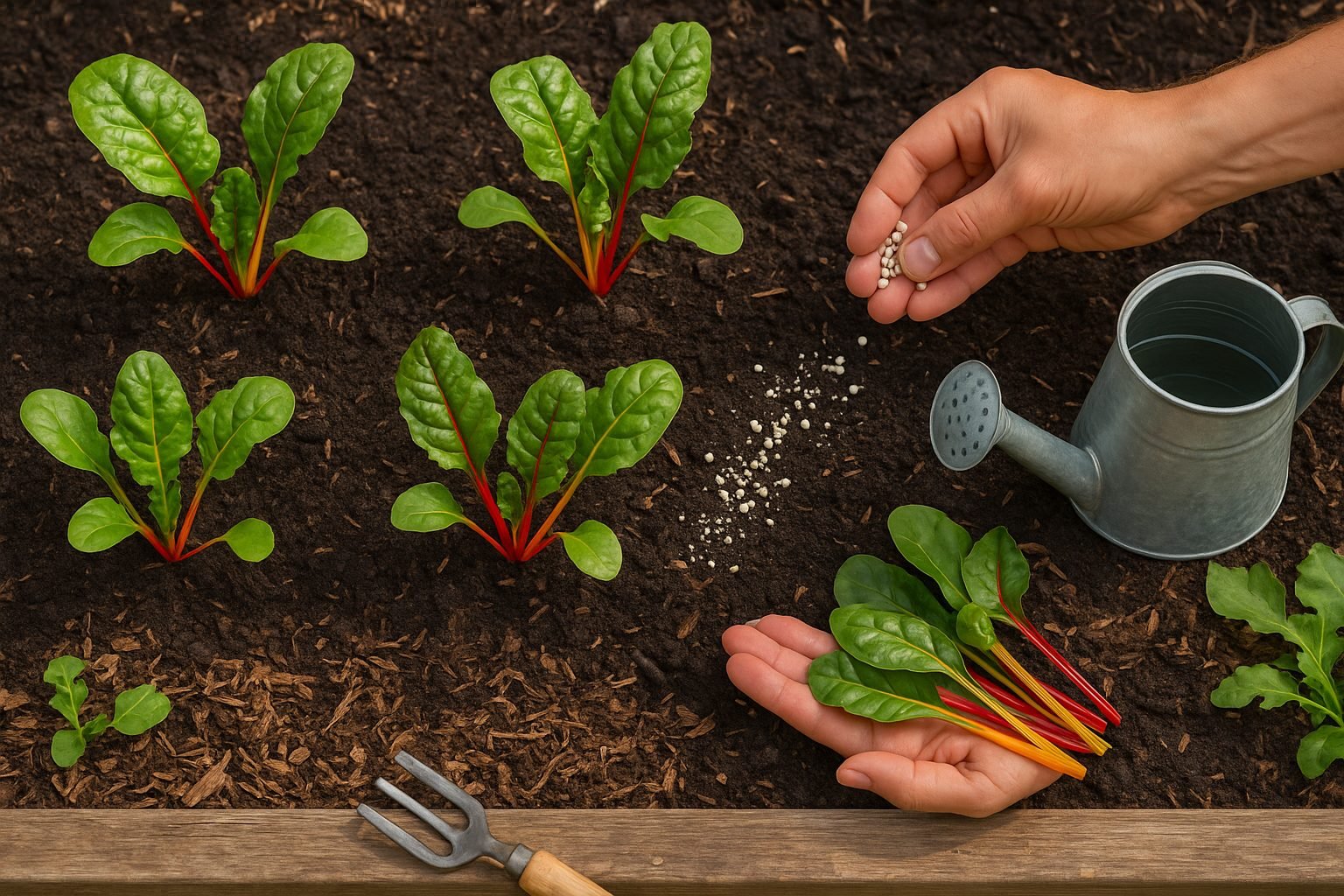
For the best results when fertilizing Swiss chard naturally, timing and careful application are key. Start by enriching your soil with compost or well-rotted manure a couple of weeks before planting your Swiss chard seeds; this foundational feeding encourages strong seedling growth. As your plants develop, they’ll benefit from additional nutrients every 3–4 weeks throughout the growing season, especially if your soil is not particularly rich.
One of the most effective methods for fertilizing Swiss chard is side dressing—sprinkle a small amount of granulated organic fertilizer, such as blood meal or bone meal, a few inches away from the base of each plant, then gently work it into the soil. This keeps nutrients accessible to the roots without touching the stems, which helps prevent damage. Alternatively, top dressing involves spreading a thin layer of compost or worm castings around the base of the plants, allowing rain or watering to wash the nutrients down to the roots. For a quick nutrient boost, you can also apply a diluted liquid feed like compost tea or fish emulsion every few weeks to the soil near your plants.
To avoid over-fertilization and fertilizer burn—which can harm Swiss chard—use smaller amounts of fertilizer more frequently instead of applying a heavy dose all at once. Always follow the package directions for any organic product, and err on the side of caution: Swiss chard is a moderately heavy feeder but doesn’t need excessive nitrogen, which can produce lush leaves at the expense of flavor and overall plant health. Monitor your plants for signs of stress, like yellowing or browning leaf edges, and hold off on fertilizing if they look robust and healthy. Keep in mind that building healthy soil with regular composting often reduces the need for frequent fertilizing. Using these methods will promote steady growth and yield delicious, nutrient-rich leaves throughout the season.
DIY Natural Fertilizer Recipes
Fertilizing swiss chard naturally doesn’t require any fancy store-bought products—there are plenty of great options you can make right at home. Compost tea is a classic choice: simply steep a shovelful of mature compost in a bucket of water for 2-3 days, then strain and use the liquid to water around your chard. This tea provides a balanced mix of nitrogen, phosphorus, and other micronutrients, giving your plants a gentle yet thorough boost.
If you regularly toss banana peels, try chopping them up and burying pieces a few inches into your chard bed. Banana peels break down quickly and supply potassium, which is essential for strong stems and vibrant leaves. Crushed eggshells are another favorite—sprinkle them around the base of each plant or mix them into the soil to provide calcium, which helps prevent leaf tip burn.
For a quick magnesium fix (especially if leaf color is fading), dissolve one tablespoon of Epsom salt in a gallon of water and use this mixture to irrigate your plants every few weeks. While these natural recipes are gentle on your garden and wallet, use them in moderation; overdoing it can upset soil balance or attract pests.
Always apply homemade fertilizers to moist soil and avoid splashing directly onto the foliage to reduce the risk of burning. Compost and banana peels are slow-release, so patience is key—give them time to work. Remember to wash your hands after handling raw materials, and avoid using peels or compost from diseased plants. With these simple homemade boosters, you can keep your Swiss chard thriving and healthy all season long.
Sustainable Fertilizing Swiss Chard for Ongoing Harvests
Sustainable fertilizing swiss chard goes beyond simply adding nutrients—it’s about nurturing a vibrant, living soil that supports continuous, healthy harvests. Mulching is a cornerstone of this approach, helping to lock in moisture, suppress weeds, and gently feed the soil as natural mulches like straw or shredded leaves break down.
This gradual release of organic matter boosts microbial activity, creating rich soil teeming with life and ready to nourish your chard crop. Pair mulching with regular soil health checks: each season, add homemade compost or well-rotted manure to maintain nutrient levels without overwhelming your plants.
Crop rotation is another eco-friendly secret to long-term soil fertility. Avoid planting swiss chard—or its close relatives like beets and spinach—in the same spot year after year; this reduces pest buildup and prevents specific nutrient depletion. Consider rotating chard with legumes (such as peas or beans), which naturally add nitrogen to the soil, or with fast growers like lettuce and radishes.
Companion planting can also help: try tucking in onions or nasturtiums nearby to deter leaf-chewing pests and attract beneficial insects, further reducing the need for chemical treatments.
Above all, keep a close eye on your plants—yellow edges, slow growth, or pale leaves may indicate the need for more nutrients, weather protection, or better drainage. If issues arise, top-dress with a bit of compost or apply a diluted liquid fertilizer made from compost tea to help your chard bounce back.
By combining these natural methods, you’ll keep your swiss chard beds thriving—and your harvests consistent—all season long.
Conclusion & Frequently Asked Questions
Natural fertilization is key for healthy Swiss chard, helping you grow lush, vibrant leaves without relying on synthetic chemicals. As we’ve discussed, the best approach combines adding compost or well-rotted manure before planting, side-dressing with worm castings or organic granular fertilizers mid-season, and occasionally supplementing with liquid feeds like diluted fish emulsion for rapid growth.
For optimal results, fertilizing Swiss chard every 4 to 6 weeks during active growth typically provides sufficient nutrition, though sandy soils may require more frequent feeding. Keep an eye on your plants—yellowing leaves or stunted growth usually indicate nutrient deficiencies, which can be corrected by enriching the soil with additional organic matter.
If you’re aiming for organic certification, make sure any amendments you use (even natural ones) meet local organic standards; look for OMRI-listed products to stay compliant. By choosing natural fertilizers and closely monitoring your chard’s needs, you’ll support healthy crops while promoting a more sustainable and resilient garden.
Keep learning and experimenting with different organic techniques. Over time, you’ll develop an intuition for what works best in your unique soil and climate, making fertilizing Swiss chard an even more rewarding experience.