Introduction to Radish Pests
If you’ve ever tended a vegetable patch, you know that organic radish pest control can make or break your harvest. For gardeners and small farmers alike, radishes are a favorite—growing fast and packing a peppery crunch. But hidden beneath those leafy greens, pests are often at work, threatening to ruin your crop.
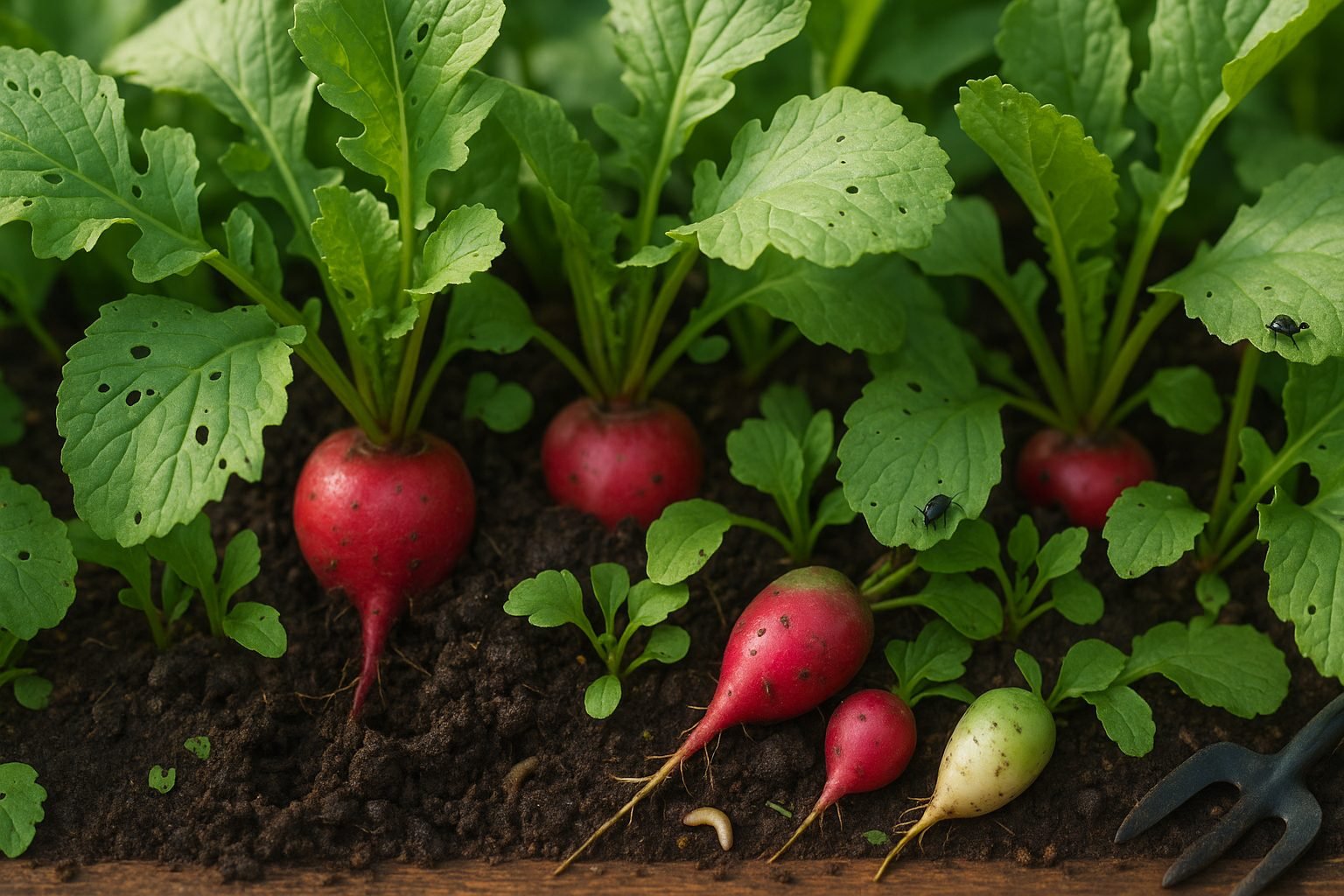
Common culprits like root maggots and flea beetles chew tiny holes in leaves, leave telltale tracks, and sometimes even tunnel into the vibrant roots themselves. If you spot wilting plants, ragged foliage, or bruised, damaged roots when you pull your radishes, pests have likely moved in.
Left unchecked, these silent invaders can devastate an entire row almost overnight. That’s why early identification is vital—catching a problem when it starts can mean the difference between a thriving, healthy batch and a disappointing yield.
Don’t take a “wait and see” approach. Instead, schedule routine checks for signs of damage, and be ready to act quickly when you spot trouble. With a little vigilance and prompt organic action, you can keep your radish garden safe, healthy, and loaded with crisp roots—all without chemicals.
Common Radish Pests and Their Identification
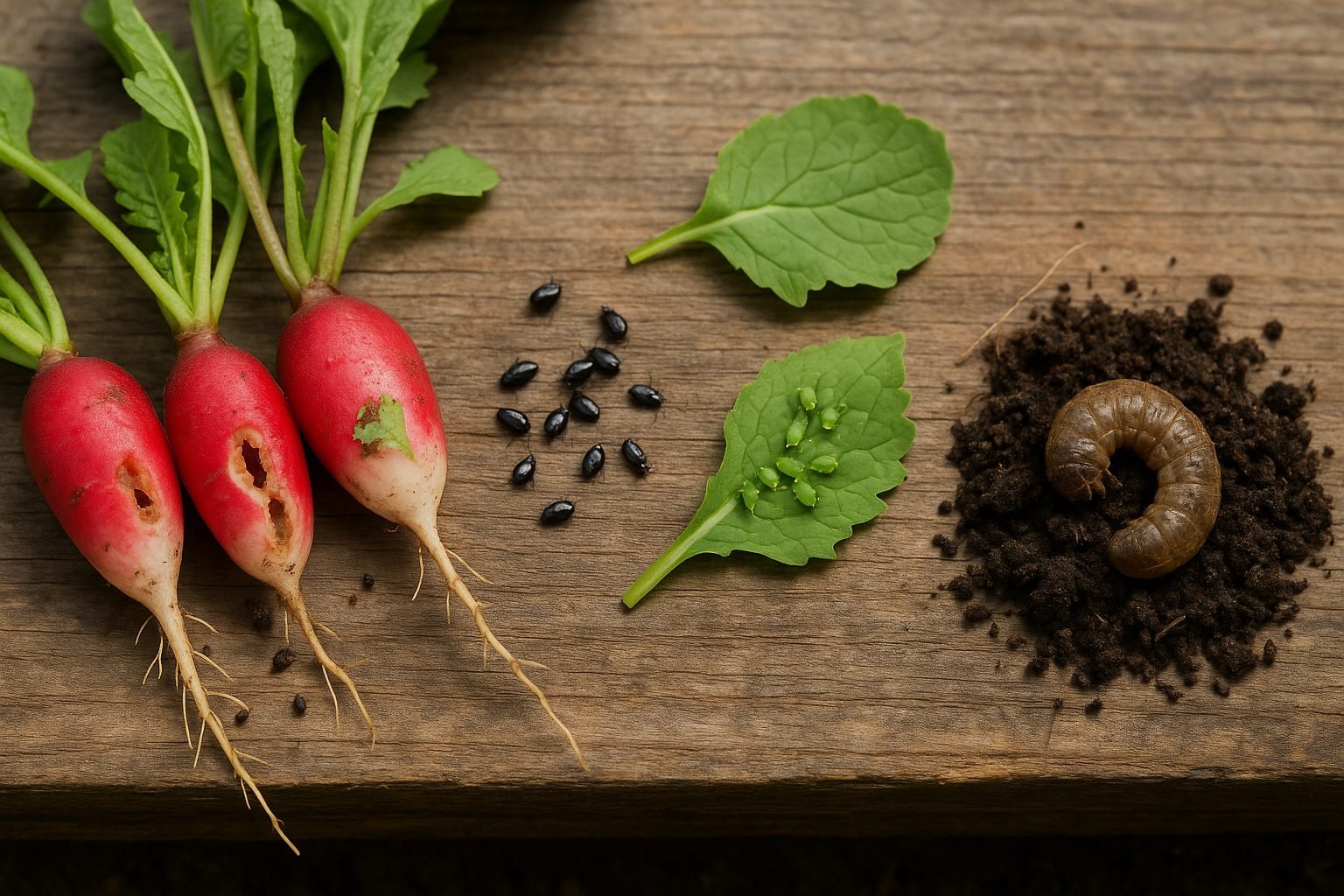
Radish crops often fall prey to a handful of persistent pests, each leaving telltale signs that can help you spot trouble early.
Radish maggots are sly root feeders—their creamy white larvae burrow into radish roots, creating winding tunnels. If you notice wilting leaves paired with brown, mushy patches or small holes in the roots, maggots are likely offenders.
Flea beetles, on the other hand, are tiny, shiny black or bronze beetles that hop away quickly when disturbed. Their calling card is clusters of tiny round “shot holes” in the leaves, which can leave seedlings stunted.
Aphids appear as small, pear-shaped insects, usually green or black, clustering on the undersides of leaves or along stems. Look out for curling leaves, sticky “honeydew” residue, and a sooty mold that sometimes accompanies heavy aphid infestations.
Cutworms round out the threat list: these fat, gray or brown caterpillars hide in the soil during the day but chew through stems at ground level at night, causing seedlings to collapse as if “cut” off.
How to Differentiate Between These Pests
Focus on where the damage appears:
- Root tunnels point to maggots.
- Lacy leaf holes signal flea beetles.
- Sticky, clustered bugs are aphids.
- Severed stems hint at cutworms.
Inspection Tips
- Regularly inspect your plants at various times of day, especially around dusk for cutworm activity.
- Gently dig or sift the topsoil near wilted plants to check for cutworms, and lift damaged roots to spot maggot larvae.
- Aphids are best found on new growth, while flea beetles scatter quickly, so check leaves early in the morning.
Being mindful of each pest’s favorite hangouts and unique damage will greatly reduce misidentification, making your pest management more effective and timely.
Understanding Pest Damage: What to Watch For
Pest damage in your garden or home plants can show up in several ways, so it’s important to know what signs to watch for. On leaves, you might spot ragged edges, holes, or a lace-like appearance—classic evidence of chewing pests such as caterpillars or beetles.
Sometimes, the leaves look stippled or yellowed, which could indicate tiny sap-sucking insects like spider mites or aphids. Roots are a bit trickier since they’re out of sight, but you may notice wilted foliage or stunted growth even though you’re watering regularly; this could signal underground pests like root maggots or grubs that leave tunnels or holes in roots.
Whole plant health is affected as pests drain nutrients, and you might see plants looking generally weak, less productive, or even suddenly collapsing—especially with cutworms or root borers at work.
Don’t overlook more subtle signs: sticky residue (called honeydew) on leaves, unexplained mold, leaf curling, or a sudden appearance of ants can all hint at hidden pest infestations.
Regularly inspecting both sides of leaves, stems, and the soil surface helps catch problems early, preventing more serious damage and saving your plants.
Effective Pest Management Strategies
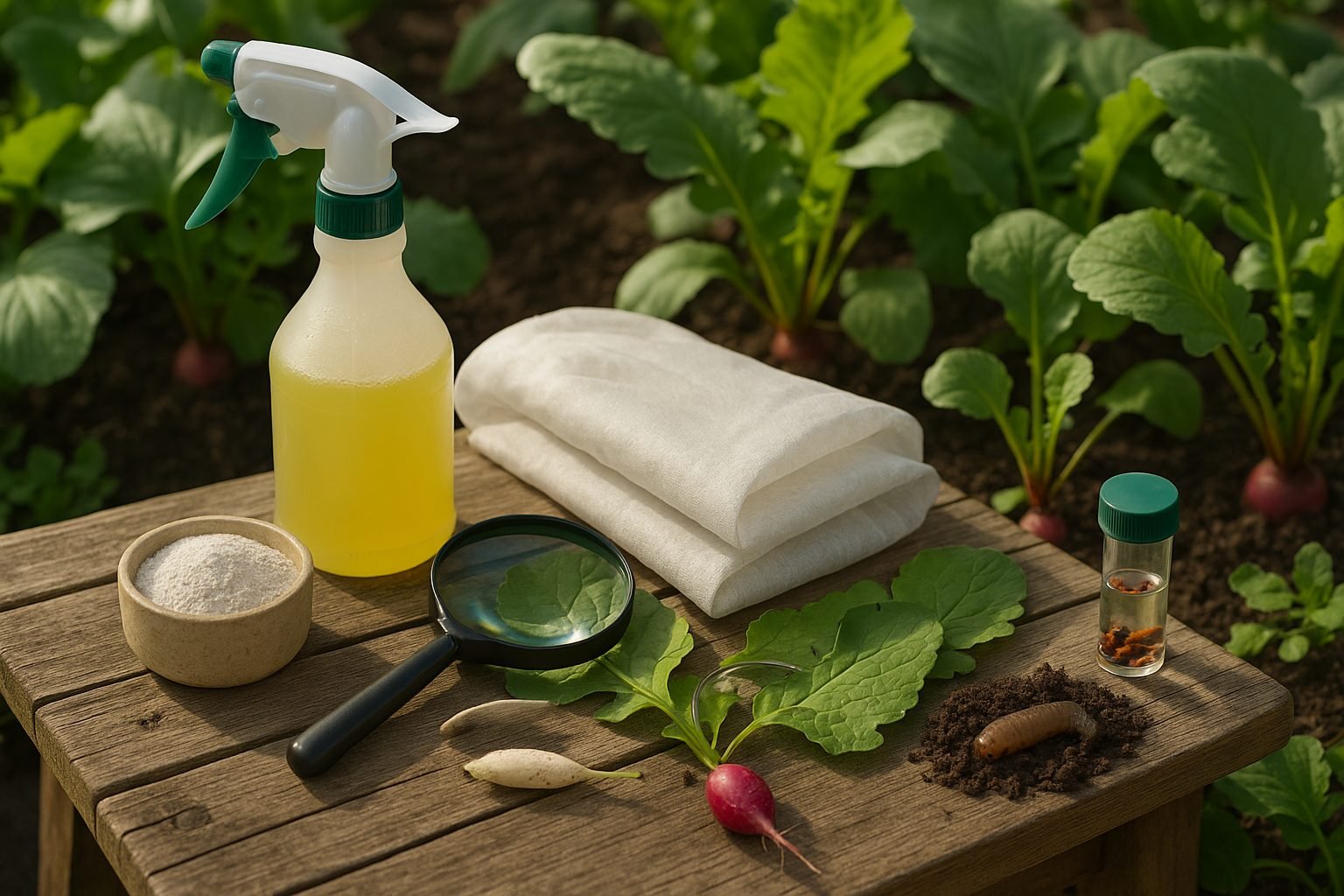
Integrated Pest Management (IPM) is a practical approach that combines different methods to keep pest populations low without relying solely on chemicals. To start, regular monitoring is key—inspect your plants often for signs of pests or damage, and keep simple records. This helps you spot problems early, so you only act when pests reach an intervention threshold—the level where their presence could start causing real harm.
Instead of immediately reaching for pesticides, begin with targeted, low-impact tactics. Hand-picking larger insects like tomato hornworms or cucumber beetles can be surprisingly effective in small gardens. Row covers made of lightweight fabric create a physical barrier against flying pests, protecting young seedlings while still letting in light and water.
For biological controls, you might introduce beneficial insects such as ladybugs, lacewings, or predatory nematodes to naturally keep pests in check. Organic treatments like neem oil or insecticidal soap work well against soft-bodied pests and usually have less environmental impact than synthetic sprays. However, even organic options should be used sparingly to avoid harming beneficial species.
One major challenge is pest resistance: using the same treatment repeatedly (even organic ones) can cause pests to adapt and become harder to control. That’s why it’s crucial to rotate your techniques—switch up your approaches each season if possible, and always combine them with cultural practices like crop rotation and good garden hygiene.
Sustainable pest management isn’t about eradicating every bug; it’s about maintaining a balanced ecosystem where pests are kept below damaging levels and chemical use stays a last resort. By staying observant, flexible, and willing to experiment, gardeners can build healthier plants and a stronger garden year after year.
Organic and Natural Control Methods
When tackling garden pests and diseases, organic and natural control methods offer eco-friendly solutions that protect both your plants and the environment. Neem oil, for example, is a natural insecticide derived from the neem tree. It works by disrupting pest feeding and reproduction without harming beneficial insects when used carefully.
Diatomaceous earth, made from fossilized algae, can be sprinkled around plants to physically damage and dehydrate crawling insects like slugs and ants. Just be sure to reapply after rain, as it loses effectiveness when wet.
Companion planting is another effective tactic. Growing nasturtiums alongside vegetables attracts aphids away from your crops and can also deter whiteflies.
While these methods are safer than harsh chemicals, they work best as part of a larger integrated pest management plan. Organic solutions may require more frequent application and sometimes act more slowly, so mixing several approaches—such as spraying neem oil, using physical barriers, and planting beneficial companions—can boost their effectiveness.
By tailoring your pest control strategy with multiple organic methods, you can achieve healthier plants, support pollinators, and maintain a thriving, sustainable garden.
Prevention and Long-Term Radish Health
Maintaining long-term radish health starts with proactive steps right from planting. Begin by spacing radishes correctly—usually one to two inches apart—to ensure good air circulation and reduce humidity, which can attract pests and encourage disease.
Healthy, well-drained soil rich in organic matter gives radishes a strong start. Regularly amend your garden bed with compost and avoid waterlogged conditions, as these make roots vulnerable. Crop rotation is also key: avoid planting radishes or other root crops in the same spot year after year, since many soil-borne pests and diseases overwinter underground.
Season and weather play a big role in pest risk—radishes thrive in cooler weather, so aim to plant in early spring or fall to minimize exposure to heat-loving pests like flea beetles. For extra resilience, mulch lightly to conserve moisture and deter weeds, and remove any plant debris at the end of each season to disrupt pest life cycles.
Finally, inspect your plants regularly for early signs of distress. If you notice chewed leaves or stunted growth, address these issues quickly with organic solutions like neem oil or row covers. These small, consistent steps will help your radishes grow strong and resist pest challenges all season long.
Conclusion and Further Resources
Staying alert to pests is essential for growing healthy, productive radishes. Regular monitoring helps you spot trouble early and respond before problems spiral out of control. Every garden is a little different, so don’t hesitate to experiment—maybe yellow sticky traps work well in your garden, or handpicking beetles is the best approach.
The key is to learn what works in your unique space and adapt your methods through the seasons. For more in-depth advice, check out books like Rodale’s Vegetable Garden Problem Solver, or search for guides from your local cooperative extension office, which often offer region-specific tips. Online resources, such as university horticulture websites and reputable gardening forums, can also provide trustworthy, up-to-date information.
By combining observation, continued learning, and reliable sources, you’ll stay one step ahead of pests and enjoy a thriving radish patch year after year.