Introduction
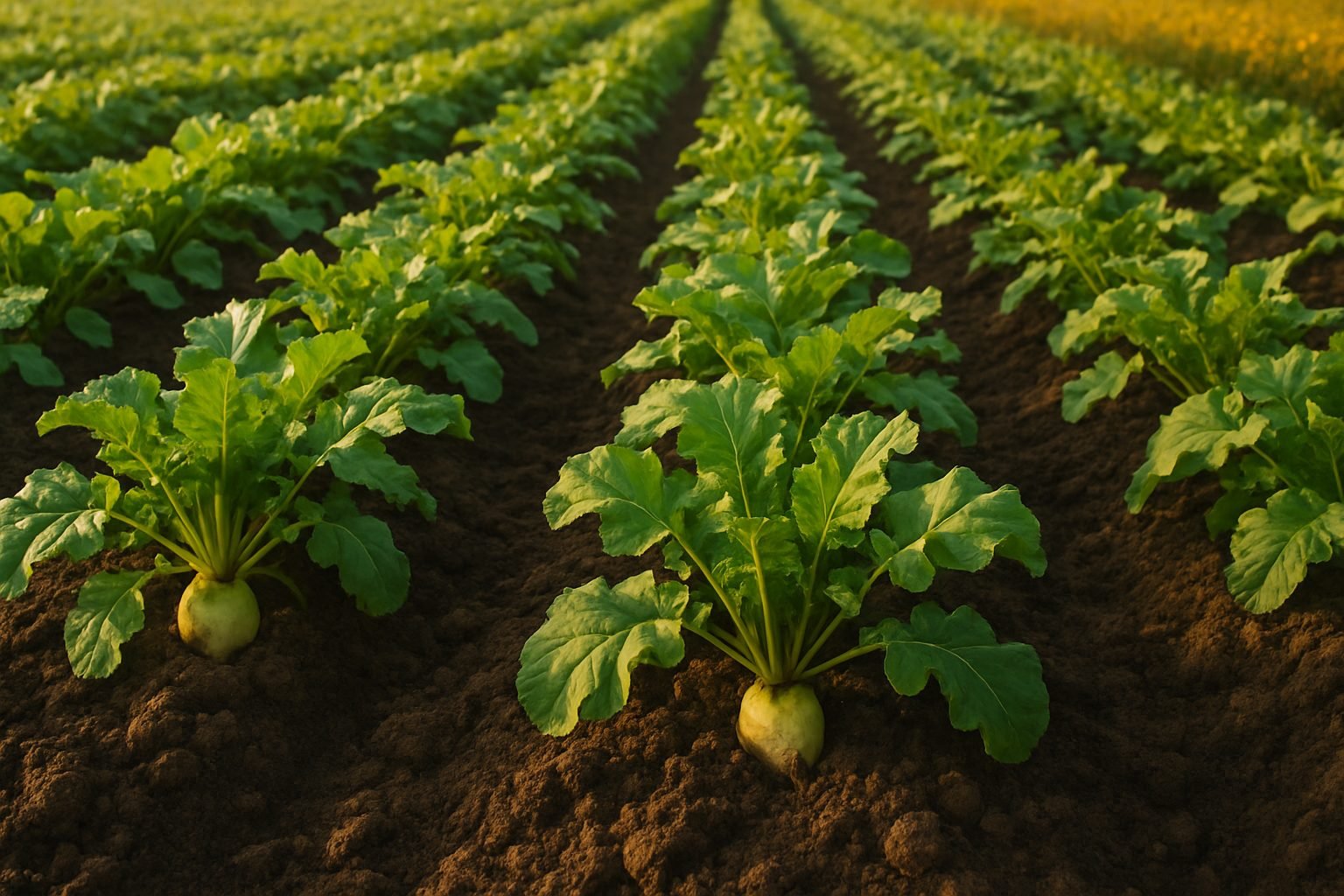
If you’ve ever looked for natural ways to enrich your soil and prepare your garden or farm for the next planting season, you’ve probably come across the term “radish cover crop.” This clever gardening hack is gaining traction among growers who want more from their soil with less reliance on chemicals or heavy equipment.
radish cover crops are unique—not just because radishes grow quickly and thrive in cool weather, but because their strong taproots break up compacted soils, create channels for air and water, and draw up nutrients from deep in the ground. When the radishes decompose, they leave behind organic matter and natural tunnels, making it easier for your next crop’s roots to grow strong and healthy.
Gardeners love them for suppressing weeds early in the spring and restoring beds after harvest. They’re also a cost-effective tool for small farms managing tight rotations or dealing with heavy, clay-rich fields.
In this article, you’ll discover why more growers are planting radishes as cover crops—exploring everything from choosing the right varieties and when to sow, to step-by-step tips on managing your cover crop for maximum benefit. We’ll also dig into real-world examples from home gardeners and experienced farmers to show you what’s possible.
Whether you have a small backyard garden or acres of farmland, you’ll gain the practical know-how to make radish cover crops work for your soil and your harvest—naturally and effectively.
What Are Radish Cover Crops?
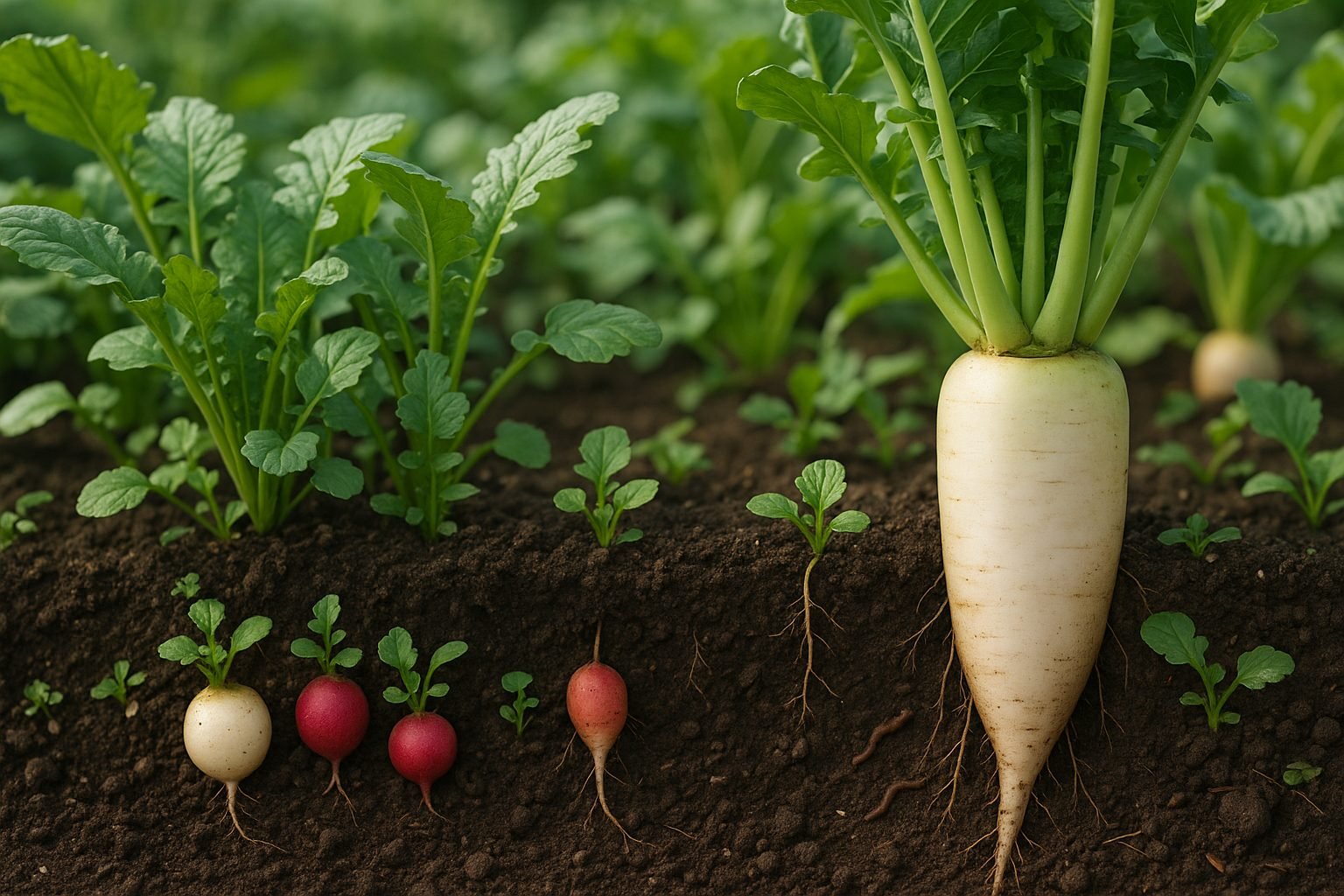
Radish cover crops are specialized varieties of radishes grown not for eating, but for their powerful ability to improve soil health and boost farming systems. Among the most popular types are oilseed radish and daikon radish.
Oilseed radish, with its bushy foliage and small white roots, grows quickly and is excellent for weed suppression and preventing nutrient leaching. Daikon radish, on the other hand, has long, robust taproots—sometimes over a foot deep—that break up compacted soil and help water and nutrients move more freely through the ground.
Unlike turnips, which develop round, bulbous roots near the soil surface and often have purple-tinged tops, radishes generally produce slender, white roots that grow deeply. Radishes also leaf out differently, typically forming lush, upright greens, whereas turnips have more rounded, upright leaves.
In crop rotation systems, radish cover crops are a smart addition between major cash crops like corn or soybeans; they scavenge leftover nutrients, disrupt pests, and add organic matter as they break down. For instance, if you plant daikon radish after harvesting wheat, their decaying roots over the winter act as natural aerators, setting the stage for a healthier spring planting.
Gardeners and commercial growers alike value radish cover crops for simple, real-world reasons: they are fast to establish, easy to terminate with winterkill or mowing, and deliver visible results in the first season.
By working radish cover crops into your crop rotation, you cycle nutrients more efficiently and build resilient, productive soil with less reliance on chemical fertilizers or deep tillage.
Key Benefits of Planting Radish Cover Crops
Planting radish cover crops offers numerous benefits for both home gardens and large-scale farms, especially in improving soil health. The deep, sturdy taproots of radishes—particularly varieties like tillage or daikon radish—penetrate the soil more effectively than many other plants. This action naturally aerates compacted soils, breaks up hardpan layers, and creates channels that enhance water infiltration and root growth for future crops.
As these roots decompose, they add valuable organic matter that boosts soil structure and feeds beneficial soil microbes. Another major advantage is weed suppression: a dense stand of radishes quickly covers the ground, shading out pesky weeds and reducing the need for herbicides or manual weeding. Radish cover crops are also excellent at scavenging nitrates from the soil, capturing these nutrients in their roots and preventing them from leaching away during winter. When tilled back into the soil, this trapped nitrogen becomes available to subsequent crops, promoting healthier, more robust plant growth with less reliance on synthetic fertilizers. Additionally, the decaying radish matter helps the soil retain moisture, making your land more resilient during dry periods.
Benefits for Livestock and Wildlife
Livestock and wildlife also gain from radish cover crops. In the fall, radish foliage and roots provide nutrient-rich forage for cattle or sheep, extending grazing opportunities later into the year. For wildlife, thick stands offer shelter and a late-season food source for deer, birds, and small mammals.
Things to Keep in Mind
There are a few points to consider to maximize benefits and avoid surprises. Decomposing radishes can sometimes produce a pungent, sulfur-like odor for a short time, especially if a large biomass dies off at once—so keep this in mind if you farm near homes or plan to host visitors. Also, radish cover crops can occasionally encourage pests like root maggots or wireworms if planted repeatedly in the same area. To prevent this, rotate with other crops and monitor your fields regularly.
Overall, with smart planning and proper management, radish cover crops are a practical, cost-effective way to enrich soils, support biodiversity, and keep your land healthier year after year.
Management and Planting Guidelines
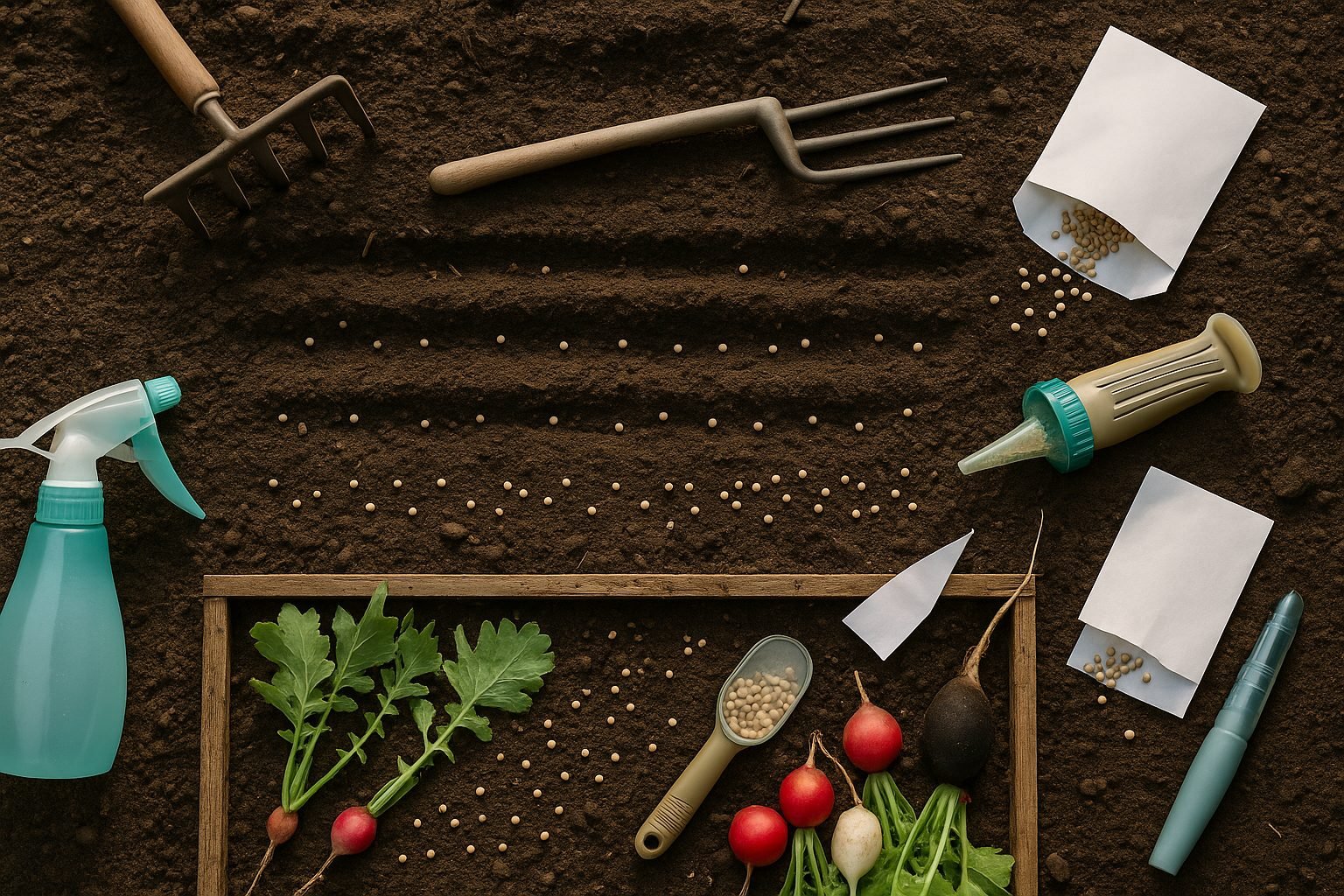
Planting radishes as a cover crop is straightforward but benefits from a few best practices to maximize their potential. The ideal time to plant radish cover crops is late summer to early fall—typically 4 to 10 weeks before the first expected frost—so plants can grow quickly with warm soil temperatures and adequate moisture.
If you’re aiming to use radishes for soil improvement, broadcast or drill seeds at about 8–12 pounds per acre for monocultures. If mixing with cereals or legumes, reduce the seed rate to around 4–10 pounds per acre, depending on your companion species. Many farmers like to mix radish with winter rye, oats, or crimson clover, as these combinations help diversify soil benefits and extend ground cover into spring.
Good soil preparation is key: start by clearing out weeds and crop residues, then use shallow tillage or a light harrow to create a smooth, firm seedbed. Radish seeds need good soil contact but shouldn’t be buried too deep—aim for about ¼ to ½ inch deep. You can use either broadcast seeding (followed by a light harrow or roller to press seeds in) or precision drilling for even stands. Choose a day after moderate rainfall when the soil is moist but not waterlogged for best germination.
Benefits of Radish Cover Crops
Radishes develop a strong taproot that penetrates compacted soil layers, improving soil structure and drainage over the season. Some varieties, like Daikon, can reach 12 to 20 inches into the soil, breaking up hardpan and making nutrients more available for following crops. As radishes grow, their leafy canopy quickly shades out many weeds, minimizing the need for herbicides or hand-weeding.
During cold weather, the tops may die back, but the roots often persist longer in the soil, continuing to build organic matter and channels for future crop roots.
Managing Radish Cover Crops
To manage radish cover crops effectively, monitor their growth—it’s best to terminate them before they set seed, usually after about 6–10 weeks or as soon as the roots reach maximum size. For small plots, mowing or rolling can knock plants down; in larger systems, flail mowing or a roller-crimper are efficient methods. Freezing temperatures will also naturally kill many radish cover crops, leaving their decomposing roots to feed soil microbes and improve tilth.
If possible, wait two to three weeks after termination before planting your main crop to allow decomposing radish residue to break down and avoid potential nitrogen tie-up. By following these guidelines, you’ll make the most of radishes as a natural, low-maintenance tool to boost your soil’s health and future yields.
Radish Cover Crops in Mixed Plantings
Radishes play a unique and highly effective role in multi-species cover crop mixes, offering benefits that go beyond what they deliver when planted in straight stands. While a monoculture of radish—especially tillage radish—can do a fantastic job of breaking up compacted soil and scavenging nutrients with its deep taproot, these gains are amplified when radish is mixed with other cover crops like clover, oats, vetch, or rye.
In mixed plantings, radish helps stimulate soil biology and opens up channels for water and root growth. Its rapid early growth also suppresses weeds more effectively when paired with fast-germinating partners like oats. Clover adds nitrogen-fixing capabilities, vetch boosts biomass, and grains like oats provide erosion control and support for the sprawling radish foliage.
This synergy builds better overall soil structure and resilience. For instance, after the radish decomposes, its decaying taproot leaves behind rich organic matter, while the roots of clover or oats continue the job of soil stabilization and nutrient cycling. Farmers looking to improve forage also appreciate these blends because they offer diverse, palatable options for livestock while maintaining soil cover.
For those new to cover cropping, a typical mix might include about 2-3 lbs of radish seed per acre, along with 20-30 lbs of oats and 3-5 lbs of crimson clover or vetch. The result is a living mulch that works on many fronts—reducing erosion, fixing nitrogen, loosening the soil, suppressing weeds, and recharging the field for the next cash crop.
Mixing radish with other species is a practical, low-maintenance way to create healthier, more productive soils over the long term—especially for growers who want all the benefits of cover cropping without putting all their eggs in one basket.
Considerations for Weed and Pest Control
Radish cover crops are widely appreciated for their powerful weed suppression abilities, making them a valuable tool for growers looking to reduce unwanted plant competition without relying heavily on herbicides. The large leafy canopy of radish quickly shades the soil, smothering emerging weed seedlings and reducing the sunlight weeds need to thrive. Plus, as radish plants break down, they can release allelopathic compounds—natural chemicals that further discourage weed seeds from germinating.
However, even with these advantages, managing weeds isn’t entirely hands-off. If radishes are seeded too thinly or their emergence is patchy, weeds like pigweed and chickweed can still sneak in. It’s worth walking your fields and overseeding bare spots if needed.
As for pests, radishes can attract root maggots, flea beetles, and some nematodes, so regular scouting is essential. Rotating cover crops and using row covers can help break pest life cycles.
Herbicide sensitivity is another important factor to keep in mind. Radishes are generally sensitive to many residual herbicides left in the soil, which can hinder their growth or reduce stand quality. Always check the herbicide labels from your previous crop and consider plant-back intervals before planting radish as a cover crop. Similarly, remember that residues from herbicides applied during or after radish growth may affect the next crop in your rotation—especially small-seeded vegetables or sensitive broadleaf plants.
By planning ahead and integrating weed and pest management strategies specific to radish, you can tap into their benefits without unexpected surprises down the line.
Getting Started with Radish Cover Crops
Starting with radish cover crops is simpler than many think and pays off with better soil health. Begin by choosing the right seed—daikon radish varieties are popular for their deep roots that break up compacted soil; check seed packets for “oilseed” or “tillage” radish labels.
Prepare your garden by clearing weeds and debris, loosening the soil slightly, and raking it smooth—radish seeds need good contact with the soil to sprout well.
Sow seeds around late summer or early fall; scatter them evenly and press them in lightly, as planting too deeply is a common beginner mistake. Water gently and keep the area moist until you see young shoots.
In your first year, avoid over-fertilizing; radishes don’t need much extra boost and will do more for the soil if left to grow naturally.
Let the radishes winter-kill or mow them down before they go to seed to prevent unwanted volunteers next season.
For best results, keep an eye out for pests like flea beetles, which sometimes nibble on young radish leaves.
Each region is different, so tap into local extension services or gardening clubs for exact planting dates and specific advice—they can connect you with neighbors who know what works in your area.
Starting small, observing how the crop grows, and learning from each season sets you up for even bigger success next year.
Conclusion
Radish cover crops offer a range of benefits that can transform your garden or farm. They naturally break up compacted soil, making it easier for roots to grow, help suppress weeds, and add organic matter as they decompose. Radishes are especially good at capturing nutrients from deep in the soil, pulling them up to where future crops can access them, which can reduce your need for fertilizers. They also help manage pests by breaking disease cycles and attracting beneficial insects.
Whether you manage a small backyard patch or several acres, integrating radish cover crops is a simple way to improve soil health, boost yields, and cut down on weeding and fertilizing. Give radish cover crops a try this season—start with a small bed or a test plot so you can see the benefits for yourself.
For more tips on soil care and cover crop strategies, consider joining a local gardening group or exploring online resources to deepen your knowledge. Healthy soil is the foundation of any thriving garden—let radish cover crops help you build that foundation naturally.